Tag: visualpath blogs

  • Top Reasons to Learn MERN Stack Course in 2024: An Overview with Tips

    Top Reasons to Learn MERN Stack Course in 2024: An Overview with Tips

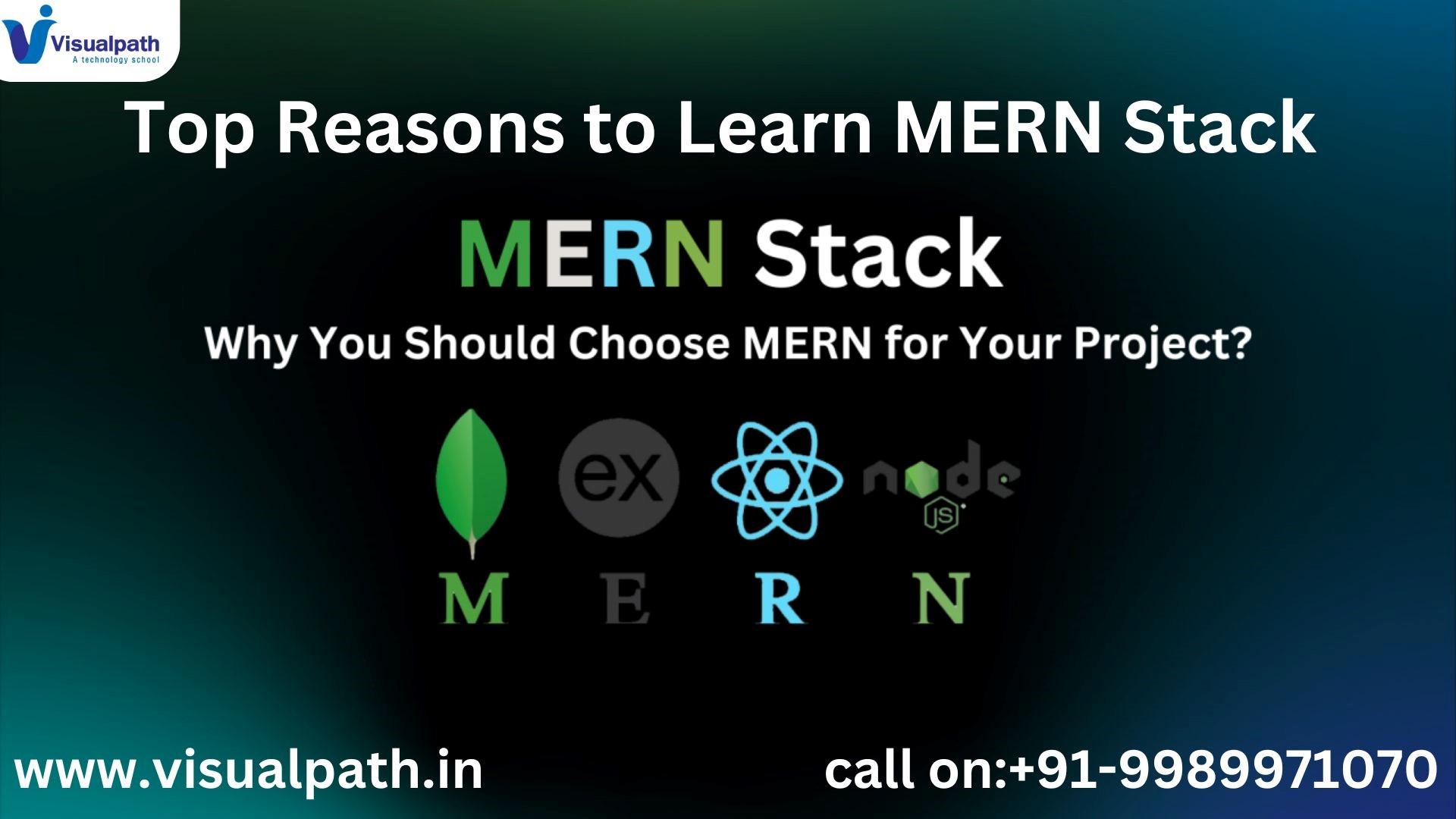
    MERN Stack Full Course to step up your full-stack development skills, 2024 is the perfect time to dive into this powerful stack. Composed of MongoDB, Express, React, and Node.js, the MERN Stack is a popular choice among developers and employers due to its flexibility, speed, and efficient development cycle. A MERN Stack Online Course offers a comprehensive understanding of these technologies, empowering you to build high-performance applications for both personal projects and professional opportunities. In this article, we’ll explore the top reasons to learn the Mern Stack Training in 2024, along with practical tips for making the most of your learning experience.

    1. Rising Demand for MERN Stack Developers

    In the rapidly evolving tech landscape, the demand for skilled MERN Stack developers continues to grow. This is largely due to the versatility and performance of the MERN Stack, which enables developers to build everything from dynamic websites to complex enterprise applications. Companies in sectors like e-commerce, finance, and social media increasingly rely on MERN-based applications due to the stack’s scalability and cost-effectiveness. Enrolling in MERN Stack Training will help you acquire the skills required to meet this growing demand. A structured MERN Stack Online Course not only introduces the core concepts but also provides hands-on experience with real-world projects, ensuring you’re well-prepared for the job market.

    Another reason for the MERN Stack’s popularity is the seamless communication between client and server. The use of JavaScript across both ends of the stack makes it easier to maintain a consistent codebase, enhancing productivity and simplifying the debugging process. With a MERN Stack Full Course, you’ll gain an understanding of how each component interacts, creating an efficient development cycle that aligns with modern agile practices. This efficiency is particularly appealing to employers, making MERN expertise a valuable asset in 2024. Mern Stack Training In Hyderabad .

    2. Comprehensive Skill Set and Career Flexibility

    Learning the MERN Stack equips you with a broad skill set that can open doors to various roles in web and software development. With expertise in MongoDB, you’ll be adept at managing databases for structured and unstructured data, which is essential in today’s data-driven world. Express and Node.js skills enable you to handle server-side logic and APIs, while React offers tools to create dynamic and interactive user interfaces. This holistic approach makes the Best MERN Stack Course ideal for full-stack developers who want a well-rounded skill set, positioning them for versatile roles in tech companies, startups, or as freelance developers.

    Additionally, completing a MERN Stack Online Course provides flexibility in your career path. MERN developers are valued in a wide range of roles, from front-end and back-end development to full-stack and DevOps positions. As companies seek to streamline their tech stacks, MERN’s JavaScript-only ecosystem becomes a go-to solution, allowing developers to leverage a single language for both client-side and server-side tasks. By taking a MERN Stack Full Course, you’re preparing yourself to adapt to various job roles and project requirements, making your skill set even more valuable as technology continues to evolve in 2024. Mern Stack Online Training .

    3. Speed, Efficiency, and Scalability in Development

    One of the biggest advantages of the MERN Stack is its ability to streamline and accelerate development processes, thanks to its efficient architecture and JavaScript’s flexibility. Using MongoDB as a NoSQL database allows developers to handle large volumes of data with ease, providing better performance and enabling faster application scaling. Node.js ensures a non-blocking I/O, which enhances performance in handling requests. Express, with its minimalist framework, simplifies backend development by offering essential functionalities without the complexity, while React’s component-based structure speeds up front-end development. MERN Stack Training will give you a deep understanding of these benefits, showing you how to build scalable applications with efficiency.

    With a solid understanding of the MERN Stack, you can significantly reduce the time it takes to develop full-fledged applications. Many MERN Stack Online Courses emphasize best practices for efficient development, such as modular coding, error handling, and optimizing application performance. By learning to use each part of the stack optimally, you’ll be able to create applications that perform well under high traffic, an essential skill for developers aiming to create robust products. This expertise in scalability and performance will undoubtedly be an asset in 2024, as users and clients expect fast and reliable applications.

    Conclusion:

    The MERN Stack Advantage in 2024

    In 2024, a MERN Stack Full Course offers immense value for both budding developers and seasoned professionals looking to enhance their skill sets. The combination of high demand, versatility, and efficiency makes MERN one of the most sought-after stacks today. By enrolling in a MERN Stack Online Course or MERN Stack Training, you’re investing in a skill set that not only meets current industry standards but also prepares you for the future of full-stack development. From career flexibility to efficient development, MERN offers a comprehensive foundation for building high-performance applications, making it an excellent choice for those aiming to stay ahead in the tech field.

    Whether you’re looking to kick-start a new career, enhance your current role, or simply explore the world of full-stack development, the MERN Stack equips you with tools and knowledge that stand the test of time. As the tech landscape continues to shift, mastering the MERN Stack could be the key to unlocking numerous professional opportunities, making it a top choice for developers in 2024.

    Visualpath Provides Best Mern Stack Training In Hyderabad.Get an Mern Stack Training from industry experts and gain hands-on experience with our interactive program. We Provide to Individuals Globally in the USA, UK, Canada, etc.Mern Full Stack Courses Covered-java, python, react js, nudejs, adv.java, CSS, MongoDB Call Us +91-9989971070

    WhatsApp: https://www.whatsapp.com/catalog/919989971070/

    Visit: https://www.visualpath.in/full-stack-mern-online.html

  • What Is SailPoint IdentityIQ and Why Is It Important for Security?

    What Is SailPoint IdentityIQ and Why Is It Important for Security?

    In the digital age, where information is a critical asset, safeguarding sensitive data and managing access effectively are paramount concerns for businesses. With increasing cyber security threats, organizations require robust systems to manage identities and secure access to data. SailPoint IdentityIQ has emerged as a premier identity governance tool, enabling organizations to control user access, enhance security measures, and stay compliant with regulatory standards. This powerful platform supports businesses in managing identities throughout their entire lifecycle, offering features like role-based access control, automated provisioning, and compliance reporting. For individuals aiming to advance in cyber security, SailPoint Online Training provides in-depth knowledge about IdentityIQ’s functionalities and use cases. By completing a SailPoint Online Course, professionals gain essential skills to manage identity governance effectively, a critical requirement for today’s security-conscious enterprises.

    Understanding identity governance is essential for modern enterprises as it ensures that only the right individuals have access to the right resources at the right times. SailPoint Online Training equips learners with the skills to operate and implement SailPoint IdentityIQ efficiently, enabling them to contribute to a business’s security strategy. This comprehensive solution is designed to meet the evolving security needs of enterprises, allowing them to handle user access requests and policy enforcement with ease. By enrolling in a SailPoint Online Course, professionals can gain insights into the architecture and practical application of IdentityIQ, thereby positioning themselves as key contributors in IT and security roles. This skill set is especially valuable in helping organizations navigate complex regulatory environments and maintain stringent access controls.

    Key Features of SailPoint IdentityIQ

    SailPoint IdentityIQ integrates seamlessly with various enterprise applications, delivering a centralized platform for identity management and governance. One of the standout features of IdentityIQ is its ability to provide role-based access control (RBAC). This functionality ensures that employees only have the permissions necessary for their specific roles, minimizing the risk of unauthorized access and insider threats. Furthermore, SailPoint IdentityIQ allows organizations to define, automate, and enforce policies regarding user access, making it easier to manage roles and entitlements across multiple systems. Through IdentityIQ’s automated workflow, organizations can streamline the access request and approval processes, reducing manual intervention and allowing IT teams to focus on more strategic tasks.

    Another crucial aspect of IdentityIQ is its strong compliance and reporting capabilities. Regulatory requirements such as GDPR, SOX, and HIPAA require organizations to demonstrate strict control over data access and user activity. With SailPoint IdentityIQ, businesses can establish compliance measures that align with these regulations, ensuring audit readiness and minimizing the risk of penalties. The platform’s robust reporting tools provide detailed insights into user access patterns, policy violations, and potential risks, enabling security teams to identify and respond to issues promptly. By automating compliance tasks, IdentityIQ also reduces the administrative burden, allowing organizations to allocate resources more effectively.

    Benefits of SailPoint IdentityIQ for Security

    IdentityIQ’s focus on identity governance significantly enhances an organization’s security posture by controlling who has access to what within the business. With real-time monitoring and comprehensive analytics, SailPoint IdentityIQ continuously evaluates user behaviour and access patterns, helping security teams identify unusual or potentially malicious activity early. Additionally, its automated role management reduces the risk of privilege creep, where users accumulate unnecessary permissions over time. By automatically adjusting access as employees’ roles change within the organization, IdentityIQ mitigates the risk of unauthorized data access and ensures compliance with security policies.

    SailPoint IdentityIQ also facilitates efficient on boarding and off boarding processes through lifecycle management. When new employees join a company, they need immediate access to certain resources, while departing employees should have their access promptly revoked. IdentityIQ’s automated provisioning and de-provisioning capabilities make it easier to manage these transitions, reducing the likelihood of security gaps during the employee lifecycle. This capability is particularly valuable in large organizations, where managing user access can be complex and time-consuming. By automating these processes, IdentityIQ minimizes human error, enhances operational efficiency, and contributes to a stronger overall security framework.

    Why SailPoint Online Training is Essential for Professionals

    For IT and security professionals, mastering SailPoint IdentityIQ offers a valuable skill set that can open doors to advanced cyber security roles. SailPoint Online Training provides learners with a thorough understanding of IdentityIQ’s architecture, core functionalities, and best practices for deployment. By taking a SailPoint Online Course, professionals gain hands-on experience in configuring and managing IdentityIQ, preparing them for real-world scenarios in identity governance and security management. In a landscape where cyber security skills are highly sought after, training in SailPoint IdentityIQ positions professionals as experts in an essential area of security.

    With SailPoint Online Training, participants learn not only how to use the platform but also gain insights into identity governance principles and their role in securing modern organizations. The SailPoint Online Course curriculum typically includes practical exercises, case studies, and industry-specific examples, helping learners build a strong foundation in identity governance. This knowledge allows professionals to design and implement identity governance frameworks tailored to organizational needs, enabling businesses to protect sensitive data while maintaining compliance with regulatory standards. As companies increasingly prioritize security, demand for individuals skilled in identity governance tools like SailPoint IdentityIQ is only expected to grow.

    Conclusion

    In conclusion, SailPoint IdentityIQ serves as an essential tool for modern enterprises looking to strengthen their identity governance and access control strategies. By offering robust features for policy enforcement, role management, and compliance reporting, IdentityIQ enables organizations to safeguard their data, reduce insider threats, and maintain compliance with industry regulations. SailPoint Online Training and SailPoint Online Course programs provide professionals with the necessary skills to leverage IdentityIQ effectively, making them valuable assets in the cyber security industry. As identity governance continues to be a crucial component of enterprise security, investing in SailPoint IdentityIQ knowledge through comprehensive training can help professionals and organizations alike stay ahead of evolving security challenges. With SailPoint IdentityIQ, businesses can establish a secure and compliant digital environment, ensuring that only authorized individuals have access to their critical resources.

    Visualpath is the Leading and Best Institute for learning in Hyderabad. We provide Sailpoint Online Training. You will get the best course at an affordable cost.

    Attend Free Demo

    Call on – +91-9989971070

    What’s App: https://www.whatsapp.com/catalog/919989971070/

    Visit: https://www.visualpath.in/sailpoint-online-training.html

  • What are Pods, Services, Deployments, and Replica Sets in Docker and Kubernetes?

    What are Pods, Services, Deployments, and Replica Sets in Docker and Kubernetes?

    Introduction:

    Kubernetes Online Training can significantly enhance your understanding of key concepts like Pods, Services, Deployments, and Replica Sets. Both Docker and Kubernetes work together to orchestrate, manage, and scale containerized applications, making them essential in modern DevOps practices. Docker is responsible for containerizing the application, while Kubernetes orchestrates those containers, ensuring they run efficiently across different environments. In this article, we will explore these key components in Docker and Kubernetes and how they contribute to an efficient, scalable system.

    Understanding Pods in Docker and Kubernetes

    Pods are the fundamental units in Kubernetes that house one or more containers. In simple terms, a pod can be considered a wrapper around containers, ensuring that they work as a single entity. This is important when multiple containers need to share resources, such as storage volumes or networking setups. A pod may contain one container or a tightly coupled group of containers that need to operate together.

    In a Kubernetes cluster, pods are ephemeral, meaning they can be created and destroyed based on resource availability or deployment changes. To manage these pods more effectively, you need an orchestration system that automates scaling, updates, and rollback procedures, all of which can be learned in a Docker and Kubernetes Course. Kubernetes provides the capabilities to deploy multiple instances of pods to maintain high availability and load balance the workload.

    Pods provide a standardized environment for containers, enabling better communication within the same pod. For example, micro services running within the same pod can efficiently communicate via local networking, making the entire system more robust and scalable. Pods are integral to Kubernetes, and mastering their structure and behaviour is essential when managing large-scale containerized applications.

    Services in Docker and Kubernetes: Managing Networking and Load Balancing

    Services in Kubernetes play a crucial role in managing networking between pods and external entities. A service acts as a stable interface for a set of pods that may change dynamically as containers are created or destroyed. In practice, the IP addresses of pods are not constant, which could complicate communication within the cluster. Services solve this problem by acting as a proxy that routes requests to the appropriate pod, regardless of its current IP address.

    In Kubernetes Online Training, you will learn that services come in different types, such as ClusterIP, NodePort, and Load Balancer, each catering to different networking needs. For instance, the ClusterIP service exposes the pods within the cluster, making it useful for internal communication, while the Load Balancer service allows external entities to access your application. Services can also provide load balancing, distributing traffic across multiple pods to ensure reliability and availability.

    By understanding services and how they work, you can significantly improve the networking and scaling strategies for your Docker and Kubernetes deployments. Whether you’re dealing with micro services or a monolithic architecture, services are critical for seamless container management.

    Deployments: Managing the Lifecycle of Pods

    A deployment in Kubernetes is used to manage the entire lifecycle of your pods. It defines how your application will run, ensuring that the desired number of pod replicas is maintained, even during failures or updates. When you make changes to your application, a deployment handles the rollout of new versions, minimizing downtime and allowing rollback in case of failure.

    In a Docker and Kubernetes Course, deployments are often taught as essential to maintaining high availability. Kubernetes automates the process of updating pods by gradually phasing out the old version and replacing it with the new one. This ensures that your application remains available, even during updates.

    Moreover, deployments are crucial for ensuring consistency across various environments, from development to production. They allow developers and DevOps engineers to define the desired state of an application and then let Kubernetes work to maintain that state. By learning how to effectively configure deployments, you can automate a lot of the manual work that would otherwise be required for managing large, distributed applications.

    Replica Sets: Ensuring Application Redundancy and Scalability

    Replica Sets in Kubernetes are designed to ensure that a specified number of pod replicas are running at all times. This is crucial for applications that require redundancy to handle high loads or to ensure that no downtime occurs. A Replica Set monitors the cluster and ensures that if a pod goes down, a new one is immediately spun up to replace it. This is a key feature for maintaining high availability, especially in production environments.

    In Kubernetes Online Training, you will learn that Replica Sets are commonly used with deployments to maintain the desired number of running instances of a pod. By managing pod replicas automatically, Replica Sets make it easier to scale applications horizontally. For example, during periods of high traffic, you can scale up the number of pods to meet demand and then scale back down when the load decreases. This elasticity is essential for modern cloud-native applications, ensuring that resources are used efficiently.

    Docker and Kubernetes Overview with Tips

    Docker and Kubernetes have become synonymous with modern cloud-native architectures, enabling organizations to deliver applications faster and with greater scalability. Docker simplifies the process of creating containers, while Kubernetes provides an extensive orchestration framework to manage those containers at scale. Whether you are running a few micro services or a large distributed system, combining Docker with Kubernetes offers immense benefits in terms of automation, resource management, and fault tolerance.

    Some practical tips for using Docker and Kubernetes include:

    1. Start Small: When beginning with Docker and Kubernetes, it’s best to start small by containerizing a single application and deploying it in a Kubernetes cluster. This will give you hands-on experience with Pods, Services, and Deployments before scaling up to more complex applications.
    2. Leverage Automation: Use Kubernetes’ automation features, like Deployments and Replica Sets, to minimize manual intervention. This ensures that your applications remain scalable and resilient, even in the face of failures.
    3. Monitor and Optimize: Kubernetes provides various tools to monitor the performance of your pods and services. Use these tools to optimize resource usage and avoid over-provisioning, which can increase costs.
    4. Embrace CI/CD: Kubernetes works well with Continuous Integration/Continuous Deployment (CI/CD) pipelines, allowing for seamless updates to your applications with minimal downtime. By integrating Kubernetes with your CI/CD tools, you can automate the entire deployment process.

    Conclusion

    In conclusion, understanding Pods, Services, Deployments, and Replica Sets is essential for anyone looking to master Docker and Kubernetes. These components are the backbone of Kubernetes’ orchestration capabilities, ensuring that applications run smoothly and can scale effectively. Enrolling in a Kubernetes Online Training program will equip you with the skills to configure and manage these key elements, while a Docker and Kubernetes Course can provide a deeper understanding of how Docker containers and Kubernetes work together to create robust, scalable systems. By learning these concepts, you can ensure that your applications are highly available, scalable, and resilient in any environment.

    Visualpath is the Best Software Online Training Institute in Hyderabad. Avail complete Docker and Kubernetes worldwide. You will get the best course at an affordable cost.

    Attend Free Demo

    Call on – +91-9989971070.

    WhatsApp: https://www.whatsapp.com/catalog/919989971070/

    Visit: https://www.visualpath.in/online-docker-and-kubernetes-training.html

    Visit Our  New Course: https://www.visualpath.in/online-best-cyber-security-courses.html

  • MLOps Course 101: Key Skills for AI Success

    MLOps Course 101: Key Skills for AI Success

    The MLOps Course is a powerful resource for anyone aiming to build expertise in managing and optimizing machine learning (ML) projects effectively. Designed to bridge the gap between development and operations, this course equips professionals with the skills they need to streamline ML workflows, from data preparation to model deployment. Whether you’re looking for an MLOps Course in Hyderabad or prefer flexible options like MLOps Online Training, this course offers the essential knowledge and tools for AI success.

    Understanding MLOps and Its Importance

    MLOps, or Machine Learning Operations, combines principles from DevOps and ML to address the challenges of deploying machine learning models into production. Unlike traditional ML projects, which often involve isolated steps for development and deployment, MLOps emphasizes collaboration and continuous integration, making the process smoother and more efficient. The MLOps Course dives into the core principles of MLOps, highlighting the automation of data pipelines, version control, model training, and monitoring to help you manage and scale ML operations seamlessly.

    Key Skills You’ll Gain from the MLOps Course

    1. Automating Machine Learning Pipelines: This skill is crucial for handling large datasets and complex workflows efficiently. With automation, you’ll reduce manual intervention and speed up the entire ML lifecycle.
    2. Data Versioning and Management: Data versioning is essential for tracking changes in datasets, which ensures reproducibility and reliability. The course provides best practices for handling data version control in ML projects.
    3. Model Deployment and Monitoring: Successfully deploying a model is only half the battle; continuous monitoring ensures that it maintains accuracy over time. This course teaches you strategies for model validation and performance tracking, which are crucial for maintaining high-performing models in production.
    4. Collaboration Across Teams: MLOps fosters collaboration between data scientists, ML engineers, and DevOps teams, breaking down silos and enabling more productive workflows. You’ll learn techniques to facilitate effective communication and teamwork.
    5. Scalability and Performance Optimization: The MLOps Course also covers skills in scaling ML models to handle increased data loads and user demand, which is essential as your AI solutions grow.

    Whether you are looking for an MLOps Course in Hyderabad to gain hands-on, local experience or prefer the flexibility of MLOps Online Training, this course provides comprehensive insights into every stage of the ML workflow.

    Why Choose MLOps Course in Hyderabad or MLOps Online Training?

    Choosing an MLOps Course in Hyderabad gives learners the opportunity to access in-person training, often with live projects and local industry insights that are invaluable for real-world applications. On the other hand, MLOps Online Training allows you to learn at your own pace and balance study with other commitments, making it ideal for working professionals. Both formats deliver high-quality training, ensuring that you acquire the skills needed to excel in the field.

    Conclusion

    The MLOps Course is an essential stepping stone for those aiming to succeed in the fast-paced world of machine learning and AI. With a robust foundation in MLOps, you’ll gain the ability to automate processes, manage data, and deploy models seamlessly. Whether through an MLOps Course in Hyderabad or MLOps Online Training, investing in MLOps education opens the door to career opportunities and equips you with the critical skills to achieve AI success.

    VISUALPATH is the Best Software Online Training Institute in Ameerpet, Hyderabad. Enroll in our institute to complete Machine Learning Operations Training. You will get the best course at an affordable cost.

    Attend Free Demo

    Call on – +91-9989971070.

               WhatsApp: https://www.whatsapp.com/catalog/917032290546/

    Visit: https://www.visualpath.in/online-mlops-training.html

    Visit our new course: https://www.visualpath.in/online-best-cyber-security-courses.html

  • 10 Common Mistakes to Avoid When Using Power Automate

    10 Common Mistakes to Avoid When Using Power Automate

    Automation is transforming the way organizations manage their workflows, making platforms like Microsoft Power Automate essential for anyone looking to streamline repetitive tasks and improve productivity. Power Automate is highly flexible, allowing users to connect different applications, automate routine tasks, and create end-to-end workflows. However, due to its power and complexity, users often make common mistakes that hinder their ability to fully leverage this tool. Understanding these pitfalls can prevent costly errors and maximize efficiency. That’s why Power Automate Training and Power Apps Training are critical for users seeking to avoid missteps and implement best practices in automation.

    1. Over-Automating Tasks

    One of the most common mistakes is over-automating. While Power Automate enables users to automate a broad range of tasks, automating every part of a workflow can create overly complicated processes that are hard to monitor and troubleshoot. Without structured Power Automate Training, new users may find themselves adding unnecessary steps to workflows, which can lead to complications and debugging issues. Automation works best when it simplifies processes rather than creating an intricate network of steps. Power Apps Training teaches users to focus on high-impact automations and avoid over-engineering workflows, ensuring that automation enhances rather than complicates daily operations.

    2. Ignoring Trigger Conditions

    Incorrectly setting up trigger conditions is another common problem, as it can lead to workflows executing needlessly and consuming API calls that are often limited in many business plans. For instance, a flow might be triggered every time an item is created or modified, but it’s essential to define specific conditions to prevent excess executions. Ignoring these triggers is costly and inefficient, but Power Automate Training includes in-depth guidance on configuring trigger conditions effectively, ensuring flows only activate when needed. For example, training covers strategies for narrowing down conditions and using filters to make workflows smarter and resource-efficient.

    3. Failing to Implement Error-Handling Techniques

    Error handling is vital in automation workflows. Yet many users overlook implementing fall back actions and error-handling conditions within their flows, which can lead to failed tasks or incomplete processes. This is especially problematic in business-critical workflows where failure points can disrupt operations. Learning error-handling strategies through Power Automate Training can help users configure flows with resilience, allowing them to account for potential errors and specify alternative actions. For example, using the “Configure Run After” function in Power Automate enables workflows to proceed even when an error occurs in a specific step, ensuring continuity in your processes.

    4. Overlooking Permissions and Security Settings

    Permissions and security are paramount in any automation platform, and Power Automate is no exception. Many users forget to set appropriate permissions for workflows that interact with different applications and data sources, leading to potential security issues. In some cases, workflows can fail entirely if permissions are insufficient, resulting in workflow interruptions and data access issues. By undergoing Power Apps Training, users gain a comprehensive understanding of permissions and access requirements across different applications, allowing them to safeguard data while avoiding potential interruptions. This ensures that workflows are robust, secure, and aligned with organizational compliance standards.

    5. Using Poor Naming Conventions and Documentation

    A well-documented flow is easier to manage, debug, and update, especially as workflows grow and evolve over time. However, many users underestimate the importance of maintaining consistent naming conventions and comprehensive documentation, making workflows harder to understand, especially for new team members or when workflows need updates months down the line. Proper Power Automate Training emphasizes creating structured and intuitive names for variables, actions, and triggers within workflows, helping users keep flows organized and making them accessible to anyone managing the workflow in the future. This approach not only facilitates easier troubleshooting but also supports collaboration across teams.

    6. Testing and Debugging Inefficiently

    Another common pitfall is inefficient testing and debugging of workflows. While some users rely on manual testing, Power Automate offers built-in testing tools that allow users to preview how workflows will perform under different scenarios. Skipping these tools can lead to overlooked issues that impact the entire automation process. Through Power Apps Training, users learn how to effectively use testing modes, check for flow errors, and address potential problems before workflows are deployed in a live environment. This proactive approach ensures workflows are dependable and minimizes interruptions in daily operations.

    7. Failing to Manage API Limits

    Power Automate often connects with multiple third-party applications and data sources, many of which have API usage limits. Ignoring these limits can lead to unintentional usage spikes and, eventually, API throttling, where workflows are temporarily halted due to excess usage. Training in API management, as part of Power Automate Training, educates users on how to monitor and optimize API usage. Through techniques such as reducing unnecessary flow runs and consolidating API requests, users can avoid interruptions due to exceeded limits, ensuring uninterrupted workflow functionality.

    8. Not Backing Up or Versioning Workflows

    While Power Automate automatically saves workflows, not actively backing up workflows can be a costly mistake if workflows are accidentally deleted or corrupted. Versioning allows users to revert to a previous workflow state without starting from scratch. Power Automate Training teaches best practices for versioning and backup, ensuring that workflows are protected and can be easily restored if issues arise.

    9. Neglecting Performance Optimization

    In the quest for automation, it’s easy to forget about performance optimization. Workflows can become slow and resource-intensive if they include redundant steps or excessive loops. A solid Power Apps Training curriculum teaches users to optimize workflows by removing unnecessary actions, consolidating steps, and using parallel branches where appropriate. Optimized workflows not only improve performance but also reduce system load, creating a more seamless user experience.

    10. Not Continuously Improving Workflows

    Automation is an evolving process, and workflows should be periodically evaluated for improvement opportunities. Many users set up workflows and assume they will function indefinitely. By revisiting workflows periodically, users can implement new features, improve efficiency, and adapt to any changes in application APIs. Power Automate Training reinforces the importance of ongoing workflow maintenance, helping users stay current with best practices and adapt to evolving needs.

    Conclusion

    Mastering Power Automate requires not only an understanding of the tool’s capabilities but also a keen awareness of common pitfalls. By investing in Power Automate Training and Power Apps Training, users can avoid frequent mistakes, build resilient workflows, and enhance productivity. Learning best practices in automation empowers users to create workflows that are reliable, secure, and well-optimized, transforming Power Automate into a powerful ally in today’s fast-paced digital environment.

    Visualpath is the Leading and Best Institute for learning in Hyderabad. We provide Power Apps and Power Automate Training. You will get the best course at an affordable cost.

    Attend Free Demo

    Call on – +91-9989971070

    What’s App: https://www.whatsapp.com/catalog/919989971070/

    Visit:  https://www.visualpath.in/online-powerapps-training.html

  • Salesforce DevOps Certification Copado Deployment Pipeline? Key Features for Salesforce DevOps

    Salesforce DevOps Certification Copado Deployment Pipeline? Key Features for Salesforce DevOps

    Salesforce DevOps Training, implementing DevOps principles is crucial for efficient, reliable, and scalable development and deployment processes. With tools like Copado, Salesforce developers and administrators can streamline their DevOps practices. Earning a Salesforce DevOps Certification in Copado Deployment Pipeline brings immense value by verifying a professional’s ability to optimize and deploy Salesforce changes swiftly and securely. This article explores Copado’s deployment pipeline, focusing on its key features and offering tips to help professionals succeed with Salesforce DevOps training. Whether you are beginning with a Salesforce DevOps course or aiming to earn a Salesforce DevOps certification, mastering Copado’s features can be transformative for your career.

    Why Salesforce DevOps and Copado?

    Salesforce’s highly customizable platform demands rigorous change management to ensure seamless integrations and efficient delivery. Salesforce DevOps certification in Copado serves as a testament to one’s expertise in implementing robust DevOps practices, addressing version control, continuous integration, and continuous delivery within the Salesforce environment. The Salesforce DevOps training courses that focus on Copado Deployment Pipeline prepare professionals with practical skills and knowledge, making deployment smooth and risk-free.

    Key Features of the Copado Deployment Pipeline

    Version Control Management

    Copado integrates with popular version control systems (VCS) like Git, allowing teams to maintain an organized codebase while fostering collaboration across multiple environments. Version control is crucial for Salesforce DevOps because it tracks every change, ensuring no loss of data or functionality when merging changes. A Salesforce DevOps course covering Copado explains the process of branch management and conflict resolution within the Salesforce ecosystem, enhancing code quality and project consistency.

    Automated Testing and Validation

    Copado offers automated testing and validation, which is essential for identifying issues early in the pipeline. With automated test scripts and validations, Salesforce DevOps certification holders can quickly spot bugs or conflicts before they reach production. By following best practices learned in Salesforce DevOps training, teams can use Copado to set up robust test classes, eliminate manual testing, and ensure high-quality deployments.

    Continuous Integration and Continuous Delivery (CI/CD)

    Continuous Integration and Continuous Delivery (CI/CD) are the backbone of DevOps, and Copado excels in enabling these practices within Salesforce. Copado’s CI/CD capabilities allow developers to commit code changes frequently, automating deployments to different environments in Salesforce. Through Salesforce DevOps courses focused on CI/CD with Copado, professionals learn to implement strategies that streamline the flow from development to production, significantly reducing deployment times and minimizing errors.

    Environment Management and Org Sync

    Environment management in Copado is a key feature that aids in managing multiple Salesforce orgs efficiently. The platform offers tools for org synchronization, where metadata changes are easily deployed across development, staging, and production environments. Salesforce DevOps training emphasizes the importance of org sync and environment management, allowing developers to push updates securely and swiftly. With this, changes are consistently reflected across all environments, making it easier to identify conflicts or issues specific to particular environments.

    Advanced Analytics and Reporting

    Copado includes comprehensive analytics and reporting features, allowing Salesforce DevOps certification holders to track deployment metrics, monitor success rates, and assess team productivity. Through advanced dashboards and visualizations, teams can gain insights into pipeline health, change velocity, and release quality. These metrics are invaluable for identifying bottlenecks and optimizing the deployment pipeline. A Salesforce DevOps course provides the necessary skills to interpret these analytics, enabling professionals to continuously improve their processes.

    Tips for Success in Salesforce DevOps with Copado

    Focus on Hands-on Learning

    • Practical experience is essential in Salesforce DevOps training. Familiarize yourself with the Copado platform, as hands-on work enables you to better understand the nuances of deployment and troubleshooting.

    Emphasize Automation

    • Automation is central to DevOps. Use the tools provided by Copado to automate repetitive tasks, from testing to deployments, to reduce human error and improve consistency.

    Optimize Testing Strategies

    • Invest time in creating robust test classes. Salesforce DevOps courses often highlight testing strategies, and Copado provides the framework to apply these best practices.

    Track and Learn from Metrics

    • Make use of Copado’s analytics. The insights gained from these reports can guide improvements and streamline the deployment pipeline.

    Collaborate Across Teams

    • DevOps is inherently collaborative. Leveraging version control and CI/CD practices with Copado fosters better communication and alignment between development and operations teams.

    Conclusion

    Mastering Copado’s deployment pipeline through Salesforce DevOps certification not only demonstrates proficiency in DevOps practices but also strengthens one’s ability to drive successful Salesforce projects. Salesforce DevOps training equips professionals with skills to harness Copado’s features—automated testing, version control, environment management, and analytics—transforming deployment from a manual, error-prone task to an automated, streamlined process. This foundation of skills, backed by Salesforce DevOps certification, makes you a valuable asset to any team. For a successful career in Salesforce DevOps, pursuing an in-depth Salesforce DevOps course focused on Copado is a strategic investment that pays dividends in both technical expertise and industry recognition.

    Visualpath is one of the Best Salesforce DevOps Training in Hyderabad providing Online Training with real-time Projects with highly skilled and certified trainers with 15+ years of experience. Salesforce DevOps With Copado Training is specially designed for IT developers.

    Course Covered

    Salesforce, DevOps, Copado, Deployment tools, Jenkins, Testing, Automation, Version control, Agility, Reporting

    Visit: https://visualpath.in/online-salesforce-devops-training.html

    Join Us WhatsApp: https://www.whatsapp.com/catalog/919989971070/

  • 10 Essential Matillion Training Tips for Seamless ETL Processes: Matillion Overview with Tips

    10 Essential Matillion Training Tips for Seamless ETL Processes: Matillion Overview with Tips

    Matillion Training Online In the world of data transformation, Matillion ETL has established itself as a powerful platform for efficient and scalable ETL processes. If you’re beginning your journey with Matillion ETL, understanding the core functionalities and strategies for seamless integration can be invaluable. To help you get the most from Matillion ETL Training, we’ve compiled 10 essential tips that will not only improve your ETL performance but also streamline your data pipelines for better efficiency and scalability. Whether you’re just starting Matillion Online Training or you’re an experienced user, these tips cover critical aspects of leveraging Matillion to its fullest potential.

    1. Optimize Data Staging for Efficiency

    Data staging is a core element of ETL, and in Matillion, using efficient staging techniques can drastically enhance performance. Stage data before transformation to reduce the load on your target system. This approach improves scalability and allows for more robust error handling and recovery. In Matillion ETL Training, you’ll learn how to use staging effectively for smoother ETL operations.

    2. Leverage Job Variables for Reusability

    One of the most powerful features in Matillion is its job variables, which enable you to make your ETL processes modular and reusable. Variables allow you to set dynamic parameters within jobs, saving time and making troubleshooting easier. If you’re just starting with Matillion Training, mastering job variables is a vital step toward optimizing your workflows.

    3. Utilize Component Caching to Speed Up Processing

    Component caching is essential when working with large data sets, as it allows for faster processing and reduces redundant data loads. By enabling component caching, you can retain data for reuse without needing to reload it from the source. This technique not only boosts speed but also reduces network load, making your ETL more efficient. Matillion ETL Training will guide you on how to leverage this powerful feature effectively.

    4. Use Incremental Loads to Improve Efficiency

    Incremental loading is a critical technique in ETL to reduce the amount of data moved during each run. Instead of reloading the entire dataset, you load only the changes since the last run. With Matillion’s built-in support for incremental loading, you can optimize your ETL processes by reducing run times and lowering system strain. This strategy is especially beneficial for large datasets, which is covered comprehensively in Matillion Online Training.

    5. Maximize Automation with Orchestration Jobs

    Automation in ETL is key to ensuring continuous and error-free data flows. In Matillion, orchestration jobs enable you to automate various ETL tasks and run processes based on dependencies and schedules. Automating routine tasks frees up time and reduces the risk of human error. Matillion Training often emphasizes the use of orchestration to streamline workflows and enhance process consistency. Matillion Training In Hyderabad.

    6. Enable Auditing and Logging for Transparency

    Effective auditing and logging are essential for troubleshooting and maintaining control over ETL processes. Matillion provides robust logging options that help you monitor each stage of your data flow, enabling faster issue identification and resolution. During Matillion ETL Training, you’ll learn how to set up logging practices that support reliable data pipelines and make troubleshooting easier.

    7. Integrate Third-Party Tools for Enhanced Capabilities

    Matillion is designed to integrate seamlessly with a wide range of third-party applications and databases, from cloud storage to popular analytics tools. Leveraging these integrations can expand the reach and capability of your ETL processes. For example, combining Matillion with Snowflake or Amazon Redshift can help optimize storage and query performance. In Matillion Training, you’ll gain insights into how to incorporate these integrations effectively.

    8. Employ Data Transformation Best Practices

    While data extraction and loading are important, the transformation step is where data is prepped for analysis. Matillion’s transformation components are versatile, offering a wide array of functions for data manipulation. To ensure data quality, follow transformation best practices like applying validations, using consistent naming conventions, and managing null values appropriately. Matillion ETL Training often highlights transformation techniques that help maintain data quality across processes.

    9. Use Error Handling to Enhance Reliability

    Error handling is critical in ETL, especially for large, complex pipelines. Matillion’s error-handling components enable you to route jobs based on error events, preventing system downtime and improving fault tolerance. Establishing robust error-handling mechanisms is essential for maintaining seamless ETL workflows. Matillion Online Training delves into error-handling strategies that ensure reliability and resilience.

    10. Optimize Job Design for Scalability

    Designing scalable ETL jobs is crucial for handling growing data volumes without compromising performance. In Matillion, breaking down complex jobs into smaller, reusable components can help scale processes efficiently. Using a modular approach simplifies debugging and allows jobs to be reused across different projects. During Matillion Training, optimizing job design for scalability is a key focus, preparing users for future growth.

    Conclusion

    Mastering Matillion for ETL processes requires a deep understanding of its tools and capabilities. Through Matillion Online Training, you can equip yourself with essential skills to maximize efficiency and scalability in data transformation. By following these 10 essential tips, you’ll be able to enhance your processes, automate tasks, improve transparency, and ensure data integrity throughout. As Matillion continues to evolve, building on these foundational practices will set you up for seamless, scalable ETL workflows that adapt to changing data demands.

    Visualpath is a top institute in Hyderabad offering Matillion for Snowflake Training with experienced, real-time trainers. We provide Matillion Training and real-time projects to help students gain practical skills. Recordings For more information, call +91-9989971070.

    Course Covered: Matillion, ETL, Informatics, Data Warehouse, DBT (Data Build Tool), SQL, Talend, POWER BI, Cloudera, Data bricks, Oracle, SAP, call +91-9989971070.

    WhatsApp: https://www.whatsapp.com/catalog/919989971070/

    Visit: https://www.visualpath.in/matillion-online-training.html

  • From Basics to Advance: Multi-Cloud DevSecOps Online Training Guide

    From Basics to Advance: Multi-Cloud DevSecOps Online Training Guide

    Multi-Cloud DevSecOps Online Training has become an essential pathway for professionals looking to master the nuances of security in multi-cloud environments. As enterprises increasingly adopt multi-cloud strategies, the need for robust security that integrates development and operational practices has never been more critical. With a focus on the core principles and advanced applications, this DevSecOps Online Course is designed to equip individuals with essential skills, making them adept at addressing complex security challenges across multiple cloud platforms.

    Why Multi-Cloud DevSecOps Training?

    In the world of digital transformation, managing and securing applications and infrastructure across multiple cloud platforms requires more than just traditional IT knowledge. A DevSecOps Online Course that incorporates multi-cloud practices enables professionals to secure applications, streamline compliance, and reduce vulnerabilities across various cloud providers. By integrating security with DevOps, professionals can ensure that every stage of development is aligned with top-notch security practices, making their applications resilient to threats.

    DevSecOps Training in Hyderabad is particularly beneficial for those working in India’s technology hubs, as it offers localized knowledge tailored to the requirements of a global, fast-paced market. Training courses provide hands-on experience in CI/CD pipelines, automation, infrastructure as code, and much more—skills critical for managing security within a multi-cloud ecosystem. These modules ensure that participants get a complete understanding of both security fundamentals and sophisticated security measures specific to multi-cloud deployments.

    Key Topics Covered in Multi-Cloud DevSecOps Online Training

    1. Introduction to DevSecOps and Cloud Security: In this foundational module, participants learn the basics of DevSecOps and how it applies to multi-cloud security. Topics include understanding security threats, exploring compliance needs, and reviewing common multi-cloud security models.
    2. Security Automation in Multi-Cloud: Automation plays a pivotal role in DevSecOps, enabling real-time monitoring, incident response, and proactive threat detection. This module covers automation tools and practices across various platforms, making it a core part of the DevSecOps Training in Hyderabad curriculum.
    3. Infrastructure as Code (IaC) Security: IaC is an essential part of modern DevOps. This section of the training covers the implementation of secure IaC practices in multi-cloud environments, enabling participants to design and deploy secure, scalable infrastructures.
    4. Compliance and Risk Management in Multi-Cloud: Compliance and risk management in multi-cloud require special attention due to differing cloud provider standards. Here, participants learn to establish standardized practices for compliance checks and risk assessments across AWS, Azure, and Google Cloud.
    5. Advanced Threat Modeling and Vulnerability Scanning: Moving from theory to application, participants dive into threat modeling and advanced vulnerability scanning. This module equips trainees to proactively identify and mitigate potential threats, adding layers of defense across their multi-cloud environment.
    6. CI/CD Pipeline Security: Security in CI/CD pipelines ensures that vulnerabilities are detected early. Participants learn best practices for securing CI/CD processes in a multi-cloud setup, reinforcing the importance of continuous monitoring.

    Benefits of DevSecOps Online Course

    A DevSecOps Online Course brings several benefits to today’s cloud security landscape. It enables flexible learning, allowing professionals to upskill from anywhere. Participants gain expertise across AWS, Azure, and Google Cloud, making them versatile across cloud environments. Additionally, DevSecOps Training in Hyderabad provides access to experienced trainers and real-time projects, allowing learners to apply skills in practical, industry-relevant scenarios.

    Moreover, this training guide’s emphasis on multi-cloud DevSecOps strategies helps professionals build a future-proof skill set. By integrating advanced automation, infrastructure security, and compliance management, participants become prepared to handle evolving cloud security challenges with confidence and expertise.

    Conclusion

    In an era where security is non-negotiable, Multi-Cloud DevSecOps Online Training stands as a comprehensive solution for professionals aiming to excel in cloud security. This DevSecOps Online Course offers in-depth insights, from foundational principles to advanced security strategies, essential for securing complex multi-cloud infrastructures. Whether you are new to DevSecOps or looking to enhance your existing skills, this training provides a pathway to becoming proficient in the latest DevSecOps practices across multi-cloud platforms.

    By completing the DevSecOps Training in Hyderabad or online, individuals can confidently take on roles that require them to secure, automate, and manage applications in a multi-cloud environment, ensuring their organizations remain resilient against cyber threats. For anyone looking to future-proof their career in cloud security, Multi-Cloud DevSecOps Online Training is the definitive guide to advancing your skills from basics to mastery.

    Visualpath is the Leading and Best Software Online Training Institute in Hyderabad. Avail complete Multi-Cloud DevSecOps Training Worldwide. You will get the best course at an affordable cost.

    Attend Free Demo

    Call on – +91-9989971070.

    WhatsApp: https://www.whatsapp.com/catalog/919989971070/

    Visit: https://www.visualpath.in/multi-cloud-devsecops-online-training.html

    Visit our new course: https://www.visualpath.in/online-best-cyber-security-courses.html

  • Top 10 Challenges in Playwright Automation Training and How to Solve Them

    Top 10 Challenges in Playwright Automation Training and How to Solve Them

    Playwright has become a popular tool for automating web applications due to its powerful features, cross-browser capabilities, and ease of use. However, as with any testing framework, automation with Playwright comes with its own set of challenges. Understanding these issues and their solutions can help developers create more robust, reliable tests and optimize their test suite for faster feedback. For those undergoing Playwright Automation Training or enrolled in a Playwright Course Online, addressing these challenges is a crucial part of mastering the tool. Let’s dive into the top 10 challenges in Playwright automation and explore how to overcome them effectively.

    1. Handling Dynamic Elements

    One of the most common challenges in web automation is managing dynamic elements that load or change after a delay. This can result in “element not found” errors or failures in interaction.

    Solution: The playwright provides built-in support for waiting mechanisms. Using methods like waitForSelector, waitForLoadState, or waitForNavigation, you can ensure that elements are fully loaded before the test continues. Additionally, using locator strategies can help reduce errors related to dynamic elements.

    2. Browser Compatibility Issues

    While Playwright supports multiple browsers, inconsistencies may still appear, especially with custom CSS or JavaScript that renders differently across browsers.

    Solution: To address this, it’s best to run tests in multiple browsers (Chromium, Firefox, and WebKit) and utilize Playwright’s cross-browser testing capabilities. Using browser-specific conditions in your test scripts can help ensure compatibility across all browsers, a critical skill emphasized in Playwright Training.

    3. Managing Authentication

    Automating login processes can be complex, especially for applications with multi-factor authentication (MFA) or single sign-on (SSO) requirements.

    Solution: For simpler authentication, storing login credentials as environment variables can help. Playwright also allows setting up “storage state” files to save authentication tokens. You can then reuse these tokens to avoid logging in each time, which speeds up tests and bypasses MFA challenges.

    4. Handling File Uploads and Downloads

    Automating file upload and download can be tricky since it involves interacting with the system’s file picker or handling directory paths.

    Solution: For file uploads, Playwright provides a setInputFiles method, which can be used to simulate file uploads without needing a file picker. For downloads, using page.on(‘download’) helps manage download actions by specifying the desired download path and verifying file downloads directly through test scripts.

    5. Dealing with Pop-Ups, Alerts, and Modals

    Pop-ups, alerts, and modals can interrupt automated test flows, resulting in errors if not handled properly.

    Solution: Use Playwright’s dialog events to manage pop-ups and alerts gracefully. You can listen for events like page.on(‘dialog’) and specify actions such as accepting or dismissing. For modals, using locators and waitForSelector can help navigate through modal-based workflows efficiently.

    6. Performance Bottlenecks in Testing Large Applications

    Running Playwright tests on complex web applications with large DOMs can be slow and sometimes lead to timeout issues.

    Solution: Optimizing test selectors is crucial. Avoid using overly generic selectors like div or span without specific attributes, as these can increase search time. Additionally, Playwright’s waitForSelector and waitForTimeout methods can be adjusted to better fit the performance characteristics of your application. Incorporating these strategies early in Playwright Automation Training can help prevent common performance bottlenecks.

    7. Managing Test Data and State

    Tests that modify data can create conflicts, particularly in applications where certain actions alter the system state.

    Solution: Use fixtures or mock data to isolate tests, ensuring that each test starts with a clean state. Playwright’s test runner supports fixtures, which can reset the state before each test, reducing dependency between tests and ensuring consistency. This also allows for reusable test setups across different cases, a topic commonly covered in Playwright Course Online modules.

    8. Capturing Screenshots and Logs for Debugging

    Debugging failures in headless browser mode can be difficult without visual feedback or logs.

    Solution: Playwright provides built-in screenshot and logging functionalities. Utilize page.screenshot() and page.video() to capture test execution visuals for review. Enabling logging of browser console outputs and network requests can also provide insights into what’s causing test failures.

    9. Slow Test Execution Times

    As test suites grow in size, execution time can increase significantly, slowing down the feedback loop.

    Solution: Running tests in parallel can reduce the overall execution time. Playwright’s built-in parallelization feature allows for executing multiple tests concurrently, thus optimizing test suite performance. If possible, grouping tests by similar functionalities can also save time, particularly for large applications.

    10. Integrating Playwright with CI/CD Pipelines

    Adding Playwright tests to CI/CD pipelines is essential for continuous testing but can present challenges when dealing with headless environments or cross-browser configurations.

    Solution: Most CI/CD tools, like Jenkins, GitHub Actions, or GitLab CI, support headless testing, which Playwright is optimized for. When configuring CI/CD pipelines, ensure that browsers are properly installed and configured in the pipeline environment. Playwright also offers Docker images specifically for CI environments, which simplify setup and make cross-browser testing easier to integrate.

    Conclusion

    While Playwright is a powerful tool for browser automation, mastering it requires understanding the challenges it presents and their solutions. Enrolling in Playwright Automation Training or a Playwright Course Online can provide valuable hands-on experience in handling dynamic elements, managing state and data, optimizing performance, and integrating tests into CI/CD pipelines. By leveraging Playwright’s built-in functionalities and adhering to best practices, developers can overcome these challenges and build a reliable and scalable testing framework.

    Visualpath is the Leading and Best Software Online Training Institute in Hyderabad. Avail complete PlayWright Automation institute in Hyderabad PlayWright Automation  Training Worldwide. You will get the best course at an affordable cost.

    WhatsApp:  https://www.whatsapp.com/catalog/919989971070

    Visit:   https://www.visualpath.in/online-playwright-automation-training.html

  • How to Use Sailpoint IdentityIQ: Key Tips for Beginners

    How to Use Sailpoint IdentityIQ: Key Tips for Beginners

    Sailpoint IdentityIQ is an increasingly popular tool for managing digital identities within modern organizations. As companies expand, maintaining efficient access management, ensuring compliance, and securing data become essential tasks, and Sailpoint Online Training provides an accessible route to gain proficiency in these skills. IdentityIQ enables organizations to streamline identity management, automate access control, and maintain regulatory compliance, making it an invaluable asset for any business handling large amounts of data and user accounts. If you’re new to IdentityIQ, understanding the platform’s fundamentals will help you get started, and for those based in India, Sailpoint Training in Hyderabad provides a structured, localized approach to learning these skills.

    Getting started with Sailpoint IdentityIQ involves familiarizing yourself with the platform’s key modules, such as identity management, access provisioning, and compliance automation. These foundational elements empower businesses to exercise control over user access and track potential security risks. Sailpoint Online Training is designed to help newcomers grasp these modules and understand how they interlink, making the complex process of identity management more manageable. Sailpoint Training in Hyderabad offers additional benefits with location-specific insights and practical examples that resonate with Indian corporate environments. Learning in this structured way helps beginners build a solid understanding of IdentityIQ’s core functionality, which is crucial for implementing and maintaining identity governance in any business.

    Understanding the Basics of Identity Lifecycle Management

    A significant part of using Sailpoint IdentityIQ is mastering identity lifecycle management. This process includes creating new accounts, provisioning access to resources, and maintaining accurate and secure user access rights throughout an employee’s tenure. Sailpoint’s lifecycle management features allow administrators to manage users’ access from the time they join until they leave the organization, simplifying on boarding, role changes, and off boarding processes. In Sailpoint Online Training, users are exposed to practical examples of lifecycle management, allowing them to gain hands-on experience in streamlining access for each user. Additionally, Sailpoint Training in Hyderabad offers localized case studies that can help Indian professionals relate to typical challenges faced by businesses in the region. This comprehensive training enables users to set up automated processes, minimizing manual errors and ensuring efficient user management.

    The lifecycle management functionality of IdentityIQ also allows for implementing role-based access controls (RBAC). This feature lets administrators assign roles based on an employee’s job function, which simplifies the process of granting or revoking access as employees change positions or take on different responsibilities. Understanding RBAC and incorporating it effectively requires practice, and Sailpoint Online Training covers how to set up these roles within IdentityIQ to ensure accuracy and security. Sailpoint Training in Hyderabad expands on this with contextually relevant examples, focusing on regulations that Indian companies need to consider when managing sensitive data. By learning to set up and manage roles, beginners can ensure compliance and minimize the risks of unauthorized access, which is a primary concern in any business.

    Building Compliance into Identity Management

    Compliance management is a core function of Sailpoint IdentityIQ, helping organizations meet regulatory requirements by automating user access reviews and tracking who has access to which resources. This feature is especially beneficial for businesses in heavily regulated industries, such as finance and healthcare, where strict access controls are crucial. Through Sailpoint Online Training, users can explore IdentityIQ’s compliance module, learning how to create regular reports, configure policies, and monitor compliance risks in real-time. For professionals based in India, Sailpoint Training in Hyderabad provides added value by focusing on compliance frameworks like the Personal Data Protection Bill (PDPB), which mandates stricter data control and access protocols for businesses. This dual focus on IdentityIQ’s capabilities and regional compliance requirements makes it easier for users to implement effective governance policies.

    IdentityIQ’s compliance capabilities extend to managing audit trails and generating reports that demonstrate how access is being monitored and controlled within an organization. Sailpoint’s detailed reporting options simplify the auditing process and support compliance with frameworks like GDPR, HIPAA, and SOX. Beginners can find this module particularly useful, as it provides clarity on how IdentityIQ supports compliance without manual intervention. Sailpoint Online Training highlights these features, emphasizing real-world compliance scenarios. For learners attending Sailpoint Training in Hyderabad, the curriculum includes insights into local regulatory needs, which is valuable for those looking to specialize in identity governance for the Indian market. Learning to leverage IdentityIQ’s compliance tools will empower professionals to handle audits confidently and minimize compliance risks.

    Streamlining Access Requests and Access Certifications

    An essential part of identity management is handling access requests efficiently. Sailpoint IdentityIQ’s access request system allows users to request access to resources they need, while administrators retain control over approvals. The process is automated, allowing for quick responses to access requests and preventing delays in productivity. Sailpoint Online Training provides step-by-step guidance on managing access requests, showing beginners how to handle various scenarios and manage user access across complex infrastructures. Sailpoint Training in Hyderabad builds on these insights, demonstrating common access patterns within Indian enterprises, which can help users anticipate the types of requests they may encounter and prepare automated responses accordingly.

    Access certifications are another key feature of IdentityIQ, allowing periodic reviews of user access to maintain security and compliance. Sailpoint’s certification tools simplify the process of reviewing and certifying user access, enabling administrators to confirm that only the right individuals have access to specific resources. Sailpoint Online Training covers the essentials of configuring and conducting access certifications, helping users understand how this feature reduces security risks. For Indian professionals, Sailpoint Training in Hyderabad includes additional sessions on local certification best practices, providing a holistic view of the importance of access certifications in maintaining a secure identity governance framework. Understanding and using these features will help organizations streamline their access management process and enhance their overall security.

    Conclusion

    Mastering Sailpoint IdentityIQ is an invaluable skill for IT professionals dedicated to identity governance and access management. By using IdentityIQ, businesses can ensure regulatory compliance, reduce security risks, and improve productivity through efficient access management. Sailpoint Online Training offers a thorough grounding in the platform, ideal for beginners looking to build expertise. Sailpoint Training in Hyderabad provides specialized, location-based training that resonates with Indian professionals, covering regional compliance and security requirements. Embracing these training options will ensure a comprehensive understanding of Sailpoint IdentityIQ, positioning learners as valuable assets in today’s digital security landscape.

    Visualpath is the Leading and Best Institute for learning in Hyderabad. We provide Sailpoint Online Training. You will get the best course at an affordable cost.

    Attend Free Demo

    Call on – +91-9989971070

    What’s App: https://www.whatsapp.com/catalog/919989971070/

    Visit:  https://www.visualpath.in/sailpoint-online-training.html

    Visit our new course: https://www.visualpath.in/online-best-cyber-security-courses.html

  • Mastering MLOps Course: A Comprehensive Guide to Scalable AI Pipelines

    Mastering MLOps Course: A Comprehensive Guide to Scalable AI Pipelines

    A MLOps Course is an essential pathway for professionals and aspiring AI practitioners to develop the skills needed to build, manage, and scale machine learning pipelines. With AI transforming industries at an unprecedented pace, the demand for scalable, reliable ML models has made MLOps one of the most critical fields. The MLOps Course in Hyderabad and MLOps Online Training programs are designed to equip learners with the expertise to manage the entire ML lifecycle, from data collection to model deployment and monitoring.

    What is MLOps?

    MLOps, or Machine Learning Operations, is a practice combining Machine Learning, DevOps, and Data Engineering principles to ensure efficient management of ML workflows. In an MLOps Course, you will delve into tools and frameworks that help automate and streamline these workflows, ensuring seamless integration of ML models into production systems. For those who want hands-on experience with real-time AI applications, the MLOps Course in Hyderabad offers in-person resources, while MLOps Online Training provides flexible, remote learning options.

    Key Modules in the MLOps Course

    1. Data Management and Version Control
      A critical part of any MLOps pipeline, this module focuses on data collection, cleaning, and version control practices essential for consistent and accurate model training.
    2. Model Training and Experiment Tracking
      Learn to build efficient pipelines for training models, selecting hyperparameters, and tracking experiments with tools like MLflow and TensorBoard. This module ensures that students can reproduce experiments and select the best-performing models.
    3. Continuous Integration and Continuous Deployment (CI/CD)
      CI/CD practices are crucial for operationalizing ML models. Students in the MLOps Course gain insights into building automated workflows, enabling faster and more reliable model deployment.
    4. Monitoring and Management
      Effective model monitoring is essential for ensuring that ML models perform optimally in production. This section of the course provides insights into detecting model drift and setting up alert systems for maintenance.

    Benefits of Enrolling in an MLOps Course in Hyderabad or Online Training

    Both the MLOps Course in Hyderabad and MLOps Online Training provide high-value experiences tailored to the needs of modern AI professionals. Hyderabad, being a technology hub, offers networking opportunities and access to local tech events. Meanwhile, the online training version gives students the flexibility to learn at their own pace, connecting with instructors and peers worldwide.

    Skills and Tools You’ll Master

    An MLOps Course equips learners with essential skills such as data engineering, model deployment, and system monitoring. Popular tools covered include Docker, Kubernetes, MLflow, and Apache Airflow, empowering students to automate every phase of the ML lifecycle effectively.

    Conclusion

    Enrolling in an MLOps Course in Hyderabad or through MLOps Online Training offers a powerful gateway into the fast-growing field of machine learning operations. By the end of the course, you’ll be equipped with the skills and tools to design scalable AI pipelines, ensuring that your models perform reliably and efficiently. Whether you’re looking to enhance your skills in ML model management or aim to scale enterprise AI projects, mastering MLOps is an investment in your professional growth and the future of data-driven solutions.

    VISUALPATH is the Best Software Online Training Institute in Ameerpet, Hyderabad. Enroll in our institute to complete Machine Learning Operations Training. You will get the best course at an affordable cost.

    Attend Free Demo

    Call on – +91-9989971070.

    WhatsApp: https://www.whatsapp.com/catalog/917032290546/

    Visit: https://www.visualpath.in/online-mlops-training.html  

    Visit our new course: https://www.visualpath.in/online-best-cyber-security-courses.html

  • From Beginner to Pro: The Ultimate MERN Stack Online Course Guide

    From Beginner to Pro: The Ultimate MERN Stack Online Course Guide

    Mern Stack Full Course skills has grown significantly, especially in tech hubs like Hyderabad, where MERN stack training is highly sought after. For aspiring developers, a MERN Stack Full Course offers a comprehensive journey from foundational knowledge to advanced development practices, providing in-depth insights into MongoDB, Express, React, and Node.js. Enrolling in a MERN Stack Online Course can propel both beginners and professionals toward a well-rounded understanding of modern web development. In this guide, we’ll explore the essential components of the MERN stack, its benefits, and the elements that make a Mern Stack Training worth considering.

    Understanding the MERN Stack

    The MERN stack is a JavaScript-based technology stack comprising four powerful frameworks and libraries: MongoDB, Express.js, React, and Node.js. Each component of the MERN stack plays a specific role in building dynamic and responsive applications. MongoDB serves as a flexible, NoSQL database; Express.js is a minimal, fast web application framework; React provides an efficient way to build interactive user interfaces; and Node.js serves as the backend environment for JavaScript code execution on the server side.

    With a Best Mern Stack Course developers learn how each of these technologies interacts to create a unified and streamlined application development process. The MERN Stack Online Course curriculum typically covers how to set up and manage MongoDB databases, build backend APIs with Express.js, develop responsive frontends with React, and handle server operations with Node.js. Each technology in the stack is introduced with hands-on projects, empowering students to practice building real-world applications that mirror what they’d create in a professional environment.

    Key Benefits of a MERN Stack Online Course

    For developers looking to build expertise in web development, a MERN Stack Full Course provides a clear path. One of the most significant advantages is that it equips students with JavaScript fluency across both client and server environments. JavaScript’s universality simplifies the learning curve, allowing students to focus on application logic without constantly switching between programming languages. The MERN Stack Online Course also offers a modular approach, enabling learners to master each component independently before integrating them into a complete application. 

    A high-quality MERN Stack doesn’t just focus on coding skills; it also emphasizes design patterns, testing practices, and deployment processes, helping developers produce production-ready applications. MERN Stack Online Courses often include modules on RESTful API development, authentication methods, and state management using Redux with React. Additionally, the online format provides flexibility, allowing students to learn at their own pace and revisit complex concepts as needed. For those interested in MERN Stack Training in Hyderabad*, many courses offer hybrid options, combining online materials with on-site mentorship and projects. This hybrid model caters to Hyderabad’s growing tech community, providing local support and networking opportunities. Mern Stack Course In Hyderabad.

    What to Look for in a Quality MERN Stack Course

    Choosing the right MERN Stack Online Course is essential for gaining comprehensive skills. Beginners should seek courses that cover each aspect of the stack in depth while emphasizing practical, hands-on experience. Look for curriculums that include real-world projects, from basic CRUD applications to complex, multi-page web apps with user authentication and data management. For a MERN Stack Full Course, another critical aspect is up-to-date content—courses should reflect the latest updates in JavaScript, React hooks, and Node.js features, as well as modern libraries and tools that enhance the MERN stack.

    Mentorship and community support are also vital. A robust MERN Stack Online Course will often include live coding sessions, Q&A opportunities, and peer collaboration, which makes a difference for students navigating new concepts. In-person training can further accelerate learning by providing direct, hands-on experience with experienced instructors—a common feature of MERN Stack Training in Hyderabad. For those transitioning from other tech stacks, many courses provide refresher modules on JavaScript, easing the shift and building confidence in using JavaScript for both front-end and back-end development.

    Tips for Success in a MERN Stack Online Course

    To maximize your learning experience, approach your MERN Stack Full Course with a focus on project-based learning. Building projects like to-do lists, blog platforms, or even e-commerce applications can reinforce each part of the stack. Participate actively in course forums and coding communities—peers and mentors can provide feedback and new insights that enrich your development skills. Additionally, practice code reviews; reviewing your own and others’ code helps improve your understanding of efficient coding patterns and debugging.

    Finally, stay updated on industry trends. The MERN stack continues to evolve, so developers should be familiar with related tools like Next.js, Redux, and Mongoose. Many MERN Stack Online Courses offer advanced modules on these technologies, allowing you to specialize and enhance your skill set.

    Conclusion

    Enrolling in a MERN Stack Full Course is an excellent investment for those seeking a thorough understanding of full-stack development with JavaScript. The MERN stack’s cohesive structure and industry relevance make it a popular choice among developers and employers alike. Whether you’re just starting out or looking to deepen your expertise, a MERN Stack Online Course offers a structured path to mastering MongoDB, Express, React, and Node. For those based in Hyderabad, MERN Stack Training in Hyderabad combines global insights with local tech community engagement, providing a supportive environment for growth.

    Visualpath Provides Best Mern Stack Full Course. Get an Mern Stack Online Course from industry experts and gain hands-on experience with our interactive program. We Provide to Individuals Globally in the USA, UK, Canada, etc. Mern Full Stack Courses Covered-java, python, react js, nude js, adv.java, CSS, MongoDB Call Us +91-9989971070

    WhatsApp: https://www.whatsapp.com/catalog/919989971070/

    Visit: https://www.visualpath.in/full-stack-mern-online.html
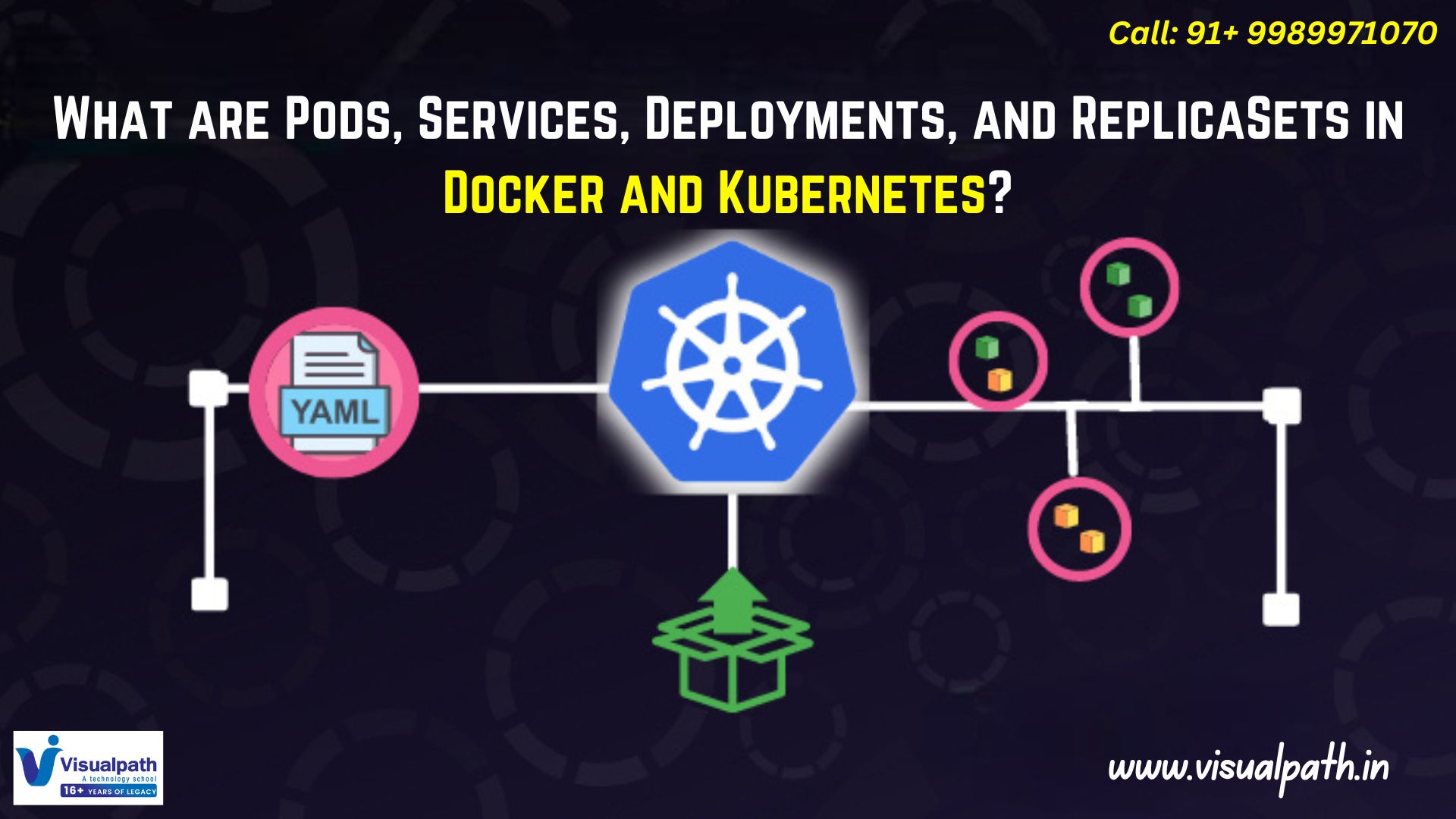
  • Data Science Course in Hyderabad? What is Data Science? A Beginner’s Guide to data science with generative ai

    Data Science Course in Hyderabad? What is Data Science? A Beginner’s Guide to data science with generative ai

    data science course stands as a vital field, empowering businesses, governments, and institutions to harness the value of data for better decision-making. The demand for skilled data scientists continues to soar, making a essential for those seeking to build a career in this dynamic domain. Enrolling in a data science course in Hyderabad offers aspiring data professionals an excellent opportunity to learn, practice, and excel. With a practical curriculum and industry-relevant knowledge, these courses help students gain a solid foundation in data science. This guide offers an overview of data science, its applications, and essential tips for those considering data science training in Hyderabad.

    Understanding Data Science: The Basics

    Data science is an interdisciplinary field that focuses on extracting insights and knowledge from data using various scientific methods, algorithms, and processes. It combines elements from statistics, mathematics, and computer science, as well as domain-specific expertise, to interpret complex data for solving real-world problems. A data science course typically covers fundamental concepts such as data analysis, machine learning, data visualization, and predictive modeling.

    For beginners in data science courses in Hyderabad, the curriculum typically starts with foundational modules on data exploration and visualization, as well as basic programming languages like Python or R. Courses are designed to accommodate a mix of theoretical knowledge and practical applications, ensuring students not only understand the key concepts but also learn how to apply them in real-world scenarios. Given Hyderabad’s status as an emerging tech hub, data science training in Hyderabad often involves collaborations with local industries, providing students with exposure to cutting-edge projects and industry-relevant practices.

    Key Concepts in Data Science

    • Data Collection and Preparation: This stage involves gathering raw data and transforming it into a suitable format for analysis. It includes cleaning data, handling missing values, and standardizing data, making it ready for analysis.
    • Exploratory Data Analysis (EDA): EDA helps data scientists understand the data better by identifying patterns, trends, and relationships within the dataset. It forms the basis for making informed decisions regarding the next steps in data modeling.
    • Machine Learning and Statistical Analysis: Machine learning models are pivotal in data science. From classification and regression to clustering and dimensionality reduction, these algorithms help in extracting meaningful patterns and making predictions from data.
    • Data Visualization: Visualization techniques like graphs, charts, and dashboards communicate insights effectively, making complex data understandable for stakeholders. A data science course in Hyderabad emphasizes data visualization tools, such as Power BI, Tableau, and Matplotlib, to enhance learners’ presentation skills.
    • Communication of Results: Translating data findings into actionable insights is one of the most valuable skills a data scientist can possess. Through courses, students learn to create impactful presentations and reports to make their insights understandable to decision-makers.

    Tips for Succeeding in a Data Science Course

    Enrolling in a data science course in Hyderabad requires commitment and strategic preparation. Here are some tips to make the most of your data science journey:

    • Master the Basics: Building a strong foundation in statistics, programming, and mathematics is crucial for success in data science Generative ai. Beginners should spend extra time understanding these concepts to progress smoothly through more advanced topics.
    • Practice Coding: A significant part of data science involves programming. Regular practice in Python or R, alongside SQL for database management, will give you an edge. Most data science training in Hyderabad includes hands-on projects, so consistently coding will help in mastering practical applications.
    • Engage in Real Projects: Participating in real-world projects and internships is invaluable. Many data science courses in Hyderabad provide opportunities to work on industry projects that allow students to apply their learning in live scenarios. Look for programs that emphasize project-based learning and internships.
    • Utilize Online Resources: Along with classroom instruction, make use of online platforms like Coursera, edX, and Kaggle, which offer a wealth of information and datasets for practice. data science with generative ai course These resources can supplement your coursework and provide additional learning avenues.
    • Network and Collaborate: Building a professional network is beneficial for career growth. Engage with classmates, instructors, and industry professionals. Hyderabad has a vibrant tech community with regular meetups, seminars, and conferences—participating in these events will enhance your learning experience and open doors to potential opportunities.

    Career Prospects and the Future of Data Science

    With data becoming an essential asset for businesses worldwide, the career prospects for data scientists are bright. Hyderabad, known for its thriving IT and tech ecosystem, offers a plethora of opportunities for skilled professionals in data science. Graduates of a data science course in Hyderabad can explore various roles such as data analyst, machine learning engineer, data engineer, and business analyst. As companies increasingly rely on data-driven strategies, the demand for data science professionals is set to grow, making data science a lucrative and future-proof career choice.

    Conclusion

    Embarking on a data science course in Hyderabad provides a comprehensive pathway for individuals looking to delve into the world of data. The structured curriculum, hands-on training, and exposure to industry practices equip students with the skills required to excel in the field of data science. By following the tips provided—mastering the fundamentals, practicing coding, engaging in projects, and networking—students can make the most of their data science training in Hyderabad. As data science continues to evolve, professionals equipped with the right knowledge and skills will be in high demand, positioning them for rewarding careers in an increasingly data-driven world. Whether you are a beginner or an experienced professional, the journey in data science offers endless learning and growth opportunities.

    Advance your career with Visualpath Data Science with Generative Ai Course Hyderabad. Gain hands-on training, real-world skills, and certification. Enroll today for the best Data Science Course. We provide to individuals globally in the USA, UK, etc. Call on: +91 9989971070

    Course Covered:  Data Science, Programming Skills, Statistics and Mathematics, Data Analysis, Data Visualization, Machine Learning, Big Data Handling, SQL, Deep Learning and AI

    WhatsApp: https://www.whatsapp.com/catalog/919989971070/

    Visit us: https://www.visualpath.in/online-data-science-with-generative-ai-course.html 

  • Scrum Master Course: Common Challenges Faced by Scrum Masters and How to Overcome Them

    Scrum Master Course: Common Challenges Faced by Scrum Masters and How to Overcome Them

    Scrum Master Course, participants often explore the complexities and challenges that arise when adopting the Scrum framework in dynamic and ever-evolving work environments. Being a Scrum Master requires much more than a basic understanding of Scrum principles; it demands strong interpersonal skills, conflict resolution capabilities, and the ability to foster team collaboration under pressure. With the demand for efficient project management on the rise, many professionals are turning to Scrum Master Certification Training to enhance their skills and ensure that they can tackle common challenges effectively.

    Challenge 1: Ensuring Clear Communication and Collaboration

    One of the most common challenges Scrum Masters face is establishing clear and consistent communication within the team and among stakeholders. This task is particularly challenging in remote and hybrid environments, where team members may feel isolated or disconnected from the rest of the team. Effective communication is the backbone of any Agile team, as it allows for transparency and alignment of goals, which are essential for successful sprints. Incomplete or inconsistent communication can lead to misunderstandings, missed deadlines, and ultimately, unsatisfactory project outcomes.

    A Scrum Master Certification Training program often emphasizes communication as a core skill. To address communication barriers, Scrum Masters can implement daily stand-up meetings, where team members have a chance to share their progress, voice concerns, and clarify misunderstandings. Encouraging open communication during these sessions creates a culture of trust and transparency. Additionally, Scrum Masters can adopt digital collaboration tools such as Slack, Microsoft Teams, or Jira, which facilitate ongoing communication and ensure that all team members are kept in the loop regarding project updates. By fostering a collaborative environment, Scrum Masters help team members feel supported and motivated to contribute their best work.

    Challenge 2: Managing Stakeholder Expectations

    Another challenge Scrum Masters often encounter is managing the expectations of stakeholders who may not be fully familiar with the Scrum process. Stakeholders sometimes expect immediate results, or they may not understand the iterative nature of Scrum, where value is delivered incrementally. This misalignment can create pressure on the team to produce faster results or deviate from the Agile methodology, potentially undermining the principles of Scrum.

    In a Scrum Master Course, participants learn how to communicate effectively with stakeholders and manage their expectations through regular updates and reviews. One way to manage expectations is to involve stakeholders in sprint reviews, allowing them to see the team’s progress and understand the rationale behind each incremental deliverable. By doing this, Scrum Masters can demonstrate the value of the Agile process, clarifying that quality is prioritized over speed and that consistent progress will lead to successful project completion. Additionally, effective use of the product backlog to showcase planned features and future work can give stakeholders a clear view of the project roadmap, reducing potential misunderstandings.

    Challenge 3: Handling Team Conflicts and Resistance to Change

    Team conflicts and resistance to change are inevitable challenges in any Agile environment. Scrum Masters often encounter resistance from team members who are accustomed to traditional workflows or are hesitant to embrace new methodologies. These conflicts may arise due to differences in work styles, priorities, or misunderstandings about roles within the Scrum framework. Without intervention, conflicts can disrupt the team’s cohesion and productivity.

    Scrum Master Training covers techniques for conflict resolution and offers insights into managing resistance to change effectively. One effective approach for Scrum Masters is to facilitate open discussions about the benefits of the Scrum framework, addressing any doubts or concerns team members may have. Acknowledging and validating team members’ perspectives can help ease resistance and foster a sense of shared purpose. Additionally, regular retrospectives are an opportunity for team members to discuss any grievances or challenges they face, and for the Scrum Master to mediate solutions that enhance team dynamics. By promoting a culture of openness and respect, Scrum Masters can create a positive environment where conflicts are resolved constructively.

    Challenge 4: Navigating Shifting Priorities and Scope Creep

    In fast-paced work environments, it is common for project priorities to shift, which can cause scope creep and lead to confusion within the team. Scrum Masters must constantly balance the need to adapt to changing requirements with the necessity of keeping the team focused on delivering value within each sprint. Scope creep, where additional tasks are added to the project beyond the original plan, can disrupt sprint goals and overwhelm the team.

    A Scrum Master Certification Training program provides participants with strategies to manage scope changes effectively. One effective strategy is to rely on the product backlog and work closely with the Product Owner to prioritize tasks. By consistently evaluating the backlog, Scrum Masters ensure that any adjustments to project scope are planned and align with the team’s current capabilities. Additionally, setting clear boundaries on the scope of each sprint helps prevent the team from becoming overloaded. Educating stakeholders on the implications of scope changes, and emphasizing the need to maintain sprint focus, can minimize unnecessary disruptions and enhance the team’s productivity.

    Challenge 5: Maintaining Team Morale and Motivation

    Lastly, maintaining high morale and motivation within the team can be challenging, especially during demanding sprints or periods of high stress. Without a motivated team, productivity and quality of work can suffer, ultimately impacting the project’s success. A Scrum Master’s role involves recognizing the team’s efforts, acknowledging accomplishments, and encouraging a healthy work-life balance.

    During Scrum Master Training, participants learn techniques for fostering a supportive and positive team environment. Celebrating small wins after each sprint, providing constructive feedback, and acknowledging individual contributions are all effective ways to boost morale. Additionally, Scrum Masters can periodically organize team-building activities to strengthen relationships among team members. By fostering a culture of appreciation and ensuring that team members feel valued, Scrum Masters can enhance overall motivation and productivity.

    Conclusion :

    A Scrum Master Course equips professionals with the skills and knowledge required to navigate the many challenges Scrum Masters face in their roles. From fostering communication and collaboration to managing stakeholder expectations and overcoming resistance to change, a Scrum Master plays a pivotal role in ensuring Agile success. By understanding these challenges and learning effective strategies through Scrum Master Certification Training, professionals are better prepared to address obstacles that may arise and lead their teams toward successful project outcomes.

    In a world where Agile methodologies are increasingly preferred, the role of a Scrum Master is more important than ever. By mastering the skills offered in Scrum Master Training, including conflict resolution, effective communication, and stakeholder management, Scrum Masters can build resilient teams and foster a collaborative work environment. This enables them to not only overcome challenges but also create a sustainable Agile framework that benefits both the team and the organization as a whole.

    Visualpath offers best Scrum Master Course with real-time expert instructors and hands-on projects. Our Scrum Master Certification Training, We provide to individuals globally in the USA, UK, etc. Call +91-9989971070

    Course Covered:

    Jira, Scrumwise, VivifyScrum, Quickscrum, Trello, Asana, Collaboration, Axosoft, Nutcache, Integrations

    Whatsapp:  https://www.whatsapp.com/catalog/919989971070

    Visit: https://www.visualpath.in/online-scrum-master-course.html

  • Salesforce DevOps with Copado Training? The Ultimate Guide to Copado for Salesforce DevOps

    Salesforce DevOps with Copado Training? The Ultimate Guide to Copado for Salesforce DevOps

    The landscape of Salesforce DevOps Training has transformed rapidly with the adoption of DevOps, where speed, agility, and quality are essential. For professionals aiming to leverage Salesforce DevOps Training to manage these dynamics efficiently, Copado offers a comprehensive, streamlined solution. Copado is widely recognized in the Salesforce ecosystem for its extensive DevOps tools, allowing users to optimize workflows, enhance collaboration, and improve deployment efficiency. This guide explores the key aspects of the Salesforce DevOps Course with Copado, covering essential tools, benefits, and strategies for implementing robust DevOps practices in Salesforce development.

    Understanding Salesforce DevOps Training with Copado

    Salesforce DevOps Training equips developers, admins, and IT professionals with skills to implement DevOps practices tailored to Salesforce environments. Copado is a preferred choice within this framework, as it integrates seamlessly with Salesforce, offering tools that automate and simplify development and release cycles. A comprehensive Salesforce DevOps Training experience includes both foundational DevOps principles and practical Copado-based exercises. In a typical Salesforce DevOps Course, participants can expect hands-on training in managing version control, continuous integration (CI), continuous delivery (CD), and quality assurance (QA) testing. By focusing on automation and streamlined workflows, the course ensures professionals can handle frequent deployments without sacrificing quality.

    With Copado, teams gain access to an end-to-end solution that minimizes bottlenecks and encourages collaboration across the entire development cycle. This empowers teams to deliver innovative features at a faster pace, meeting the demands of dynamic Salesforce environments. Copado’s user-friendly interface and automation capabilities make it a popular choice for professionals undergoing Salesforce Devops Online Training. Additionally, the Copado-based Salesforce DevOps Course emphasizes building a collaborative DevOps culture by bridging the gaps between development, testing, and operations teams.

    Key Components of the Salesforce DevOps Course with Copado

    The Salesforce DevOps Course designed around Copado introduces learners to the critical components and strategies essential for successful DevOps practices within Salesforce. Central to this training are core areas like version control management, CI/CD automation, and quality testing—all optimized within Copado’s platform. Here’s a breakdown of the major components covered:

    • Version Control: Salesforce DevOps Training places significant emphasis on version control, where Copado offers Git-based version control, enabling teams to manage code changes and maintain code integrity. This aspect is crucial for tracking changes and ensuring consistent code quality, especially in environments with multiple developers working simultaneously.
    • CI/CD Automation: The training integrates continuous integration and continuous deployment to reduce time-to-market for Salesforce solutions. With Copado, CI/CD processes are automated, removing manual deployment bottlenecks and ensuring seamless transitions from development to production.
    • Automated Testing: Copado incorporates tools for automated testing, which is integral to the Salesforce DevOps Course. Testing ensures code reliability and allows teams to catch potential errors before deployment, resulting in fewer production issues and enhanced code quality.
    • Through Salesforce DevOps Training with Copado, professionals learn to set up automated workflows, manage deployments effectively, and ensure code consistency across environments. These skills are invaluable in maintaining quality standards and accelerating deployment timelines, especially for organizations scaling their Salesforce platforms.

    Advantages of Salesforce DevOps Training and Course Certification with Copado

    Completing a Salesforce DevOps Course centered on Copado provides a competitive edge, equipping professionals with tools and methodologies for effective DevOps implementation in Salesforce. Here are some advantages of pursuing Salesforce DevOps Training with a focus on Copado:

    • Enhanced Efficiency and Speed: By learning to leverage Copado’s automated tools, trainees can perform faster deployments and streamline workflows, improving team efficiency and productivity.
    • Reduced Errors and Downtime: Automated testing and CI/CD reduce the risk of errors in production, resulting in smoother deployments and minimal downtime.
    • Scalability: Copado’s architecture supports scalability, meaning professionals trained on this platform are equipped to manage Salesforce projects of varying complexities.
    • Career Advancement: Salesforce DevOps Training opens career opportunities as businesses increasingly seek skilled Salesforce DevOps engineers and developers proficient in Copado.

    With the in-depth training and hands-on experience provided in the Salesforce DevOps Course, participants are better prepared to meet the rising demand for Salesforce DevOps professionals. This training ultimately helps professionals stay relevant in an evolving Salesforce landscape, where agile and efficient practices are prioritized.

    Best Practices and Tips for Salesforce DevOps with Copado

    To make the most of Salesforce DevOps Training, incorporating best practices is essential. Here are several tips for professionals seeking to excel in their Salesforce DevOps Course:

    • Embrace Automation Early: Automation is key to successful DevOps. Mastering Copado’s automation capabilities will save time and reduce manual intervention.
    • Utilize Copado’s Testing Tools: Copado’s built-in testing tools should be fully utilized during training. Automated testing can identify potential issues and ensure code reliability.
    • Foster Collaboration: A core part of DevOps is collaboration. Salesforce DevOps Training encourages cross-functional teamwork, vital for a cohesive DevOps culture.
    • Commit to Continuous Learning: Salesforce DevOps practices and tools are constantly evolving. Staying updated with Copado’s features and DevOps trends will help professionals adapt to new challenges and opportunities.

    By following these best practices, individuals in the Salesforce DevOps Course can effectively integrate Copado into their workflows, driving successful Salesforce implementations and continuous improvements.

    Conclusion

    The Salesforce DevOps Training with Copado is essential for professionals aiming to enhance their Salesforce development skills and build scalable DevOps practices. With its focus on automation, collaboration, and streamlined workflows, Copado offers a powerful platform for managing Salesforce projects, which is reinforced through Salesforce DevOps Training. By completing a Salesforce DevOps Course, participants gain valuable insights and practical skills that prepare them for the demands of Salesforce DevOps roles. As organizations continue to seek ways to enhance their Salesforce environments, trained Copado professionals will be highly sought-after, making this training a valuable career asset. The integration of Copado in Salesforce DevOps enables professionals to deploy faster, ensure quality, and scale effectively, reinforcing Copado’s position as a leader in Salesforce DevOps solutions.

    Visualpath is the Leading and Best Institute for learning in Hyderabad. We provide salesforce devops certification you will get the best course at an affordable cost.

    Visit: https://www.visualpath.in/online-salesforce-devops-training.html

    Join Us WhatsApp: https://www.whatsapp.com/catalog/919989971070/