Tag: visualpath blogs

  • Cyber Security Course in Hyderabad: From Introductory Skills to Advanced Cyber Threat Intelligence

    Cyber Security Course in Hyderabad: From Introductory Skills to Advanced Cyber Threat Intelligence

    The Cyber Security Course in Hyderabad is designed to equip learners with the foundational knowledge and advanced skills necessary to protect digital assets effectively. As one of the Best Cyber Security Courses available, this program addresses the current cybersecurity landscape, offering insights into potential threats and providing real-world solutions. Whether you’re new to cybersecurity or a professional aiming to enhance your knowledge, this course offers an in-depth curriculum that covers a range of topics, including Cyber Security Online Training options, making it accessible for all.

    Why Choose a Cyber Security Course in Hyderabad?

    The field of cybersecurity is rapidly growing, and Hyderabad has become a central hub for high-quality technical education. With the increasing importance of securing networks, protecting sensitive information, and mitigating cyber threats, employers are highly seeking professionals trained in cybersecurity. The Cyber Security Course in Hyderabad caters to this demand, beginning with introductory modules on fundamental cybersecurity principles. Students gain hands-on experience in topics such as cryptography, risk management, and malware analysis, gradually progressing to more advanced topics like cyber threat intelligence and advanced threat detection.

    Unlike other programs, this Cyber Security Online Training emphasizes interactive learning, enabling students to engage with instructors and collaborate with peers. Real-time lab sessions and simulated environments add value, offering practical experience in tackling cyber incidents. The course also includes certification preparation, allowing students to gain recognized credentials that significantly enhance employability in the cybersecurity field.

    What You’ll Learn in Hyderabad’s Cyber Security Course

    The Cyber Security Course in Hyderabad has a comprehensive curriculum designed to provide a full spectrum of cybersecurity knowledge. In the introductory phase, students learn about cybersecurity essentials, understanding network structures, and identifying potential security vulnerabilities. Additionally, the course emphasizes skills such as ethical hacking, where students learn how to identify, assess, and mitigate vulnerabilities within a secure network environment.

    Advanced modules of this course delve into cyber threat intelligence, teaching students how to track, analyze, and respond to sophisticated cyber threats. This is especially critical, as cyber threat intelligence is essential for organizations aiming to stay proactive against evolving threats. The course also introduces students to tools and techniques used in the industry, making it one of the Best Cyber Security Courses for hands-on experience. Additionally, Cyber Security Online Training ensures flexibility, allowing students to complete coursework at their own pace, making it ideal for working professionals.

    Moreover, this course includes modules on emerging technologies and concepts, such as machine learning applications in cybersecurity and cloud security. These skills prepare learners to address advanced threats in a world where cybercriminals are leveraging artificial intelligence and machine learning to exploit system vulnerabilities. By the end of the program, students gain proficiency in both defensive and offensive cybersecurity measures, an asset that allows them to stand out in the job market.

    Benefits of Cyber Security Online Training for Working Professionals

    One of the major highlights of this Cyber Security Course in Hyderabad is its accessibility for both full-time students and working professionals. With Cyber Security Online Training, participants have the flexibility to balance their studies with work commitments. This online format provides interactive live sessions and recorded lectures, ensuring that learners can engage with the content according to their schedules.

    For working professionals, online training presents an opportunity to advance their skills without disrupting their career trajectories. They can apply new knowledge directly to their current roles, bringing immediate value to their organizations. Furthermore, this course’s focus on advanced cyber threat intelligence positions professionals to become strategic assets, equipped to help their organizations make informed decisions on cybersecurity practices.

    Career Opportunities After Completing the Cyber Security Course in Hyderabad

    Upon completing the Cyber Security Course in Hyderabad, graduates open doors to various career paths, including roles such as cybersecurity analyst, network security engineer, and cyber threat intelligence specialist. With the skills acquired through this course, professionals are well-prepared to take on the responsibilities of monitoring systems, identifying security risks, and implementing strategies to mitigate threats.

    The field of cybersecurity is projected to grow significantly, with cybersecurity professionals consistently in demand across industries such as finance, healthcare, technology, and government. By completing one of the Best Cyber Security Courses available, individuals enhance their profiles, increasing their potential for higher salaries and career advancement.

    Conclusion

    The Cyber Security Course in Hyderabad provides a structured, in-depth approach to building cybersecurity expertise, from foundational concepts to advanced cyber threat intelligence. With the added flexibility of Cyber Security Online Training, this program is accessible to a wide range of learners, from novices to experienced professionals. This course not only enhances employability but also prepares individuals to meet the challenges of modern cybersecurity threats, making it a valuable investment in your professional future.

    Visualpath is the leading software online training institute in Hyderabad. We provide the Best Cyber Security Courses and you will get the course at an affordable cost.

    Attend Free Demo

    Call on – +91-9989971070.

    WhatsApp: https://www.whatsapp.com/catalog/919989971070/

    Visit: https://www.visualpath.in/online-best-cyber-security-courses.html

  • When to Transition to Dynamics 365 Business Central for Enhanced Performance

    When to Transition to Dynamics 365 Business Central for Enhanced Performance

    Dynamics 365 Business Central Online Training is critical for businesses considering a transition to enhance operational efficiency and stay competitive in today’s digital environment. Dynamics 365 Business Central (D365 BC) is a modern ERP (Enterprise Resource Planning) system that integrates seamlessly with other Microsoft applications, offering features for financial management, supply chain operations, and customer relationship management. However, the decision to migrate to a new ERP should be strategic, and the transition timing can significantly impact an organization’s success. Here, we discuss key factors to consider for the switch, how to prepare, and the benefits of this powerful solution. Proper training in Dynamics 365 Business Central Online Training can ensure that team members use the platform to its fullest potential.

    For companies already noticing gaps in their existing systems, Dynamics 365 Business Central Training is vital. Common signs it’s time to transition include inefficient data handling, outdated software with limited integration capabilities, and recurring system errors that increase operational costs. Legacy systems often have data silos, require manual workflows, and lack integration, leading to slower, error-prone processes. For example, if an organization is handling financial management through a separate system and managing inventory manually, it’s at a greater risk of errors and inefficient operations. Microsoft Dynamics 365 Business Central Training can empower employees to manage a unified, automated platform where data is centralized, real-time, and accessible across departments, ultimately streamlining workflows and accelerating decision-making.

    Signs It’s Time to Transition to Dynamics 365 Business Central

    An outdated system that hampers productivity is a clear indicator for change. Legacy systems, with their manual workflows and isolated data, lack the adaptability and flexibility that growing businesses need. They limit the efficiency of key processes and can hinder scalability and growth opportunities. For example, a company expanding its product lines or increasing its workforce may find it challenging to manage new data and workflows on old systems. By implementing Dynamics 365 Business Central Training, companies can ensure that employees can leverage the new ERP’s features to streamline processes, enhance accuracy, and make data-driven decisions faster. The cloud-based infrastructure of Dynamics 365 Business Central supports scalability, enabling organizations to add users or functionalities with minimal disruption.

    Another key reason to consider a transition is when compliance and security requirements are hard to meet. Legacy systems often lack the latest security protocols and may require additional overhead for compliance updates, especially in industries with stringent data privacy laws. Dynamics 365 Business Central, being cloud-based, automatically provides updates and adheres to current security standards, ensuring data protection without extra burden on IT departments. By investing in Dynamics 365 Business Central Course offerings, companies ensure their teams understand and can utilize these security and compliance features effectively, reducing risks associated with data security.

    Benefits of Transitioning to Dynamics 365 Business Central

    Migrating to Dynamics 365 Business Central offers a range of benefits that drive improved performance and cost savings. Firstly, this ERP system unifies core business functions like finance, sales, and inventory management into a single platform, enhancing interdepartmental collaboration. This integration eliminates redundant data entry, reduces errors, and accelerates workflows. The platform’s analytics and reporting tools provide real-time insights, enabling companies to make informed, strategic decisions. However, for teams to take full advantage of these tools, D365 Business Central Training is essential. Effective training enhances user proficiency, empowering employees to interpret data accurately and apply it to optimize processes.

    Another significant advantage is cost efficiency. Being a cloud-based platform, Dynamics 365 Business Central eliminates the need for on-premises infrastructure, reducing hardware and maintenance costs. Furthermore, its scalability means businesses can adjust resources based on demand, preventing the expense of maintaining excess capacity. By investing in Microsoft Dynamics 365 Business Central Training, organizations enable their teams to adapt to these changes confidently, ensuring smooth, uninterrupted workflows and reducing costs associated with implementation downtime.

    Additionally, Dynamics 365 Business Central is ideal for businesses looking to improve their customer service. The platform provides a complete view of customer data, which helps in delivering personalized services, managing orders efficiently, and resolving issues quickly. This feature is critical for industries with a high volume of customer interactions. Through a well-structured Dynamics 365 Business Central Training program, employees can learn to utilize these CRM capabilities to enhance customer satisfaction, streamline communication, and create a competitive edge in their market.

    Preparing for a Successful Transition

    Preparation is crucial when transitioning to a new ERP system. Before making the move, companies should conduct a thorough assessment of their current systems, workflows, and goals. Collaborating with a certified training provider for Dynamics 365 Business Central Course can help businesses develop a tailored training and transition plan based on specific requirements. By identifying essential modules and functionalities that best fit business needs, companies can avoid unnecessary costs and complexities during implementation.

    Employee engagement is also key. By involving teams early in the planning and training process, organizations can foster a sense of ownership and reduce resistance to change. Structured D365 Business Central Training should focus on practical applications relevant to the organization’s daily operations. This can include hands-on sessions, role-specific training, and resources for ongoing learning. When employees are comfortable with the system from the start, they are more likely to use it effectively, resulting in higher adoption rates and a smoother transition.

    Conclusion

    In summary, Dynamics 365 Business Central Online Training is a crucial component for businesses planning to transition to this robust ERP system. The right timing for making the move is when legacy systems become bottlenecks, causing inefficiencies, security risks, and operational challenges. By transitioning to Dynamics 365 Business Central, companies can leverage a unified platform that supports growth, improves collaboration, and reduces operational costs. However, the benefits of this transition can only be fully realized through Microsoft Dynamics 365 Business Central Training and Dynamics 365 Business Central Course offerings, which empower employees to navigate and optimize the platform confidently. With a well-prepared transition plan, comprehensive training, and ongoing support, businesses can harness the power of Dynamics 365 Business Central to drive sustainable growth, innovation, and improved performance across the board.

    Visualpath is the Leading and Best Institute for learning in Hyderabad. We provide Dynamics 365 Business Central Certification Course. You will get the best course at an affordable cost.

    Attend Free Demo

    Call on – +91-9989971070

    What’s App: https://www.whatsapp.com/catalog/919989971070/

    Visit: https://www.visualpath.in/microsoft-dynamics-365-business-central-training.html

  • What are the Different Types of Waits in Cypress Training?

    What are the Different Types of Waits in Cypress Training?

    Introduction:

    Cypress Training is an essential part of mastering modern web testing, as it equips developers and testers with the skills to effectively automate browser-based applications. One of the most crucial aspects of testing with Cypress is understanding how to manage waits. Unlike other testing tools, Cypress offers built-in automatic waits, reducing the need for manual intervention. In this article, we will explore the different types of waits available in Cypress and how they play a pivotal role in ensuring reliable test automation. Additionally, we’ll provide an overview of Cypress, its features, and some useful tips for getting the most out of your Cypress Online Training.

    Cypress Training: Overview of Cypress and Its Features

    Cypress is a modern front-end testing tool built for JavaScript-based web applications. It allows developers and testers to write test scripts that interact directly with the browser, making the process of testing more efficient and faster. One of the key selling points of Cypress is its real-time reloading feature, which automatically updates test results when changes are made to the code. Moreover, Cypress operates directly in the same execution loop as the application, providing deeper integration with the browser’s DOM and API responses.

    Through Cypress Online Training, testers can learn how to take advantage of features like time-travel debugging, where every test step is recorded, allowing users to go back in time to see the state of the application at each point of failure. This makes identifying and fixing bugs much easier than with traditional testing tools. Another standout feature is automatic waiting, where Cypress waits for elements to appear before interacting with them. This automatic behaviour minimizes flakiness in tests, which is often a pain point in test automation.

    In addition to its built-in wait mechanisms, Cypress also supports command logging, which provides a clear view of what each command is doing in real-time. This ensures that developers have full control over their tests and can easily track down issues. The combination of these features makes Cypress an ideal choice for developers looking for fast, reliable, and easy-to-use test automation solutions. As you dive deeper into Cypress Training, understanding waits becomes critical for ensuring your tests run smoothly and consistently.

    Types of Waits in Cypress

    Cypress simplifies handling waits by removing the need for manual waits in many cases, as it automatically waits for elements to be visible, network requests to complete, and DOM elements to load. However, there are times when more specific control over the waiting mechanism is required. Here, we will discuss the main types of waits used in Cypress testing: implicit, explicit, and conditional waits.

    1. Implicit Waits
      Implicit waits are automatically handled by Cypress. Unlike Selenium, which often requires manual waits for elements to load, Cypress has an in-built retry mechanism that waits for assertions and commands to pass before moving forward. For example, when you use commands like cy.get() or cy.visit(), Cypress automatically waits for the page to load or the element to appear. This reduces the chances of flaky tests and improves the overall test stability. Cypress Online Training often emphasizes this feature, as it allows testers to write cleaner and simpler test scripts without the need for additional wait statements.
    2. Explicit Waits
      While Cypress handles implicit waits well, there are instances where you may need more precise control over the timing. Explicit waits are those where the tester manually tells Cypress to wait for a specific condition to be met. This is usually done using commands like cy.wait(). For example, if your test involves waiting for a specific API response before continuing, you can use cy. wait() to pause the test until that response is received. Another common use of explicit waits is when dealing with elements that take longer to load due to animation or external dependencies. Cypress Training teaches how to use explicit waits effectively to ensure that your tests don’t fail prematurely.
    3. Conditional Waits
      Conditional waits are a more advanced type of waiting mechanism where Cypress waits for certain conditions to be met before executing the next steps in the test. For example, you might want to wait for an element to be in a specific state (e.g., enabled, visible) before interacting with it. This can be done using. should() or .then() methods. These commands allow Cypress to wait until the element meets the condition specified in the test. Conditional waits are useful in scenarios where elements or data might change dynamically, and you need to wait for a specific change before proceeding.

    Tips for Effective Cypress Test Automation

    When learning Cypress through Cypress Online Training, it’s important to understand that the correct use of waits is crucial for stable and reliable tests. Here are a few tips for managing waits effectively:

    • Leverage Cypress’ Automatic Waits: Don’t overuse manual waits (cy.wait()) unless necessary. Let Cypress handle most of the waiting by utilizing its automatic retry mechanism.
    • Use Timeouts: If you need to set a maximum wait time, use timeouts to ensure tests don’t hang indefinitely. Cypress allows you to configure timeouts globally or on individual commands.
    • Avoid Arbitrary Waits: Avoid using hard-coded wait times like cy.wait(5000) unless there’s a specific reason. Arbitrary waits can slow down your tests and make them less reliable.
    • Take Advantage of Debugging Tools: Use command logs and. pause() to debug waiting issues in your tests. This will help you identify where your tests are getting stuck or failing.

    Conclusion

    Mastering the different types of waits in Cypress is essential for any tester looking to improve the reliability and speed of their test automation efforts. Cypress Training provides valuable insights into the tool’s automatic and manual waiting mechanisms, helping testers write more efficient and dependable tests. By leveraging implicit, explicit, and conditional waits, you can ensure that your tests are both stable and scalable. Whether you’re new to Cypress or looking to deepen your expertise through Cypress Online Training, understanding waits will help you tackle complex testing challenges with confidence.

    In conclusion, Cypress simplifies web testing with its built-in wait mechanisms, but there are times when more granular control is necessary. By incorporating best practices and tips for managing waits, you can ensure your Cypress tests run efficiently without unnecessary delays or failures.

    Visualpath is the Best Software Online Training Institute in Hyderabad. Avail complete Cypress worldwide. You will get the best course at an affordable cost.

    Attend Free Demo

    Call on – +91-9989971070.

    WhatsApp: https://www.whatsapp.com/catalog/919989971070/

    Visit: https://www.visualpath.in/online-cypress-training-in-hyderabad.html

    Visit our new course: https://www.visualpath.in/online-best-cyber-security-courses.html

  • Advanced Terraform Automation Techniques for Azure Professionals

    Advanced Terraform Automation Techniques for Azure Professionals

    Overview:

    Terraform Automation in Azure Cloud Training enables organizations to simplify infrastructure management by automating deployment tasks across Azure. This automation ensures consistent, repeatable processes, eliminating manual configurations and reducing errors. Whether you are a beginner or an experienced cloud professional, mastering Terraform can boost your career by streamlining infrastructure as code (IaC) practices in Azure.

    In this article, we will explore the fundamentals of Terraform automation, delve into advanced techniques, and outline the best practices for effective deployment in Azure. With keywords like Best Terraform Training and Terraform Automation Online Training, this guide offers practical insights for professionals looking to upskill.

    Benefits of Terraform Automation in Azure

    Terraform is an open-source IaC tool that defines, manages, and provides infrastructure efficiently. Azure, it enables organisations to treat cloud resources as code, promoting faster deployments and consistency. Terraform’s automation capabilities allow for seamless scaling, modification, and deletion of resources without the need for manual intervention.

    Automation is essential for enterprises adopting DevOps strategies, as it ensures that infrastructure is aligned with software delivery pipelines. With Terraform, you can automate complex Azure resources like virtual machines, virtual networks, and storage accounts. This ensures scalability and performance across multi-cloud environments. Many developers opt for Terraform Automation Online Training to understand these automation workflows and design efficient pipelines.

    Advanced Techniques for Azure Professionals

    Experienced professionals can unlock powerful automation techniques by leveraging Terraform modules and remote backends. Best Terraform Training programs emphasize the use of reusable modules, which enable infrastructure to be defined in modular and maintainable chunks. These modules simplify automation by making configurations scalable and consistent across environments.

    Terraform also supports Azure service integrations like Azure Key Vault, Azure Monitor, and Azure Kubernetes Service (AKS). With these services, automated workflows can extend beyond basic infrastructure into areas such as identity management, monitoring, and container orchestration. Terraform state files, hosted in remote backends like Azure Blob Storage, provide version control and collaborative workflows, ensuring stability in multi-user environments.

    By enrolling in Terraform Automation Online Training, professionals learn advanced concepts like automated resource dependency management using Terraform’s graph-based workflow and lifecycle hooks. Additionally, the training explores how to automate infrastructure rollbacks, updates, and environment testing using Azure DevOps pipelines.

    Best Practices for Terraform Automation

    Following best practices is essential to make the most of Terraform automation. Adopting these strategies ensures efficient workflows and minimizes disruptions.

    1. Use Version Control: Store all Terraform configurations in a version-controlled repository like GitHub. This helps track changes and enables rollbacks when necessary.
    2. Modularize Code: Break infrastructure into small, reusable modules. This promotes code reuse and ensures consistency across multiple environments.
    3. Integrate CI/CD Pipelines: Automate the deployment process using CI/CD pipelines. Azure DevOps integration with Terraform ensures continuous infrastructure delivery aligned with software releases.
    4. Manage State Files Securely: Use remote backends like Azure Blob Storage to store Terraform state files securely and ensure collaboration.
    5. Follow Governance Practices: Implement role-based access controls (RBAC) and Azure policies to maintain security and compliance.

    With Best Terraform Training, learners gain hands-on experience in these best practices, equipping them to automate complex environments efficiently.

    Conclusion:

    Terraform automation is a critical component of cloud infrastructure management, especially in Azure environments. By automating resource deployment and management, organizations can achieve greater efficiency and consistency. Professionals interested in leveraging automation should consider enrolling in Terraform Automation in Azure Cloud Training or Terraform Automation Online Training.

    Mastering these techniques ensures professionals stay ahead in the rapidly evolving cloud landscape. With structured learning through the Best Terraform Training, you can unlock new career opportunities and enhance your ability to manage Azure resources effectively through automation.

    Visualpath is the Best Software Online Training Institute in Hyderabad. Avail complete Terraform Automation in Azure Online Training worldwide. You will get the best course at an affordable cost.

    Attend Free Demo

    Call on – +91-9989971070.

    WhatsApp: https://www.whatsapp.com/catalog/919989971070/

    Visit  https://www.visualpath.in/terraform-online-training.html

    Visit our new course: https://www.visualpath.in/online-best-cyber-security-courses.html
  • Docker Online Training What is Docker Compose and How is it Used?

    Docker Online Training What is Docker Compose and How is it Used?

    Introduction:

    Docker Online Training offers an in-depth understanding of how containerization technologies, like Docker and Kubernetes, function in modern application deployment. Docker Compose, one of Docker’s essential tools, simplifies managing multi-container applications. It allows developers to define, configure, and run multiple containers simultaneously with just one command. Paired with Kubernetes, these tools revolutionize the way software is deployed, scaled, and managed. This overview explains Docker Compose’s role and provides tips on effectively using Docker and Kubernetes Course together for efficient container orchestration.

    Docker Online Training: An Essential Tool for Developers

    Docker Compose is a tool designed to handle multi-container Docker applications. In a world where microservices are increasingly the preferred architecture, Docker Compose plays a crucial role in simplifying container management. Traditionally, each container in Docker needs to be started and configured manually, which can be tedious when dealing with complex applications consisting of multiple interconnected containers. Docker Compose resolves this by allowing users to define their multi-container applications in a single docker-compose.yml file.

    This file contains information about all the containers required for the application, including configuration settings, networking details, and data volumes. Instead of starting each container manually, developers can use a single command to deploy all containers at once. This is especially useful when working with environments where services, such as web servers, databases, and cache systems, need to run together. Docker Compose ensures that these services communicate with each other seamlessly, making it an invaluable tool for both development and production environments.

    Incorporating Docker Compose into Docker Online Training ensures developers learn how to manage containerized applications more efficiently. By gaining a deeper understanding of Docker Compose, professionals can enhance their workflow, allowing for faster deployments and simplified development cycles. Using Docker Compose in conjunction with Kubernetes provides a comprehensive solution for managing modern applications.

    How Docker and Kubernetes Work Together

    While Docker Compose is effective in managing multi-container applications on a single host, scaling these applications in a production environment often requires more sophisticated orchestration, which is where Kubernetes comes into play. Kubernetes, an open-source container orchestration platform, excels at automating the deployment, scaling, and management of containerized applications across multiple hosts. When organizations require high availability, fault tolerance, and the ability to manage thousands of containers, Kubernetes becomes the preferred solution.

    Docker handles the containerization aspect, ensuring that the application components are packaged with all their dependencies. On the other hand, Kubernetes takes charge of deploying these containers across multiple nodes in a cluster, ensuring that they are efficiently distributed and can communicate with each other. Additionally, Kubernetes offers features like automatic scaling, load balancing, and self-healing, where it can restart failed containers automatically.

    For developers and IT professionals who want to master both technologies, enrolling in a Docker and Kubernetes Course is essential. This training provides a detailed overview of how to use Docker Compose for development and Kubernetes for production-level orchestration. By leveraging both tools, teams can maintain development agility while ensuring robust and scalable application deployments.

    Tips for Effective Use of Docker Compose with Kubernetes

    1. Define Dependencies Clearly: In Docker Compose, ensure that service dependencies (e.g., web servers relying on databases) are well defined in the docker-compose.yml file. This prevents issues during container start up and ensures smooth inter-service communication.
    2. Optimize Networking: Docker Compose allows you to configure custom networks for your containers. Use this feature to isolate services that do not need to communicate with each other, which improves security and performance.
    3. Transitioning to Kubernetes: When moving from a Docker Compose environment to Kubernetes, tools like Kompose can be helpful. Kompose converts a Docker Compose file into Kubernetes resources (like pods and services), streamlining the migration process.
    4. Use Volume Mounting Wisely: Both Docker Compose and Kubernetes support volume mounting, which is critical for data persistence. Ensure that persistent data, such as database files, are stored on mounted volumes to prevent data loss during container restarts or crashes.
    5. Automate Workflows: Utilize automation tools to handle repetitive tasks like container build and deployment. Both Docker Compose and Kubernetes work well with Continuous Integration/Continuous Deployment (CI/CD) pipelines, making it easier to push new updates without manual intervention.

    Conclusion

    Docker Compose simplifies the management of multi-container applications, providing developers with an efficient way to define, configure, and run containers. When combined with Kubernetes, organizations can scale these applications across clusters of hosts, ensuring high availability and fault tolerance. For developers and DevOps teams looking to harness the full potential of containerized applications, learning these tools is essential.

    Enrolling in Docker Online Training and a comprehensive Docker and Kubernetes Course will equip professionals with the skills to manage containerized applications effectively in both development and production environments. By mastering these technologies, organizations can streamline their application deployment processes and ensure scalability without coding complexities.

    Visualpath is the Best Software Online Training Institute in Hyderabad. Avail complete Docker and Kubernetes worldwide. You will get the best course at an affordable cost.

    Attend Free Demo

    Call on – +91-9989971070.

    WhatsApp: https://www.whatsapp.com/catalog/919989971070/

    Visit: https://www.visualpath.in/online-docker-and-kubernetes-training.html

    Visit Our  New Course: https://www.visualpath.in/online-best-cyber-security-courses.html

  • Executing JavaScript in VS Code in Playwright Automation Training?

    Executing JavaScript in VS Code in Playwright Automation Training?

    When it comes to automation testing, Playwright has emerged as one of the most versatile and powerful tools available today. It allows developers to test web applications across multiple browsers, platforms, and devices with ease. JavaScript, being a universal language for web development, is frequently used in automation testing with Playwright. In this article, we will explore how to execute JavaScript in Visual Studio Code (VS Code) using Playwright automation, a common scenario in test automation. If you’re considering mastering this tool, Playwright Training is essential, and many developers opt for comprehensive Playwright Automation Training or a Playwright Course Online to get started.

    Setting Up Playwright in VS Code

    Before diving into the specifics of executing JavaScript in Playwright within VS Code, it’s crucial to set up your environment. Playwright can be easily integrated into VS Code, making it a preferred option for developers who want to build, execute, and debug automation scripts in a seamless environment.

    Start by installing Node.js, as Playwright relies on Node.js runtime to function properly. Once that is done, open your VS Code and follow these steps:

    1. Open a new terminal in VS Code.
    2. Run npm init to initialize a new Node.js project.
    3. Install Playwright by running npm install @playwright/test in your terminal.
    4. To ensure Playwright installs its required browser binaries, run the command npx playwright install.

    After this setup, you’re ready to execute JavaScript in Playwright for automation tasks. For developers unfamiliar with these steps, enrolling in a Playwright Course Online can simplify the learning process, offering guided tutorials to cover basic and advanced functionalities of Playwright.

    Executing JavaScript in Playwright Automation

    Now that Playwright is set up in VS Code, let’s move on to executing JavaScript. The beauty of Playwright is that it works seamlessly with JavaScript, allowing testers to write and execute scripts that automate real-world interactions in web applications. Below is an example of how you can use Playwright to automate a simple scenario, such as navigating to a webpage and interacting with a button.

    Here’s a sample script in JavaScript using Playwright:

    javascript

    Copy code

    const { test, expect } = require(‘@playwright/test’);

    test(‘test automation with Playwright’, async ({ page }) => {

      // Go to website

      await page.goto(‘https://example.com’);

      // Interact with button

      await page.click(‘button#submit’);

      // Assert page title

      const title = await page.title();

      expect(title).toBe(‘Example Domain’);

    });

    In this example, we are utilizing Playwright’s built-in API to interact with a web page. The script instructs Playwright to navigate to a web page, click a button, and validate the page title. This is just a simple example, but Playwright offers extensive capabilities for complex user interactions, such as form filling, data extraction, and more.

    For professionals who want to go beyond simple scripting and explore advanced scenarios like handling multiple tabs, cross-browser testing, and parallel execution, Playwright Automation Training provides in-depth knowledge and hands-on experience. You’ll be able to work with JavaScript more effectively and tackle advanced automation challenges.

    Debugging JavaScript in VS Code Using Playwright

    One of the main benefits of using VS Code for Playwright automation is its powerful debugging capabilities. When executing JavaScript in Playwright, debugging becomes easier with the VS Code debugger. Here’s how you can use it:

    1. Add breakpoints by clicking on the left-hand gutter of your JavaScript code in VS Code.
    2. Press F5 to start the debugger.
    3. Use the “Debug Console” to interact with your running Playwright scripts.

    Playwright also offers a handy playwright pause command, which pauses the script mid-execution, allowing you to inspect the current state of the page and interact with the browser manually. This is particularly useful for identifying issues during test execution. With proper Playwright Training, you can master debugging techniques and increase the efficiency of your automation tasks.

    Best Practices for Executing JavaScript in Playwright

    1. Modularize Your Code: It’s always a good practice to keep your JavaScript code modular by breaking down complex automation scenarios into smaller, reusable functions.
    2. Error Handling: JavaScript offers great flexibility, but without proper error handling, your scripts may fail during execution. Use try-catch blocks to handle exceptions.
    3. Cross-Browser Testing: One of Playwright’s strongest features is its ability to run tests across different browsers such as Chromium, Firefox, and WebKit. Ensure your JavaScript code runs smoothly across multiple browsers by configuring the test environment accordingly.
    4. Parallel Execution: Playwright supports parallel test execution, allowing you to speed up your test suite significantly. Leverage this feature for high-performance test automation.

    By following these best practices, you’ll ensure that your Playwright JavaScript scripts are efficient, maintainable, and scalable. If you want to explore advanced techniques, many developers opt for a Playwright Course Online to learn best practices and automation strategies from experts.

    Conclusion

    Executing JavaScript in VS Code using Playwright automation is a powerful method for testing web applications across various browsers and devices. From setting up Playwright in VS Code to writing and debugging JavaScript scripts, this approach offers seamless integration and powerful automation capabilities. Whether you are a beginner or looking to enhance your skills, enrolling in Playwright Automation Training or a Playwright Course Online is a great way to fast-track your learning. With the right training, you can master Playwright, automate complex test scenarios, and optimize your web application testing processes.

    Visualpath is the Leading and Best Software Online Training Institute in Hyderabad. Avail complete PlayWright Automation institute in Hyderabad PlayWright Automation  Training Worldwide. You will get the best course at an affordable cost.

    WhatsApp:  https://www.whatsapp.com/catalog/919989971070

    Visit:   https://www.visualpath.in/online-playwright-automation-training.html

  • DevSecOps Training: Unlock the Secrets to Cloud Security

    DevSecOps Training: Unlock the Secrets to Cloud Security

    DevSecOps Training is essential for professionals looking to integrate security into every phase of the cloud development lifecycle. In today’s fast-paced digital world, the importance of security in cloud environments has never been greater. As businesses migrate to the cloud, the integration of security into development practices becomes a critical necessity. This is where DevSecOps Training comes in, offering a streamlined approach to incorporating security into DevOps practices. In this article, we will explore how DevSecOps Training can unlock the secrets to cloud security and help professionals stay ahead in the ever-evolving tech landscape.

    Understanding DevSecOps and its Importance in Cloud Security

    DevSecOps, an acronym for Development, Security, and Operations, is a methodology that integrates security practices within the DevOps framework. It shifts the responsibility of security from isolated teams to a shared responsibility across the development and operations teams. In cloud environments, where agility and scalability are key, this approach is essential. Traditional security methods, often applied late in the software development cycle, are no longer sufficient in addressing the complexities of modern cloud infrastructures.

    Through DevSecOps Training, professionals can learn to implement security measures at every stage of the software development lifecycle. Whether you’re developing, testing, or deploying an application, DevSecOps ensures that security remains a top priority. For those seeking to enhance their cloud security skills, DevSecOps Training in Hyderabad offers the perfect platform to gain hands-on experience in this area. The training equips learners with the knowledge and tools to secure cloud-native applications effectively.

    DevSecOps Training in Hyderabad: A Hub for Cloud Security Learning

    Hyderabad has emerged as a thriving hub for tech education, with numerous institutes offering specialized courses in cloud technologies and security. DevSecOps Training in Hyderabad caters to both beginners and experienced professionals looking to deepen their understanding of cloud security. This training includes practical, real-world scenarios that help participants develop the skills necessary to tackle security challenges in a dynamic cloud environment.

    The growing demand for cloud security experts has made DevSecOps Training in Hyderabad an attractive option for those aspiring to build a career in this field. The training not only covers the theoretical aspects of DevSecOps but also provides hands-on labs and real-world projects. Participants get the chance to work on security automation, continuous integration, and monitoring of security across the entire development pipeline. As more organizations migrate to the cloud, professionals equipped with DevSecOps skills are increasingly sought after, making this training a valuable investment in one’s career.

    Benefits of DevSecOps Training Online

    For individuals who cannot attend classroom-based training, DevSecOps Training Online offers a flexible alternative. This mode of learning allows participants to gain the same high-quality education from the comfort of their homes or offices. Online training programs are designed to be interactive, ensuring that learners can ask questions, engage with instructors, and collaborate with peers. Many professionals find DevSecOps Training Online convenient, as it allows them to balance their learning with work commitments.

    By enrolling in DevSecOps Training Online, professionals can stay up-to-date with the latest trends and best practices in cloud security. The course materials are typically updated regularly to reflect new security threats and advancements in DevSecOps methodologies. Whether you’re new to cloud security or looking to advance your expertise, DevSecOps Training Online provides the tools and resources you need to succeed.

    Conclusion

    DevSecOps Training is essential for anyone looking to unlock the secrets of cloud security. With the rapid growth of cloud technologies, integrating security into every phase of the development process is no longer optional—it’s a necessity. For those in Hyderabad, DevSecOps Training in Hyderabad offers an excellent opportunity to gain practical experience and become proficient in cloud security. For those who prefer the flexibility of remote learning, DevSecOps Training Online provides the same quality education at your convenience

    Visualpath is the leading software online training institute in Hyderabad. Avail complete DevSecOps Training Worldwide. You will get the best course at an affordable cost.

    Attend Free Demo

    Call on – +91-9989971070.

    Visit   https://www.visualpath.in/online-devsecops-training-in-hyderabad.html

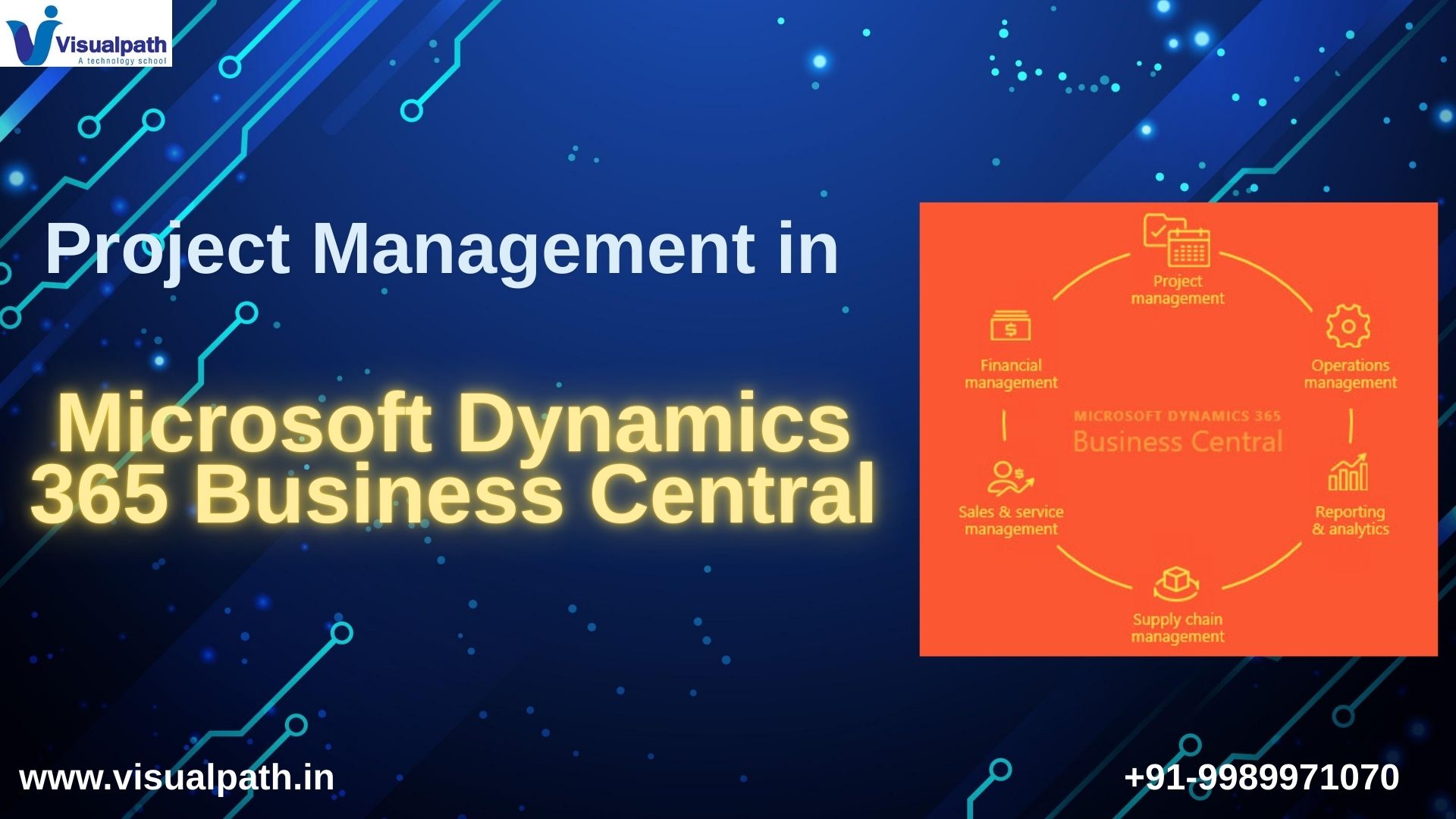
  • How to Improve Project Management in Microsoft Dynamics 365 Business Central Training

    How to Improve Project Management in Microsoft Dynamics 365 Business Central Training

    Project management is an essential function in any business, impacting everything from deadlines to resource allocation. As companies strive for efficiency and productivity, having the right tools in place is critical. Microsoft Dynamics 365 Business Central Training equips organizations with robust features that enhance project management processes. Whether you’re managing small tasks or large-scale projects, Dynamics 365 Business Central provides a flexible platform to streamline operations and ensure success.

    In this article, we will explore how to improve project management in Dynamics 365 Business Central, covering tips and best practices to maximize efficiency. By the end, you’ll see why Dynamics 365 Business Central Online Training is key to mastering this powerful platform.

    Enhance Efficiency with Dynamics 365 Business Central Online Training

    Dynamics 365 Business Central Online Training is essential for project managers looking to harness the full potential of this ERP (Enterprise Resource Planning) solution. With proper training, teams can take advantage of features that automate processes, making it easier to track progress, allocate resources, and ensure timely project completion.

    Centralized Project Management: One of the most significant advantages of Dynamics 365 Business Central is its ability to consolidate all aspects of project management into a single platform. This helps project managers oversee financials, task assignments, resource allocation, and timelines all in one place.

    Resource Optimization: A key aspect of Dynamics 365 Business Central Online Training is learning how to manage resources more effectively. The platform allows you to allocate resources based on availability and expertise, ensuring you get the best possible output while avoiding overwork or bottlenecks.

    Automated Reporting: With the automation tools in Dynamics 365, project managers can generate real-time reports, allowing them to make data-driven decisions. These reports help track KPIs, budgets, and resource utilization, leading to more informed decision-making.

    Maximize Productivity with Dynamics 365 Business Central Training

    Dynamics 365 Business Central Training teaches users how to leverage the platform’s project management modules to boost productivity. Let’s look at some features that help managers and teams stay on top of their game.

    Task and Milestone Tracking: Keeping projects on schedule requires close monitoring of tasks and milestones. With Dynamics 365 Business Central, managers can set milestones, track task progress, and assign responsibilities to team members. Alerts and notifications ensure no deadlines are missed, helping maintain workflow efficiency.

    Budgeting and Financial Control: Another critical component of Dynamics 365 Business Central Training is understanding its financial tools. Project managers can monitor expenditures against budgets in real time, making it easier to spot potential overruns early. This reduces the risk of financial losses and helps ensure projects stay within their financial constraints.

    Integrated Collaboration Tools: Communication and collaboration are crucial to any successful project. Dynamics 365 comes with tools like Microsoft Teams integration, allowing team members to communicate seamlessly, share documents, and collaborate in real-time. This not only speeds up decision-making but also reduces the risk of miscommunication.

    Unlock the Full Potential with the Dynamics 365 Business Central Course

    Participating in a Dynamics 365 Business Central Course is the fastest way to master project management tools within this platform. The course provides in-depth training on specific modules and features designed to help project managers:

    Optimize Workflow Automation: Automating workflows reduces manual tasks and improves accuracy. A Dynamics 365 Business Central Course will teach you how to use automation to streamline routine tasks like billing, invoicing, and report generation. This frees up more time for teams to focus on high-priority tasks.

    Customizing Dashboards: Dashboards provide a snapshot of project health. With proper Dynamics 365 Business Central Training, you can customize these dashboards to display key performance indicators (KPIs) relevant to your projects. This makes it easier to spot issues early and take corrective action before they escalate.

    Advanced Reporting Techniques: Reporting is vital for successful project management. The Dynamics 365 Business Central Course will help you learn advanced reporting techniques, such as creating detailed performance reports that highlight project progress, resource utilization, and financial health. Armed with this data, you can make better strategic decisions.

    Conclusion

    Improving project management with Microsoft Dynamics 365 Business Central Training is not only about adopting a new tool it’s about learning how to maximize its potential through proper education and practice. From resource optimization to advanced reporting and collaboration, Dynamics 365 Business Central Online Training equips project managers with the skills they need to excel.

    Investing in a Dynamics 365 Business Central Course can transform the way your organization manages projects. Whether you’re new to the platform or an experienced user looking to enhance your skills, this comprehensive training will help you unlock its full potential.

    Ultimately, leveraging Dynamics 365 Business Central Training ensures that your projects are not just completed on time but done so with maximum efficiency and resource utilization. Empower your team with the right tools and knowledge, and project management success will follow.

    Visualpath is the Leading and Best Institute for learning in Hyderabad. We provide Dynamics 365 Business Central Certification Course. You will get the best course at an affordable cost.

    Attend Free Demo

    Call on – +91-9989971070

    What’s App: https://www.whatsapp.com/catalog/919989971070/

    Visit: https://www.visualpath.in/microsoft-dynamics-365-business-central-training.html

  • Prompt Engineering Course: Prompt Engineering for Beginners – Simple Strategies for AI Interaction

    Prompt Engineering Course: Prompt Engineering for Beginners – Simple Strategies for AI Interaction

    The Prompt Engineering Course is designed to introduce individuals to the art of interacting effectively with artificial intelligence (AI) models by crafting precise and purposeful prompts. As AI systems become more advanced and accessible, the role of prompt engineering is becoming increasingly vital. Whether you’re using AI to generate text, analyze data, or automate processes, the success of these interactions often hinges on the quality of the prompts provided. For beginners, understanding the fundamentals of prompt engineering is essential for optimizing AI responses. Through structured Prompt Engineering Training, participants learn how to communicate with AI systems in a way that maximizes the accuracy and relevance of the outputs they receive.

    Why Prompt Engineering Matters for AI Interaction

    As artificial intelligence becomes integrated into more industries, from customer service to creative writing, the ability to interact with AI systems has become a highly sought-after skill. The key to successful AI interaction is prompt engineering, which ensures that the AI understands what the user wants and delivers the appropriate response. The Prompt Engineering Training provided in the course teaches beginners how to approach these interactions thoughtfully. Instead of receiving vague or irrelevant outputs, participants learn how to construct prompts that guide the AI to produce more accurate, coherent, and actionable results.

    A major aspect of prompt engineering involves refining prompts through trial and error. For example, a broad or unclear prompt may lead to a response that is too generic or doesn’t address the intended question. Conversely, a well-structured prompt narrows the AI’s focus and provides context, resulting in a more relevant and detailed response. The Prompt Engineering Course emphasizes the importance of iteration, encouraging beginners to experiment with different phrasing and techniques to discover what works best for their specific use cases. As they progress through the course, learners become more adept at identifying the nuances of AI behavior and adjusting their prompts accordingly.

    Another key takeaway from the Prompt Engineering Training is understanding how to balance specificity and flexibility in prompts. While overly rigid prompts may limit the AI’s creative potential, prompts that are too vague can lead to responses that miss the mark entirely. The course introduces techniques that strike a balance between guiding the AI towards a desired outcome while still allowing room for flexibility and innovation. Beginners are taught to craft prompts that are clear and concise, yet open-ended enough to let the AI generate unique and valuable insights. This balance is crucial for achieving high-quality AI interactions, particularly in fields such as content creation, research, and customer service.

    Simple Strategies for Effective Prompt Engineering :

    For beginners, mastering the fundamentals of prompt engineering requires adopting a few simple strategies. In the Prompt Engineering Course, participants are introduced to these foundational techniques, which can be applied across various AI models. By following these strategies, learners can improve the quality of their interactions with AI systems and become more confident in their ability to leverage AI for diverse tasks.

    1. Clarity and Specificity : One of the first lessons taught in the Prompt Engineering Training is the importance of clear and specific prompts. AI systems rely on natural language processing to interpret user inputs, and ambiguity can lead to confusion or incomplete answers. Beginners are encouraged to craft prompts that leave little room for misinterpretation by including specific details, clear instructions, and relevant context. For instance, instead of asking an AI to “explain global warming,” a more specific prompt like “Explain the causes and effects of global warming in terms of human activity and environmental impact” will yield a more targeted response.

    2. Contextual Prompts: Another strategy covered in the Prompt Engineering Course is the use of context to guide AI responses. Including additional background information in the prompt helps the AI understand the broader framework of the request. For example, when asking an AI to generate a business plan, providing details about the industry, target market, and product offering will help the AI tailor its output to the specific needs of the user. By incorporating relevant context into prompts, beginners can steer the AI towards generating more accurate and practical responses.

    3. Iterative Refinement : Iteration is a core concept in the Prompt Engineering Training. Beginners are encouraged to start with a broad prompt and then refine it based on the initial output. Each iteration allows users to clarify their instructions, adding or removing elements to fine-tune the AI’s response. This process of iterative refinement teaches learners how to continuously improve the quality of their prompts and helps them develop a more intuitive understanding of how AI interprets language. The course stresses that prompt engineering is not a one-time activity, but an ongoing process of experimentation and learning.

    4. Prompt Structuring: Another key strategy taught in the course is how to structure prompts effectively. AI models often perform better when prompts are broken down into smaller, manageable parts. For example, instead of asking an AI to summarize a lengthy document in one go, it may be more effective to request a summary of specific sections or topics. This structured approach allows the AI to focus on each part of the task, resulting in a more comprehensive and accurate response. The Prompt Engineering Course provides practical exercises that teach beginners how to structure their prompts in a way that maximizes the AI’s potential.

    Conclusion :

    The Prompt Engineering Course is an essential training program for anyone looking to interact more effectively with AI systems. As AI continues to evolve and become a key tool in various industries, the ability to craft precise and purposeful prompts is crucial. Through Prompt Engineering Training, beginners can develop the skills needed to communicate with AI in a way that ensures accurate, relevant, and actionable responses. By learning strategies such as clarity and specificity, contextual prompting, iterative refinement, and prompt structuring, participants can significantly improve their AI interactions.

    Ultimately, the mastery of prompt engineering empowers individuals to harness the full potential of AI, making it a valuable tool for tasks ranging from content creation to business analysis. Whether you are new to AI or looking to enhance your skills, the Prompt Engineering Course provides the foundation needed to excel in this rapidly growing field.

    Visualpath offers the best Prompt Engineering Course with real-time expert instructors and hands-on projects. Our Prompt Engineering Training, We provide to individuals globally in the USA, UK, etc. Call +91-9989971070

    Course Covered: PromptGen,OpenAI, AI, GitHub, ChatGPT, A/B Testing Tools, Agenta

    WhatsApp:  https://www.whatsapp.com/catalog/919989971070

    Visit: https://www.visualpath.in/prompt-engineering-course.html

  • Azure AI Engineer Training: AI Pricing Models and Cost Management

    Azure AI Engineer Training: AI Pricing Models and Cost Management

    Introduction:

    The AI 102 Certification is designed to help professionals gain expertise in implementing AI solutions using Microsoft Azure. One of the critical aspects of Azure AI is understanding its pricing models and managing costs effectively. As AI continues to evolve, optimizing pricing structures while delivering intelligent solutions becomes crucial for organizations. This content explores various Azure AI pricing models and cost management strategies, providing insights for those pursuing the Azure AI Engineer Training to pass the AI 102 Certification exam.

    Understanding Azure AI Engineer Training Pricing Models

    Microsoft Azure provides a range of AI services that offer different pricing models. These services are designed to suit businesses of all sizes, whether it’s for experimental projects, production workloads, or enterprise-level deployments. Azure offers flexible payment options, including pay-as-you-go, reserved capacity, and subscription-based plans. These models allow organizations to choose pricing structures that align with their budget and usage patterns.

    • Pay-As-You-Go Pricing: This model allows users to pay only for the services they consume without any upfront costs or commitments. It is ideal for businesses that have fluctuating workloads or want to scale their AI solutions over time. For example, Azure Cognitive Services, which includes natural language processing, computer vision, and speech services, charges based on API calls. This flexibility makes it easy to start small and scale as needed, a key concept covered in the AI 102 Certification exam.
    • Reserved Capacity Pricing: Azure offers reserved instances for AI services, where customers can purchase a fixed capacity for a specific time, usually one or three years, at a discounted rate. This is beneficial for organizations with predictable workloads and long-term projects, as it reduces overall costs. Reserved pricing is particularly useful in machine learning models, which require consistent compute power to train models over long periods.
    • Subscription-Based Plans: Azure AI also offers subscription-based plans that provide a fixed monthly rate for certain services. This is ideal for companies that want predictable costs while accessing a comprehensive range of AI tools. Subscriptions also provide enterprise-level features like priority support and advanced analytics, ensuring businesses can build, deploy, and manage AI solutions seamlessly.

    Understanding these pricing models is crucial for those preparing for the Azure AI Engineer Training. Not only do they need to design and implement AI solutions, but they must also optimize costs effectively to maximize return on investment for businesses.

    Cost Management Strategies in Azure AI

    Efficient cost management is an integral part of working with AI on the Azure platform. Managing costs involves monitoring usage, scaling services based on demand, and leveraging Azure’s built-in cost-saving tools. These practices are often highlighted in the AI 102 Certification exam, as they contribute to the overall success of AI projects.

    • Azure Cost Management and Billing Tools: Azure provides various tools to help organizations monitor and manage their AI service expenses. Azure Cost Management allows users to track their spending in real-time, set budgets, and receive alerts when they are close to exceeding their limits. This feature is critical for businesses aiming to keep AI project costs under control. Those undergoing Azure AI Engineer Training are often trained on how to use these tools to ensure they remain within budget.
    • Scaling and Auto scaling: One of the most effective ways to manage costs in Azure AI is to use auto scaling capabilities. By setting auto scaling rules, organizations can ensure that resources are only utilized during peak demand, avoiding unnecessary costs during off-peak times. For instance, if you’re running a natural language processing model that processes high volumes of data during business hours but requires minimal activity at night, autoscaling can adjust resources accordingly.
    • Optimizing Resource Allocation: Another key cost management strategy is right-sizing resources. Azure AI services allow organizations to choose different tiers of computing power and storage based on their needs. Right-sizing ensures that you are not over-provisioning resources, which can lead to higher costs. In the AI 102 Certification, candidates are often required to demonstrate the ability to optimize AI solution architectures to manage costs effectively.

    In addition to these strategies, Azure’s pricing calculators and cost analysis tools enable AI engineers to estimate and forecast expenses before deploying solutions. Mastering these tools is critical for passing the AI 102 Certification exam and ensures that AI solutions are designed with cost-efficiency in mind.

    Tips for Managing Azure AI Costs

    For those pursuing the Azure AI Engineer Training or preparing for the AI 102 Certification, here are some tips to manage Azure AI costs effectively:

    • Use Free Tiers and Trials: Azure provides free tiers and trial offers for various AI services. Make the most of these to explore services without incurring costs. These free resources are a great way to test prototypes before scaling into production.
    • Monitor Usage Regularly: Set up cost alerts and regularly review your usage patterns. This can help in identifying underutilized resources and adjusting your strategy accordingly.
    • Leverage Reserved Instances for Long-Term Projects: For AI projects that require consistent compute resources, opt for reserved instances to save on long-term costs. This will significantly reduce expenses, especially in machine learning model training.
    • Optimize Data Storage: AI solutions often involve large datasets. Use Azure Blob Storage with lifecycle management policies to move data to lower-cost storage tiers when it’s no longer needed for immediate analysis.

    Conclusion

    Mastering Azure AI’s pricing models and effective cost management is essential for any AI professional aiming to design and implement solutions that are both powerful and cost-efficient. For those preparing for the AI 102 Certification or undergoing Azure AI Engineer Training, understanding how to optimize pricing strategies and manage costs is just as important as developing AI models themselves. By leveraging Azure’s flexible pricing options, cost management tools, and best practices, businesses can ensure that their AI solutions not only deliver results but also remain within budget. The ability to balance innovation with cost efficiency will help organizations maximize the potential of Azure AI while staying competitive in the market.

    Visualpath is the Best Software Online Training Institute in Hyderabad. Avail complete Azure AI (AI-102) worldwide. You will get the best course at an affordable cost.

    Attend Free Demo

    Call on – +91-9989971070.

    WhatsApp: https://www.whatsapp.com/catalog/919989971070/

    Visit: https://www.visualpath.in/online-ai-102-certification.html

  • How to Build a Career in GenAI Training: Skills and Certifications

    How to Build a Career in GenAI Training: Skills and Certifications

    Generative AI TrainingThe field of artificial intelligence (AI) has undergone rapid transformation, with Generative AI emerging as one of the most exciting areas in the tech industry. Generative AI involves creating new content—such as images, music, or text—based on existing data, leveraging powerful models like GPT-4 and DALL-E. To build a successful career in Generative AI, it’s essential to acquire the right skills and certifications that are highly valued by employers. Whether you’re starting from scratch or looking to enhance your AI expertise, GenAI Training offers a structured path to mastering this domain.

    Key Skills for a Career in Generative AI

    Before diving into certifications, let’s explore the essential skills required for a successful career in Generative AI.

    1. Programming Knowledge: Proficiency in programming languages, particularly Python, is crucial for building and deploying AI models. Python’s extensive libraries like TensorFlow and PyTorch make it ideal for AI development.
    2. Mathematics and Statistics: A solid understanding of linear algebra, probability, and statistics is critical for grasping the core concepts of AI and machine learning. These skills help in the development of algorithms and understanding how AI models function.
    3. Deep Learning: Generative AI heavily relies on deep learning techniques, especially neural networks. Understanding deep learning architectures, such as GANs (Generative Adversarial Networks) and transformer models, is a must for anyone in the field.
    4. Data Handling Skills: Handling large datasets and preprocessing data for training AI models is a vital part of working in Generative AI. Knowing how to manage and process data efficiently is key to building robust models.
    5. AI Model Training and Tuning: The ability to train and fine-tune AI models for specific tasks is a highly sought-after skill. Understanding how to work with pre-trained models or develop new ones from scratch will set you apart in the field.

    Certifications to Boost Your Generative AI Career

    As the demand for AI professionals grows, having recognized certifications can significantly enhance your employability. A Generative AI Course in Hyderabad or online can help you validate your skills, making you stand out in a competitive job market.

    1. Google Professional Machine Learning Engineer: This certification focuses on designing and building AI solutions using Google Cloud, with an emphasis on machine learning and AI model deployment. It’s an excellent starting point for those looking to dive into Generative AI Training.
    2. DeepLearning.AI TensorFlow Developer: This certification by Coursera focuses on deep learning using TensorFlow, a crucial tool for building AI models. The program covers neural networks, computer vision, and natural language processing (NLP), all of which are important in Generative AI.
    3. Microsoft Certified: Azure AI Engineer Associate: Azure’s AI certification helps you learn to build AI solutions on Microsoft’s cloud platform. As Generative AI often involves cloud infrastructure for scalability, this certification is a valuable addition.
    4. Udacity AI for Everyone Nanodegree: If you’re new to AI, this certification provides a comprehensive introduction to the field, including Generative AI concepts. The course is beginner-friendly and lays a strong foundation in AI technologies.
    5. Advanced Generative AI Specialization: Some training platforms offer specialized certifications focused specifically on Generative AI. These certifications delve into advanced topics like GANs, transformers, and other state-of-the-art AI technologies.
    6. Generative AI Course in Hyderabad: For individuals looking to gain hands-on experience and localized instruction, a Generative AI Course in Hyderabad is a great option. This course typically covers all the essential skills mentioned earlier, while providing practical, project-based learning to ensure real-world application.

    Why Choose Generative AI?

    The increasing relevance of Generative AI in various industries makes it one of the most exciting and promising fields. Whether it’s for creating art, enhancing business processes, or innovating in industries like healthcare, Generative AI has a significant impact. As more businesses adopt AI for content creation, data analysis, and automation, professionals with Generative AI Training will be in high demand. Building a career in this field offers substantial growth potential, competitive salaries, and opportunities to work on cutting-edge technologies that shape the future.

    Conclusion

    Building a career in Generative AI requires a combination of technical skills, a deep understanding of AI technologies, and the right certifications to validate your expertise. By enrolling in specialized courses like GenAI Training, you can position yourself as a leader in this rapidly evolving field. Whether you’re interested in enrolling in a Generative AI Course in Hyderabad or pursuing online certification, acquiring these essential skills and certifications will open the door to a wealth of career opportunities in the tech industry. As AI continues to advance, now is the perfect time to invest in your future with a career in Generative AI.

    Visualpath is the Leading and Best Software Online Training Institute in Hyderabad. Avail complete Gen Ai Training in Hyderabad Worldwide. You will get the best course at an affordable cost.

    Whatsapp: https://www.whatsapp.com/catalog/919989971070/

    Visit   https://www.visualpath.in/online-gen-ai-training.html

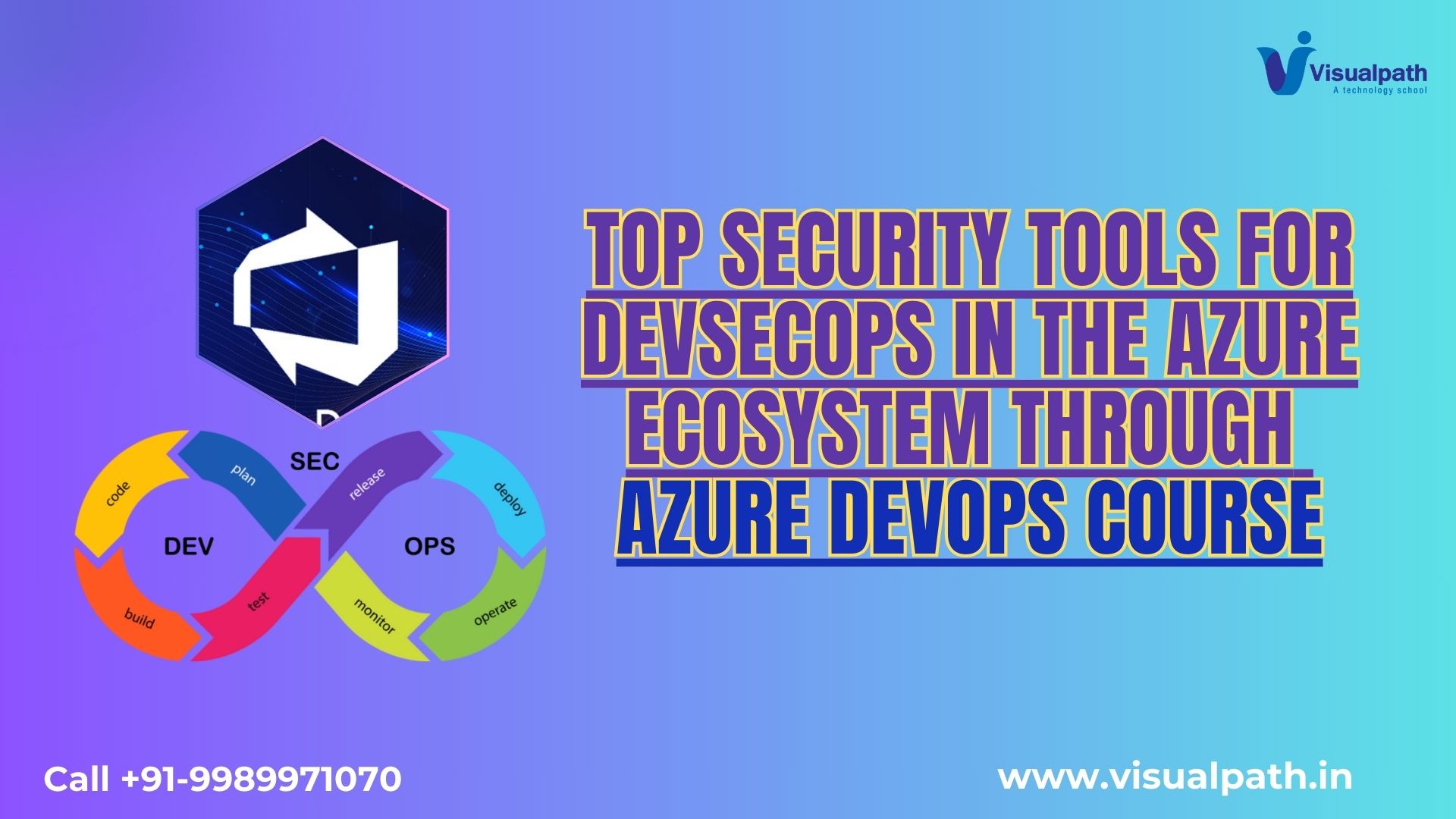
  • Top Security Tools for DevSecOps in the Azure Ecosystem through Azure DevOps Course

    Top Security Tools for DevSecOps in the Azure Ecosystem through Azure DevOps Course

    In the fast-evolving world of cloud computing and software development, ensuring robust security practices has become paramount. DevSecOps, a methodology that integrates security practices into the DevOps lifecycle, is crucial for maintaining secure and reliable applications. For businesses leveraging Azure DevOps, implementing the right security tools is essential. This article will explore some of the top security tools for DevSecOps in the Azure ecosystem and how they help ensure secure development workflows.

    The Azure DevOps course not only trains professionals in development and operations but also equips them with the knowledge to integrate security measures into the process. For those interested in improving their knowledge, Azure DevOps Training in Hyderabad and Azure DevOps Certification Training offer excellent resources to help professionals gain hands-on experience with these tools.

    1. Azure Security Center

    Azure Security Center is one of the core tools in the Azure ecosystem for managing DevSecOps. It provides real-time visibility into the security status of your resources and automatically identifies potential vulnerabilities. By continuously assessing your environment, it helps ensure that security configurations are up to date and aligned with best practices. Azure Security Center supports threat detection by integrating with Azure Defender, offering advanced threat protection for workloads in Azure, on-premises, and in hybrid cloud environments.

    With the help of Azure DevOps Training in Hyderabad, developers and security professionals can learn how to set up and configure Azure Security Center effectively. This can ensure continuous monitoring and threat detection in their CI/CD pipelines.

    2. Azure Policy

    Azure Policy is another powerful tool for maintaining security across your development and operations. It enforces standards and assesses compliance across your environments. This policy-driven approach ensures that all resources in your Azure environment are compliant with your organization’s security and governance policies. Azure Policy can automatically audit existing resources and deny non-compliant resources from being deployed, reducing the risk of security breaches.

    For those undergoing Azure DevOps Certification Training, learning how to effectively configure and enforce policies will help ensure that security is built into the development pipeline from the very beginning. It ensures that resources are secure and compliant even as developers build and deploy applications.

    3. Azure Key Vault

    Securing sensitive data, such as passwords, encryption keys, and certificates, is vital in any cloud environment. Azure Key Vault helps you securely store and manage access to this data, ensuring that your secrets are safeguarded. It integrates with Azure DevOps pipelines to enable automated processes without exposing sensitive information, enhancing security in the DevSecOps workflow.

    Professionals who complete an Azure DevOps course can easily learn how to leverage Azure Key Vault to secure application secrets and automate secret management in their DevOps pipelines. By using Azure Key Vault, you can maintain high-level security standards across development, testing, and production environments.

    4. Azure Defender

    Azure Defender, integrated with Azure Security Center, provides unified advanced threat protection across your workloads. It helps protect critical workloads, such as virtual machines, databases, containers, and more, by detecting and responding to threats in real-time. Azure Defender also uses machine learning and AI to provide proactive security, making it an essential tool for DevSecOps teams to ensure their applications are secure throughout the development lifecycle.

    In the context of Azure DevOps Training in Hyderabad, learning how to integrate Azure Defender into your workflows can significantly enhance your ability to protect workloads from both internal and external threats. Understanding threat detection and response capabilities is essential for any DevSecOps professional working in the Azure ecosystem.

    5. Azure DevOps Pipelines with Integrated Security Scanning

    Azure DevOps Pipelines allow teams to automate their CI/CD processes, ensuring that code is built, tested, and deployed in a continuous manner. When integrated with security tools, such as static code analysis and vulnerability scanning, Azure Pipelines help identify and remediate security issues early in the development process. Tools like WhiteSource and SonarQube can be integrated directly into Azure Pipelines, ensuring that security tests are run alongside functional tests in the CI/CD pipeline.

    For professionals taking Azure DevOps Certification Training, understanding how to set up secure CI/CD pipelines is crucial for implementing secure development workflows. This ensures that security is not an afterthought but an integral part of the development process.

    Conclusion

    In the age of rapid software development, ensuring that security is built into every stage of the development lifecycle is crucial. DevSecOps practices allow organizations to integrate security into their DevOps workflows, and Azure provides a variety of tools to help teams achieve this goal. From Azure Security Center to Azure DevOps Pipelines with integrated security scanning, these tools ensure that your cloud applications are developed and deployed securely.

    Professionals looking to advance their careers in DevOps and security can benefit greatly from Azure DevOps Training in Hyderabad and Azure DevOps Certification Training. By mastering the tools and techniques discussed in this article, they can ensure that security remains at the forefront of their development processes, enabling them to build secure, reliable applications in the cloud.

    Investing in the right training will equip you with the knowledge to make the most of Azure’s DevSecOps capabilities and secure your place in the evolving tech landscape.

    Visualpath is the Best Software Online Training Institute in Hyderabad. Avail complete Microsoft Azure DevOps Training worldwide. You will get the best course at an affordable cost.

    WhatsApp: https://www.whatsapp.com/catalog/919989971070

    Visit   https://www.visualpath.in/online-azure-devops-Training.html

  • Microsoft Dynamics CRM: What is Project Planning in Microsoft Dynamics 365 CRM?

    Microsoft Dynamics CRM: What is Project Planning in Microsoft Dynamics 365 CRM?

    Microsoft Dynamics CRM is a comprehensive tool that assists businesses in managing customer relationships and streamlining operations. One of the key functionalities within Microsoft Dynamics CRM is project planning, particularly in its broader offering, Microsoft Dynamics 365 CRM. Project planning in Microsoft Dynamics 365 CRM enables businesses to efficiently organize, monitor, and execute projects while integrating them with other vital processes, such as sales, marketing, and customer service. This approach allows companies to manage their entire project lifecycle within a single, cohesive platform, helping teams collaborate effectively and ensuring that business goals are met on time and within budget.

    Microsoft Dynamics 365 CRM is more than just a customer relationship management system; it is a versatile platform that combines CRM functionalities with project management tools. For organizations that handle complex projects, such as professional services firms, the integration of project management features within the CRM framework helps streamline both customer interactions and project execution. By utilizing the project planning capabilities of Microsoft Dynamics 365 CRM, businesses can optimize resource allocation, track deliverables, and manage timelines—all while keeping customer satisfaction at the forefront.

    The Project Planning Features in Microsoft Dynamics 365 CRM

    Project planning in Microsoft Dynamics 365 CRM is built around a series of features that make it easy to create, manage, and track projects from start to finish. These features help businesses structure their projects in a way that promotes efficiency, transparency, and collaboration among team members. Some of the core features include:

    1. Project Creation and Resource Allocation: In Microsoft Dynamics 365 CRM, project planning starts with the creation of a detailed project plan. Users can define project objectives, tasks, deadlines, and assign specific roles to team members. The platform allows project managers to allocate resources—such as personnel, equipment, and finances—effectively, ensuring that the right people are working on the right tasks at the right time. The resource allocation feature in Microsoft Dynamics CRM integrates with the broader Dynamics 365 suite, enabling project managers to pull in data from across departments, such as sales and customer service, to ensure that project goals align with broader business objectives.

    2.Task and Milestone Tracking: One of the most critical aspects of project planning is the ability to track tasks and milestones. Microsoft Dynamics 365 CRM offers a robust task management system that allows users to break down projects into smaller, manageable tasks. Each task can be assigned to individual team members, and deadlines can be set to ensure timely completion. The milestone feature in Microsoft Dynamics CRM helps teams focus on critical points in the project, ensuring that key deliverables are met before moving on to the next phase. With real-time updates and notifications, project managers can stay on top of task progress and adjust plans as needed to keep the project on track.

    3. Budgeting and Financial Tracking: Budget management is a crucial element of project planning, and Microsoft Dynamics 365 CRM provides tools for setting and tracking project budgets. Users can define financial parameters for each project, including costs for labor, materials, and other expenses. The platform’s integration with financial modules ensures that project managers can monitor spending against the budget in real-time. The budgeting tools in Microsoft Dynamics CRM also allow for the tracking of billable hours and expenses, which is particularly useful for professional services organizations that need to ensure accurate client billing.

    4. Collaboration and Communication: Collaboration is key to successful project planning, and Microsoft Dynamics 365 CRM includes features that foster teamwork and open communication. Team members can collaborate on tasks through shared workspaces, leaving comments, sharing files, and tracking updates within the platform. Integration with Microsoft Teams and Outlook makes communication seamless, as team members can discuss project details and exchange ideas without leaving the CRM environment. The ability to track communication history ensures that everyone is on the same page, reducing the risk of misunderstandings and project delays.

    5. Gantt Charts and Visual Timelines: For project managers who need a visual representation of project progress, Microsoft Dynamics 365 CRM offers Gantt charts and visual timelines. These tools provide an overview of the project’s progress, showing how tasks and milestones align with the overall project timeline. Gantt charts in Microsoft Dynamics CRM help project managers identify potential bottlenecks and adjust resources or deadlines accordingly. This visual approach to project planning makes it easier to communicate project status to stakeholders and ensure that the team is working towards the same goals.

    6. Integration with Other Dynamics 365 Modules: One of the key advantages of using Microsoft Dynamics 365 CRM for project planning is its integration with other modules in the Dynamics 365 ecosystem. For instance, the platform can integrate with Dynamics 365 for Sales, allowing project managers to align project goals with sales objectives. Additionally, integration with customer service modules ensures that customer expectations are met throughout the project lifecycle. This cross-functional integration is what sets Microsoft Dynamics 365 CRM apart from traditional project management tools, as it provides a unified platform for managing both customer relationships and project execution.

    Conclusion:

    Microsoft Dynamics CRM, particularly through the project planning capabilities in Microsoft Dynamics 365 CRM, offers a powerful solution for managing complex projects and customer relationships simultaneously. From resource allocation and task tracking to budgeting and collaboration, the platform’s project planning features are designed to help businesses streamline their operations and deliver projects on time and within budget. The integration of project management tools with CRM functionalities ensures that organizations can maintain a customer-centric approach while executing projects efficiently.

    By using Microsoft Dynamics CRM for project planning, businesses can benefit from increased transparency, improved collaboration, and better alignment of project goals with overall business objectives. Whether you’re managing large-scale professional service projects or coordinating smaller internal initiatives, the tools provided by Microsoft Dynamics 365 CRM enable teams to stay organized, communicate effectively, and track progress every step of the way. This unified platform ensures that businesses can not only meet customer demands but also drive growth and innovation in a competitive marketplace.

    Learn Microsoft Dynamics CRM expert-led online training courses, including live projects and certification. Join the Microsoft Dynamics 365 Training Courses offered by Visualpath. We also offer Microsoft Dynamics 365 CRM training to individuals globally, including in the USA and UK. Register for a free demo. Call +91-9989971070

    Whatsapp: https://www.whatsapp.com/catalog/919989971070/

    Visit: https://www.visualpath.in/online-microsoft-dynamics-crm.html

  • What Are The Main Functions of Docker?

    What Are The Main Functions of Docker?

    Introduction:

    Docker has revolutionized the way software is developed, shipped, and deployed. As a platform that uses containerization technology, Docker simplifies the process of creating, managing, and running applications in consistent environments. Docker and Kubernetes Training

    Containerization of Applications:

    At the core of Docker’s functionality is containerization. Containers are lightweight, standalone, and executable packages that include everything needed to run a piece of software: code, runtime, system tools, libraries, and settings. This allows developers to isolate applications from their environment, ensuring consistent behavior regardless of where the container runs, whether it’s on a developer’s laptop, a staging server, or in production.

    Portability Across Different Platforms:

    One of Docker’s most notable functions is portability. Docker containers are designed to run consistently across various platforms, including different operating systems, cloud environments, and on-premise servers. This means that an application packaged in a Docker container can be moved seamlessly between development, testing, and production without compatibility issues.

    With Docker, developers can focus on writing code, confident that their applications will run smoothly across different infrastructures. This portability also makes Docker an essential tool for continuous integration and continuous deployment (CI/CD) pipelines, where software is frequently moved between environments. Kubernetes Online Training

    Simplified Dependency Management:

    Managing dependencies is one of the key challenges in software development, especially when working with multiple libraries, packages, and frameworks. Docker solves this by allowing developers to include all dependencies within a container. The Docker container image holds everything the application needs to run, ensuring that it has access to the right version of every dependency.

    Docker eliminates conflicts that often arise from dependency mismatches, particularly in multi-developer teams or when maintaining multiple projects on the same machine.

    Efficient Resource Utilization:

    Compared to traditional virtual machines (VMs), Docker containers are much more lightweight and efficient. While VMs emulate entire operating systems and require substantial resources, Docker containers share the same OS kernel, using fewer resources and allowing for faster startup times.

    This efficient resource utilization means that more containers can run on a single server compared to virtual machines, optimizing infrastructure costs and improving scalability. Docker Online Training

    Version Control for Application Environments:

    Docker provides an essential function through its image version control, which allows developers to track and manage different versions of application environments. Docker images are built from Dockerfiles, which contain a set of instructions that define the environment. Once built, these images can be versioned, tagged, and distributed via Docker Hub or private repositories.

    Isolation and Security:

    Another key function of Docker is the isolation it provides. Each Docker container operates independently and is isolated from other containers and the host machine. This means that issues such as crashes, memory leaks, or security vulnerabilities in one container do not affect others. Docker also enhances security by ensuring that containers have limited access to the host system.

    Conclusion:

    Docker has become an indispensable tool in modern software development due to its core functions: containerization, portability, simplified dependency management, efficient resource utilization, version control, and isolation. By leveraging these features, developers can build, ship, and run applications in a more consistent, secure, and efficient manner.

    Visualpath is the Leading and Best Institute for learning Docker and Kubernetes Online in Ameerpet, Hyderabad. We provide Docker Online Training Course, you will get the best course at an affordable cost.

    Visit: https://www.visualpath.in/DevOps-docker-kubernetes-training.html

    WhatsApp : https://www.whatsapp.com/catalog/919989971070/

  • The Benefits of Using Copado? for Salesforce Deployment

    The Benefits of Using Copado? for Salesforce Deployment

    Introduction

    Salesforce DevOps Online Training In today’s fast-paced business environment, organizations rely on efficient and effective software deployment to maintain a competitive edge. For Salesforce users, managing deployments can be a complex and time-consuming task. Enter Copado—a powerful DevOps solution specifically designed for Salesforce. Salesforce DevOps Training

    Streamlined Deployment Processes

    One of the primary advantages of using Copado is its ability to streamline deployment processes. Traditional deployment methods often involve manual tasks that can lead to errors and inconsistencies. Copado automates many of these processes, allowing teams to focus on higher-value activities.

    Key Points:

    • Automation: Copado automates deployment tasks, reducing the risk of human error.
    • Version Control: With built-in version control, teams can easily track changes and manage different versions of code.
    • Rollback Options: In case of issues, Copado provides simple rollback options, ensuring a smoother recovery process.

    Enhanced Collaboration

    Copado fosters collaboration among team members, which is crucial for successful deployments. By providing a centralized platform, it encourages communication and teamwork, making it easier for teams to work together.

    Key Points:

    • Centralized Repository: All team members have access to a single source of truth for all deployment-related information.
    • Real-Time Updates: Teams can see real-time updates on deployment status, facilitating quicker decision-making.
    • Integrated Communication Tools: Copado integrates with popular communication tools, making it easier for teams to discuss changes and share feedback.

    Improved Quality and Compliance

    Quality assurance is vital in any deployment process, and Copado helps enhance quality through its robust features. It ensures that changes are properly tested and validated before going live.

    Key Points:

    • Automated Testing: Copado supports automated testing, which helps identify issues early in the deployment cycle.
    • Compliance Checks: The platform includes built-in compliance checks to ensure that all changes adhere to organizational standards.
    • Audit Trails: Detailed audit trails provide transparency and accountability for every salesforce deployment, making it easier to address compliance concerns.

    Increased Speed to Market

    In a competitive landscape, the ability to deploy quickly can make a significant difference. Copado helps organizations accelerate their deployment timelines, allowing them to respond faster to market demands.

    Key Points:

    • Fast Track Releases: Automated processes and streamlined workflows enable quicker releases.
    • Parallel Deployments: Teams can execute multiple deployments simultaneously, reducing bottlenecks. Salesforce DevOps with Copado Training 
    • Continuous Integration and Continuous Delivery (CI/CD): Copado supports CI/CD practices, further speeding up the deployment lifecycle.

    Conclusion

    Incorporating Copado into your Salesforce deployment strategy can lead to numerous benefits, from streamlined processes and enhanced collaboration to improved quality and faster time to market. By leveraging automation and integrated tools, organizations can focus on innovation rather than getting bogged down in manual tasks. For any Salesforce user looking to optimize their deployment process, Copado offers a robust solution that aligns perfectly with today’s agile business needs. Embracing Copado is not just a choice; it’s a strategic move toward a more efficient and productive future in Salesforce deployment.

    Visualpath is the Leading and Best Institute for learning in Hyderabad. We provide Salesforce DevOps Training you will get the best course at an affordable cost.

    WhatsApp: https://www.whatsapp.com/catalog/919989971070/

    Visit: https://visualpath.in/salesforce-devops-online-training.html