Tag: Scrum Master Course in Hyderabad

  • Scrum Master Crash Course: A Beginner’s Guide to Agile Leadership

    Scrum Master Crash Course: A Beginner’s Guide to Agile Leadership

    Scrum Master plays a crucial role in ensuring the success of this process by guiding teams, removing obstacles, and fostering a culture of continuous improvement. If you’re new to Agile and want to understand the fundamentals of being a Scrum Master Classes, this crash course is for you

    What Is a Scrum Master?

    A Scrum Master is not a traditional project manager but rather a servant leader who empowers Agile teams. Their primary responsibilities include:

    • Facilitating Scrum events (daily stand-ups, sprint planning, sprint reviews, and retrospectives).
    • Removing roadblocks that hinder the team’s progress.
    • Coaching team members on Agile best practices.
    • Encouraging collaboration between stakeholders Scrum Master Online Training
    • Ensuring adherence to Scrum principles while fostering adaptability.

    By effectively guiding the team, a Scrum Master enhances productivity and ensures that Agile values are upheld.

    Understanding the Scrum Framework

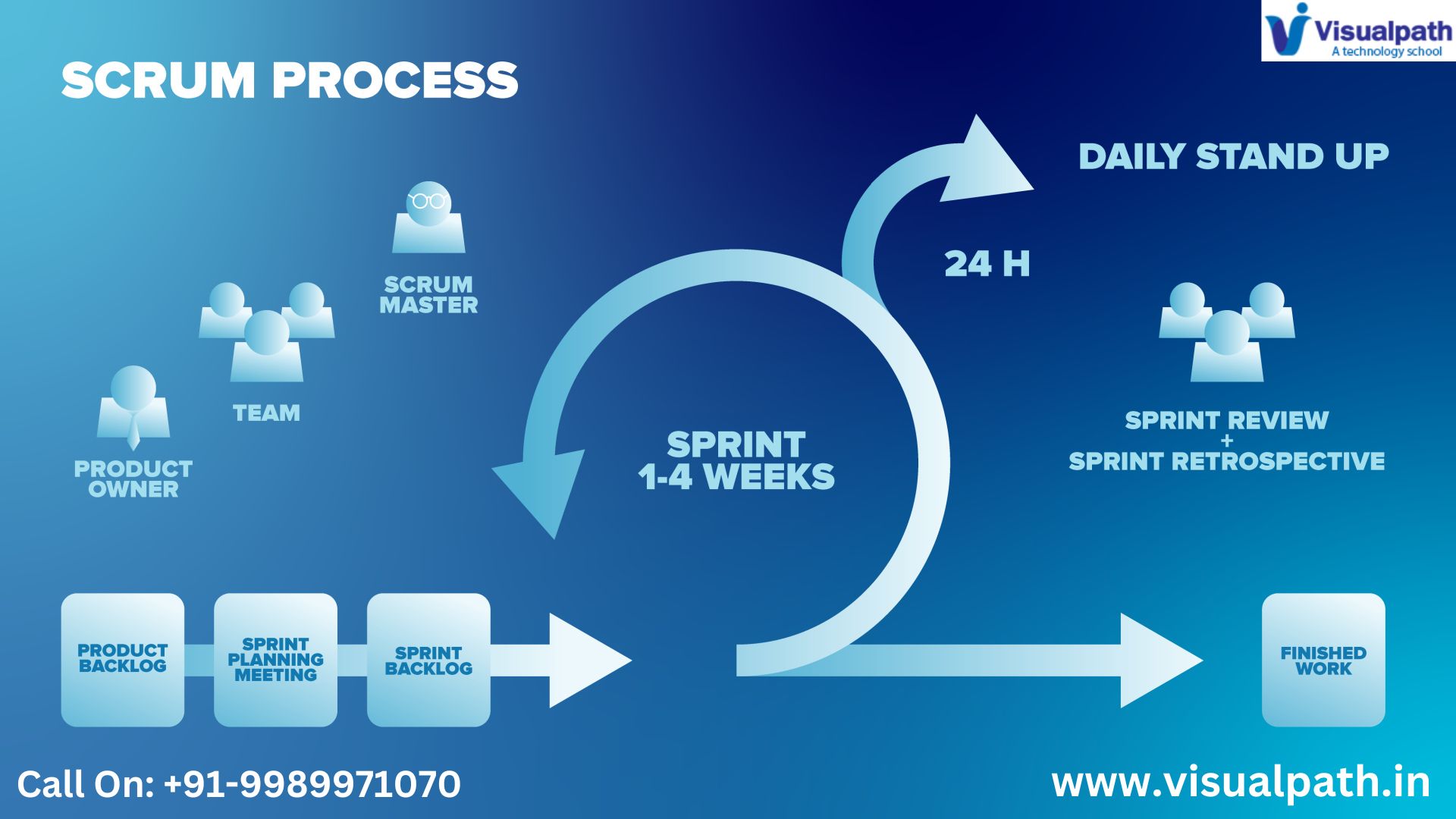
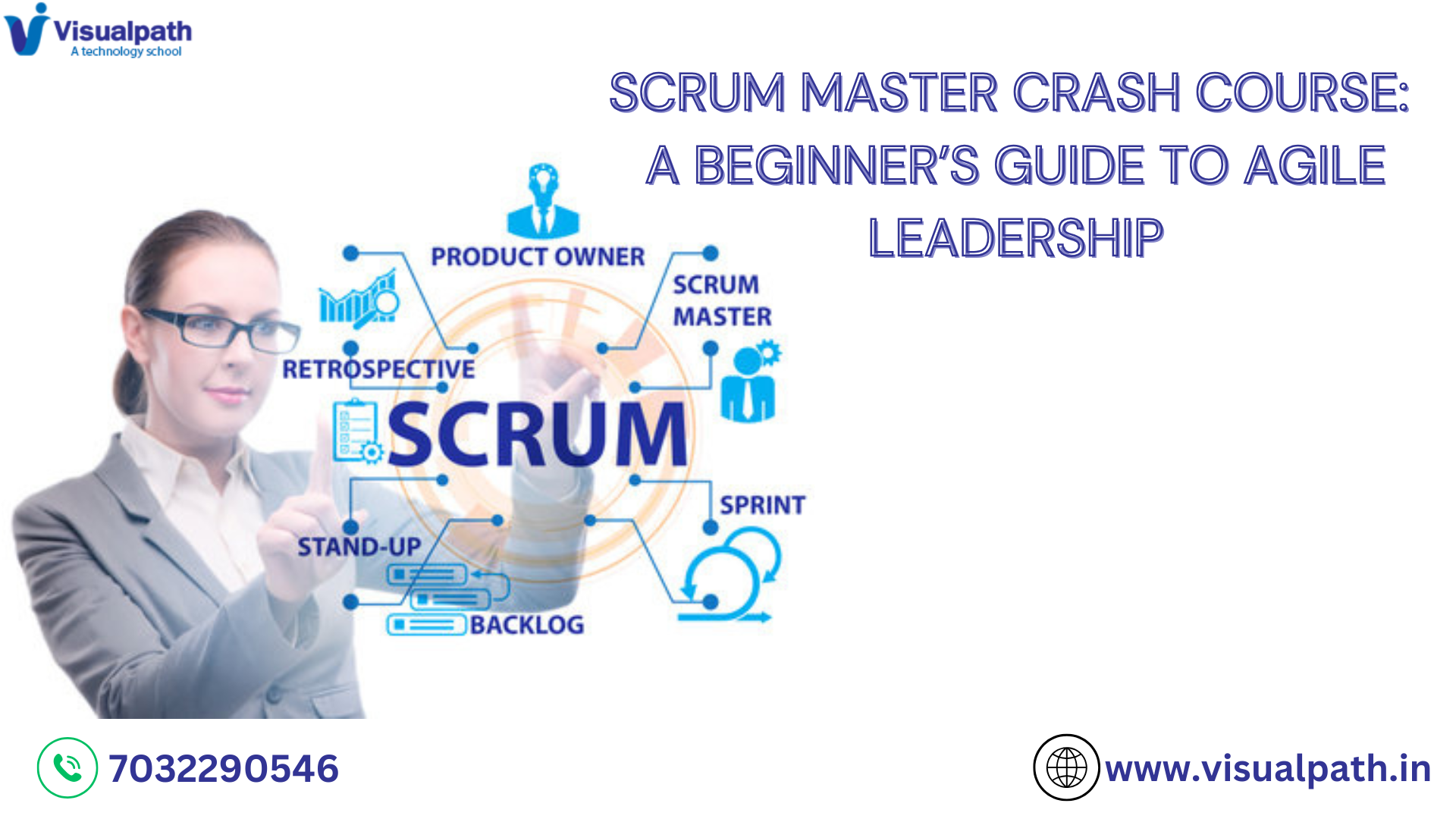
    To be an effective Scrum Master, it’s essential to understand the Scrum framework, which consists of three key elements:

    1. Scrum Roles
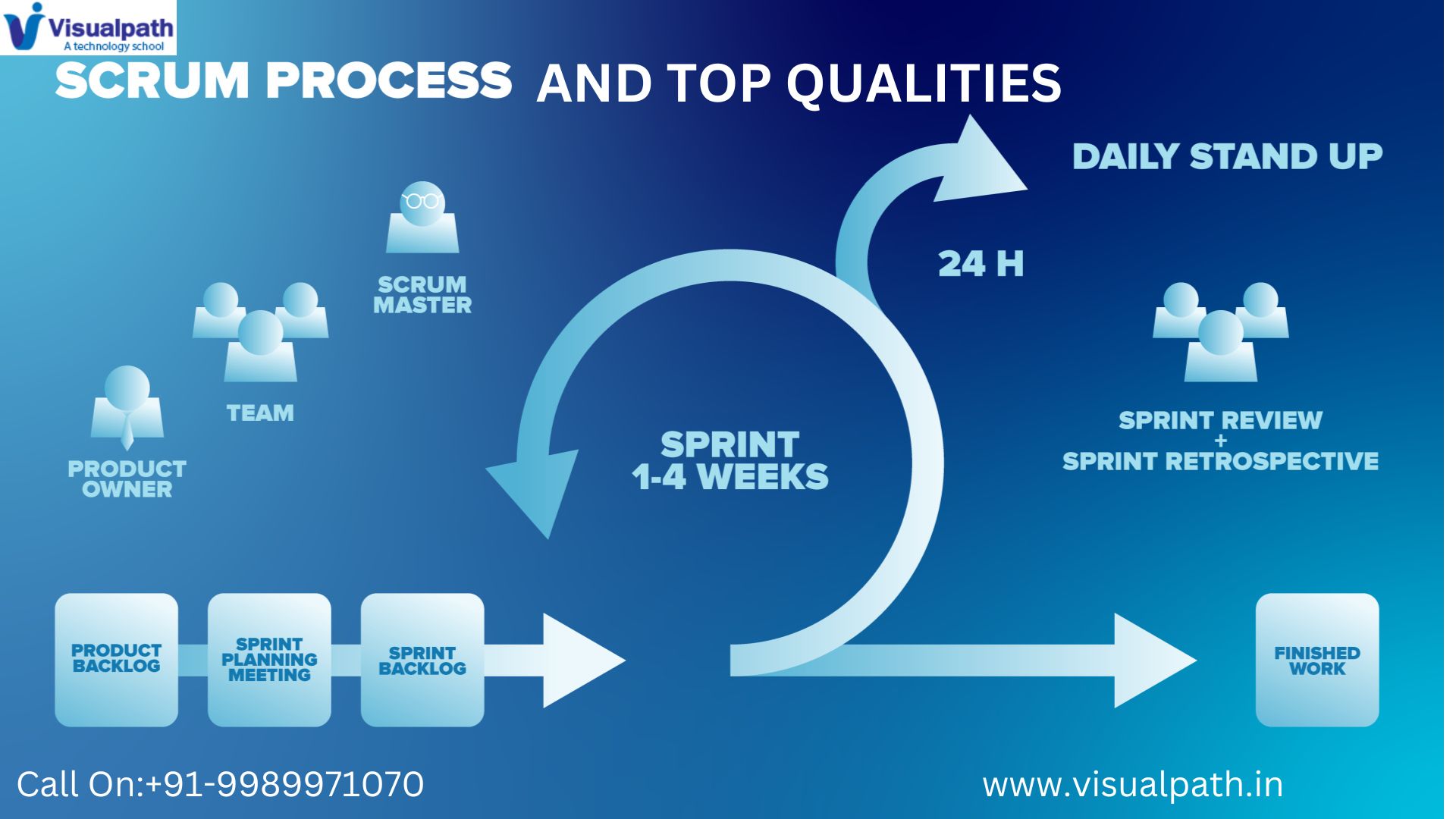
      • Scrum Master – Facilitates the Scrum process and removes impediments.
      • Product Owner – Represents the customer and defines the product backlog.
      • Development Team – Cross-functional members who build the product incrementally.
    2. Scrum Events
      • Sprint – A time-boxed iteration (typically 1-4 weeks) where work is completed.
      • Daily Scrum (Stand-up) – A 15-minute meeting where the team discusses progress and roadblocks.
      • Sprint Planning – A meeting where the team decides what work will be completed during the sprint.
      • Sprint Review – A session to showcase completed work to stakeholders.
      • Sprint Retrospective – A reflection meeting to improve processes for the next sprint.
    3. Scrum Artifacts
      • Product Backlog – A prioritized list of tasks and features Scrum Master Course in Hyderabad
      • Sprint Backlog – A subset of the product backlog chosen for the current sprint.
      • Increment – The completed work at the end of each sprint.

    Essential Skills for a Scrum Master

    To be a successful Scrum Master, you need a mix of technical and soft skills, including:

    • Facilitation & Communication – Ensuring smooth collaboration among team members and stakeholders.
    • Problem-Solving – Identifying and addressing obstacles that slow the team down.
    • Servant Leadership – Empowering the team rather than commanding them.
    • Agile Mindset – Adapting to change and fostering continuous improvement.

    Common Challenges and How to Overcome Them

    • Resistance to Change: Some teams struggle with adopting Agile. A Scrum Master can ease the transition by demonstrating small wins and educating stakeholders.
    • Lack of Clarity in Requirements: Encourage regular collaboration with the Product Owner to refine the backlog.
    • Unrealistic Deadlines: Help teams set achievable sprint goals to prevent burnout.

    Getting Started as a Scrum Master

    If you’re looking to become a Scrum Master, here’s how to start:

    • Learn Scrum Fundamentals – Read the Scrum Guide and explore Agile resources.
    • Gain Hands-on Experience – Join an Agile team or take part in simulated Scrum projects.
    • Get Certified – Certifications like Certified Scrum Master (CSM) or Professional Scrum Master (PSM) boost credibility.
    • Keep Learning – Agile is constantly evolving, so stay updated with new trends and practices.

    Conclusion

    A Scrum Master plays a vital role in guiding Agileteams toward success. By mastering the Scrum framework, honing leadership skills, and continuously improving, you can help teams achieve their goals efficiently. Whether you’re transitioning from another role or starting fresh, embracing Agile principles will set you on the path to becoming an effective Scrum Master.

    Visualpath is the Leading and Best Software Online Training Institute in Hyderabad.

    For More Information about Scrum Master Training

    Contact Call/WhatsApp:  +91-7032290546

    Visit: https://www.visualpath.in/online-scrum-master-course.html
  • Scrum Master vs. Project Manager: Understanding the Key Differences

    Scrum Master vs. Project Manager: Understanding the Key Differences

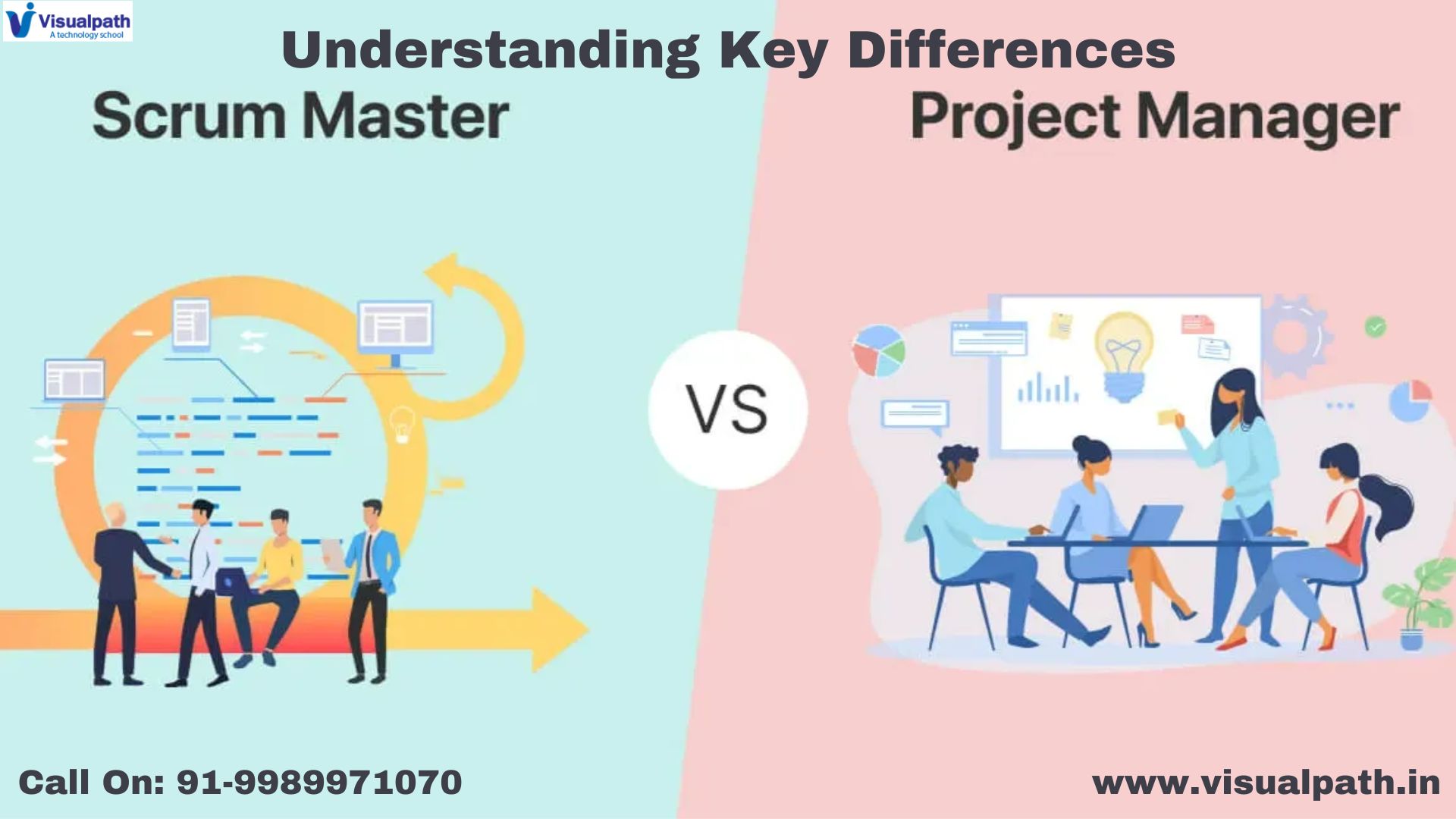
    Scrum Master Course realm of project management and Agile methodologies, the roles of Scrum Master and Project Manager are often conflated. However, they serve distinct functions within their respective frameworks. This article delves into the core differences between a Scrum Master and a Project Manager, highlighting their unique responsibilities and approaches.

    Defining the Roles

    Scrum Master: A Scrum Master Training is a facilitator within the Scrum framework, an Agile methodology designed to enhance team collaboration and efficiency. They ensure that the team adheres to Scrum principles, facilitate meetings, remove impediments, and foster an environment conducive to continuous improvement.

    Project Manager: A Project Manager oversees the planning, execution, and completion of projects. Their responsibilities encompass defining project scope, setting timelines, managing budgets, allocating resources, and mitigating risks to ensure project objectives are met.

    Key Responsibilities

    Scrum Master:

    • Facilitating Scrum Events: Organize and lead daily stand-ups, sprint planning, reviews, and retrospectives to ensure effective collaboration.
    • Removing Impediments: Identify and eliminate obstacles that hinder the team’s  progress, enabling a smooth workflow.
    • Coaching the Team: Guide team members in understanding and implementing Scrum practices, promoting self-organization and accountability.

    Project Manager:

    • Project Planning: Develop comprehensive project plans outlining tasks, timelines, and Scrum Master Certification Training resource allocation.
    • Budget Management: Monitor project expenditures to ensure alignment with the allocated budget.
    • Risk Management: Identify potential risks and implement strategies to mitigate them, ensuring project stability.

    Approach to Work

    Scrum Master:

    • Servant Leadership: Focus on serving the team by facilitating processes and removing obstacles, empowering team members to make decisions.
    • Empirical Process Control: Emphasize iterative progress through sprints, allowing for regular inspection and adaptation.

    Project Manager:

    • Directive Leadership: Provide clear directives and manage the team’s tasks to align  Scrum Master Online Training with the project plan.
    • Predictive Planning: Utilize detailed upfront planning to predict project outcomes and manage deviations.

    Decision-Making Authority

    Scrum Master: Does not hold decision-making authority over project scope or timelines; instead, facilitates the team’s decision-making process.

    Project Manager: Holds authority to make decisions regarding project scope, timelines, and resource allocation to meet project objectives.

    Focus Areas

    Scrum Master:

    • Team Dynamics: Enhance team Scrum Master Certification Online collaboration and communication.
    • Process Improvement: Continuously seek ways to improve team processes and efficiency.

    Project Manager:

    • Project Deliverables: Ensure that all project outputs meet the specified requirements.
    • Stakeholder Management: Maintain effective communication with stakeholders to align project outcomes with expectations.

    Conclusion

    While both Scrum Masters and Project Managers aim to deliver successful projects, their roles are tailored to different methodologies and approaches. A Scrum Master thrives in an Agile environment, focusing on facilitating team processes and fostering a culture of continuous improvement. In contrast, a Project Manager operates within a more traditional framework, emphasizing structured planning, control, and direct management of project variables. Understanding these distinctions is crucial for organizations to assign the right roles based on their project management approach and objectives

    Visualpath is the Leading and Best Software Online Training Institute in Hyderabad. Avail complete Scrum Master Course Worldwide. You will get the best course at an affordable cost.

  • Scrum Master vs. Project Manager: Understanding the Key Differences

    Scrum Master vs. Project Manager: Understanding the Key Differences

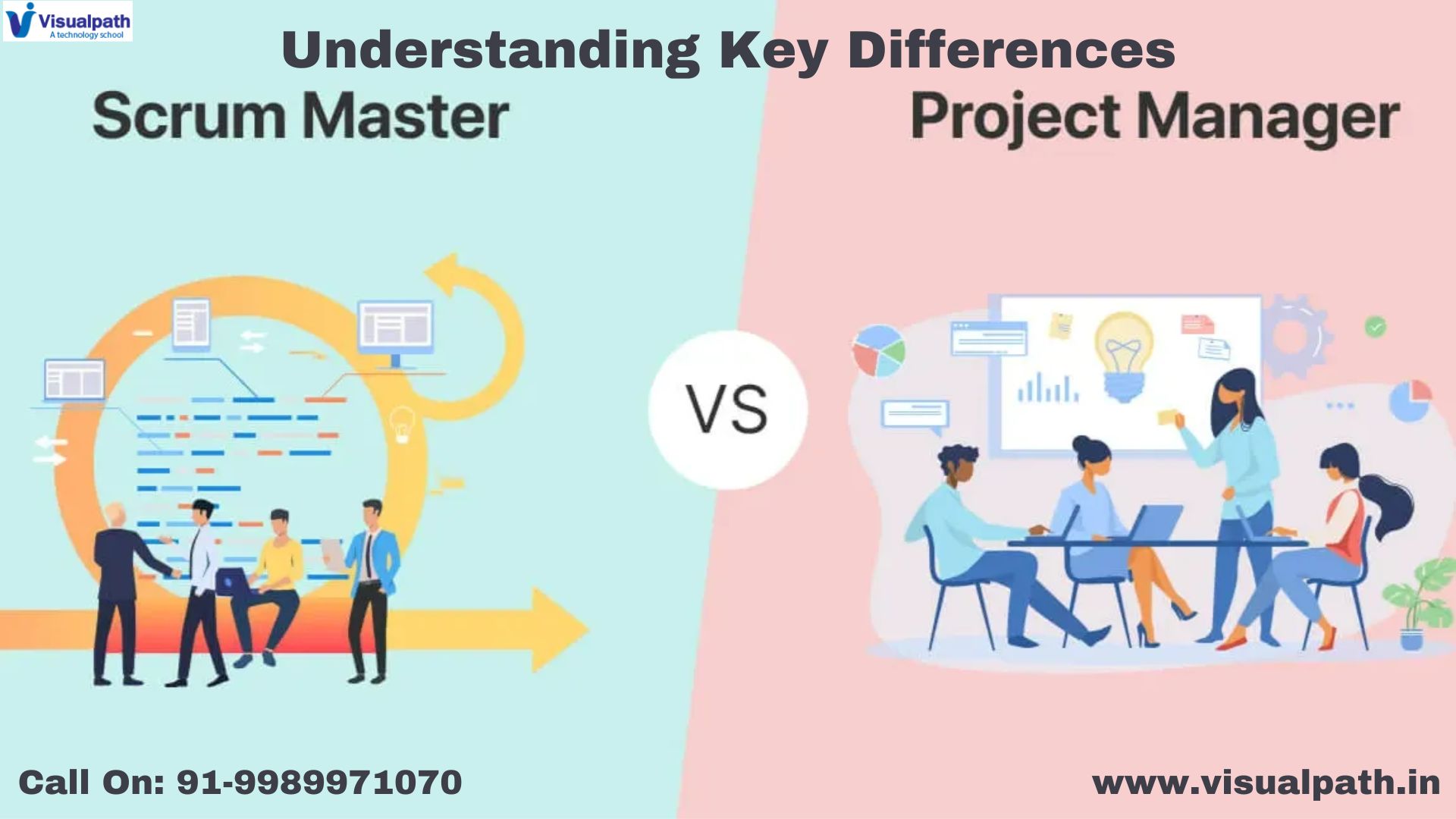
    Scrum Master Course realm of project management and Agile methodologies, the roles of Scrum Master and Project Manager are often conflated. However, they serve distinct functions within their respective frameworks. This article delves into the core differences between a Scrum Master and a Project Manager, highlighting their unique responsibilities and approaches.

    Defining the Roles

    Scrum Master: A Scrum Master Training is a facilitator within the Scrum framework, an Agile methodology designed to enhance team collaboration and efficiency. They ensure that the team adheres to Scrum principles, facilitate meetings, remove impediments, and foster an environment conducive to continuous improvement.

    Project Manager: A Project Manager oversees the planning, execution, and completion of projects. Their responsibilities encompass defining project scope, setting timelines, managing budgets, allocating resources, and mitigating risks to ensure project objectives are met.

    Key Responsibilities

    Scrum Master:

    • Facilitating Scrum Events: Organize and lead daily stand-ups, sprint planning, reviews, and retrospectives to ensure effective collaboration.
    • Removing Impediments: Identify and eliminate obstacles that hinder the team’s  progress, enabling a smooth workflow.
    • Coaching the Team: Guide team members in understanding and implementing Scrum practices, promoting self-organization and accountability.

    Project Manager:

    • Project Planning: Develop comprehensive project plans outlining tasks, timelines, and Scrum Master Certification Training resource allocation.
    • Budget Management: Monitor project expenditures to ensure alignment with the allocated budget.
    • Risk Management: Identify potential risks and implement strategies to mitigate them, ensuring project stability.

    Approach to Work

    Scrum Master:

    • Servant Leadership: Focus on serving the team by facilitating processes and removing obstacles, empowering team members to make decisions.
    • Empirical Process Control: Emphasize iterative progress through sprints, allowing for regular inspection and adaptation.

    Project Manager:

    • Directive Leadership: Provide clear directives and manage the team’s tasks to align  Scrum Master Online Training with the project plan.
    • Predictive Planning: Utilize detailed upfront planning to predict project outcomes and manage deviations.

    Decision-Making Authority

    Scrum Master: Does not hold decision-making authority over project scope or timelines; instead, facilitates the team’s decision-making process.

    Project Manager: Holds authority to make decisions regarding project scope, timelines, and resource allocation to meet project objectives.

    Focus Areas

    Scrum Master:

    • Team Dynamics: Enhance team Scrum Master Certification Online collaboration and communication.
    • Process Improvement: Continuously seek ways to improve team processes and efficiency.

    Project Manager:

    • Project Deliverables: Ensure that all project outputs meet the specified requirements.
    • Stakeholder Management: Maintain effective communication with stakeholders to align project outcomes with expectations.

    Conclusion

    While both Scrum Masters and Project Managers aim to deliver successful projects, their roles are tailored to different methodologies and approaches. A Scrum Master thrives in an Agile environment, focusing on facilitating team processes and fostering a culture of continuous improvement. In contrast, a Project Manager operates within a more traditional framework, emphasizing structured planning, control, and direct management of project variables. Understanding these distinctions is crucial for organizations to assign the right roles based on their project management approach and objectives

    Visualpath is the Leading and Best Software Online Training Institute in Hyderabad. Avail complete Scrum Master Course Worldwide. You will get the best course at an affordable cost.

    WhatsApp: https://www.whatsapp.com/catalog/919989971070/

    Visit: https://www.visualpath.in/online-scrum-master-course.html
    Visit Blog: https://scrummasteronlinecourse.blogspot.com/

  • What Are the Three Key Roles in Scrum Master

    What Are the Three Key Roles in Scrum Master

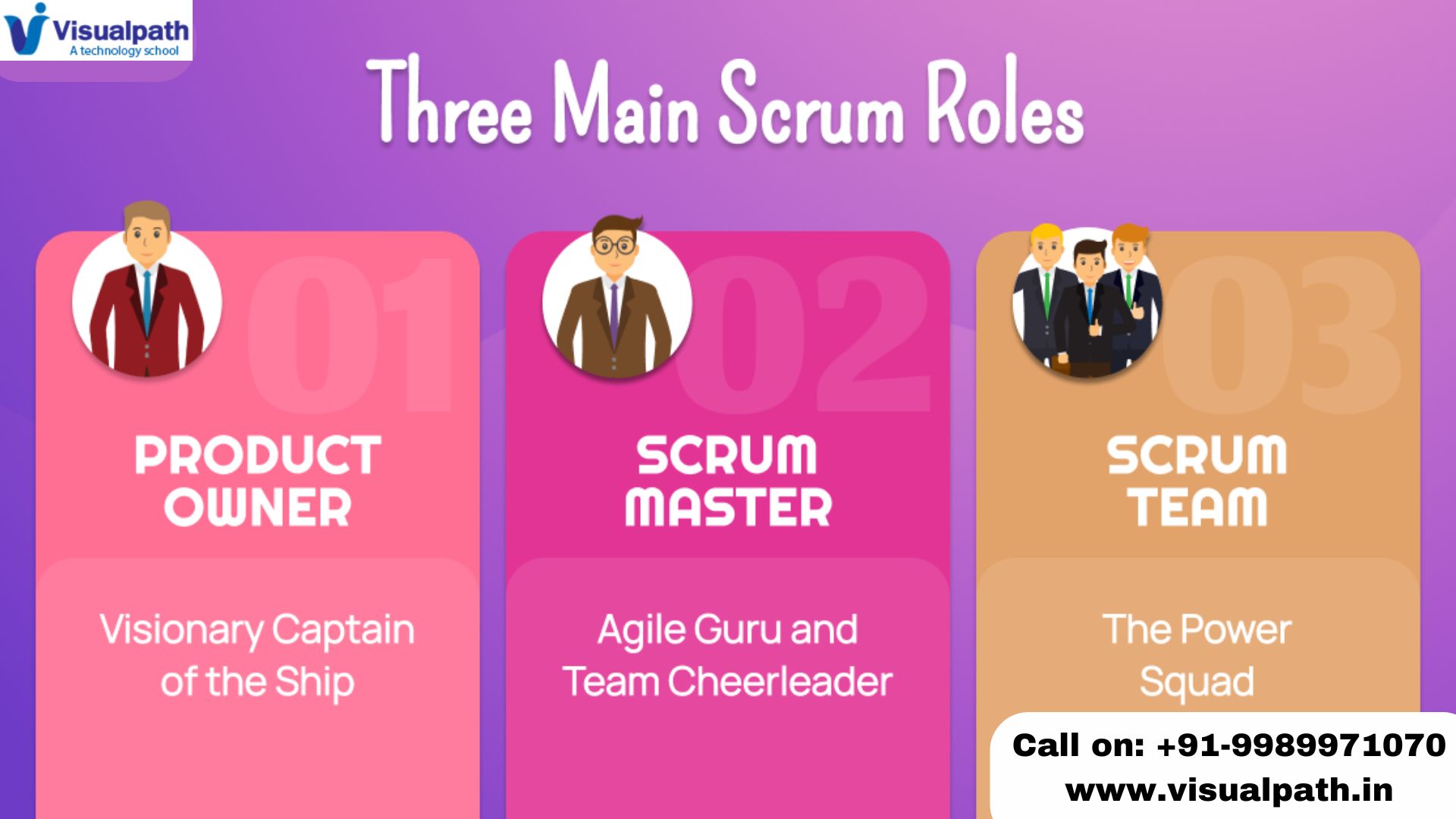
    Scrum Master Course, an Agile framework designed to enhance product development efficiency, delineates three primary roles: the Product Owner, the Scrum Master Training, and the Development Team. Each role carries distinct responsibilities, yet their collaboration is pivotal to the success of the Scrum process.

    1. Product Owner

    The Product Owner serves as the liaison between stakeholders and the Scrum Team, embodying the voice of the customer. This role is crucial in ensuring that the team delivers value that aligns with user needs and business objectives. Key responsibilities include:

    • Managing the Product Backlog: The Product Owner is tasked with creating, maintaining, and prioritizing the Product Backlog, a dynamic list of features, enhancements, and fixes required for the product. This prioritization ensures that the team focuses on tasks that deliver the highest value.
    • Defining Product Vision: By clearly articulating the product goals and desired outcomes, the Product Owner provides direction and purpose to the team, aligning their efforts with the broader business strategy.
    • Stakeholder Engagement: Regular interaction with stakeholders allows the Product Owner to gather feedback, understand market demands, and adjust priorities accordingly, ensuring the product remains relevant and competitive.

    2. Scrum Master

    The Scrum Master Certification Training acts as a facilitator and coach, ensuring that the Scrum Team adheres to Scrum principles and practices. This role is essential in fostering an environment conducive to productivity and continuous improvement. Key responsibilities include:

    • Facilitating Scrum Events: The Scrum Master organizes and oversees key Scrum ceremonies, such as Sprint Planning, Daily Stand-Ups, Sprint Reviews, and Retrospectives, ensuring they are productive and time-efficient.
    • Removing Impediments: By identifying and addressing obstacles that hinder the team’s progress, the Scrum Master enables the team to maintain a steady and sustainable pace of work.
    • Coaching the Team: Providing guidance on Scrum practices and principles, the Scrum Master helps the team embrace Agile methodologies, promoting self-organization and accountability.

    3. Development Team

    The Development Team consists of professionals who design, build, and test the product increments during each Sprint. This cross-functional group is self-organizing, determining the best way to accomplish the work set forth by the Product Owner. Key characteristics include:

    • Cross-Functionality: Team members possess diverse skills, allowing them to handle all aspects of product development without relying on external resources.
    • Self-Organization: The team decides how to accomplish the work within the Sprint, fostering autonomy and accountability.
    • Commitment to Quality: By adhering to a shared Definition of Done, the Development Team ensures that each product increment meets quality standards and is potentially shippable.

    Synergistic Collaboration Among Roles

    The effectiveness of the Scrum framework hinges on the seamless collaboration among the Product Owner, Scrum Master, and Development Team. Their interactions are characterized by:

    • Transparent Communication: Open channels of communication ensure that information flows freely among team members and stakeholders, fostering trust and alignment.
    • Collective Ownership: While each role has specific responsibilities, the team collectively owns the process and outcomes, promoting a shared sense of purpose and accountability.
    • Continuous Feedback and Improvement: Regular reviews and retrospectives allow the team to reflect on their performance, celebrate successes, and identify areas for improvement, leading to iterative enhancement of both the product and the process.

    Conclusion:

    In conclusion, the triad of Product Owner, Scrum Master, and Development Team forms the backbone of the Scrum framework. Their distinct yet interconnected roles facilitate a balanced and efficient approach to product development, enabling organizations to respond swiftly to changing market demands and deliver products that resonate with users.

    Visualpath is the Leading and Best Software Online Training Institute in Hyderabad. Avail complete Scrum Master Course Worldwide. You will get the best course at an affordable cost.

    Attend Free Demo

    Call on – +91-9989971070.

    WhatsApp: https://www.whatsapp.com/catalog/919989971070/

    Visit: https://www.visualpath.in/online-scrum-master-course.html
    Visit Blog: https://scrummasteronlinecourse.blogspot.com/

  • Scrum Master Certification Course: What You Will Learn

    Scrum Master Certification Course: What You Will Learn

    Scrum Master Certification Course In today’s fast-paced business environment, Agile methodologies like Scrum are essential for ensuring efficient and adaptive project management. At the heart of Scrum is the Scrum Master, a role critical to guiding teams through the complexities of Agile practices. A Scrum Master Certification Course equips individuals with the knowledge, skills, and tools needed to excel in this role.

    Key Learning Areas in a Scrum Master Certification Course

    1. Foundations of Scrum and Agile

    A strong understanding of Scrum begins with the basics. The course introduces the principles of Agile and the Scrum Master Course framework, helping participants grasp:

    • The values and principles of the Agile Manifesto.
    • How Scrum aligns with Agile practices.
    • The roles, events, and artifacts that constitute the Scrum framework.

    By the end of this module, you will have a clear understanding of how Scrum promotes collaboration, adaptability, and iterative progress.

    2. Roles and Responsibilities in Scrum

    One of the most critical aspects of the course is understanding the roles within a Scrum team:

    • Scrum Master: Facilitator, coach, and servant leader for the team.
    • Product Owner: Responsible for maximizing the value of the product.
    • Development Team: Cross-functional professionals who create the product.

    You will learn how to navigate these roles and foster collaboration among team members to achieve project goals.

    3. Facilitating Scrum Events

    The course covers the five key Scrum events:

    • Sprint Planning: Defining the work for the upcoming sprint.
    • Daily Scrum: A short, focused meeting to synchronize team efforts.
    • Sprint Review: Showcasing the work completed during the sprint.
    • Sprint Retrospective: Reflecting on the sprint to improve processes.
    • The Sprint: The iteration cycle where the actual work happens.

    You’ll gain hands-on experience in planning and facilitating these events, ensuring that they run efficiently and achieve their intended Scrum Master Training outcomes.

    4. Scrum Artifacts

    Scrum relies on three key artifacts:

    • Product Backlog: A prioritized list of work items.
    • Sprint Backlog: Tasks selected for the current sprint.
    • Increment: The usable result of the completed work.

    You’ll learn how to manage these artifacts effectively, ensuring transparency and alignment across the team and stakeholders.

    5. Servant Leadership and Team Dynamics

    A Scrum Master isn’t just a process manager; they are a servant leader who empowers the team to perform at their best. The course emphasizes:

    • Active listening and effective communication.
    • Resolving conflicts and removing impediments.
    • Creating an environment of trust and collaboration.

    6. Agile Tools and Metrics

    The course introduces tools and metrics to track progress and improve team performance, including:

    • Burndown and burnup charts.
    • Velocity tracking.
    • Tools like Jira, Trello, and Azure DevOps.

    You’ll learn how to leverage these tools to ensure transparency and continuous improvement.

    7. Scaling Scrum for Large Teams

    For organizations with multiple teams working on a single product, scaling frameworks like SAFe (Scaled Agile Framework) or LeSS (Large-Scale Scrum) are critical. The course provides an introduction to these frameworks and how they can be implemented.

    8. Preparing for the Certification Exam

    The course concludes with guidance on preparing for the Scrum Master Certification exam, including:

    • Practice questions and mock exams.
    • Tips for managing time and stress during the exam.
    • A review of the Scrum Guide and key concepts.

    Benefits of a Scrum Master Certification

    Earning a Scrum Master Certification offers numerous advantages:

    • Career Advancement: Open doors to roles in project management, Agile coaching, and leadership.
    • Enhanced Skills: Master the art of facilitating teams and driving project success.
    • Industry Recognition: Join a global community of certified professionals.

    Conclusion

    A Scrum Master Certification Course is more than just a stepping stone for aspiring Scrum Masters; it’s a comprehensive program that transforms how you approach team management and project delivery. By equipping yourself with the skills and knowledge offered in this course, you can become a pivotal force in leading Agile transformations and delivering exceptional results.

    Visualpath is the Leading and Best Software Online Training Institute in Hyderabad. Avail complete Scrum Master Course Worldwide. You will get the best course at an affordable cost.

    WhatsApp: https://www.whatsapp.com/catalog/919989971070/

    Visit: https://www.visualpath.in/online-scrum-master-course.html
  • Scrum Master Course: Advanced Jira Techniques Every Scrum Master Should Know

    Scrum Master Course: Advanced Jira Techniques Every Scrum Master Should Know

    In the evolving world of Agile project management, mastering Jira is a critical skill for Scrum Masters to effectively lead their teams. A Scrum Master Course equips professionals with the expertise needed to use Jira at an advanced level, enabling them to streamline workflows, monitor project progress, and resolve bottlenecks. Jira’s sophisticated features are designed to support Agile methodologies, making it an indispensable tool for Scrum Masters aiming to maximize team productivity. In this article, we will explore advanced Jira techniques that every Scrum Master should know to elevate their skills and ensure successful project execution.

    Jira’s Role in Agile Project Management

    A comprehensive understanding of Jira is central to any Scrum Master Course. Jira provides Scrum Masters with a robust platform to manage sprints, track team progress, and visualize workflow stages. By integrating advanced techniques, such as customizing dashboards, creating automation rules, and leveraging Jira Query Language (JQL), Scrum Masters can transform how their teams operate.

    For instance, mastering custom dashboards allows Scrum Masters to personalize project views, focusing on specific KPIs such as sprint velocity, team capacity, and task completion rates. This customization ensures that they can make data-driven decisions swiftly and keep the team aligned with project goals. Furthermore, tools like automation enable task assignments, notifications, and backlog grooming to occur seamlessly, reducing manual effort and increasing efficiency.

    Essential Advanced Jira Techniques

    1. Leveraging Jira Query Language (JQL):
      JQL is a powerful feature that enables Scrum Masters to filter and analyze data within Jira. A Scrum Master Training program often includes lessons on crafting complex queries to identify overdue tasks, assess sprint progress, or track team performance metrics. These insights are invaluable for preemptively addressing potential issues.
    2. Customizing Workflows:
      Tailoring workflows to suit the specific needs of your team is another critical skill covered in a Scrum Master Course. Advanced workflow customization allows Scrum Masters to define transition rules, add validation conditions, and implement triggers that guide tasks seamlessly through the development cycle.
    3. Integrating Jira with Other Tools:
      Advanced users can connect Jira with other tools like Confluence, Slack, or GitHub to create a cohesive ecosystem for project management. By centralizing communication and documentation, Scrum Masters can ensure smoother collaboration between team members.
    4. Automation with Jira:
      Jira’s automation rules help eliminate repetitive tasks. For example, Scrum Masters can set up rules to automatically move tasks to the next stage upon completion, send reminders for pending reviews, or update stakeholders on progress.
    5. Effective Reporting:
      Visualizing team progress through Jira’s reporting tools is essential for Scrum Masters. Burn-down charts, velocity charts, and sprint reports provide actionable insights that help teams maintain momentum. A Scrum Master CertificationTraining ensures that participants gain hands-on experience with these reporting features.

    Benefits of Advanced Jira Techniques

    By mastering these advanced techniques, Scrum Masters can drive efficiency, transparency, and collaboration within their teams. A Scrum Master Training course ensures professionals can fully leverage Jira’s capabilities to:

    • Enhance sprint planning and execution.
    • Facilitate real-time monitoring of project progress.
    • Quickly identify and resolve roadblocks.
    • Foster better communication among stakeholders.

    Additionally, advanced Jira skills empower Scrum Masters to take on more significant responsibilities, such as scaling Agile practices across multiple teams and managing complex projects with ease.

    Learning Opportunities for Scrum Masters

    Investing in a Scrum Master Course that focuses on advanced Jira techniques can be transformative. Participants gain practical knowledge of configuring Jira, analyzing performance data, and automating workflows, which are indispensable for success in Agile environments. Many courses also offer certifications, further validating the learner’s expertise and boosting career prospects.

    Online Scrum Master Training programs are particularly advantageous for busy professionals. They provide flexible schedules and hands-on labs to ensure learners can apply their knowledge in real-world scenarios. These programs are often curated by industry experts, ensuring that participants receive relevant and up-to-date training.

    Conclusion:

    Mastering advanced Jira techniques is an essential step for Scrum Masters aiming to lead Agile teams effectively. By enrolling in a Scrum Master Course, professionals can acquire the skills needed to optimize workflows, enhance collaboration, and deliver exceptional project outcomes. Whether you’re a beginner or an experienced Scrum Master, gaining proficiency in Jira can significantly elevate your career trajectory and benefit your organization.

    In today’s fast-paced Agile environments, staying ahead of the curve is vital. A comprehensive Scrum Master Training program focusing on advanced Jira techniques not only builds technical expertise but also positions Scrum Masters as leaders capable of navigating complex projects with confidence. Embrace the opportunity to enhance your skills, and take your Agile leadership to the next level.

    Visualpath is a top institute in Hyderabad offering Scrum Master Training delivered by experienced industry experts. Our Scrum Master Training in Hyderabad courses are delivered globally, with daily recordings and presentations available for later review. To book a free demo session, please call us at +91-9989971070.

    Course Covered: Jira, Scrumwise, VivifyScrum, Quickscrum, Trello, Asana, Collaboration, Axosoft, Nutcache,

    Whatsapp:  https://www.whatsapp.com/catalog/919989971070

    Visit: https://www.visualpath.in/online-scrum-master-course.html
  • The Future of Scrum Masters: Trends and Technologies Shaping Agile Leadership

    The Future of Scrum Masters: Trends and Technologies Shaping Agile Leadership

    The Future of Scrum Masters: Trends and Technologies Shaping Agile Leadership

    The Scrum Master Course is a gateway for professionals aiming to master Agile principles and develop the skills necessary for effective leadership in the fast-evolving landscape of Agile frameworks. As organizations across industries continue to adopt Agile methodologies, the role of the Scrum Master has become pivotal. However, the future holds exciting transformations, driven by trends in technology, organizational needs, and evolving team dynamics. For aspiring and current Scrum Masters, understanding these shifts through proper Scrum Master Training and Scrum Master Certification Training can significantly boost their ability to stay relevant and effective.

    Emerging Trends Impacting the Scrum Master Role

    Scrum Masters are no longer just facilitators; they are becoming strategic leaders who play a central role in scaling Agile practices across organizations. A key trend is the shift toward Enterprise Agile Transformation. In this approach, Scrum Masters are responsible for implementing Agile principles beyond individual teams, aligning them with the organization’s overall goals. Enrolling in a comprehensive Scrum Master Course equips individuals with tools and strategies to manage this level of transformation.

    Another major trend is the integration of remote and hybrid work models. Post-pandemic, teams are distributed more than ever, making virtual collaboration tools like Jira, Slack, and Zoom essential. Scrum Masters must not only master these tools but also foster engagement and accountability in dispersed teams. This highlights the growing demand for Scrum Master Training, focusing on advanced communication and team-building techniques tailored for remote environments.

    Additionally, data-driven decision-making is reshaping the Scrum Master role. By leveraging Agile metrics such as velocity, sprint burndown, and cumulative flow, Scrum Masters can better identify bottlenecks, track team performance, and drive continuous improvement. Future Scrum Master Certification Training programs will increasingly emphasize proficiency in analytics tools and frameworks to enable such insights.

    Technologies Shaping the Future of Agile Leadership

    Technology is revolutionizing how Scrum Masters manage teams and projects. Automation tools for Agile processes are on the rise, enabling teams to streamline repetitive tasks like sprint planning, backlog prioritization, and resource allocation. Scrum Masters must stay informed about these tools, which are often featured in modern Scrum Master Training curriculums.

    AI and machine learning are also becoming integral to Agile project management. AI-powered tools can analyze historical data to forecast project risks, predict delays, and suggest optimal team configurations. To stay ahead, Scrum Masters should seek Scrum MasterCertification Training that includes AI integration into Agile workflows.

    Moreover, Agile frameworks like SAFe (Scaled Agile Framework) and LeSS (Large-Scale Scrum) are evolving to accommodate larger, more complex organizations. The ability to implement these frameworks effectively requires advanced knowledge that a specialized Scrum Master Course can provide.

    The Evolving Role of the Scrum Master

    As Agile matures, the Scrum Master role is expanding beyond team-level facilitation. Modern Scrum Masters are expected to act as change agents, driving cultural shifts within organizations to adopt an Agile mindset. This involves coaching leadership teams, mediating conflicts, and creating an environment where continuous learning thrives.

    Another evolving responsibility is stakeholder management. Scrum Masters increasingly act as liaisons between technical teams and business stakeholders, ensuring that priorities align and that there is clear communication of goals and outcomes. Advanced Scrum Master Training programs now incorporate modules on negotiation, conflict resolution, and business communication to prepare Scrum Masters for this challenge.

    Sustainability in Agile practices is another key focus area. As organizations aim to reduce waste and improve resource efficiency, Scrum Masters are tasked with embedding sustainable principles into Agile workflows. This requires innovative thinking, a skill that can be honed through a well-rounded Scrum Master Course.

    Conclusion: Preparing for the Future with a Scrum Master Course

    The future of Scrum Masters is one of growth, complexity, and immense opportunity. By keeping pace with emerging trends and technologies, Scrum Masters can transform from facilitators to strategic leaders who drive innovation and efficiency across organizations. However, achieving this requires the right training and certification.

    Investing in a Scrum Master Course tailored to future demands is essential for both aspiring and experienced professionals. Whether it’s mastering enterprise-scale Agile practices, adopting cutting-edge technologies, or evolving into a leadership role, comprehensive Scrum Master Training programs are the key to unlocking success. Furthermore, obtaining a Scrum Master Certification Training ensures that professionals have the credentials and knowledge to stand out in a competitive job market.

    In conclusion, the role of the Scrum Master is more critical and dynamic than ever. With the right preparation, Scrum Masters can navigate the evolving Agile landscape, empower their teams, and lead organizations to achieve their strategic objectives. The future is bright for those who embrace continuous learning and adapt to the demands of modern Agile leadership.

    Visualpath is a top institute in Hyderabad offering Scrum Master Training with real-time expert instructors and hands-on projects. Our Scrum Master Online Training, from industry experts and gain experience. We provide to individuals globally in the USA, UK, etc. To schedule a demo, call +91-9989971070. 

    Course Covered: Jira, Scrumwise, VivifyScrum, Quickscrum, Trello, Asana, Collaboration, Axosoft, Nutcache,

    Attend Free Demo

    Call Now: +91-9989971070

    Whatsapp:  https://www.whatsapp.com/catalog/919989971070

    Visit our Blog: https://visualpathblogs.com/

    Visit: https://www.visualpath.in/online-scrum-master-course.html
  • Scrum Master Course: Top 10 Qualities Every Scrum Master Should Cultivate

    Scrum Master Course: Top 10 Qualities Every Scrum Master Should Cultivate

    Scrum Master is critical to the success of agile teams and the projects they undertake. If you’re considering enrolling in a Scrum Master Course, it’s essential to understand the key qualities that make an exceptional Scrum Master. Developing these qualities not only helps in managing teams effectively but also enables seamless project execution in an agile environment. This article explores the top 10 qualities every Scrum Master should cultivate, offering insights for those pursuing Scrum Master Training or Scrum Master Certification Training. 

    1. Exceptional Communication Skills 

    A Scrum Master acts as a bridge between the product owner, development team, and stakeholders. Clear and effective communication is essential to ensure everyone is aligned. During a Scrum Master Course, you’ll learn how to facilitate discussions, resolve conflicts, and maintain transparency within the team. 

    2. Leadership Without Authority

    Unlike traditional managers, Scrum Masters don’t wield direct authority. They lead by influence, ensuring the team adheres to Scrum principles. Leadership skills are a focus of Scrum Master Training, helping participants learn how to inspire and motivate their teams. 

     3. A Deep Understanding of Scrum Principles

    Mastering Scrum fundamentals is non-negotiable for any Scrum Master. Enrolling in a Scrum Master Certification Training equips professionals with in-depth knowledge of Scrum methodologies, ensuring they can guide teams effectively. 

    4. Adaptability 

    Agile environments are inherently dynamic, with priorities and requirements often changing. A successful Scrum Master remains flexible and adjusts strategies as needed. This adaptability is often emphasized in a Scrum Master Course to help professionals handle unexpected challenges. 

    5. Conflict Resolution Expertise 

    Teams working closely together may encounter conflicts. A Scrum Master must mediate disputes and ensure healthy team dynamics. Through scrum Master Training, participants learn practical techniques to handle conflicts constructively. 

    6. Facilitation Skills

    Scrum Masters are facilitators of ceremonies like daily stand-ups, sprint planning, and retrospectives. Good facilitation ensures these events are productive and time-efficient. A Scrum Master Certification Training often includes modules on effective meeting facilitation. 

    7. Empathy and Emotional Intelligence

    Understanding team members’ perspectives and fostering a supportive environment is crucial. Scrum Masters with high emotional intelligence can better address team concerns and create a culture of trust. Empathy is often a soft skill developed during a Scrum Master Course. 

    8. Problem-Solving Abilities

    Obstacles and impediments are common in agile workflows. A Scrum Master needs sharp problem-solving skills to identify and remove roadblocks quickly. Many Scrum Master Training programs include scenarios and exercises that enhance this capability. 

    9. Focus on Continuous Improvement

    Scrum Masters drive the philosophy of kaizen, or continuous improvement, within their teams. They ensure retrospectives lead to actionable steps that enhance team efficiency. This mindset is a core component of most Scrum Master Certification Training programs. 

    10. Commitment to Team Success

    A great Scrum Master is genuinely invested in the success of their team. This commitment often translates into proactive efforts to address challenges, support team members, and ensure project goals are met. This sense of ownership is instilled during a Scrum Master Course. 

    Why Developing These Qualities Matters 

    The journey to becoming a successful Scrum Master involves more than just learning frameworks and methodologies. It’s about embodying the values of collaboration, adaptability, and servant leadership. Enrolling in a Scrum Master Certification Training is an excellent first step to developing these qualities, offering both theoretical knowledge and practical skills. 

    The Role of Training in Cultivating Key Qualities 

    A well-designed Scrum Master Course goes beyond teaching the mechanics of Scrum. It focuses on real-world applications, role-playing exercises, and case studies that simulate challenges faced by Scrum Masters. Whether you’re new to Scrum or looking to refine your skills, Scrum Master Training can help you unlock your potential and lead teams effectively. 

    Conclusion

    The qualities outlined above are essential for any Scrum Master aspiring to excel in their role. While some of these traits may come naturally, others require deliberate effort and training. A scrum Master Course is an invaluable resource for developing these skills, ensuring you’re equipped to guide agile teams successfully. By investing in Scrum Master Training or Scrum Master Certification Training, you’ll not only enhance your career prospects but also contribute meaningfully to the success of your team and organization. With the right mindset and tools, you can become a Scrum Master who drives innovation, fosters collaboration, and delivers outstanding results. 

    Visualpath offering a Scrum Master Course with real-time expert instructors and hands-on projects. Our Scrum Master Training, from industry experts and gain hands-on experience. We provide to individuals globally in the USA, UK, etc. To schedule a demo, call +91-9989971070. 

    Course Covered: Jira, Scrumwise, VivifyScrum, Quickscrum, Trello, Asana, Collaboration, Axosoft, Nutcache,

    Whatsapp:  https://www.whatsapp.com/catalog/919989971070

    Visit: https://www.visualpath.in/online-scrum-master-course.html
  • Scrum Master Course: Top Jira Tips and Tricks Every Scrum Master Should Know

    Scrum Master Course: Top Jira Tips and Tricks Every Scrum Master Should Know

    Scrum Master Course can be one of the best ways to prepare for a successful role in Agile project management. As Scrum Masters become key drivers of Agile transformations, many find themselves working closely with Jira, one of the most popular tools for managing Agile workflows. Gaining proficiency in Jira can help Scrum Masters manage tasks, monitor team performance, and improve productivity. This article will explore some invaluable Jira tips and tricks for Scrum Masters, helping them make the most of this powerful tool.

    Why Jira is Important for Scrum Masters

    During Scrum Master Training and on the job, professionals learn that Agile project management is about transparency, collaboration, and iterative progress. Jira allows teams to visualize and manage these principles effectively. Jira’s versatility enables Scrum Masters to customize workflows, track team performance, manage sprints, and generate insightful reports. It provides a centralized platform where team members can collaborate, and Scrum Masters can maintain accountability and ensure that everyone is aligned with the project’s objectives.

    Using Jira effectively can help Scrum Masters implement Agile best practices and drive team success. However, to fully leverage Jira’s capabilities, Scrum Masters must know how to set up the tool in a way that aligns with their team’s processes. Here are some of the most impactful tips and tricks every Scrum Master should know.

    Customizing Jira Workflows for Optimal Agile Performance

    One of the key benefits of taking a Scrum Master Certification Training program is learning to adapt tools like Jira to fit unique team needs. In Jira, workflows can be customized to match the structure and requirements of a team’s development process. For Scrum Masters, this means tailoring the workflow stages — such as “To Do,” “In Progress,” “In Review,” and “Done” — to fit the team’s definition of “done.”

    Customizing workflows also enables the team to manage dependencies and create custom issue types relevant to the project. For instance, if your team requires an extra stage for code review or quality assurance, Jira allows you to add and name this stage. By creating a workflow that mirrors real-world processes, Scrum Masters can help their team stay organized and ensure work moves smoothly through the pipeline.

    Leveraging Dashboards and Reports for Data-Driven Insights

    Jira’s dashboards are essential for Scrum Masters who want to monitor team performance and make data-driven decisions. Jira dashboards are customizable, allowing Scrum Masters to display key metrics and reports in one view. Metrics like sprint burndown, velocity, and cumulative flow diagrams provide insights into team performance, making it easier to identify bottlenecks or capacity issues.

    A Scrum Master Course often emphasizes the importance of transparency, and Jira dashboards help achieve that by visualizing team progress for all stakeholders. Customizable dashboards allow you to select the most relevant widgets for your team, from sprint tracking to completed stories, providing a quick snapshot of the sprint’s progress.

    Reports, such as burndown charts and velocity charts, are also crucial in Jira. They help Scrum Masters understand the rate at which the team is completing work, predict sprint outcomes, and ensure continuous improvement. By regularly reviewing these reports, Scrum Masters can identify trends and make necessary adjustments for future sprints.

    Setting Up Automation Rules to Streamline Repetitive Tasks

    Automation is a powerful feature in Jira that can save Scrum Masters significant time. By setting up automation rules, repetitive tasks can be streamlined, allowing the Scrum Master to focus more on leadership and team support. For example, Scrum Masters can automate task assignments, update statuses based on certain conditions, and send notifications when specific actions are triggered.

    For those enrolled in Scrum Master Training, automation is often highlighted as a way to boost efficiency and reduce manual effort. Jira offers an intuitive rule-building tool, enabling Scrum Masters to automate everything from daily stand-up updates to end-of-sprint reporting. Automation can also be used to automatically close completed tasks or update task priority, keeping the backlog clean and organized without requiring constant manual input.

    Utilizing Filters and Queries for Efficient Backlog Management

    Backlog management is a core responsibility of Scrum Masters, and Jira’s filtering and querying options make it easier. Jira Query Language (JQL) is a powerful tool that allows Scrum Masters to create customized queries to find issues that meet specific criteria. For instance, a Scrum Master might create a filter to display only high-priority issues or issues assigned to a particular team member.

    During Scrum Master Certification Training, professionals learn to manage backlogs effectively, and using JQL can support this by streamlining backlog refinement sessions. By saving and sharing custom filters, Scrum Masters can also help team members stay organized and focused on their highest-priority tasks.

    Advanced Tip: Integrating Jira with Other Tools

    Modern Agile environments often require integration with other tools, such as Confluence for documentation, Slack for communication, and GitHub for version control. Jira supports a wide range of integrations, allowing Scrum Masters to connect it with the other software their teams use. By integrating Jira with Confluence, for example, teams can link project documents and user stories directly within Jira tickets, ensuring that critical information is easily accessible.

    These integrations help Scrum Masters improve collaboration, reduce friction, and ensure that all project information remains in sync. A Scrum Master Course may not always delve deeply into integrations, but understanding how they work can significantly enhance a team’s workflow.

    Conclusion: Why Mastering Jira is Essential for Scrum Masters

    In conclusion, mastering Jira is a critical skill for any Scrum Master aiming to support Agile teams effectively. A Scrum Master Course can provide a foundation in Agile principles, but developing expertise in Jira takes continuous practice and exploration. By utilizing custom workflows, leveraging dashboards and reports, automating tasks, and managing backlogs efficiently, Scrum Masters can unlock Jira’s full potential to drive their teams’ success.

    For Scrum Masters, Jira is more than just a project management tool; it’s a means of maintaining transparency, improving productivity, and enabling data-driven decision-making. By applying these tips and tricks, Scrum Masters can maximize Jira’s functionality, making a significant impact on team performance and project outcomes. For those pursuing Scrum Master Training or Scrum Master Certification Training, gaining a deep understanding of Jira can be a valuable asset that enhances their effectiveness and supports Agile transformation.

    Join Visualpath for Scrum Master Training with real-time expert instructors and hands-on projects. Our Scrum Master Certification Training, from industry experts and gain hands-on experience. We provide to individuals globally in the USA, UK, etc. To schedule a demo, call +91-9989971070. 

    Course Covered: Jira, Scrumwise, VivifyScrum, Quickscrum, Trello, Asana, Collaboration, Axosoft, Nutcache,

    Whatsapp:  https://www.whatsapp.com/catalog/919989971070

    Visit: https://www.visualpath.in/online-scrum-master-course.html
  • Scrum Master Course: 10 Key Jira Features Every Scrum Master Should Know

    Scrum Master Course: 10 Key Jira Features Every Scrum Master Should Know

    Scrum Master Course can provide invaluable skills for managing Agile teams and mastering essential tools like Jira. Used by Scrum Masters globally, Jira is a versatile project management tool that enables teams to manage tasks, track progress, and maintain transparency. For Scrum Masters, Jira serves as an indispensable platform for planning, organizing, and monitoring the health of sprint cycles, making it an essential tool in Scrum Master Training. From organizing backlogs to tracking team velocity, Jira provides robust features that enhance workflow efficiency, empower team members, and help deliver quality results on time. Understanding these key features is crucial for Scrum Masters to effectively guide their teams and ensure projects stay on course.

    Here Are The 10 Most Critical Jira Features Every Scrum Master should know and Master:

    1. Backlog Management: One of Jira’s primary features for Scrum Masters is backlog management. The backlog serves as a repository of all project tasks, stories, and epics that have yet to be addressed. In Scrum Master Training, backlog management is crucial, as it helps in prioritizing tasks for each sprint. With Jira’s drag-and-drop functionality, Scrum Masters can easily organize items in order of priority and make adjustments as new tasks emerge or requirements change.

    2. Sprint Planning and Tracking: The ability to plan and track sprints efficiently is at the heart of Scrum methodology, and Jira’s sprint planning tools make this process seamless. Scrum Masters can use Jira to define sprint lengths, select backlog items for inclusion, and assign tasks to team members. The tool allows Scrum Masters to monitor sprint progress in real-time, track the team’s performance against goals, and identify bottlenecks. This feature plays a major role in Scrum Master Certification Training, as it enhances the visibility and accountability of team deliverables.

    3. Kanban and Scrum Boards: Jira offers both Kanban and Scrum boards, allowing Scrum Masters to choose the methodology that best fits their team’s workflow. The Scrum board is tailored to sprint cycles, while the Kanban board offers a continuous flow model. For Scrum Masters managing teams with varied requirements, understanding the customization of these boards is essential for optimizing task flow, visualizing workloads, and ensuring that team members stay on track with project milestones.

    4. Burndown Charts: A key feature in Scrum Master Course material, burndown charts are visual tools that help Scrum Masters monitor progress and forecast sprint completion. Jira’s burndown charts automatically update as tasks are completed, providing real-time insights into the team’s progress toward sprint goals. This allows Scrum Masters to quickly identify any delays or issues that could prevent the team from completing the sprint on time, making adjustments as needed to stay on target.

    5. Velocity Charts: Velocity charts are vital for evaluating a team’s performance over multiple sprints, showing the amount of work completed versus planned. In Scrum Master Certification Training, understanding velocity charts is emphasized, as they help Scrum Masters track improvements over time and set realistic expectations for future sprints. Jira’s velocity charts assist in forecasting workload capacity and setting achievable goals based on the team’s past performance.

    6. Customizable Dashboards: Jira’s customizable dashboards are essential for Scrum Masters who need an overview of team metrics, ongoing tasks, and project health. These dashboards allow Scrum Masters to gather essential data on a single screen, making it easy to communicate progress to stakeholders. Additionally, dashboards can be customized to show relevant KPIs, deadlines, and progress indicators, which are instrumental in Scrum Master Training for keeping teams aligned with project goals.

    7. Automation Rules: Jira’s automation rules enable Scrum Masters to automate repetitive tasks, helping streamline workflows and reduce administrative overhead. By automating updates, notifications, and task assignments, Scrum Masters can maintain focus on critical aspects of project management. Scrum Master Certification Training often covers how to set up these automation rules, ensuring that routine processes are handled efficiently, and team productivity remains uninterrupted.

    8. Roadmaps for Project Tracking: Roadmaps in Jira provide a high-level view of project progress, showing the sequence of tasks and milestones within a timeline. This feature is valuable for Scrum Masters who manage large-scale projects with multiple dependencies. By using roadmaps, Scrum Masters can identify task dependencies, prioritize deliverables, and keep stakeholders informed on overall project timelines. It’s a powerful tool for aligning long-term goals with daily operations.

    9. User Stories and Epics : In any Scrum Master Course, user stories and epics are core concepts that Scrum Masters must be proficient in. Jira provides a structured way to create and track these user stories and epics, ensuring that all tasks are aligned with the team’s goals. Each user story can be broken down into tasks, assigned to team members, and tracked through to completion. Managing user stories effectively ensures that the team delivers value to the customer, while epics help in managing large, overarching requirements.

    10. Reporting and Analytics : Jira’s reporting and analytics features are vital for Scrum Masters who need to assess team performance and communicate progress to stakeholders. With a range of report types, such as sprint reports, issue reports, and workload distribution, Scrum Masters can evaluate team performance, identify potential bottlenecks, and make informed decisions. In Scrum Master Training, these analytics are highlighted as essential tools for tracking the efficiency of Agile processes and implementing continuous improvements.

    Conclusion:

    Mastering these 10 Jira features through a comprehensive Scrum Master Course equips Scrum Masters with the skills they need to lead Agile teams effectively. From managing backlogs to using detailed analytics, these tools offer valuable insights and controls to streamline workflows, optimize productivity, and foster collaboration. By leveraging Jira’s features, Scrum Masters can ensure that their teams remain aligned with project goals, deliver high-quality results, and continuously improve sprint over sprint.

    Ultimately, a Scrum Master who is well-versed in Jira can better serve their team, provide more accurate progress updates, and help create a transparent work environment. For those seeking to enhance their skills, enrolling in Scrum Master Certification Training provides hands-on experience with these features, solidifying the knowledge required to make a tangible impact on Agile projects.

    Visualpath offering a Scrum Master Course with real-time expert instructors and hands-on projects. Our Scrum Master Training, from industry experts and gain hands-on experience. We provide to individuals globally in the USA, UK, etc. To schedule a demo, call: +91-9989971070. 

    Course Covered: Jira, Scrumwise, VivifyScrum, Quickscrum, Trello, Asana, Collaboration, Axosoft, Nutcache, Integrations.

    Whatsapp:  https://www.whatsapp.com/catalog/919989971070

    Visit: https://www.visualpath.in/online-scrum-master-course.html

  • Scrum Master Course: The Scrum Master’s Journey – From Novice to Expert

    Scrum Master Course: The Scrum Master’s Journey – From Novice to Expert

    Scrum Master begins with understanding the fundamentals, and a Scrum Master Course provides the ideal foundation for anyone aspiring to excel in this role. As Agile methodologies continue to transform project management and software development, the demand for skilled Scrum Masters has increased dramatically. A Scrum Master Course serves as the first step in this journey, guiding participants from basic concepts to advanced strategies that foster productive, high-performing Agile teams. Through structured learning, practical exercises, and real-world scenarios, learners can progress from beginners to experienced Scrum Masters, mastering techniques that drive collaboration, efficiency, and continuous improvement.

    A Scrum Master’s journey begins with learning the core values and principles of the Agile methodology. Through Scrum Master Training, learners explore key Agile concepts like transparency, adaptation, and empirical process control. This early stage emphasizes the Scrum framework, its ceremonies, roles, and artifacts. As part of this foundational phase, individuals delve into the responsibilities of a Scrum Master: facilitating ceremonies, removing obstacles, and guiding teams towards Agile best practices. At this stage, understanding theory is essential, but hands-on experience gained through simulations and role-playing exercises is invaluable for building confidence and competence.

    Building Practical Skills through Scrum Master Certification Training

    The next phase in a Scrum Master’s journey involves deepening practical skills and knowledge through Scrum Master Certification Training. A certification course goes beyond introductory content, providing participants with the skills to address real-life challenges in Agile teams. Scrum Master Certification Training includes modules on advanced communication, conflict resolution, and coaching techniques, which are essential for guiding diverse team members through the Scrum framework effectively. During this stage, a significant emphasis is placed on learning how to foster collaboration within teams, particularly when obstacles arise or team dynamics become complex.

    One critical skill developed in this phase is facilitating the various Scrum ceremonies, such as sprint planning, daily stand-ups, sprint reviews, and retrospectives. These sessions, when conducted effectively, ensure team alignment, clarify project goals, and identify areas for improvement. Scrum Masters learn how to ask the right questions to promote transparency and accountability, encouraging team members to openly discuss their progress, challenges, and goals. Additionally, Scrum Master Certification Training includes instruction on using data-driven tools, such as burndown charts and velocity tracking, which help Scrum Masters monitor progress and make adjustments when necessary.

    Certification training also places a strong emphasis on the Scrum Master’s role as a servant-leader. This concept, integral to the Scrum framework, requires the Scrum Master to prioritize the needs of the team over personal goals. This role demands empathy, patience, and effective listening skills—qualities that are essential for fostering trust and creating a supportive environment in which the team can thrive. By honing these skills, the Scrum Master becomes not only a facilitator but also a mentor and coach, capable of inspiring the team towards excellence and resilience.

     Achieving Expertise and Continuous Improvement

    The journey from novice to expert Scrum Master does not end with certification; rather, it continues with experience and a commitment to continuous improvement. For an expert Scrum Master, each project presents new challenges and opportunities to refine skills further. Advanced Scrum Master Training encourages participants to tackle complex scenarios, such as managing distributed teams, handling high-stakes projects, and resolving deep-seated conflicts within teams. These experiences build resilience and adaptability, qualities that distinguish expert Scrum Masters from those who are just beginning their journey.

    At this stage, a Scrum Master’s role often expands to include guiding organizations through broader Agile transformations. Expert Scrum Masters are frequently called upon to train and mentor other Scrum Masters, imparting their knowledge and experience to those new to the role. This phase often involves learning additional frameworks like Kanban and Lean, allowing Scrum Masters to apply the best Agile tools for each unique team and project. As part of continuous professional growth, expert Scrum Masters may also explore leadership development, organizational psychology, and change management. These advanced skills enable them to lead Agile transformations that impact entire organizations, creating a culture that prioritizes collaboration, innovation, and customer-centric solutions.

    Conclusion:

    The journey from a novice to an expert Scrum Master is transformative, requiring a solid foundation, continuous learning, and hands-on experience with real-world challenges. Through a Scrum Master Course, individuals acquire foundational knowledge, and with Scrum Master Certification Training, they gain practical skills essential for success. However, becoming an expert Scrum Master is a continuous journey that goes beyond certifications and training; it involves a commitment to growth, adaptability, and the development of servant-leadership qualities. For those who pursue this path, the rewards are immense: not only can they drive team success, but they also play a crucial role in promoting Agile practices that foster innovation and efficiency across organizations.

    By investing in Scrum Master Training and embracing the values of Agile, Scrum Masters contribute to a culture that values collaboration, transparency, and customer-focused solutions. As organizations worldwide adopt Agile methodologies, expert Scrum Masters will continue to be vital in shaping high-performing teams, delivering quality products, and meeting business goals. In essence, the journey from novice to expert Scrum Master is more than just professional development; it is a path toward becoming an influential leader in the world of Agile.

    Visualpath offers the best Scrum Master Course with real-time expert instructors and hands-on projects. Our Scrum Master Certification Training, from industry experts and gain hands-on experience we provide to individuals globally in the USA, UK, etc. Call +91-9989971070.

    Course Covered:

    Jira, Scrumwise, VivifyScrum, Quickscrum, Trello, Asana, Collaboration, Axosoft, Nutcache, Integrations

    Whatsapp:  https://www.whatsapp.com/catalog/919989971070

    Visit: https://www.visualpath.in/online-scrum-master-course.html
  • Scrum Master Course: Common Challenges Faced by Scrum Masters and How to Overcome Them

    Scrum Master Course: Common Challenges Faced by Scrum Masters and How to Overcome Them

    Scrum Master Course, participants often explore the complexities and challenges that arise when adopting the Scrum framework in dynamic and ever-evolving work environments. Being a Scrum Master requires much more than a basic understanding of Scrum principles; it demands strong interpersonal skills, conflict resolution capabilities, and the ability to foster team collaboration under pressure. With the demand for efficient project management on the rise, many professionals are turning to Scrum Master Certification Training to enhance their skills and ensure that they can tackle common challenges effectively.

    Challenge 1: Ensuring Clear Communication and Collaboration

    One of the most common challenges Scrum Masters face is establishing clear and consistent communication within the team and among stakeholders. This task is particularly challenging in remote and hybrid environments, where team members may feel isolated or disconnected from the rest of the team. Effective communication is the backbone of any Agile team, as it allows for transparency and alignment of goals, which are essential for successful sprints. Incomplete or inconsistent communication can lead to misunderstandings, missed deadlines, and ultimately, unsatisfactory project outcomes.

    A Scrum Master Certification Training program often emphasizes communication as a core skill. To address communication barriers, Scrum Masters can implement daily stand-up meetings, where team members have a chance to share their progress, voice concerns, and clarify misunderstandings. Encouraging open communication during these sessions creates a culture of trust and transparency. Additionally, Scrum Masters can adopt digital collaboration tools such as Slack, Microsoft Teams, or Jira, which facilitate ongoing communication and ensure that all team members are kept in the loop regarding project updates. By fostering a collaborative environment, Scrum Masters help team members feel supported and motivated to contribute their best work.

    Challenge 2: Managing Stakeholder Expectations

    Another challenge Scrum Masters often encounter is managing the expectations of stakeholders who may not be fully familiar with the Scrum process. Stakeholders sometimes expect immediate results, or they may not understand the iterative nature of Scrum, where value is delivered incrementally. This misalignment can create pressure on the team to produce faster results or deviate from the Agile methodology, potentially undermining the principles of Scrum.

    In a Scrum Master Course, participants learn how to communicate effectively with stakeholders and manage their expectations through regular updates and reviews. One way to manage expectations is to involve stakeholders in sprint reviews, allowing them to see the team’s progress and understand the rationale behind each incremental deliverable. By doing this, Scrum Masters can demonstrate the value of the Agile process, clarifying that quality is prioritized over speed and that consistent progress will lead to successful project completion. Additionally, effective use of the product backlog to showcase planned features and future work can give stakeholders a clear view of the project roadmap, reducing potential misunderstandings.

    Challenge 3: Handling Team Conflicts and Resistance to Change

    Team conflicts and resistance to change are inevitable challenges in any Agile environment. Scrum Masters often encounter resistance from team members who are accustomed to traditional workflows or are hesitant to embrace new methodologies. These conflicts may arise due to differences in work styles, priorities, or misunderstandings about roles within the Scrum framework. Without intervention, conflicts can disrupt the team’s cohesion and productivity.

    Scrum Master Training covers techniques for conflict resolution and offers insights into managing resistance to change effectively. One effective approach for Scrum Masters is to facilitate open discussions about the benefits of the Scrum framework, addressing any doubts or concerns team members may have. Acknowledging and validating team members’ perspectives can help ease resistance and foster a sense of shared purpose. Additionally, regular retrospectives are an opportunity for team members to discuss any grievances or challenges they face, and for the Scrum Master to mediate solutions that enhance team dynamics. By promoting a culture of openness and respect, Scrum Masters can create a positive environment where conflicts are resolved constructively.

    Challenge 4: Navigating Shifting Priorities and Scope Creep

    In fast-paced work environments, it is common for project priorities to shift, which can cause scope creep and lead to confusion within the team. Scrum Masters must constantly balance the need to adapt to changing requirements with the necessity of keeping the team focused on delivering value within each sprint. Scope creep, where additional tasks are added to the project beyond the original plan, can disrupt sprint goals and overwhelm the team.

    A Scrum Master Certification Training program provides participants with strategies to manage scope changes effectively. One effective strategy is to rely on the product backlog and work closely with the Product Owner to prioritize tasks. By consistently evaluating the backlog, Scrum Masters ensure that any adjustments to project scope are planned and align with the team’s current capabilities. Additionally, setting clear boundaries on the scope of each sprint helps prevent the team from becoming overloaded. Educating stakeholders on the implications of scope changes, and emphasizing the need to maintain sprint focus, can minimize unnecessary disruptions and enhance the team’s productivity.

    Challenge 5: Maintaining Team Morale and Motivation

    Lastly, maintaining high morale and motivation within the team can be challenging, especially during demanding sprints or periods of high stress. Without a motivated team, productivity and quality of work can suffer, ultimately impacting the project’s success. A Scrum Master’s role involves recognizing the team’s efforts, acknowledging accomplishments, and encouraging a healthy work-life balance.

    During Scrum Master Training, participants learn techniques for fostering a supportive and positive team environment. Celebrating small wins after each sprint, providing constructive feedback, and acknowledging individual contributions are all effective ways to boost morale. Additionally, Scrum Masters can periodically organize team-building activities to strengthen relationships among team members. By fostering a culture of appreciation and ensuring that team members feel valued, Scrum Masters can enhance overall motivation and productivity.

    Conclusion :

    A Scrum Master Course equips professionals with the skills and knowledge required to navigate the many challenges Scrum Masters face in their roles. From fostering communication and collaboration to managing stakeholder expectations and overcoming resistance to change, a Scrum Master plays a pivotal role in ensuring Agile success. By understanding these challenges and learning effective strategies through Scrum Master Certification Training, professionals are better prepared to address obstacles that may arise and lead their teams toward successful project outcomes.

    In a world where Agile methodologies are increasingly preferred, the role of a Scrum Master is more important than ever. By mastering the skills offered in Scrum Master Training, including conflict resolution, effective communication, and stakeholder management, Scrum Masters can build resilient teams and foster a collaborative work environment. This enables them to not only overcome challenges but also create a sustainable Agile framework that benefits both the team and the organization as a whole.

    Visualpath offers best Scrum Master Course with real-time expert instructors and hands-on projects. Our Scrum Master Certification Training, We provide to individuals globally in the USA, UK, etc. Call +91-9989971070

    Course Covered:

    Jira, Scrumwise, VivifyScrum, Quickscrum, Trello, Asana, Collaboration, Axosoft, Nutcache, Integrations

    Whatsapp:  https://www.whatsapp.com/catalog/919989971070

    Visit: https://www.visualpath.in/online-scrum-master-course.html
  • Scrum Master Course: Navigating Challenges and Building Strong Agile Teams

    Scrum Master Course: Navigating Challenges and Building Strong Agile Teams

    The Scrum Master Course is designed to equip professionals with the skills and knowledge needed to lead agile teams effectively, fostering collaboration and ensuring smooth project execution. In any agile environment, the role of the Scrum Master is pivotal, acting as a facilitator, coach, and mentor to the team. However, even the most well-trained Scrum Masters face challenges when guiding teams through the complexities of Scrum methodology. From team dynamics to navigating organizational hurdles, mastering these obstacles is crucial in order to build strong, self-organized, and high-performing agile teams. The Scrum Master Training prepares individuals to tackle these challenges with practical strategies and tools that promote agility and resilience within teams.

    One of the core objectives of the Scrum Master Course is to teach participants how to navigate common challenges that arise in an agile environment. Scrum Masters are responsible for removing impediments that may hinder the team’s progress, which can include everything from interpersonal conflicts to organizational roadblocks. Additionally, they need to ensure that the team is adhering to Scrum principles while still allowing for flexibility. Achieving this balance requires both technical expertise and strong leadership skills, which are covered in-depth during the Scrum Master Training.

    Navigating Challenges as a Scrum Master :

    A key challenge that Scrum Masters face is dealing with team resistance to change, especially in organizations that are transitioning from traditional project management methods like Waterfall to agile frameworks. Resistance can stem from a variety of factors, including a lack of understanding of Scrum, fear of losing control, or simply the comfort of old habits. The Scrum Master Course provides participants with techniques to manage resistance and facilitate change by creating a culture of openness and continuous improvement. Through effective communication and coaching, Scrum Masters can help teams embrace the principles of Scrum and overcome initial reluctance.

    Another common challenge is managing cross-functional teams that may not be accustomed to working in a collaborative manner. In Scrum, teams are expected to be self-organizing and to take ownership of their work. However, fostering this mindset requires patience and a supportive environment. The Scrum Master Training teaches how to promote teamwork by encouraging open dialogue, facilitating daily stand-ups, and fostering a culture of accountability. Scrum Masters are taught to observe team dynamics carefully and intervene when necessary, helping the team to resolve conflicts and maintain focus on their goals.

    Furthermore, external pressures such as unrealistic deadlines, scope creep, and stakeholder interference can pose significant challenges. In the Scrum Master Course, participants learn how to shield the team from these distractions, allowing them to focus on delivering incremental value. This may involve negotiating with stakeholders to manage expectations, refining the product backlog, and ensuring that the team has a clear understanding of the project’s priorities. By acting as a buffer between the team and external pressures, Scrum Masters can create an environment where the team can thrive without unnecessary stress.

    Building Strong Agile Teams:

    Building strong, self-organized agile teams is one of the primary goals of a Scrum Master, and it requires more than just technical expertise—it demands emotional intelligence, leadership, and the ability to cultivate a positive team culture. The Scrum Master Training emphasizes the importance of creating an environment that promotes collaboration, innovation, and trust. When team members trust each other, they are more likely to share ideas, ask for help, and work together to solve problems, which ultimately leads to better outcomes.

    A strong agile team is characterized by its ability to adapt to changing circumstances and continuously improve its processes. The Scrum Master Course teaches participants how to encourage this adaptability by fostering a growth mindset within the team. Scrum Masters learn how to guide teams through regular retrospectives, where they reflect on their performance, identify areas for improvement, and implement actionable changes. By promoting a culture of continuous learning, Scrum Masters can help their teams become more resilient and responsive to challenges.

    In addition to fostering collaboration and adaptability, the Scrum Master Training also covers techniques for enhancing the team’s productivity. Scrum Masters are taught how to use metrics such as velocity, burn-down charts, and cycle time to monitor progress and identify potential bottlenecks. By providing the team with clear, data-driven insights, Scrum Masters can help them make informed decisions and stay on track. Moreover, the course emphasizes the importance of keeping the team focused on delivering value to the customer, which is the ultimate measure of success in any Scrum project.

    A key element in building strong teams is empowering them to make decisions and take ownership of their work. The Scrum Master Course emphasizes the importance of delegation and trust in agile teams. Scrum Masters are trained to step back and allow the team to make decisions, while still providing guidance and support when needed. This balance between autonomy and support helps build confidence within the team, leading to greater innovation and efficiency.

     Conclusion:

    The Scrum Master Course plays a critical role in preparing professionals to navigate the complexities of Scrum while building strong, high-performing agile teams. Through the Scrum Master Training, participants learn how to overcome common challenges, such as resistance to change, team dynamics, and external pressures, by applying practical strategies and fostering a positive team culture. Scrum Masters are also equipped with the skills needed to cultivate collaboration, encourage continuous improvement, and enhance productivity, all of which are essential for success in an agile environment.

    By the end of the Scrum Master Course, participants have the knowledge and tools to not only manage challenges but also to build resilient, self-organized teams that deliver value to the customer. Strong leadership, emotional intelligence, and a deep understanding of Scrum principles are critical components of this journey. As businesses continue to adopt agile methodologies, the role of the Scrum Master will remain crucial in driving team success and ensuring the delivery of high-quality products. Through effective training, Scrum Masters can lead their teams to overcome obstacles and achieve long-term success.

    Visualpath offers Scrum Master Course for the next generation of intelligent business applications. Scrum Master Training from industry experts and gain hands-on experience with our interactive program. Enroll Now! Call +91-998997107

    Course Covered:

    Jira, Scrumwise, VivifyScrum, Quickscrum, Trello, Asana, Collaboration, Axosoft, Nutcache, Integrations.

    Whatsapp:  https://www.whatsapp.com/catalog/919989971070

    Visit: https://www.visualpath.in/online-scrum-master-course.html