Tag: Scrum Master Course in Hyderabad

  • Top Scrum Master Skills You Need in 2025

    Top Scrum Master Skills You Need in 2025

    As Agile methodologies continue to dominate modern project management practices, the Scrum Master Skills have become more crucial than ever. The role isn’t just about facilitating meetings or enforcing frameworks—it’s about empowering teams, resolving conflicts, and continuously improving delivery processes. With 2025 on the horizon, organisations expect Scrum Masters to possess a robust blend of technical knowledge, interpersonal skills, and leadership capabilities.

    Whether you are starting your journey or advancing in your career, building the right skill set is key. That’s why many professionals are investing in Scrum Master Training to stay ahead of industry expectations and project demands.


    1. Servant Leadership

    One of the most fundamental attributes of a successful Scrum Master is servant leadership. Unlike traditional managers, Scrum Masters lead by example, support their teams unconditionally, and focus on removing obstacles. This leadership style helps foster trust, autonomy, and collaboration among team members.

    2. Communication & Facilitation

    Effective communication is vital for Scrum Masters. They must be skilled facilitators, capable of running daily stand-ups, retrospectives, sprint planning, and more—while ensuring everyone’s voice is heard. They also bridge gaps between development teams and business stakeholders, aligning goals and expectations.

    3. Conflict Resolution

    Disagreements and friction are natural within high-performing teams. A great Scrum Master recognizes these early and facilitates resolution quickly and constructively. This requires a calm demeanor, active listening, and negotiation skills.

    4. Agile & Scrum Knowledge

    While it may seem obvious, deep knowledge of Agile principles and the Scrum framework is non-negotiable. From sprint cycles to backlog grooming, a Scrum Master should be an expert in core methodologies. Moreover, expanding into complementary frameworks like Kanban or SAFe (Scaled Agile Framework) can add versatility to your skill set.

    For those looking to deepen their understanding, Scrum Master Certification Training offers a structured pathway to mastering Agile concepts and gaining recognition in the job market.

    5. Coaching & Mentoring

    Scrum Masters must act as mentors, guiding new team members through Agile practices and helping teams mature over time. They coach the product owner on backlog management and work closely with development teams to optimize performance.

    6. Analytical Thinking

    Scrum Masters need to evaluate project progress, team velocity, and productivity through Agile metrics like burn-down charts or cycle times. Using these insights, they recommend data-driven improvements, refine sprint goals, and optimize workflows.

    7. Adaptability & Continuous Learning

    Agile itself is about embracing change. Similarly, Scrum Masters must stay adaptable to new challenges, organizational shifts, and evolving technologies. Staying up to date with industry trends and tools like Jira, Trello, Azure DevOps, or Confluence is essential for maintaining efficiency.

    8. Emotional Intelligence (EQ)       

    Understanding team dynamics, individual motivations, and unspoken cues helps Scrum Masters lead with empathy and emotional awareness. High EQ leads to better morale, smoother collaboration, and increased productivity.


    The Importance of Industry-Relevant Training

    As demand for experienced Scrum Masters grows, structured learning has become essential. Investing time in the right education not only enhances your credibility but also provides practical knowledge to tackle real-world challenges.

    Whether you’re starting your journey or leveling up your expertise, hands-on training and mentorship can make a significant difference. That’s why many professionals are enrolling in Scrum Master Training in Hyderabad, known for its expert-led sessions, industry-standard curriculum, and global recognition.


    Conclusion:

    The Scrum Master role continues to evolve, especially in today’s fast-paced, tech-driven environment. To remain competitive and effective in 2025, professionals must go beyond theory and cultivate real-world, people-centric skills. From servant leadership to Agile coaching, conflict resolution to emotional intelligence, the roadmap to becoming a high-impact Scrum Master requires both dedication and continuous learning.

    If you’re serious about growing your career, now is the time to upskill. The right training, such as Scrum Master Certification Training, can set the foundation for success and position you as a leader in Agile transformation.

    TRENDING COURSES: Oracle Fusion HCM, Microsoft Fabric, SAP BTP CAP
  • Scrum Master Career Roadmap 2025 – Agile professionals

    Scrum Master Career Roadmap 2025 – Agile professionals

    The demand for Agile professionals continues to rise as more organisations adopt Agile methodologies to enhance productivity, adaptability, and customer satisfaction. Among Agile roles, the Scrum Master stands out as a pivotal figure responsible for guiding teams, removing obstacles, and ensuring that Scrum principles are effectively implemented.

    As we move into 2025, the Scrum Master role is evolving—incorporating new tools, expanding responsibilities, and offering exciting career paths for both beginners and experienced professionals. Whether you’re entering the field or planning to upgrade your skills, understanding the Scrum Master career roadmap can help you navigate your journey with clarity and confidence.

    To get started on the right foot, many aspiring professionals consider enrolling in a comprehensive Scrum Master Course to gain foundational knowledge and prepare for certification.

    Step 1: Understand the Scrum Framework

    The first step in your journey is to understand the fundamentals of the Scrum framework. This includes learning about roles (Scrum Master, Product Owner, Development Team), events (Sprint Planning, Daily Stand-Up, Sprint Review, Sprint Retrospective), and artifacts (Product Backlog, Sprint Backlog, Increment).

    A strong grasp of these basics sets the foundation for effectively managing Agile teams and helps you communicate confidently with stakeholders.

    Step 2: Gain Hands-On Experience

    Theoretical knowledge is important, but real-world application is critical. Begin by working in Agile environments—either as a team member or intern—and observe how daily stand-ups, retrospectives, and sprint planning sessions are managed. This exposure will sharpen your problem-solving and facilitation skills, which are crucial for success in the role.

    In 2025, many organizations also expect Scrum Masters to have proficiency with Agile tools like Jira, Trello, Azure DevOps, and Confluence.

    Step 3: Get Certified

    Once you’re comfortable with the basics, the next step is to get certified. Popular certifications include:

    • Certified ScrumMaster (CSM) – Offered by Scrum Alliance
    • Professional Scrum Master (PSM) – Offered by Scrum.org
    • SAFe Scrum Master – For scaling Agile in larger organizations

    These certifications not only boost your resume but also validate your knowledge in the global Agile community. To prepare efficiently, many professionals opt for Scrum Master Online Training programs that offer flexibility, hands-on labs, and guidance from certified trainers.

    Step 4: Build Advanced Skills                  

    A modern Scrum Master in 2025 is more than a facilitator. You’re expected to be a servant leader, Agile coach, and problem solver. Developing soft skills like communication, conflict resolution, and coaching are just as important as your technical expertise.

    You should also stay current with new methodologies like SAFe, LeSS, and Disciplined Agile, as they are increasingly used in enterprise environments.

    Step 5: Explore Career Growth Paths

    After gaining experience and credentials, there are several career paths to consider:

    • Senior Scrum Master – Lead multiple Agile teams
    • Agile Coach – Mentor Scrum Masters and guide Agile transformation
    • Product Owner – Shift toward customer and business needs
    • Project/Program Manager – Manage larger Agile initiatives
    • Delivery Manager or Release Train Engineer (RTE) – In SAFe environments

    For learners in India, particularly those looking for regional support and in-person training opportunities, Scrum Master Course in Hyderabad programs offer excellent value with industry-aligned curricula and real-time project experience.

    Conclusion:

    The Scrum Master Career Roadmap for 2025 offers exciting possibilities in Agile transformation, leadership, and enterprise-level coaching. With organizations increasingly embracing Agile at scale, skilled Scrum Masters are more in demand than ever.

    By starting with the fundamentals, gaining hands-on experience, earning certifications, and continuously building leadership skills, you can shape a fulfilling and high-growth career path.

    Whether you’re starting from scratch or looking to advance in your role, investing in quality training like Scrum Master Online Training can open the door to new opportunities and long-term success in the world of Agile.

    TRENDING COURSES: Oracle Fusion HCM, Microsoft Fabric, SAP BTP CAP

  • Scrum Master: A Beginner’s Guide for 2025 – Agile Tools

    Scrum Master: A Beginner’s Guide for 2025 – Agile Tools

    Nowadays, one of the most sought-after positions in the field of Agile Tools project management is that of Scrum Master. As organisations continue to shift toward Agile frameworks to improve flexibility and accelerate delivery, the Scrum Master has emerged as a key figure driving collaboration, focus, and efficiency within teams.

    This guide offers a beginner-friendly overview of what a Scrum Master is, their key responsibilities, required skills, and how to become one in 2025. Whether you’re from a tech background or transitioning from another field, the journey to becoming a certified Scrum Master starts with the right mindset and learning path. Many beginners kick off their careers by enrolling in Scrum Master Online Training to gain structured, real-world knowledge.

    What Is a Scrum Master?         

    A Scrum Master is not your typical project manager. Rather than directing the team with top-down commands, the Scrum Master works as a servant-leader, helping the Scrum team perform at its highest level by promoting collaboration, eliminating obstacles, and ensuring Scrum principles are followed effectively.

    The role demands a blend of leadership, communication, and facilitation. It’s about creating an environment where the team is empowered, self-organised, and focused on delivering value through iterative development known as “sprints.”

    Core Responsibilities of a Scrum Master

    • Facilitating Scrum Events: Such as Sprint Planning, Daily Stand-ups, Sprint Reviews, and Retrospectives.
    • Coaching and Mentoring: Supporting the team in understanding and applying Scrum values and principles.
    • Removing Obstacles: Addressing blockers that might delay or disrupt team productivity.
    • Enhancing Collaboration: Creating a healthy team environment that fosters communication and trust.
    • Supporting the Product Owner: Helping in backlog refinement and ensuring a clear product vision.

    Scrum Masters do not assign tasks or micromanage the team. Instead, they empower the team to self-organize, take ownership, and deliver value consistently.

    Why the Scrum Master Role Matters in 2025

    As organizations become more dynamic and innovation-driven, Agile methodologies continue to dominate. In 2025, companies across industries like IT, healthcare, finance, and education rely on Scrum to achieve faster time-to-market and improved product quality.

    The Scrum Master plays a pivotal role in building high-performing Agile teams and sustaining continuous delivery. Employers today look for professionals who not only understand the theory of Scrum but also demonstrate practical experience — which is why many aspiring professionals pursue Scrum Master Certification Online to validate their expertise and stand out in the job market.

    Essential Skills for a Scrum Master

    To excel in this role, here are some must-have skills:

    • Strong Communication: For effective coordination between stakeholders and the team.
    • Conflict Resolution: To address challenges calmly and diplomatically.
    • Problem Solving: Quickly removing roadblocks and guiding the team toward solutions.
    • Time Management: Ensuring that Scrum ceremonies stay on track.
    • Agile Tools Proficiency: Familiarity with tools like Jira, Trello, or Azure DevOps.

    Path to Becoming a Scrum Master

    1. Understand Agile Basics – Start with the Scrum Guide and Agile Manifesto.
    2. Enroll in Training – Look for certified programs like Certified ScrumMaster (CSM) or Professional Scrum Master (PSM). Agile Tools
    3. Apply Your Knowledge – Practice with real teams or projects.
    4. Join Local Communities – Network with professionals and stay updated.
    5. Choose Specialized Learning – If you’re in India, attending Scrum Master Training in Hyderabad offers excellent exposure with practical, in-person coaching.

    Conclusion:

    Becoming a Scrum Master in 2025 is an excellent career move for those passionate about team leadership, Agile delivery, and continuous improvement. As the demand for Agile professionals continues to grow, so does the value of certified and skilled Scrum Masters.

    With the right foundation through Scrum Master Online Training, a recognized certification, and practical experience, you can step into this role confidently and help organizations thrive in a fast-changing digital world.

    TRENDING COURSES: Oracle Fusion HCM, Microsoft Fabric, SAP BTP CAP

    Visualpath is the Leading and Best Software Online Training Institute in Hyderabad.

    For More Information about Scrum Master Course

    Contact Call/WhatsApp: +91-7032290546

    Visit:  https://www.visualpath.in/scrum-master-online-training.html

  • What Are the Top Tools Used by Scrum Masters?

    What Are the Top Tools Used by Scrum Masters?

    Scrum Masters play a critical role in helping Agile teams deliver high-quality products efficiently. They act as facilitators, coaches, and protectors of the team, ensuring that Scrum principles are followed and obstacles are removed. To succeed in this role, Scrum Masters rely on a variety of tools that help manage tasks, foster collaboration, and enable continuous improvement.

    Whether you’re a new Scrum Master or preparing for your certification, understanding the top tools used in the field can give you a strong edge. Let’s explore the essential tools that make a Scrum Master’s job more effective.

    1. Jira           

    Atlassian Jira is perhaps the most widely used tool in Agile project management. It helps Scrum Masters and Agile teams plan sprints, track user stories, manage backlogs, and monitor progress with customizable boards.

    • Key Features: Scrum boards, burndown charts, velocity tracking, backlog management
    • Why Scrum Masters Use It: Jira provides complete visibility into the team’s workflow, making it easier to track progress and identify bottlenecks.

    2. Trello

    Trello is a more lightweight, visual tool that is ideal for smaller teams or those new to Agile. It uses a simple Kanban board structure to manage tasks.

    • Key Features: Drag-and-drop cards, checklists, due dates, integrations
    • Why Scrum Masters Use It: It’s user-friendly, highly visual, and great for organizing workflows without complexity

    3. Miro

    Miro is an online collaborative whiteboard platform that Scrum Masters use for virtual collaboration, brainstorming, and Agile ceremonies like retrospectives and sprint planning.

    • Key Features: Digital sticky notes, templates for Agile meetings, real-time collaboration
    • Why Scrum Masters Use It: It supports remote or hybrid teams and makes meetings more interactive and engaging.

    4. Confluence

    Often used alongside Jira, Confluence is a knowledge-sharing and documentation platform. It’s perfect for maintaining sprint documentation, team norms, and retrospective notes.

    • Key Features: Wiki pages, templates, team collaboration
    • Why Scrum Masters Use It: It ensures team alignment and makes it easy to document and share important information.

    5. Zoom or Microsoft Teams

    For distributed teams, communication is key. Scrum Masters frequently use video conferencing tools like Zoom or Microsoft Teams to conduct daily stand-ups, sprint reviews, and retrospectives.

    • Key Features: Video meetings, screen sharing, chat, integrations
    • Why Scrum Masters Use It: Facilitates seamless communication across locations and time zones.

    6. Slack

    Slack is a powerful messaging platform that supports real-time communication and integrates with many project management tools like Jira, Trello, and GitHub.

    • Key Features: Channels, direct messaging, app integrations
    • Why Scrum Masters Use It: Encourages collaboration and quick resolution of issues without waiting for formal meetings.

    7. Retrium

    Retrium is a specialised tool for running Agile retrospectives. It offers pre-built templates and anonymous feedback features to promote honest, effective team reflection.

    • Key Features: Retrospective templates, anonymous input, group voting
    • Why Scrum Masters Use It: Improves the quality of retrospectives and fosters continuous improvement.

    Conclusion

    Scrum Masters thrive when equipped with the right tools. From planning and tracking work in Jira to running engaging retrospectives in Retrium, each tool plays a specific role in supporting Agile teams. The best Scrum Masters are not only skilled facilitators but also tech-savvy professionals who know how to leverage these platforms for maximum team success.

    If you’re preparing for Scrum Master certification or just stepping into the role, getting familiar with these tools will help you hit the ground running and lead your team with confidence.

    Trending Courses: Cloud Testing, Azure Devops with Devsecops, Microsoft Fabric, etc.

  • The Role of a Scrum Master Explained in Simple Terms – Agile

    The Role of a Scrum Master Explained in Simple Terms – Agile

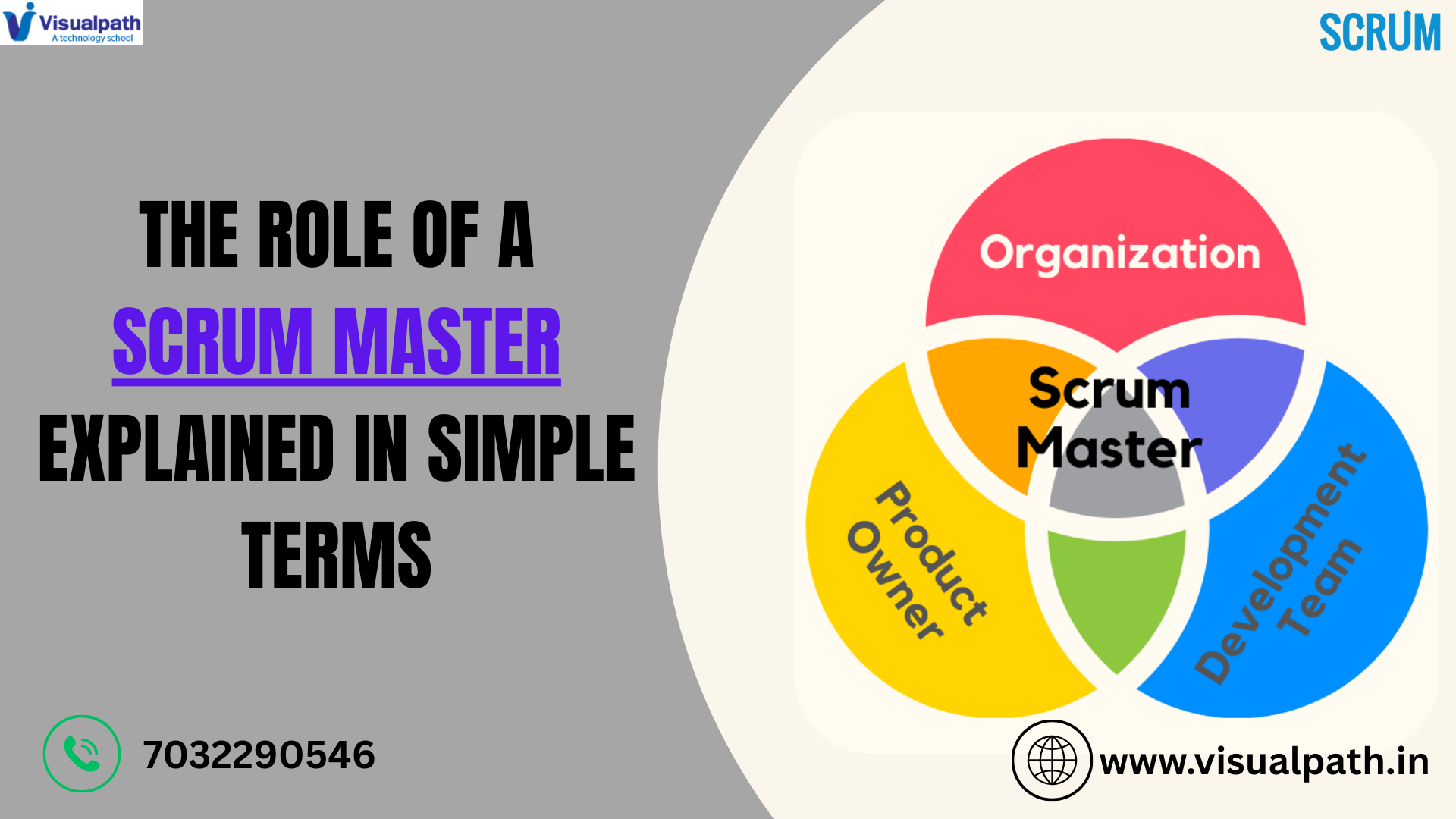
    The Scrum Master role is often misunderstood, especially by those new to Agile and Scrum. Is it a manager? A team lead? A project coordinator? The truth is, it’s none of those—but far more impactful than many realize. In this article, we’ll break down the Scrum Master role in simple terms, show you what they actually do, and explain how a Scrum Master Course or Scrum Master Certification can help you get started.

    What Is a Scrum Master?

    At its core, a Scrum Master is a facilitator and coach. They ensure that a team using the Scrum framework stays on track, follows Agile principles, and continuously improves how they work. Rather than managing people, they support them—removing blockers, encouraging collaboration, and helping the team stay focused on their goals.

    Think of the Scrum Master as the engine oil in a car. They don’t drive (that’s the team and Product Owner), but they help everything run smoothly.

    Day-to-Day Responsibilities of a Scrum Master

    If you were to shadow a Scrum Master, here’s what you’d likely see them doing on a typical day:

    • Hosting Daily Stand-ups: Short daily check-ins where team members share progress and challenges.
    • Guiding Sprint Planning: Helping the team understand what can be accomplished during the upcoming sprint.
    • Facilitating Retrospectives: Encouraging honest feedback and driving team improvements.
    • Removing Roadblocks: Solving internal or external issues that slow down the team.
    • Encouraging Agile Mindsets: Coaching team members and stakeholders in Agile best practices.

    Their focus isn’t just the process—it’s the people. They help teams stay engaged, motivated, and self-organized.

    Why Is the Scrum Master Role Important?

    Without a Scrum Master, teams can struggle with inefficiency, miscommunication, or simply falling back into bad habits. A skilled Scrum Master can:

    • Improve team productivity
    • Foster better communication
    • Reduce risks and delays
    • Boost morale and accountability
    • Align the team with business goals

    This is why many companies prefer candidates who have gone through a, participated in hands-on Scrum Master Training, or earned a respected.

    How to Become a Scrum Master: Step-by-Step

    If the Scrum Master role sounds like a career path you want to pursue, here’s how to begin:

    1. Learn the Basics of Scrum

    Understand Scrum values, roles, and events. Free online resources are a good starting point, but a structured Scrum Master Course gives you a stronger foundation.

    2. Enroll in a Scrum Master Training Program

    Interactive Scrum Master Training helps you apply theory to real-world team scenarios. It’s more than reading—you’ll practice facilitation, problem-solving, and Agile coaching.

    3. Get Certified

    A recognized Scrum Master Certification (like CSM, PSM, or Safe SM) adds credibility and helps you stand out to employers. It also shows your commitment to the Agile profession.

    4. Apply Your Skills in Real Teams

    The best way to grow is through experience. Volunteer on Agile projects, shadow experienced Scrum Masters, or look for entry-level Agile roles to get hands-on practice.

    Conclusion

    The Scrum Master is not a boss, but a guide. Not a task-giver, but a problem-solver. Their real power lies in empowering others and improving how work gets done. If you’re passionate about helping teams succeed, communicating clearly, and creating positive change, this role might be the perfect fit for you. By enrolling in a, joining or earning a Scrum Master Certification, you open the door to a fulfilling career where you don’t just manage work—you help people thrive while doing it.In today’s fast-paced, Agile-driven world, Scrum Masters are more valuable than ever.

    Trending Courses: Cloud Testing, Azure DevOps with Devsecops, Microsoft Fabric etc.

  • How Scrum Masters Drive Agile Success in Organizations

    How Scrum Masters Drive Agile Success in Organizations

    Scrum Masters the world of project management is evolving rapidly, and agile methodologies are at the forefront of this transformation. If you’re looking to accelerate your career in this dynamic field, enrolling in Scrum Master Onlineis a crucial step. This training equips professionals with the knowledge and expertise to drive agile projects efficiently, making them highly sought-after in various industries.

    What is Scrum Master Training?

    Scrum Master Training is a specialized program designed to provide individuals with a deep understanding of Scrum principles, frameworks, and practices. It helps professionals facilitate agile teams, improve collaboration, and enhance overall project efficiency. Many organizations across IT, healthcare, finance, and other sectors are actively seeking certified Scrum Masters to help streamline their processes and improve productivity.

    Benefits of Scrum Master Training

    1. Enhances Career Prospects

    Obtaining Scrum Master Certification Online makes you a valuable asset in the job market. Companies are increasingly prioritizing agile methodologies, and certified Scrum Masters are in high demand.

    2. Improves Leadership and Communication Skills

    As a Scrum Master, you play a crucial role in team coordination and ensuring smooth project execution. Training helps you develop leadership qualities, problem-solving skills, and the ability to foster teamwork in a fast-paced environment.

    3. Boosts Earning Potential

    With the demand for agile professionals growing, those with a Scrum Master Certification Online often enjoy higher salaries and better job opportunities. Organizations recognize the value of Scrum Masters in achieving project success.

    4. Equips You with Practical Knowledge

    Scrum Master Training includes hands-on learning experiences through case studies, interactive discussions, and real-world simulations. This ensures that you can effectively implement Scrum methodologies in your workplace.

    5. Enables Agile Transformation

    Agile transformation is key for companies aiming to stay competitive. By completing Scrum Master Classes, you become a pivotal part of this transformation, helping organizations achieve agility and adaptability.

    6. Expands Networking Opportunities

    By participating in Scrum Master Training, you get the chance to connect with industry professionals, mentors, and other aspiring Scrum Masters. This networking can open doors to new job opportunities and collaborations.

    7. Increases Organizational Efficiency

    A well-trained Scrum Master can help eliminate workflow bottlenecks, improve team dynamics, and enhance productivity, leading to better project outcomes and business success.

    8. Helps You Stand Out in the Job Market

    With many professionals competing for agile roles, having  Agile Coachsets you apart from the competition and gives you an edge in hiring decisions.

    Choosing the Right Scrum Master Training Program

    With various training options available, selecting the right one is crucial. Here are a few factors to consider:

    • Accreditation: Ensure that the training program is accredited by a recognized body such as Scrum Alliance or Scrum.org.
    • Instructor Expertise: Opt for programs led by experienced professionals with a strong background in Scrum methodologies.
    • Flexible Learning Options: Many training providers offer Scrum Master Training, allowing you to learn at your convenience.
    • Exam Preparation: A good training program will prepare you thoroughly for the certification exam.
    • Post-Certification Support: Look for courses that offer career guidance, networking opportunities, and continuous learning resources.

    How to Get Certified as a Scrum Master

    1. Enroll in a Reputable Training Program – Choose a recognized provider that offers Scrum Master Certification Online.
    2. Complete the Training Course – Participate actively in Scrum Master Classes to grasp the key concepts and best practices.
    3. Pass the Certification Exam – Take and pass the Scrum Master Certification exam to earn your credentials.
    4. Apply Your Skills – Gain practical experience by working on agile projects and implementing Scrum methodologies.
    5. Continuous Learning – Stay updated with the latest trends and advancements in agile project management to enhance your expertise.

    Conclusion

    In today’s fast-paced business environment, agility is key to success. Scrum Master Training not only prepares you to lead agile teams effectively but also significantly enhances your career prospects. Whether you are looking to advance in your current role or transition into a new industry, investing in Scrum Master Online Training can provide you with the competitive edge you need. By obtaining a Scrum Master Certification Online, you position yourself as a valuable professional in the job market. The skills you gain through Scrum Master Classes will help you drive successful projects, improve team collaboration, and contribute to organizational efficiency.

    Trending Courses: Cloud Testing, Azure Devops with Devsecops, Microsoft Fabric etc.

  • Why a Scrum Master is Essential for Agile Project Success

    Why a Scrum Master is Essential for Agile Project Success

    In today’s fast-paced digital world, Agile methodologies have revolutionized project management. At the heart of any successful Agile team is a Scrum Master, a professional who ensures smooth collaboration, efficiency, and goal-oriented execution. But why is a Scrum Master essential for Agile project success? This article explores their critical role and the impact they have on team performance.

    The Role of a Scrum Master in Agile Teams

    A Scrum Master serves as a facilitator, coach, and problem solver. Unlike traditional project managers, they do not dictate tasks but empower teams to self-organize and deliver value efficiently. Their primary responsibilities include:

    • Facilitating Scrum Events: Ensuring daily stand-ups, sprint planning, and retrospectives are productive Scrum Master Training.
    • Removing Roadblocks: Identifying and eliminating obstacles hindering progress.
    • Coaching Agile Principles: Educating teams on Agile best practices and mind-set.
    • Enhancing Team Collaboration: Encouraging transparency and open communication.
    • Boosting Morale: Keeping teams motivated and engaged, ensuring they stay aligned with the project’s goals.
    • Promoting Adaptability: Helping teams embrace change and pivot strategies when necessary.

    By undertaking these tasks, a Scrum Master plays a pivotal role in the project’s overall success.

    Benefits of Having a Scrum Master              

    The presence of a Scrum Master in Agile projects brings multiple benefits:

    1. Improved Team Productivity

    A Scrum Master ensures that teams remain focused, avoid distractions, and prioritize their work effectively. This leads to faster development cycles and enhanced project delivery.

    2. Better Communication and Collaboration

    They act as a bridge between stakeholders, developers, and product owners, ensuring everyone is Agile Facilitator on goals and expectations. This fosters a culture of trust and transparency.

    3. Faster Problem Resolution

    With a dedicated professional identifying and addressing issues early, teams can mitigate risks and maintain steady progress throughout the development process.

    4. Continuous Improvement

    Through sprint reviews and retrospectives, a Scrum Master helps teams analyze their performance and implement necessary improvements for future projects.

    5. Higher Customer Satisfaction

    By ensuring Scrum Facilitator principles are followed correctly, a Scrum Master helps deliver high-quality products that meet customer expectations. The iterative approach ensures continuous feedback and enhancements, leading to increased client satisfaction.

    6. Stronger Alignment with Business Goals

    Scrum Masters work closely with product owners and stakeholders to ensure development efforts align with broader business objectives, improving return on investment (ROI).

    The Importance of Scrum Master Certification

    To become an effective Scrum Master, undergoing Scrum Master Course, Scrum Master Training, and earning a Scrum Master Certification Online is highly beneficial. These certifications validate expertise and equip professionals with the necessary skills to lead Agile teams successfully.

    1. Scrum Master Course

    A structured Scrum Master Course covers the fundamentals of Agile and Scrum frameworks, making it essential for aspiring professionals.

    2. Scrum Master Training

    Hands-on Scrum Master Training helps professionals gain practical experience in handling real-world Agile challenges.

    3. Scrum Master Certification Online

    Earning a Scrum Master Certification Online provides credibility and enhances career opportunities, allowing professionals to stand out in the job market.

    Conclusion

    A Scrum Master is not just a facilitator but a key player in ensuring Agile project success. Their ability to improve productivity, resolve challenges, and foster collaboration makes them indispensable. Whether you’re an organization looking to optimize Agile processes or an individual aiming to excel in this role, investing in a Scrum Master Course, Scrum Master Training, and Scrum Master Certification Online can be the stepping stone to success. By embracing the role of a Scrum Master, businesses can achieve streamlined workflows, higher efficiency, and successful project outcomes. In an era where Agile is becoming the standard, having a skilled Scrum Master can mean the difference between project failure and long-term success. Organizations that prioritize this role are better equipped to handle market changes, innovation, and team efficiency, ensuring continuous growth and improvement.

    Trending Courses: OpenShift, Azure Devops with Devsecops, AWS Quick Sight etc.

  • How Scrum Masters Can Help Teams Overcome Sprint Failures

    How Scrum Masters Can Help Teams Overcome Sprint Failures

    Agile development, sprint failures can be frustrating, but they also present opportunities for growth and improvement. A Scrum Master plays a crucial role in identifying the causes, addressing issues, and ensuring continuous improvement. In this article, we explore how Scrum Masters can help teams navigate sprint failures effectively.

    Understanding Sprint Failures

    A sprint failure occurs when a development team is unable to meet the goals set for a sprint. This can happen due to unrealistic expectations, technical roadblocks, poor team collaboration, or a lack of proper sprint planning. While sprint failures are common, they should be seen as learning opportunities rather than setbacks.

    The Role of a Scrum Master in Sprint Failures

    A Scrum Master is responsible for guiding teams through Agile processes, facilitating communication, and ensuring that the team follows Scrum principles. When a sprint fails, the Scrum Master must take proactive steps to analyse the situation, identify the root causes, and implement solutions.

    Steps a Scrum Master Can Take to Overcome Sprint Failures

    1. Facilitate an Effective Sprint Retrospective

    The Scrum Master should conduct a sprint retrospective to discuss what went wrong and what improvements can be made. Encouraging open and honest discussions helps in identifying recurring issues. By leveraging techniques learned in Scrum Master Certification, a Scrum Master can create a culture of continuous learning and adaptation.

    2. Identify and Address Bottlenecks

    A major reason for sprint failures is workflow bottlenecks. The Scrum Master should work closely with the team to identify these obstacles and implement solutions. Whether it’s a lack of resources, unclear requirements, or technical debt, addressing these issues early can prevent future failures.

    3. Improve Sprint Planning and Goal Setting

    Many sprint failures stem from poor planning. The Scrum Master should ensure that sprint goals are realistic, well-defined, and aligned with the team’s capacity. By applying skills gained through a Scrum Master Course, Scrum Masters can guide teams in setting achievable targets.

    4. Foster Strong Team Collaboration

    Poor communication and lack of collaboration often contribute to sprint failures. A Scrum Master should facilitate daily stand-ups, encourage teamwork, and ensure that all team members are aligned on project goals. Regular check-ins and transparency help teams stay on track.

    5. Adapt and Improve Agile Processes

    Agility is all about continuous improvement. A Scrum Master should continuously refine Agile processes based on feedback from previous sprints. Enrolling in Scrum Master Online Training can help Scrum Masters stay updated with the latest Agile methodologies and best practices.

    6. Manage Stakeholder Expectations

    Sometimes, sprint failures occur due to misaligned stakeholder expectations. The Scrum Master should act as a bridge between the development team and stakeholders, ensuring clear communication and realistic expectations. Setting clear priorities and delivering incremental progress reports can mitigate risks.

    7. Encourage a Growth Mindset

    A Scrum Master should foster a culture where failures are seen as opportunities to learn rather than reasons for blame. Encouraging a growth mindset within the team helps in building resilience and improving future sprint performances.

    Conclusion

    Sprint failures are inevitable, but they don’t have to be detrimental. A Scrum Master plays a crucial role in helping teams navigate challenges, optimize Agile practices, and continuously improve. By utilizing strategies learned in Scrum Master Certification, and Scrum Master Online Training, Scrum Masters can drive their teams toward success in every sprint.

    Trending Courses: Multi-Cloud DevSecOps, AWS DevSecOps, Cypress. Etc.

  • Scrum Master Leadership: Balancing Authority and Servant Leadership

    Scrum Master Leadership: Balancing Authority and Servant Leadership

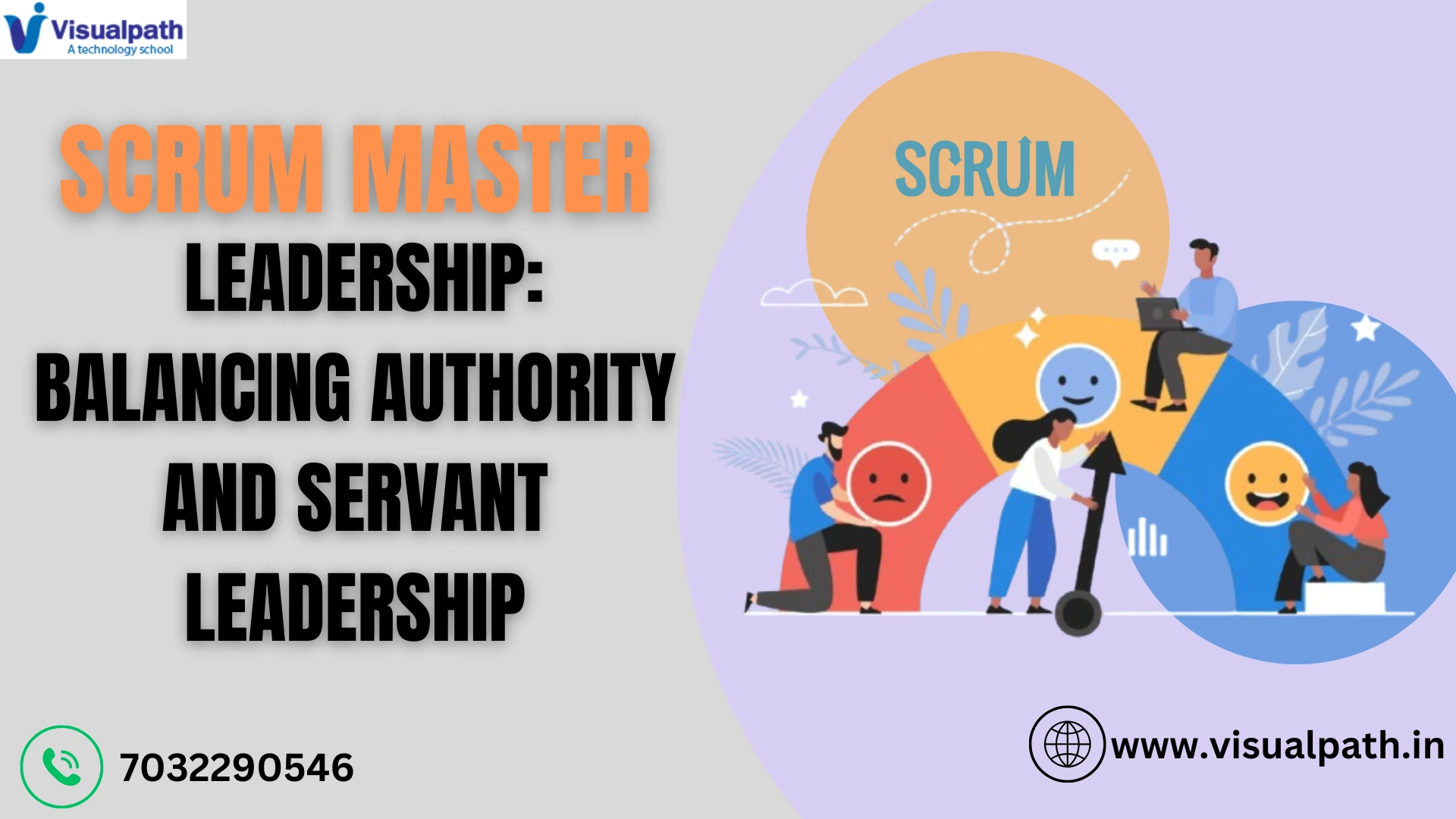
    The Scrum Master is often misunderstood as either a project manager in disguise or merely a facilitator with no real authority. In reality, the role demands a unique leadership approach—one that balances authority with servant leadership. This delicate balance is crucial for fostering a high-performing Agile team while ensuring adherence to Scrum principles.

    Understanding Authority in the Scrum Master Role

    While the Scrum Master does not wield authority in a traditional managerial sense, they still possess an influential leadership role. Their authority stems from their deep understanding of Agile principles, ability to resolve conflicts, and skill in guiding teams toward self-organization.

    Authority in this context means:

    • Ensuring Scrum is followed: The Scrum Master upholds Scrum values and ensures that the team adheres to Agile best practices.
    • Protecting the team: They shield the team from external pressures and distractions, allowing them to focus on delivering high-quality work.
    • Facilitating decision-making: Instead of making decisions for the team, they create an environment where informed and collective decisions can be made Scrum Master Course.
    • Holding stakeholders accountable: The Scrum Master ensures that the Product Owner and leadership fulfill their responsibilities, advocating for the team’s needs when necessary.

    The Essence of Servant Leadership

    A Scrum Master is, first and foremost, a servant leader. This means prioritizing the needs of the team, fostering collaboration, and helping team members grow both individually and collectively. Servant leadership involves:

    • Listening and understanding: Taking the time to understand team dynamics, individual strengths, and challenges before taking action.
    • Removing impediments: Proactively identifying and eliminating obstacles that hinder the team’s progress.
    • Empowering the team: Encouraging self-organization and autonomy, allowing team members to take ownership of their work Scrum Master Training.
    • Coaching rather than directing: Guiding the team toward solutions instead of dictating them.
    • Promoting a culture of trust: Creating a safe environment where team members feel valued, heard, and motivated to improve continuously.

    Striking the Right Balance

    Balancing authority and servant leadership software online training institute is a skill that develops over time. must adapt their approach based on the maturity of the team, the organizational culture, and the challenges at hand. Here are some ways to strike this balance:

    1. Be firm on principles, flexible in execution: A Scrum Master should not compromise on agile principles but should adapt their approach based on team dynamics.
    2. Lead by influence, not command: Authority should come from knowledge, trust, and credibility rather than hierarchical power.
    3. Encourage accountability within the team: Instead of enforcing rules, facilitate a culture where team members hold each other accountable Scrum Master Online.
    4. Know when to step back: A Scrum Master should avoid micromanagement and trust the team to solve problems independently whenever possible.
    5. Act as a bridge, not a barrier: Ensure smooth collaboration between the development team, Product Owner, and stakeholders while protecting the team from unnecessary interference.

    Conclusion

    The best Scrum Masters are those who can seamlessly blend authority with servant leadership. They do not impose control but instead empower teams to function at their best. By fostering a culture of trust, accountability, and continuous improvement, a Scrum Master becomes a catalyst for Agile success. The key lies in knowing when to guide and when to step back, ensuring that the team remains self-sufficient while staying aligned with Agile principles. In the end, a great Scrum Master leads not by exerting control but by inspiring, enabling, and supporting the team in achieving its full potential.

  • Scrum Master Communication Strategies for Better Collaboration

    Scrum Master Communication Strategies for Better Collaboration

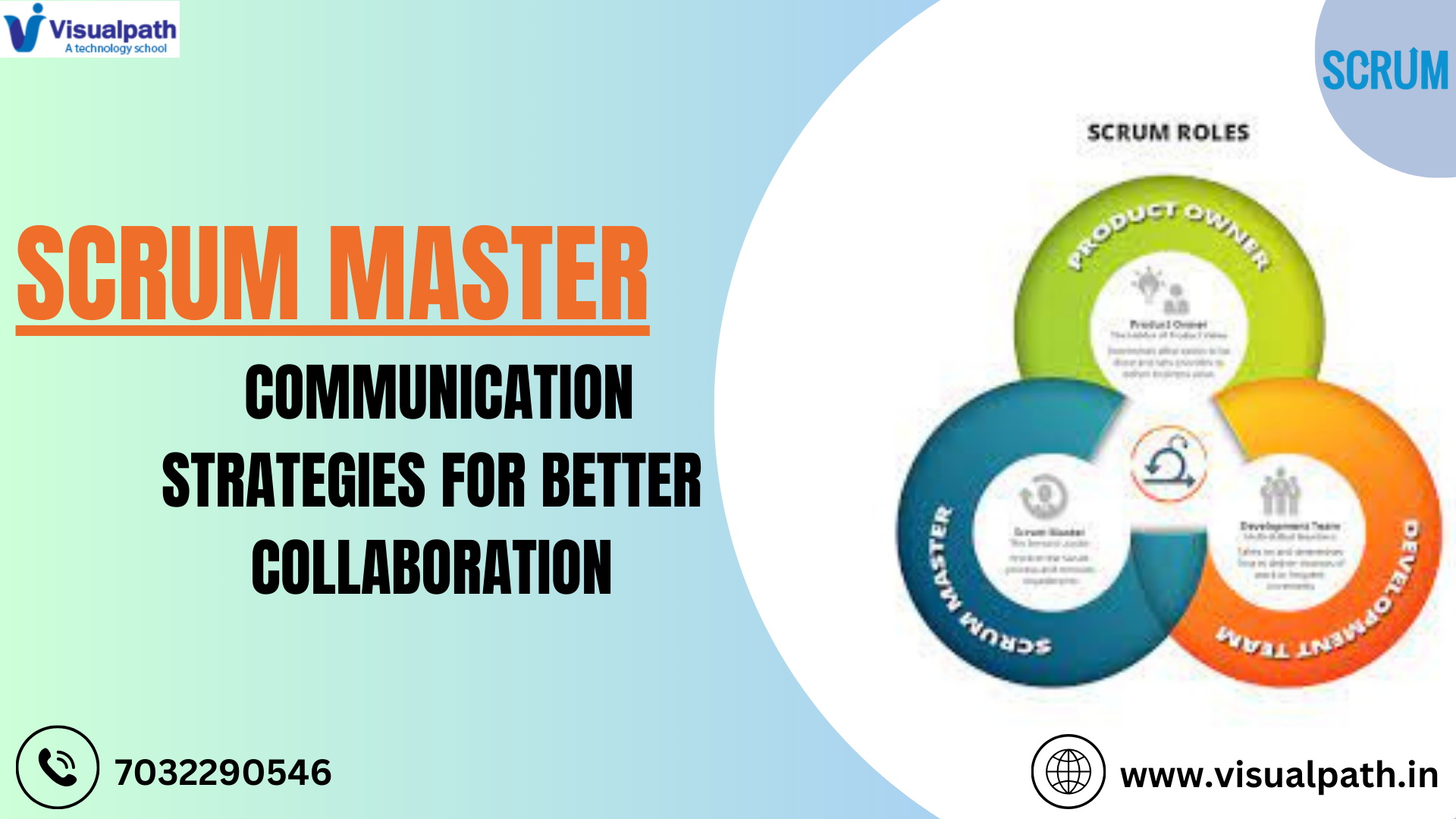
    The Scrum Master as the servant-leader of the team, plays a pivotal role in ensuring smooth communication between team members, stakeholders, and the wider organization. A Scrum Master is not only a facilitator but also a coach who helps the team work more efficiently, ensuring that obstacles are removed, processes are followed, and collaboration thrives. In this article, we’ll explore key communication strategies that Agilecan use to foster better collaboration within their teams and with stakeholders.

    1. Active Listening and Empathy

    The first and foremost communication skill for any Scrum Master is active listening. Scrum Masters must listen attentively to team members during daily standups, sprint planning, and retrospectives. By actively listening, they can identify potential roadblocks or concerns that team members may have, which might otherwise go unnoticed. Active listening involves giving full attention to the speaker, asking clarifying questions, and reflecting on what’s being said.

    In addition to listening, Scrum Masters must practice empathy. Understanding the emotional state of team members helps in building trust and creating a safe space where everyone feels heard. Empathy fosters an environment where team members are more likely to express concerns and offer suggestions, leading to stronger collaboration and team cohesion.

    2. Clear and Concise Communication

    Scrum Masters need to ensure that communication within the team is clear and concise. Whether it’s discussing user stories, sprint goals, or product backlog items, clarity is essential for ensuring that everyone is on the same page. A Scrum Master should avoid jargon or complex language that may confuse the team, especially when dealing with non-technical stakeholders Scrum Master Course.

    For example, when working with stakeholders, Scrum Masters must break down technical details into terms that are easily understandable, ensuring there’s no room for misunderstanding. This is particularly important in a software online training institute, where the team might need to communicate effectively with learners or external clients who may not have in-depth technical knowledge.

    3. Regular Check-Ins and Feedback Loops

    Effective communication in Scrum is iterative, just like the development process itself. Scrum Masters can establish regular check-ins with team members to ensure ongoing feedback and improvement. The Scrum framework encourages continuous feedback, and Scrum Masters should use every opportunity—whether it’s a sprint review or retrospective—to collect feedback from the team.

    Regular check-ins give Scrum Masters the chance to address issues before they become significant problems. For example, during daily standups, team members can openly discuss what’s working well and what isn’t. As a Scrum Master, fostering an open dialogue helps maintain a collaborative environment where everyone’s voice matters.

    4. Fostering Open and Transparent Communication

    Transparency is a cornerstone of Scrum. Scrum Masters must foster an environment where open communication is encouraged and where all information, including potential risks or obstacles, is shared freely. This transparency helps in building trust among team members and between the team and stakeholders Scrum Master Training.

    Scrum Masters should ensure that all relevant information is visible and easily accessible. For example, maintaining a clear and up-to-date product backlog, sprint board, and task boards will allow the entire team to track progress and identify issues early on. This level of transparency can also help external stakeholders, such as those in a software online training institute, to understand project timelines and product development stages.

    5. Facilitating Cross-Functional Collaboration

    Scrum encourages cross-functional teams, and it’s up to the Scrum Master to facilitate collaboration between different functions, such as developers, testers, designers, and business analysts. Scrum Masters can encourage this collaboration by organizing sessions where team members from different roles can share their perspectives and work together to solve problems in Scrum Master Online.

    For example, a Scrum Master might organize a brainstorming session during a sprint to encourage collaboration between developers and testers on how to approach complex features. When communication between functions flows smoothly, it leads to faster problem-solving, better quality products, and more efficient sprint cycles.

    6. Handling Conflicts Constructively

    In any team, conflicts are bound to arise. Scrum Masters must be equipped with conflict resolution skills to handle disputes and prevent them from affecting team morale and productivity. Instead of avoiding conflicts, a Scrum Master should approach them in a constructive manner, focusing on the issue rather than personal differences.

    By facilitating respectful discussions and encouraging team members to understand each other’s points of view, Scrum Masters can turn conflicts into opportunities for growth and collaboration. Creating a safe environment where team members feel confident to voice differing opinions is crucial for maintaining harmony and improving teamwork.

    Conclusion

    Communication is the lifeblood of any Scrum team. Scrum Masters play an essential role in ensuring that team members collaborate effectively, both within the team and with external stakeholders. By employing strategies like active listening, clear communication, regular feedback loops, fostering transparency, facilitating cross-functional collaboration, and managing conflicts constructively, Scrum Masters can build a team culture that thrives on collaboration and continuous improvement.

    For those looking to deepen their knowledge of Scrum and Agile methodologies, enrolling in a software online training institute can provide valuable insights into these communication strategies and enhance a Scrum Master’s ability to lead their team to success.

    Trending Courses:  AWS AI,  Data Analytics, GCP Data Engineer

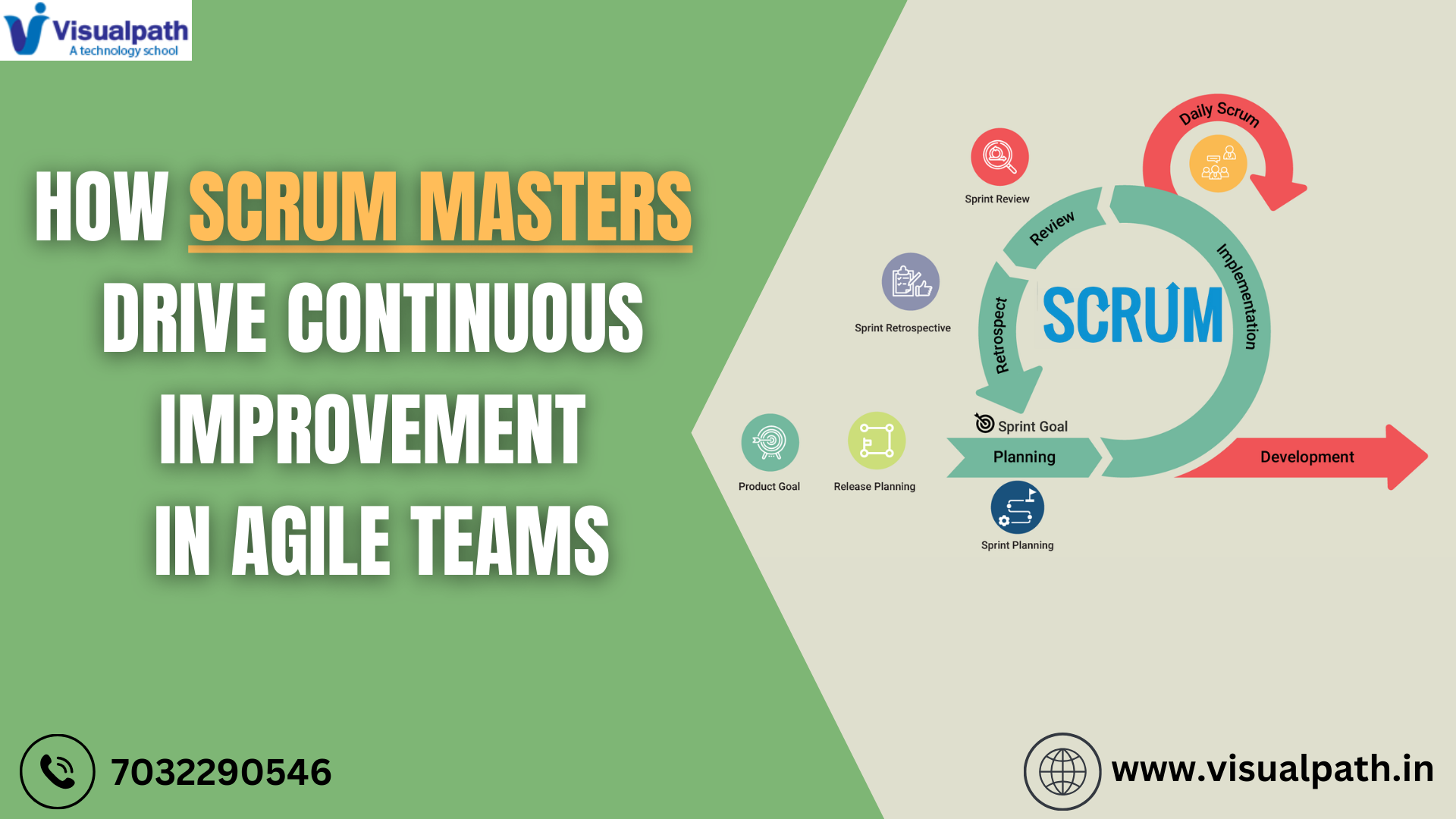
  • How Scrum Masters Drive Continuous Improvement in Agile Teams

    How Scrum Masters Drive Continuous Improvement in Agile Teams

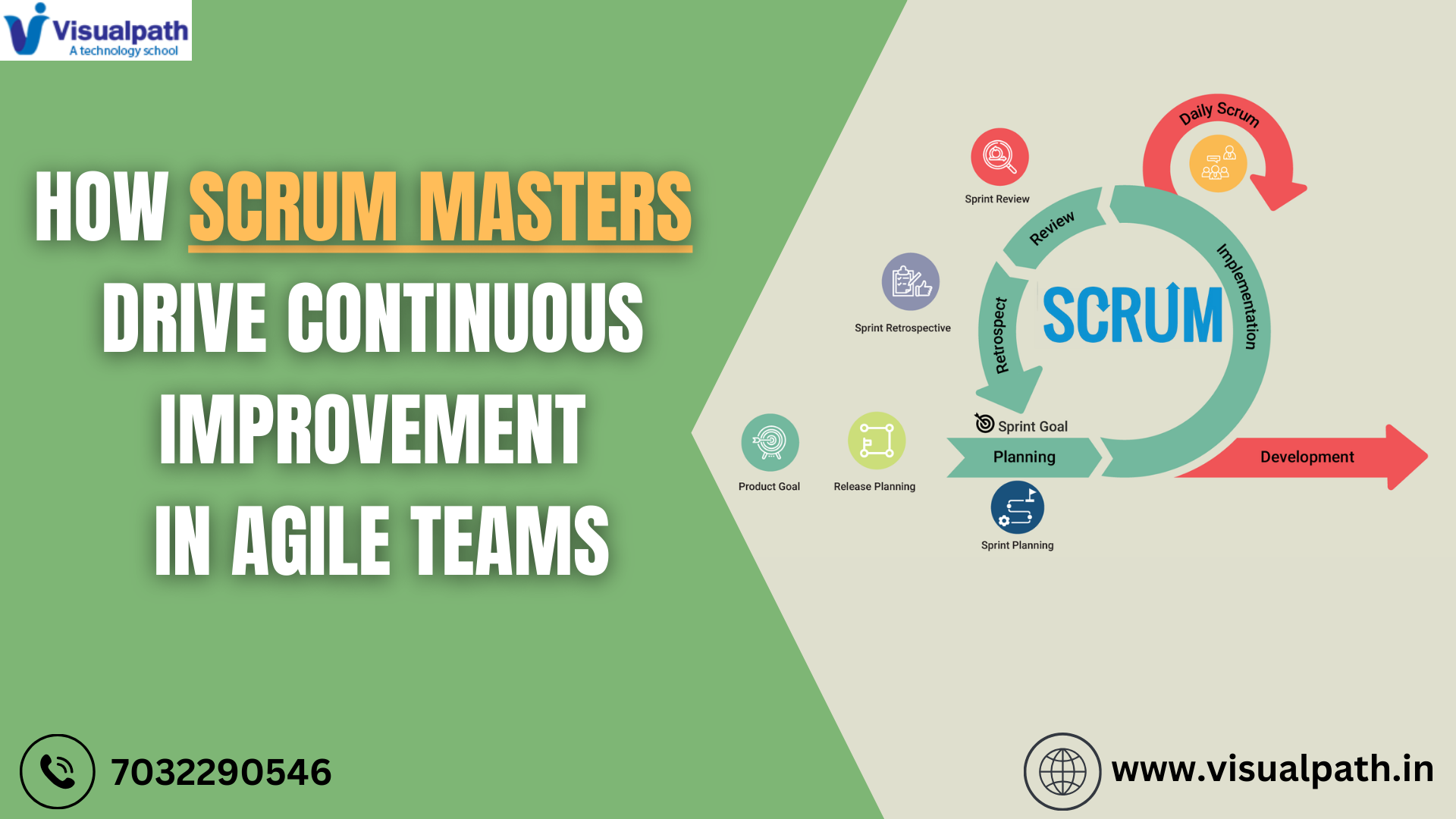
    Scrum Masters play a crucial role in helping Agile teams grow, adapt, and continuously improve their processes. As facilitators of the Scrum framework, promoting a culture of constant reflection, learning, and enhancement. In this article, we will explore how Scrum Masters actively drive continuous improvement in Agile teams and how their efforts contribute to higher team performance and overall success.

    1. Facilitating Retrospectives for Reflection and Action

    One of the primary tools Scrum Masters use to drive continuous improvement is the Sprint Retrospective. This regular meeting encourages the team to reflect on the completed Sprint and identify what went well, what didn’t, and what could be improved. The Scrum Master acts as a facilitator, guiding the team through discussions that lead to actionable improvements. By fostering an environment of openness and trust, Scrum Masters help teams feel safe in sharing both positive and negative feedback.

    Scrum Masters ensure that retrospectives don’t just serve as a venue for venting frustrations but become a space for constructive problem-solving. They encourage the team to focus on specific, actionable items that can be implemented in the next Sprint. This approach not only improves the team’s processes but also strengthens collaboration and ownership among team members.

    2. Empowering the Team to Own Their Processes

    A Scrum Master’s job is not to tell the team what to do but to create an environment where the team can take ownership of their processes. By empowering the team to identify their own challenges and solutions, Scrum Masters instill a sense of responsibility for continuous improvement in Scrum Master Course

    For example, when a team encounters roadblocks such as communication gaps or delays in workflow, the Scrum Master encourages them to explore solutions together. Whether it’s adjusting their Definition of Done or improving their daily stand-ups, the Scrum Master helps the team identify opportunities for change, allowing them to feel more control over their work environment and results.

    3. Encouraging a Growth Mindset

    Scrum Masters help cultivate a growth mindset within the team, where failures are seen as learning opportunities rather than setbacks. By embracing this mindset, team members are more likely to experiment, take risks, and learn from their mistakes, all of which contribute to improvement.

    A Scrum Master fosters this environment by encouraging the team to focus on learning over perfection. They remind the team that mistakes are part of the journey and should be used as stepping stones for improvement. Whether it’s trying new tools, revising workflows, or adjusting Sprint goals, the Scrum Master supports the team’s evolution by reframing challenges as opportunities for growth.

    4. Identifying and Removing Impediments

    Continuous improvement cannot happen without the removal of obstacles that hinder the team’s progress. Scrum Masters actively identify and work to eliminate these impediments, whether they are external barriers, inefficient processes, or interpersonal conflicts within the team Scrum Master Training

    By regularly checking in with team members, Scrum Masters gain insight into the pain points that may be holding back performance. They then work to remove or mitigate these impediments, which often leads to faster delivery and smoother workflows. Removing obstacles empowers the team to work more efficiently, ultimately fostering continuous improvement in their processes and output.

    5. Fostering Collaboration and Communication

    Effective communication and collaboration are essential for continuous improvement in an Agile team. Scrum Masters help facilitate communication between team members, product owners, and stakeholders to ensure alignment on goals and priorities. They ensure that everyone has a voice in the decision-making process and that important information flows smoothly across the team.

    By enhancing collaboration, Scrum Masters help teams become more adaptive and responsive to changes. This flexibility enables the team to embrace new approaches and continuously refine their practices to deliver better results over time.

    6. Utilizing Metrics to Drive Improvement

    Scrum Masters also leverage metrics and feedback loops to identify areas for improvement. Key performance indicators such as Sprint velocity, burndown charts, and cycle time provide valuable insights into how the team is performing and where bottlenecks may exist.

    While metrics shouldn’t drive decision-making in isolation, they offer a data-driven way to assess the effectiveness of changes made during retrospectives or process adjustments. Scrum Masters use these insights to guide discussions on how to improve, helping the team refine their approach and make measurable progress in every Scrum Master Classes

    7. Promoting Continuous Learning

    To sustain continuous improvement, Scrum Masters advocate for ongoing learning. This may involve facilitating training sessions, recommending external resources, or encouraging cross-team collaboration. By supporting personal and professional development, Scrum Masters ensure that team members are equipped with the skills and knowledge necessary to excel in their roles and contribute to the team’s growth.

    Conclusion

    Scrum Masters are pivotal in driving continuous improvement within Agile teams. Through their guidance, facilitation of retrospectives, empowerment of the team, and removal of obstacles, Scrum Masters help create an environment that fosters growth, innovation, and collaboration. Their efforts ensure that teams not only deliver high-quality results but also continuously evolve and adapt to meet new challenges. By embracing a mindset of improvement, Scrum Masters online enable teams to unlock their full potential and achieve sustainable success.

  • Scrum Master Survival Guide: Thriving in a Fast-Paced Agile World

    Scrum Master Survival Guide: Thriving in a Fast-Paced Agile World

    Scrum Master is more crucial than ever. Agile methodologies have revolutionized how teams deliver value, but for a Scrum Master, guiding a team through the twists and turns of sprints, stand-ups, and retrospectives can be both exhilarating and challenging. To thrive in this fast-paced world, Agile need a blend of technical know-how, leadership skills, and emotional intelligence. Let’s explore the key strategies that can help Scrum Masters not just survive but truly excel.

    1. Master the Art of Facilitation

    A Scrum Master is not a project manager in disguise — they are facilitators of collaboration. Effective facilitation means running productive daily stand-ups, planning sessions, and retrospectives while ensuring that all voices are heard. It’s about fostering a space where teams feel safe to share ideas and concerns.

    Pro tip: Use time boxing techniques to keep meetings focused and efficient. Encourage participation by rotating roles within ceremonies, allowing team members to lead discussions or capture notes Scrum Master Online.

    2. Embrace Continuous Learning

    The Agile world is ever-evolving. New frameworks, tools, and practices emerge regularly. Staying relevant means continuously expanding your knowledge.

    Action steps:

    • Join Agile communities, attend webinars, and participate in Scrum Master meetups.
    • Pursue advanced certifications like Certified Scrum Professional (CSP) or SAFe Scrum Master (SSM).
    • Read influential books such as Scrum: The Art of Doing Twice the Work in Half the Time by Jeff Sutherland.

    3. Develop Emotional Intelligence

    Being a Scrum Master is as much about people as it is about processes. Understanding team dynamics, mediating conflicts, and fostering psychological safety are essential.

    Key practices:

    • Active listening: Focus fully on what team members are saying without preparing your response in advance.
    • Empathy: Recognize the emotions behind a teammate’s words and actions.
    • Constructive feedback: Offer feedback in a way that promotes growth rather than defensiveness.

    4. Shield the Team without Becoming a Bottleneck

    One of a Scrum Master’s core responsibilities is removing impediments, but that doesn’t mean acting as a gatekeeper for every issue. Encourage team members to raise and resolve blockers independently when possible.

    Strategy: Foster a culture of ownership by asking open-ended questions like, “What steps can we take to solve this?” This empowers teams to think critically and collaboratively.

    5. Balance Flexibility with Discipline

    Agility doesn’t mean chaos. A successful Scrum Master knows how to strike a balance between adaptability and maintaining the integrity of Scrum Master Course principles.

    Tips:

    • Be flexible in how ceremonies are run, but ensure their core purpose remains intact.
    • Adapt to team maturity levels — newer teams may require more structure, while experienced teams may benefit from greater autonomy.

    6. Measure What Matters

    While Agile focuses on delivering value over following rigid processes, metrics still play a role in guiding continuous improvement.

    Key metrics:

    • Sprint velocity: Helps track how much work a team completes each sprint Scrum Master Classes.
    • Cycle time: Measures how long it takes for a task to go from start to finish.
    • Team satisfaction surveys: Gauge how team members feel about their work and collaboration.

    Final Thoughts

    Thriving as a Scrum Master in a fast-paced Agile world means embracing both the human and technical sides of the role. It requires continuous learning, strong facilitation, emotional intelligence, and the ability to balance flexibility with discipline. By fostering collaboration, encouraging ownership, and focusing on meaningful metrics, you’ll not only survive but inspire your team to reach new heights.

    Conclusion

    In the whirlwind of Agile environments, a Scrum Master Training role goes far beyond managing sprints. It’s about being a servant leader, a coach, and a continuous learner. By mastering facilitation, embracing emotional intelligence, and promoting team autonomy, you create an atmosphere where innovation and collaboration thrive. Remember, your success as a Scrum Master is reflected in the growth and accomplishments of your team. Stay agile, stay adaptable, and keep inspiring progress every sprint.

    Visualpath is the Leading and Best Software Online Training Institute in Hyderabad.

    For More Information about Scrum Master Course

    Contact Call/WhatsApp: +91-7032290546

    Visit: https://www.visualpath.in/online-scrum-master-course.html

  • How Scrum Masters Drive Continuous Improvement in Agile Teams

    How Scrum Masters Drive Continuous Improvement in Agile Teams

    Scrum Masters play a crucial role in helping Agile teams grow, adapt, and continuously improve their processes. As facilitators of the Scrum framework, promoting a culture of constant reflection, learning, and enhancement. In this article, we will explore how Scrum Masters actively drive continuous improvement in Agile teams and how their efforts contribute to higher team performance and overall success.

    1. Facilitating Retrospectives for Reflection and Action

    One of the primary tools Scrum Masters use to drive continuous improvement is the Sprint Retrospective. This regular meeting encourages the team to reflect on the completed Sprint and identify what went well, what didn’t, and what could be improved. The Scrum Master acts as a facilitator, guiding the team through discussions that lead to actionable improvements. By fostering an environment of openness and trust, Scrum Masters help teams feel safe in sharing both positive and negative feedback.

    Scrum Masters ensure that retrospectives don’t just serve as a venue for venting frustrations but become a space for constructive problem-solving. They encourage the team to focus on specific, actionable items that can be implemented in the next Sprint. This approach not only improves the team’s processes but also strengthens collaboration and ownership among team members.

    2. Empowering the Team to Own Their Processes

    A Scrum Master’s job is not to tell the team what to do but to create an environment where the team can take ownership of their processes. By empowering the team to identify their own challenges and solutions, Scrum Masters instill a sense of responsibility for continuous improvement in Scrum Master Course

    For example, when a team encounters roadblocks such as communication gaps or delays in workflow, the Scrum Master encourages them to explore solutions together. Whether it’s adjusting their Definition of Done or improving their daily stand-ups, the Scrum Master helps the team identify opportunities for change, allowing them to feel more control over their work environment and results.

    3. Encouraging a Growth Mindset

    Scrum Masters help cultivate a growth mindset within the team, where failures are seen as learning opportunities rather than setbacks. By embracing this mindset, team members are more likely to experiment, take risks, and learn from their mistakes, all of which contribute to improvement.

    A Scrum Master fosters this environment by encouraging the team to focus on learning over perfection. They remind the team that mistakes are part of the journey and should be used as stepping stones for improvement. Whether it’s trying new tools, revising workflows, or adjusting Sprint goals, the Scrum Master supports the team’s evolution by reframing challenges as opportunities for growth.

    4. Identifying and Removing Impediments

    Continuous improvement cannot happen without the removal of obstacles that hinder the team’s progress. Scrum Masters actively identify and work to eliminate these impediments, whether they are external barriers, inefficient processes, or interpersonal conflicts within the team Scrum Master Training

    By regularly checking in with team members, Scrum Masters gain insight into the pain points that may be holding back performance. They then work to remove or mitigate these impediments, which often leads to faster delivery and smoother workflows. Removing obstacles empowers the team to work more efficiently, ultimately fostering continuous improvement in their processes and output.

    5. Fostering Collaboration and Communication

    Effective communication and collaboration are essential for continuous improvement in an Agile team. Scrum Masters help facilitate communication between team members, product owners, and stakeholders to ensure alignment on goals and priorities. They ensure that everyone has a voice in the decision-making process and that important information flows smoothly across the team.

    By enhancing collaboration, Scrum Masters help teams become more adaptive and responsive to changes. This flexibility enables the team to embrace new approaches and continuously refine their practices to deliver better results over time.

    6. Utilizing Metrics to Drive Improvement

    Scrum Masters also leverage metrics and feedback loops to identify areas for improvement. Key performance indicators such as Sprint velocity, burndown charts, and cycle time provide valuable insights into how the team is performing and where bottlenecks may exist.

    While metrics shouldn’t drive decision-making in isolation, they offer a data-driven way to assess the effectiveness of changes made during retrospectives or process adjustments. Scrum Masters use these insights to guide discussions on how to improve, helping the team refine their approach and make measurable progress in every Scrum Master Classes

    7. Promoting Continuous Learning

    To sustain continuous improvement, Scrum Masters advocate for ongoing learning. This may involve facilitating training sessions, recommending external resources, or encouraging cross-team collaboration. By supporting personal and professional development, Scrum Masters ensure that team members are equipped with the skills and knowledge necessary to excel in their roles and contribute to the team’s growth.

    Conclusion

    Scrum Masters are pivotal in driving continuous improvement within Agile teams. Through their guidance, facilitation of retrospectives, empowerment of the team, and removal of obstacles, Scrum Masters help create an environment that fosters growth, innovation, and collaboration. Their efforts ensure that teams not only deliver high-quality results but also continuously evolve and adapt to meet new challenges. By embracing a mindset of improvement, Scrum Masters online enable teams to unlock their full potential and achieve sustainable success.

  • Scrum Master Accelerator: Drive Agile Excellence

    Scrum Master Accelerator: Drive Agile Excellence

    Scrum Master a pivotal role responsible for guiding teams through the agile process, fostering collaboration, and ensuring continuous improvement. If you’re ready to elevate your career and become an agileleader, the Scrum program is your gateway to mastering Scrum and driving agile excellence.

    Why Choose the Scrum Master Accelerator Program?

    The Scrum Master Accelerator is designed for aspiring Scrum Masters, project managers, and agile practitioners who want to sharpen their skills and confidently lead agile teams. This program goes beyond the basics, offering in-depth insights into Scrum principles, real-world applications, and leadership strategies that empower teams to deliver high-quality products efficiently.

    Key Benefits of the Program:

    Comprehensive Curriculum: The program covers all aspects of Scrum, including roles, events, artifacts, and the rules that bind them. You’ll gain a solid foundation in agile principles while exploring advanced techniques like backlog refinement, sprint planning, and effective retrospectives.

    1. Hands-On Learning: Theory alone isn’t enough to become an effective Scrum Master. Our program emphasizes practical learning through case studies, interactive workshops, and real-world simulations. You’ll tackle common challenges faced by agile teams and learn strategies to overcome them. Scrum Master Course
    2. Leadership Development: A Scrum Master is more than just a facilitator — they are a servant leader. The Scrum Master Accelerator equips you with essential leadership skills, such as conflict resolution, team motivation, and stakeholder communication, enabling you to foster a culture of collaboration and innovation.
    3. Industry-Recognized Certification Preparation: Whether you’re pursuing a Certified ScrumMaster (CSM) or Professional Scrum Master (PSM) certification, this program provides the knowledge and confidence needed to pass certification exams and validate your expertise in Scrum.
    4. Career Advancement: Agile methodologies are in high demand across industries. By completing the Scrum Master Accelerator, you position yourself as a valuable asset to organizations seeking to adopt or enhance their agile practices. This opens doors to lucrative roles such as Scrum Master, Agile Coach, and Product Owner.

    Considerations and Challenges:

    While the Scrum Master Accelerator offers numerous benefits, it’s essential to recognize potential challenges:

    1. Time Commitment: The program requires a dedicated time investment to fully grasp the concepts, participate in workshops, and prepare for certifications. Balancing this with existing professional and personal commitments can be demanding.
    2. Application of Skills: Learning the theory is one thing — applying it effectively in a real-world agile environment can be challenging. Success often depends on your ability to adapt Scrum principles to your team’s unique dynamics Scrum Master Classes.
    3. Continuous Learning: Agile is an evolving field. Staying updated with new methodologies, tools, and industry trends is crucial even after completing the program.

    Who Should Enroll?

    The Scrum Master Accelerator is ideal for:

    • Aspiring Scrum Masters seeking to break into the agile space.
    • Project managers transitioning to agile methodologies.
    • Product Owners and team leads wanting to strengthen their Scrum knowledge.
    • Anyone passionate about agile practices and team collaboration.

    Conclusion:

    The Scrum Master Accelerator program is more than just a training course it’s a transformative experience that equips you with the tools, techniques, and confidence to excel as an agile leader. By mastering Scrum principles, developing strong leadership skills, and preparing for industry-recognized certifications, you’ll be ready to guide your teams toward agile excellence. If you’re committed to advancing your career and making a meaningful impact in the agile space, this program is your next step. Take charge of your professional growth and become the Scrum Master that organizations are looking for.

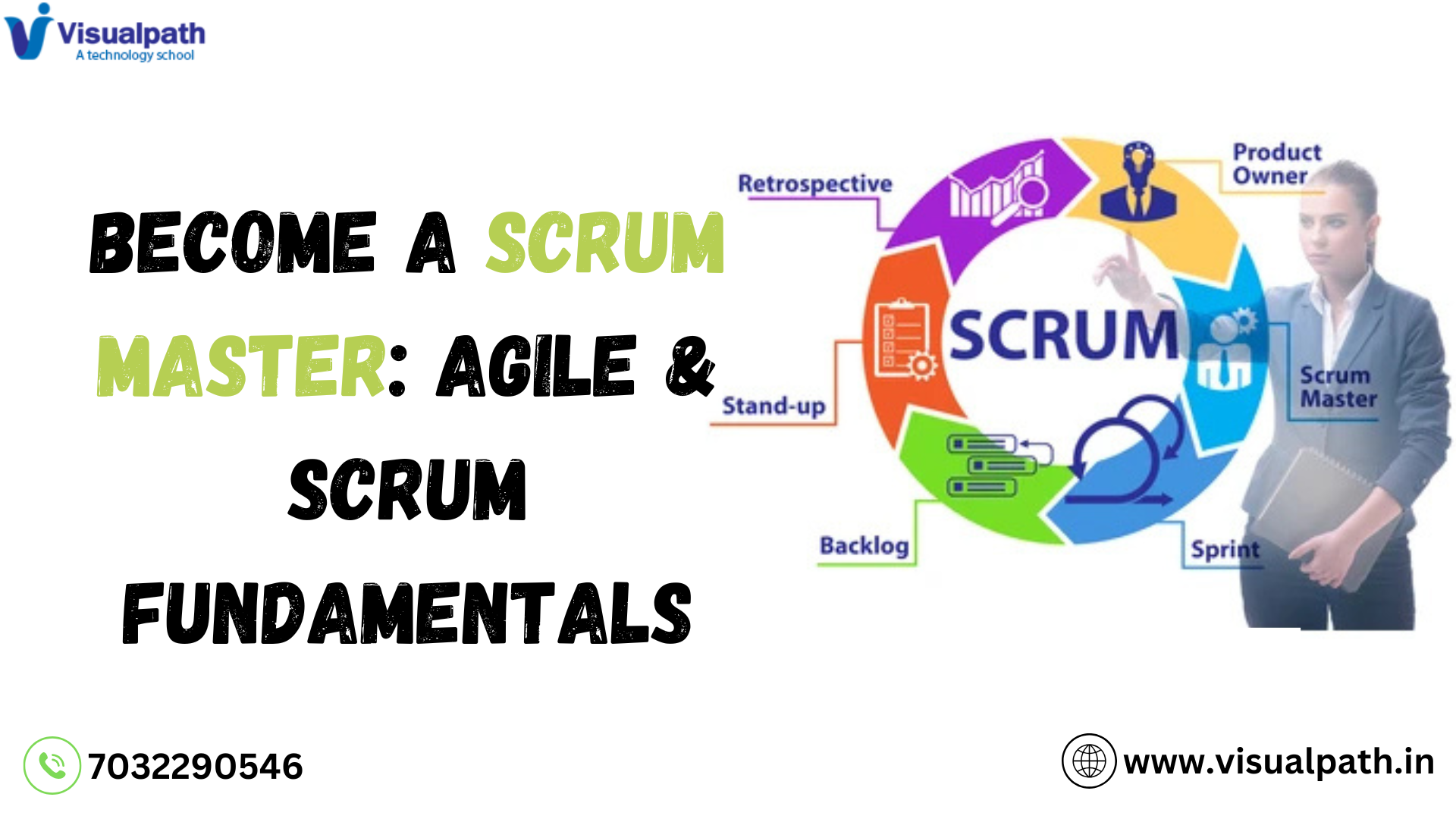
  • Scrum Master: Agile & Scrum Fundamentals

    Scrum Master: Agile & Scrum Fundamentals

    The role of a Scrum Master has become increasingly vital in today’s fast-paced, technology-driven industries. With organizations striving for efficiency, adaptability, and collaboration, Agile methodologies—particularly Scrum—have emerged as game-changers. If you’re aspiring to become a Scrum Master, understanding the fundamentals of Agile and Scrum is essential.

    Understanding Agile

    Agile is a project management and product development approach that emphasizes flexibility, iterative progress, and customer collaboration. Unlike traditional methodologies like Waterfall, Agile enables teams to respond quickly to changes and deliver incremental improvements.

    The Agile Manifesto, introduced in 2001, outlines four core values:

    1. Individuals and interactions over processes and tools.
    2. Working software over comprehensive documentation.
    3. Customer collaboration over contract negotiation.
    4. Responding to change over following a plan.

    These principles guide Agile frameworks such as Scrum, Kanban, and Lean.

    What is Scrum?

    Scrum is one of the most popular Agile frameworks used for managing complex projects. It provides a structured yet flexible approach to delivering high-quality products in short iterations, known as Sprints. Typically, a Sprint lasts between one to four weeks, allowing teams to plan, execute, and review their work in a continuous improvement cycle in Scrum Master Training.

    The Role of a Scrum Master

    A Scrum Master is a servant-leader responsible for facilitating the Scrum process, ensuring that the team follows Scrum principles while removing obstacles that hinder progress. The Scrum Master collaborates with the Product Owner, development team, and stakeholders to foster a productive environment.

    Key Responsibilities of a Scrum Master

    1. Facilitating Scrum Events – The Scrum Master organizes daily stand-ups, Sprint Planning, Sprint Reviews, and Sprint Retrospectives.
    2. Coaching the Team – Educates the team on Agile principles and ensures adherence to Scrum practices.
    3. Removing Impediments – Identifies and eliminates obstacles that slow down progress.
    4. Promoting Collaboration – Encourages teamwork, transparency, and open communication.
    5. Supporting the Product Owner – Assists in backlog refinement and ensures a clear product vision.
    6. Ensuring Continuous Improvement – Helps the team analyze past performance and implement improvements.

    Key Scrum Artifacts

    To effectively manage work, Scrum relies on three key artifacts:

    1. Product Backlog – A prioritized list of features, enhancements, and bug fixes maintained by the Product Owner Scrum Master Online Training
    2. Sprint Backlog – A subset of the Product Backlog containing tasks for the current Sprint.
    3. Increment – A tangible piece of work completed in a Sprint that adds value to the product.

    Important Scrum Ceremonies

    Scrum revolves around five essential events:

    1. Sprint Planning – Defines the work to be accomplished in the upcoming Sprint.
    2. Daily Stand-up (Daily Scrum) – A short meeting to discuss progress and challenges.
    3. Sprint Review – A demonstration of the completed work to stakeholders.
    4. Sprint Retrospective – A reflective session to improve future Sprints.
    5. Backlog Refinement – An ongoing process of updating and prioritizing the Product Backlog.

    Becoming a Certified Scrum Master (CSM)

    To become a certified Scrum Master, consider pursuing one of the widely recognized certifications, such as:

    • Certified Scrum Master (CSM) – Offered by Scrum Alliance.
    • Professional Scrum Master (PSM) – Provided by Scrum.org.
    • Safe Scrum Master (SSM) – Focused on scaling Agile practices.

    These certifications typically involve training sessions and an exam to validate your knowledge.

    Conclusion

    Becoming a Scrum Master requires a deep understanding of Agile and Scrum fundamentals, along with strong leadership and problem-solving skills. By embracing Agile principles, mastering Scrum ceremonies, and fostering collaboration, you can guide teams toward efficiency and success. Whether you’re new to Agile or looking to enhance your career, becoming a Scrum Master is a rewarding journey filled with opportunities for continuous growth and impact.

    Visualpath is the Leading and Best Software Online Training Institute in Hyderabad.

    For More Information about Scrum Master Course

    Contact Call/WhatsApp: +91-7032290546

    Visit: https://www.visualpath.in/online-scrum-master-course.html