Tag: Scrum Master Training in Bangalore

  • Scrum Master: Agile & Scrum Fundamentals

    Scrum Master: Agile & Scrum Fundamentals

    The role of a Scrum Master has become increasingly vital in today’s fast-paced, technology-driven industries. With organizations striving for efficiency, adaptability, and collaboration, Agile methodologies—particularly Scrum—have emerged as game-changers. If you’re aspiring to become a Scrum Master, understanding the fundamentals of Agile and Scrum is essential.

    Understanding Agile

    Agile is a project management and product development approach that emphasizes flexibility, iterative progress, and customer collaboration. Unlike traditional methodologies like Waterfall, Agile enables teams to respond quickly to changes and deliver incremental improvements.

    The Agile Manifesto, introduced in 2001, outlines four core values:

    1. Individuals and interactions over processes and tools.
    2. Working software over comprehensive documentation.
    3. Customer collaboration over contract negotiation.
    4. Responding to change over following a plan.

    These principles guide Agile frameworks such as Scrum, Kanban, and Lean.

    What is Scrum?

    Scrum is one of the most popular Agile frameworks used for managing complex projects. It provides a structured yet flexible approach to delivering high-quality products in short iterations, known as Sprints. Typically, a Sprint lasts between one to four weeks, allowing teams to plan, execute, and review their work in a continuous improvement cycle in Scrum Master Training.

    The Role of a Scrum Master

    A Scrum Master is a servant-leader responsible for facilitating the Scrum process, ensuring that the team follows Scrum principles while removing obstacles that hinder progress. The Scrum Master collaborates with the Product Owner, development team, and stakeholders to foster a productive environment.

    Key Responsibilities of a Scrum Master

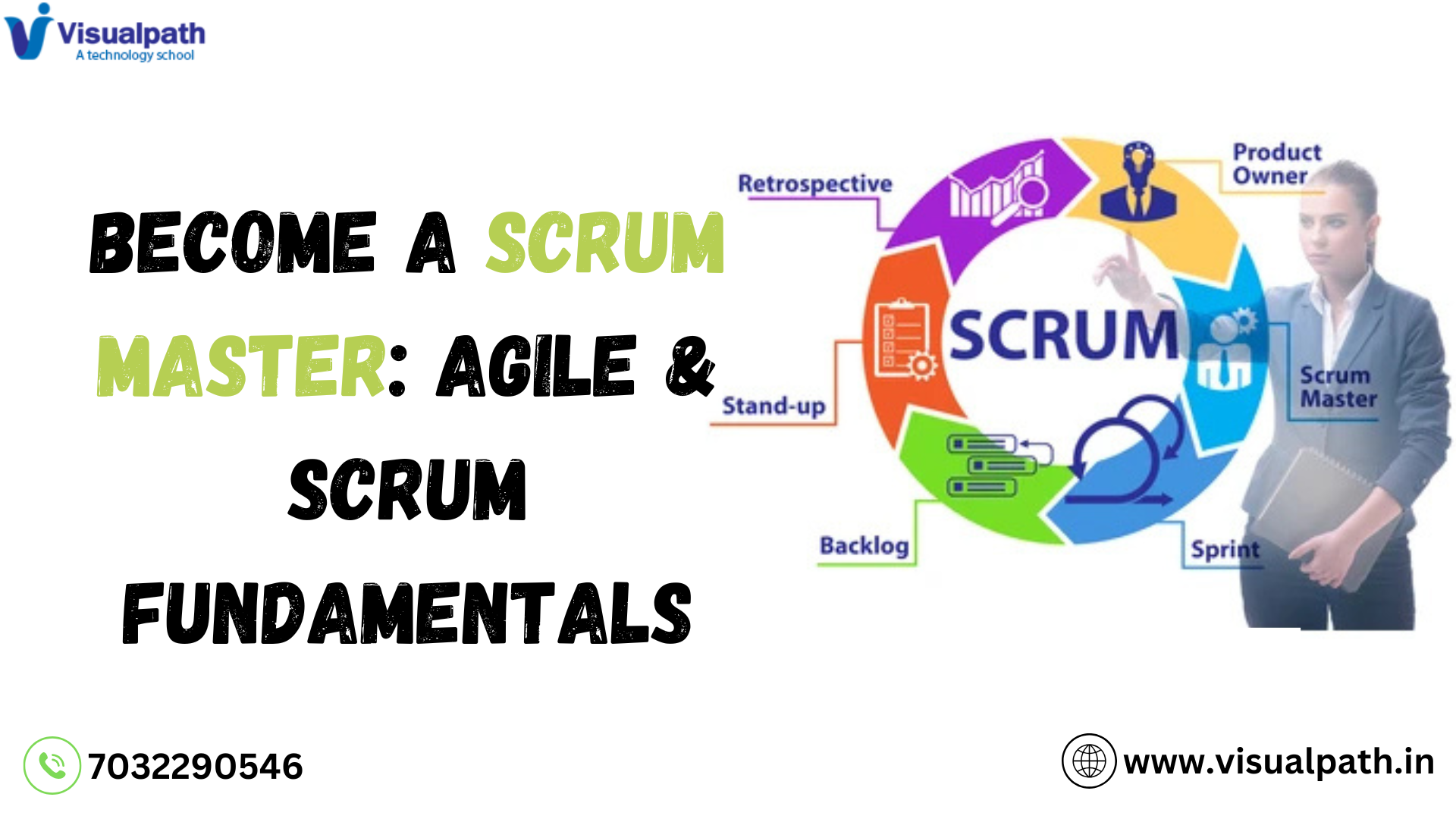
    1. Facilitating Scrum Events – The Scrum Master organizes daily stand-ups, Sprint Planning, Sprint Reviews, and Sprint Retrospectives.
    2. Coaching the Team – Educates the team on Agile principles and ensures adherence to Scrum practices.
    3. Removing Impediments – Identifies and eliminates obstacles that slow down progress.
    4. Promoting Collaboration – Encourages teamwork, transparency, and open communication.
    5. Supporting the Product Owner – Assists in backlog refinement and ensures a clear product vision.
    6. Ensuring Continuous Improvement – Helps the team analyze past performance and implement improvements.

    Key Scrum Artifacts

    To effectively manage work, Scrum relies on three key artifacts:

    1. Product Backlog – A prioritized list of features, enhancements, and bug fixes maintained by the Product Owner Scrum Master Online Training
    2. Sprint Backlog – A subset of the Product Backlog containing tasks for the current Sprint.
    3. Increment – A tangible piece of work completed in a Sprint that adds value to the product.

    Important Scrum Ceremonies

    Scrum revolves around five essential events:

    1. Sprint Planning – Defines the work to be accomplished in the upcoming Sprint.
    2. Daily Stand-up (Daily Scrum) – A short meeting to discuss progress and challenges.
    3. Sprint Review – A demonstration of the completed work to stakeholders.
    4. Sprint Retrospective – A reflective session to improve future Sprints.
    5. Backlog Refinement – An ongoing process of updating and prioritizing the Product Backlog.

    Becoming a Certified Scrum Master (CSM)

    To become a certified Scrum Master, consider pursuing one of the widely recognized certifications, such as:

    • Certified Scrum Master (CSM) – Offered by Scrum Alliance.
    • Professional Scrum Master (PSM) – Provided by Scrum.org.
    • Safe Scrum Master (SSM) – Focused on scaling Agile practices.

    These certifications typically involve training sessions and an exam to validate your knowledge.

    Conclusion

    Becoming a Scrum Master requires a deep understanding of Agile and Scrum fundamentals, along with strong leadership and problem-solving skills. By embracing Agile principles, mastering Scrum ceremonies, and fostering collaboration, you can guide teams toward efficiency and success. Whether you’re new to Agile or looking to enhance your career, becoming a Scrum Master is a rewarding journey filled with opportunities for continuous growth and impact.

    Visualpath is the Leading and Best Software Online Training Institute in Hyderabad.

    For More Information about Scrum Master Course

    Contact Call/WhatsApp: +91-7032290546

    Visit: https://www.visualpath.in/online-scrum-master-course.html
  • Scrum Master Crash Course: A Beginner’s Guide to Agile Leadership

    Scrum Master Crash Course: A Beginner’s Guide to Agile Leadership

    Scrum Master plays a crucial role in ensuring the success of this process by guiding teams, removing obstacles, and fostering a culture of continuous improvement. If you’re new to Agile and want to understand the fundamentals of being a Scrum Master Classes, this crash course is for you

    What Is a Scrum Master?

    A Scrum Master is not a traditional project manager but rather a servant leader who empowers Agile teams. Their primary responsibilities include:

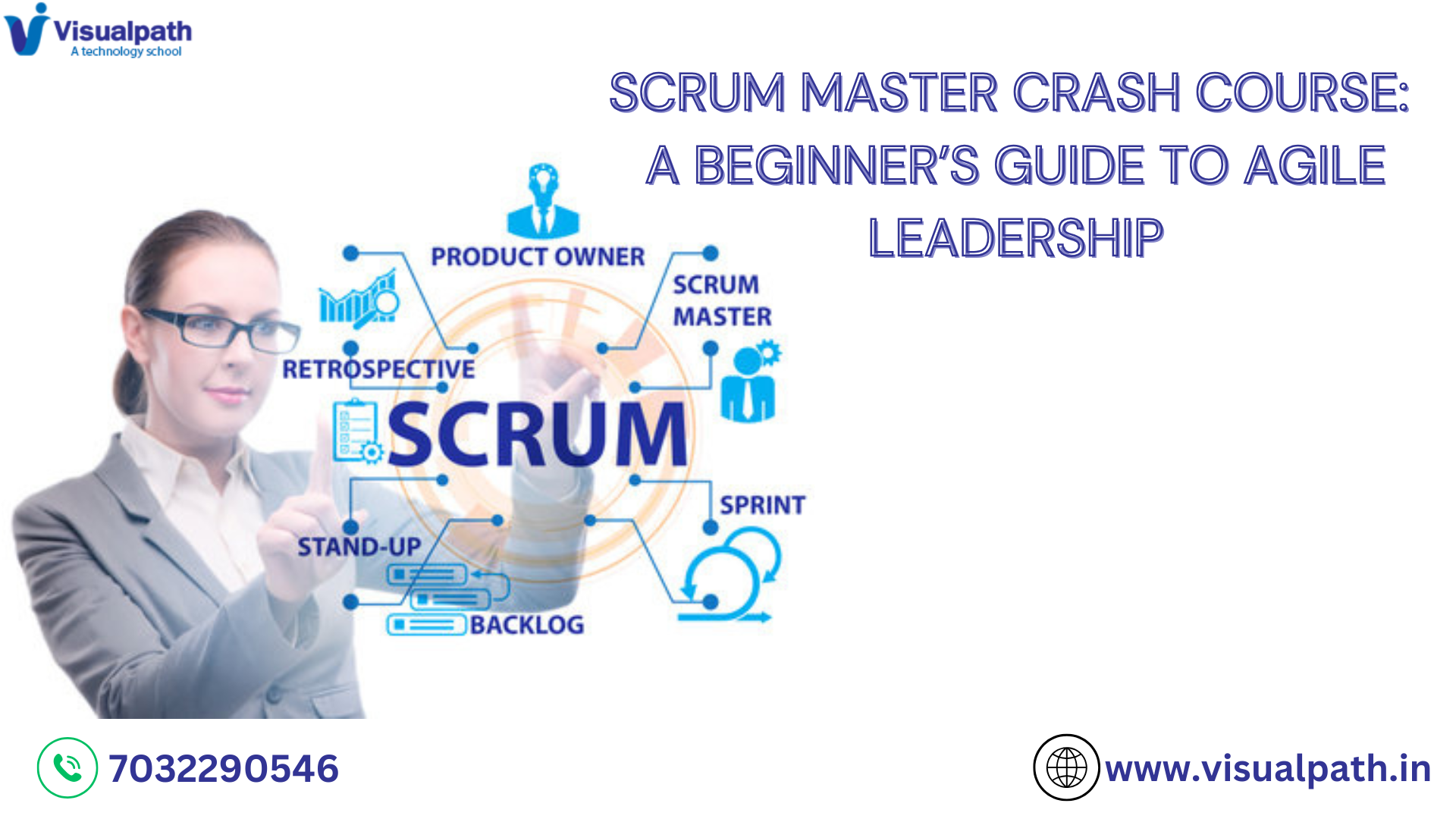
    • Facilitating Scrum events (daily stand-ups, sprint planning, sprint reviews, and retrospectives).
    • Removing roadblocks that hinder the team’s progress.
    • Coaching team members on Agile best practices.
    • Encouraging collaboration between stakeholders Scrum Master Online Training
    • Ensuring adherence to Scrum principles while fostering adaptability.

    By effectively guiding the team, a Scrum Master enhances productivity and ensures that Agile values are upheld.

    Understanding the Scrum Framework

    To be an effective Scrum Master, it’s essential to understand the Scrum framework, which consists of three key elements:

    1. Scrum Roles
      • Scrum Master – Facilitates the Scrum process and removes impediments.
      • Product Owner – Represents the customer and defines the product backlog.
      • Development Team – Cross-functional members who build the product incrementally.
    2. Scrum Events
      • Sprint – A time-boxed iteration (typically 1-4 weeks) where work is completed.
      • Daily Scrum (Stand-up) – A 15-minute meeting where the team discusses progress and roadblocks.
      • Sprint Planning – A meeting where the team decides what work will be completed during the sprint.
      • Sprint Review – A session to showcase completed work to stakeholders.
      • Sprint Retrospective – A reflection meeting to improve processes for the next sprint.
    3. Scrum Artifacts
      • Product Backlog – A prioritized list of tasks and features Scrum Master Course in Hyderabad
      • Sprint Backlog – A subset of the product backlog chosen for the current sprint.
      • Increment – The completed work at the end of each sprint.

    Essential Skills for a Scrum Master

    To be a successful Scrum Master, you need a mix of technical and soft skills, including:

    • Facilitation & Communication – Ensuring smooth collaboration among team members and stakeholders.
    • Problem-Solving – Identifying and addressing obstacles that slow the team down.
    • Servant Leadership – Empowering the team rather than commanding them.
    • Agile Mindset – Adapting to change and fostering continuous improvement.

    Common Challenges and How to Overcome Them

    • Resistance to Change: Some teams struggle with adopting Agile. A Scrum Master can ease the transition by demonstrating small wins and educating stakeholders.
    • Lack of Clarity in Requirements: Encourage regular collaboration with the Product Owner to refine the backlog.
    • Unrealistic Deadlines: Help teams set achievable sprint goals to prevent burnout.

    Getting Started as a Scrum Master

    If you’re looking to become a Scrum Master, here’s how to start:

    • Learn Scrum Fundamentals – Read the Scrum Guide and explore Agile resources.
    • Gain Hands-on Experience – Join an Agile team or take part in simulated Scrum projects.
    • Get Certified – Certifications like Certified Scrum Master (CSM) or Professional Scrum Master (PSM) boost credibility.
    • Keep Learning – Agile is constantly evolving, so stay updated with new trends and practices.

    Conclusion

    A Scrum Master plays a vital role in guiding Agileteams toward success. By mastering the Scrum framework, honing leadership skills, and continuously improving, you can help teams achieve their goals efficiently. Whether you’re transitioning from another role or starting fresh, embracing Agile principles will set you on the path to becoming an effective Scrum Master.

    Visualpath is the Leading and Best Software Online Training Institute in Hyderabad.

    For More Information about Scrum Master Training

    Contact Call/WhatsApp:  +91-7032290546

    Visit: https://www.visualpath.in/online-scrum-master-course.html