Tag: Scrum Master Course in Bangalore

  • How Scrum Masters Drive Continuous Improvement in Agile Teams

    How Scrum Masters Drive Continuous Improvement in Agile Teams

    Scrum Masters play a crucial role in helping Agile teams grow, adapt, and continuously improve their processes. As facilitators of the Scrum framework, promoting a culture of constant reflection, learning, and enhancement. In this article, we will explore how Scrum Masters actively drive continuous improvement in Agile teams and how their efforts contribute to higher team performance and overall success.

    1. Facilitating Retrospectives for Reflection and Action

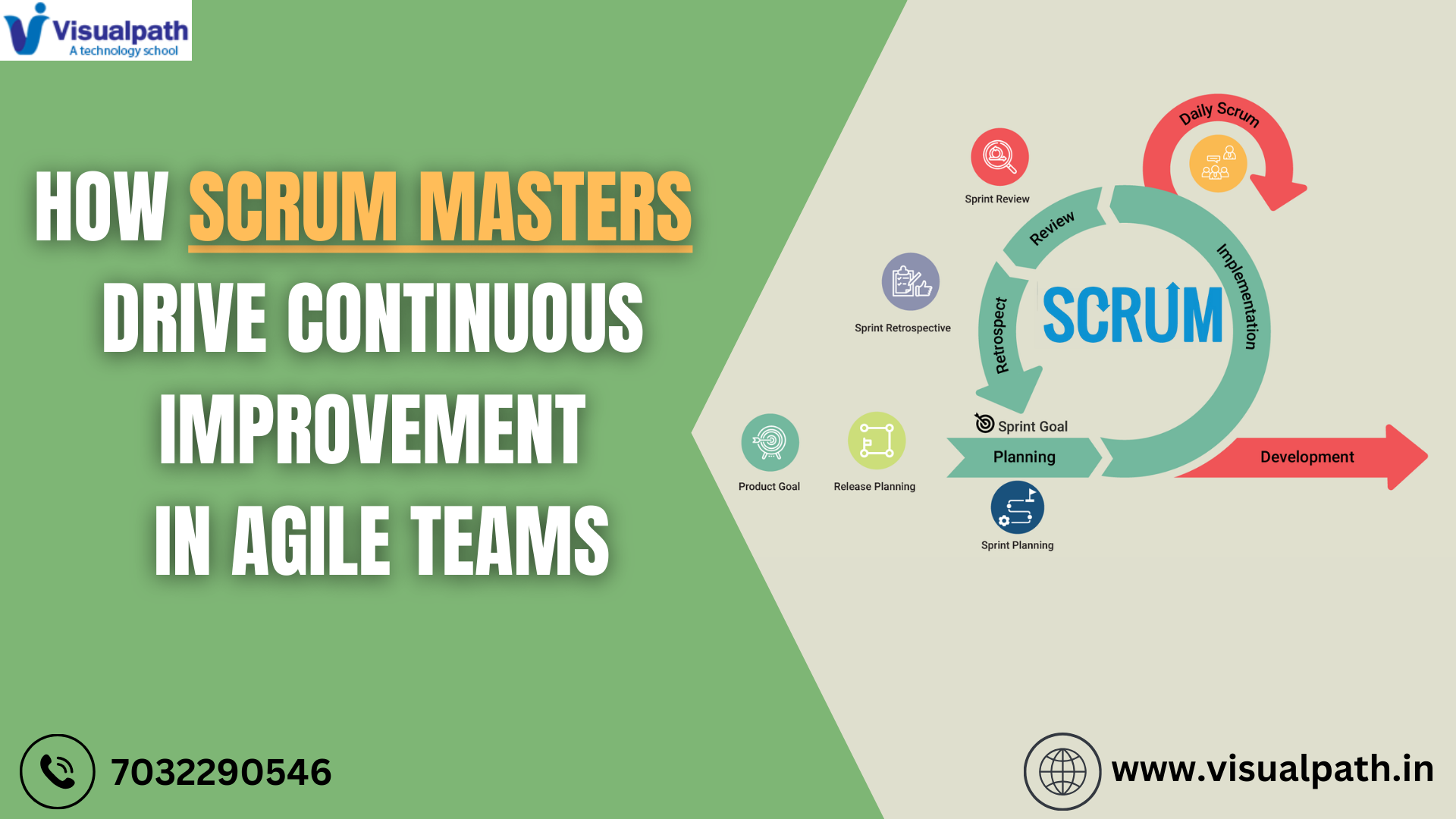
    One of the primary tools Scrum Masters use to drive continuous improvement is the Sprint Retrospective. This regular meeting encourages the team to reflect on the completed Sprint and identify what went well, what didn’t, and what could be improved. The Scrum Master acts as a facilitator, guiding the team through discussions that lead to actionable improvements. By fostering an environment of openness and trust, Scrum Masters help teams feel safe in sharing both positive and negative feedback.

    Scrum Masters ensure that retrospectives don’t just serve as a venue for venting frustrations but become a space for constructive problem-solving. They encourage the team to focus on specific, actionable items that can be implemented in the next Sprint. This approach not only improves the team’s processes but also strengthens collaboration and ownership among team members.

    2. Empowering the Team to Own Their Processes

    A Scrum Master’s job is not to tell the team what to do but to create an environment where the team can take ownership of their processes. By empowering the team to identify their own challenges and solutions, Scrum Masters instill a sense of responsibility for continuous improvement in Scrum Master Course

    For example, when a team encounters roadblocks such as communication gaps or delays in workflow, the Scrum Master encourages them to explore solutions together. Whether it’s adjusting their Definition of Done or improving their daily stand-ups, the Scrum Master helps the team identify opportunities for change, allowing them to feel more control over their work environment and results.

    3. Encouraging a Growth Mindset

    Scrum Masters help cultivate a growth mindset within the team, where failures are seen as learning opportunities rather than setbacks. By embracing this mindset, team members are more likely to experiment, take risks, and learn from their mistakes, all of which contribute to improvement.

    A Scrum Master fosters this environment by encouraging the team to focus on learning over perfection. They remind the team that mistakes are part of the journey and should be used as stepping stones for improvement. Whether it’s trying new tools, revising workflows, or adjusting Sprint goals, the Scrum Master supports the team’s evolution by reframing challenges as opportunities for growth.

    4. Identifying and Removing Impediments

    Continuous improvement cannot happen without the removal of obstacles that hinder the team’s progress. Scrum Masters actively identify and work to eliminate these impediments, whether they are external barriers, inefficient processes, or interpersonal conflicts within the team Scrum Master Training

    By regularly checking in with team members, Scrum Masters gain insight into the pain points that may be holding back performance. They then work to remove or mitigate these impediments, which often leads to faster delivery and smoother workflows. Removing obstacles empowers the team to work more efficiently, ultimately fostering continuous improvement in their processes and output.

    5. Fostering Collaboration and Communication

    Effective communication and collaboration are essential for continuous improvement in an Agile team. Scrum Masters help facilitate communication between team members, product owners, and stakeholders to ensure alignment on goals and priorities. They ensure that everyone has a voice in the decision-making process and that important information flows smoothly across the team.

    By enhancing collaboration, Scrum Masters help teams become more adaptive and responsive to changes. This flexibility enables the team to embrace new approaches and continuously refine their practices to deliver better results over time.

    6. Utilizing Metrics to Drive Improvement

    Scrum Masters also leverage metrics and feedback loops to identify areas for improvement. Key performance indicators such as Sprint velocity, burndown charts, and cycle time provide valuable insights into how the team is performing and where bottlenecks may exist.

    While metrics shouldn’t drive decision-making in isolation, they offer a data-driven way to assess the effectiveness of changes made during retrospectives or process adjustments. Scrum Masters use these insights to guide discussions on how to improve, helping the team refine their approach and make measurable progress in every Scrum Master Classes

    7. Promoting Continuous Learning

    To sustain continuous improvement, Scrum Masters advocate for ongoing learning. This may involve facilitating training sessions, recommending external resources, or encouraging cross-team collaboration. By supporting personal and professional development, Scrum Masters ensure that team members are equipped with the skills and knowledge necessary to excel in their roles and contribute to the team’s growth.

    Conclusion

    Scrum Masters are pivotal in driving continuous improvement within Agile teams. Through their guidance, facilitation of retrospectives, empowerment of the team, and removal of obstacles, Scrum Masters help create an environment that fosters growth, innovation, and collaboration. Their efforts ensure that teams not only deliver high-quality results but also continuously evolve and adapt to meet new challenges. By embracing a mindset of improvement, Scrum Masters online enable teams to unlock their full potential and achieve sustainable success.

  • Scrum Master Accelerator: Drive Agile Excellence

    Scrum Master Accelerator: Drive Agile Excellence

    Scrum Master a pivotal role responsible for guiding teams through the agile process, fostering collaboration, and ensuring continuous improvement. If you’re ready to elevate your career and become an agileleader, the Scrum program is your gateway to mastering Scrum and driving agile excellence.

    Why Choose the Scrum Master Accelerator Program?

    The Scrum Master Accelerator is designed for aspiring Scrum Masters, project managers, and agile practitioners who want to sharpen their skills and confidently lead agile teams. This program goes beyond the basics, offering in-depth insights into Scrum principles, real-world applications, and leadership strategies that empower teams to deliver high-quality products efficiently.

    Key Benefits of the Program:

    Comprehensive Curriculum: The program covers all aspects of Scrum, including roles, events, artifacts, and the rules that bind them. You’ll gain a solid foundation in agile principles while exploring advanced techniques like backlog refinement, sprint planning, and effective retrospectives.

    1. Hands-On Learning: Theory alone isn’t enough to become an effective Scrum Master. Our program emphasizes practical learning through case studies, interactive workshops, and real-world simulations. You’ll tackle common challenges faced by agile teams and learn strategies to overcome them. Scrum Master Course
    2. Leadership Development: A Scrum Master is more than just a facilitator — they are a servant leader. The Scrum Master Accelerator equips you with essential leadership skills, such as conflict resolution, team motivation, and stakeholder communication, enabling you to foster a culture of collaboration and innovation.
    3. Industry-Recognized Certification Preparation: Whether you’re pursuing a Certified ScrumMaster (CSM) or Professional Scrum Master (PSM) certification, this program provides the knowledge and confidence needed to pass certification exams and validate your expertise in Scrum.
    4. Career Advancement: Agile methodologies are in high demand across industries. By completing the Scrum Master Accelerator, you position yourself as a valuable asset to organizations seeking to adopt or enhance their agile practices. This opens doors to lucrative roles such as Scrum Master, Agile Coach, and Product Owner.

    Considerations and Challenges:

    While the Scrum Master Accelerator offers numerous benefits, it’s essential to recognize potential challenges:

    1. Time Commitment: The program requires a dedicated time investment to fully grasp the concepts, participate in workshops, and prepare for certifications. Balancing this with existing professional and personal commitments can be demanding.
    2. Application of Skills: Learning the theory is one thing — applying it effectively in a real-world agile environment can be challenging. Success often depends on your ability to adapt Scrum principles to your team’s unique dynamics Scrum Master Classes.
    3. Continuous Learning: Agile is an evolving field. Staying updated with new methodologies, tools, and industry trends is crucial even after completing the program.

    Who Should Enroll?

    The Scrum Master Accelerator is ideal for:

    • Aspiring Scrum Masters seeking to break into the agile space.
    • Project managers transitioning to agile methodologies.
    • Product Owners and team leads wanting to strengthen their Scrum knowledge.
    • Anyone passionate about agile practices and team collaboration.

    Conclusion:

    The Scrum Master Accelerator program is more than just a training course it’s a transformative experience that equips you with the tools, techniques, and confidence to excel as an agile leader. By mastering Scrum principles, developing strong leadership skills, and preparing for industry-recognized certifications, you’ll be ready to guide your teams toward agile excellence. If you’re committed to advancing your career and making a meaningful impact in the agile space, this program is your next step. Take charge of your professional growth and become the Scrum Master that organizations are looking for.

  • Scrum Master: Agile & Scrum Fundamentals

    Scrum Master: Agile & Scrum Fundamentals

    The role of a Scrum Master has become increasingly vital in today’s fast-paced, technology-driven industries. With organizations striving for efficiency, adaptability, and collaboration, Agile methodologies—particularly Scrum—have emerged as game-changers. If you’re aspiring to become a Scrum Master, understanding the fundamentals of Agile and Scrum is essential.

    Understanding Agile

    Agile is a project management and product development approach that emphasizes flexibility, iterative progress, and customer collaboration. Unlike traditional methodologies like Waterfall, Agile enables teams to respond quickly to changes and deliver incremental improvements.

    The Agile Manifesto, introduced in 2001, outlines four core values:

    1. Individuals and interactions over processes and tools.
    2. Working software over comprehensive documentation.
    3. Customer collaboration over contract negotiation.
    4. Responding to change over following a plan.

    These principles guide Agile frameworks such as Scrum, Kanban, and Lean.

    What is Scrum?

    Scrum is one of the most popular Agile frameworks used for managing complex projects. It provides a structured yet flexible approach to delivering high-quality products in short iterations, known as Sprints. Typically, a Sprint lasts between one to four weeks, allowing teams to plan, execute, and review their work in a continuous improvement cycle in Scrum Master Training.

    The Role of a Scrum Master

    A Scrum Master is a servant-leader responsible for facilitating the Scrum process, ensuring that the team follows Scrum principles while removing obstacles that hinder progress. The Scrum Master collaborates with the Product Owner, development team, and stakeholders to foster a productive environment.

    Key Responsibilities of a Scrum Master

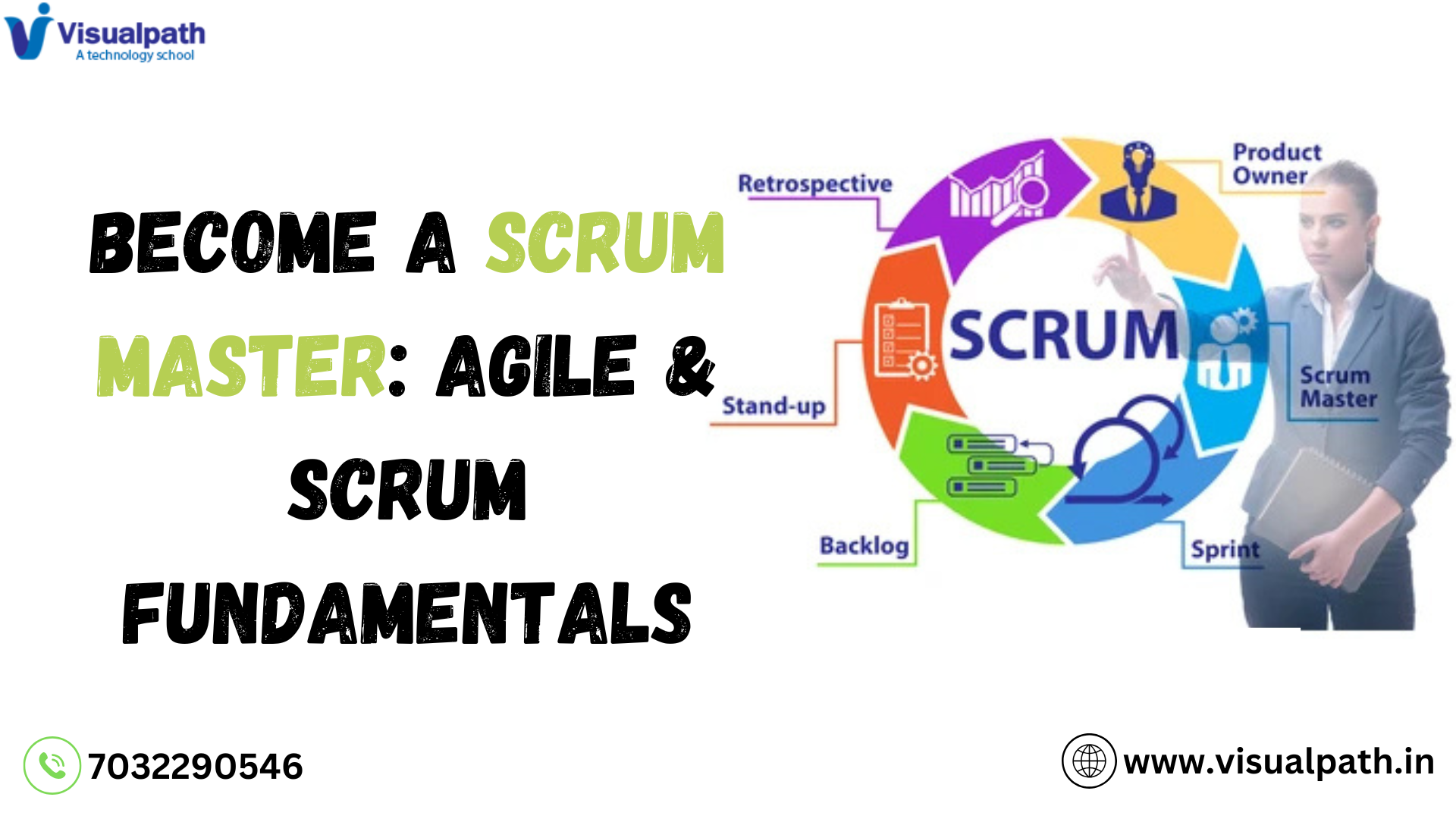
    1. Facilitating Scrum Events – The Scrum Master organizes daily stand-ups, Sprint Planning, Sprint Reviews, and Sprint Retrospectives.
    2. Coaching the Team – Educates the team on Agile principles and ensures adherence to Scrum practices.
    3. Removing Impediments – Identifies and eliminates obstacles that slow down progress.
    4. Promoting Collaboration – Encourages teamwork, transparency, and open communication.
    5. Supporting the Product Owner – Assists in backlog refinement and ensures a clear product vision.
    6. Ensuring Continuous Improvement – Helps the team analyze past performance and implement improvements.

    Key Scrum Artifacts

    To effectively manage work, Scrum relies on three key artifacts:

    1. Product Backlog – A prioritized list of features, enhancements, and bug fixes maintained by the Product Owner Scrum Master Online Training
    2. Sprint Backlog – A subset of the Product Backlog containing tasks for the current Sprint.
    3. Increment – A tangible piece of work completed in a Sprint that adds value to the product.

    Important Scrum Ceremonies

    Scrum revolves around five essential events:

    1. Sprint Planning – Defines the work to be accomplished in the upcoming Sprint.
    2. Daily Stand-up (Daily Scrum) – A short meeting to discuss progress and challenges.
    3. Sprint Review – A demonstration of the completed work to stakeholders.
    4. Sprint Retrospective – A reflective session to improve future Sprints.
    5. Backlog Refinement – An ongoing process of updating and prioritizing the Product Backlog.

    Becoming a Certified Scrum Master (CSM)

    To become a certified Scrum Master, consider pursuing one of the widely recognized certifications, such as:

    • Certified Scrum Master (CSM) – Offered by Scrum Alliance.
    • Professional Scrum Master (PSM) – Provided by Scrum.org.
    • Safe Scrum Master (SSM) – Focused on scaling Agile practices.

    These certifications typically involve training sessions and an exam to validate your knowledge.

    Conclusion

    Becoming a Scrum Master requires a deep understanding of Agile and Scrum fundamentals, along with strong leadership and problem-solving skills. By embracing Agile principles, mastering Scrum ceremonies, and fostering collaboration, you can guide teams toward efficiency and success. Whether you’re new to Agile or looking to enhance your career, becoming a Scrum Master is a rewarding journey filled with opportunities for continuous growth and impact.

    Visualpath is the Leading and Best Software Online Training Institute in Hyderabad.

    For More Information about Scrum Master Course

    Contact Call/WhatsApp: +91-7032290546

    Visit: https://www.visualpath.in/online-scrum-master-course.html

  • Scrum Master Crash Course: A Beginner’s Guide to Agile Leadership

    Scrum Master Crash Course: A Beginner’s Guide to Agile Leadership

    Scrum Master plays a crucial role in ensuring the success of this process by guiding teams, removing obstacles, and fostering a culture of continuous improvement. If you’re new to Agile and want to understand the fundamentals of being a Scrum Master Classes, this crash course is for you

    What Is a Scrum Master?

    A Scrum Master is not a traditional project manager but rather a servant leader who empowers Agile teams. Their primary responsibilities include:

    • Facilitating Scrum events (daily stand-ups, sprint planning, sprint reviews, and retrospectives).
    • Removing roadblocks that hinder the team’s progress.
    • Coaching team members on Agile best practices.
    • Encouraging collaboration between stakeholders Scrum Master Online Training
    • Ensuring adherence to Scrum principles while fostering adaptability.

    By effectively guiding the team, a Scrum Master enhances productivity and ensures that Agile values are upheld.

    Understanding the Scrum Framework

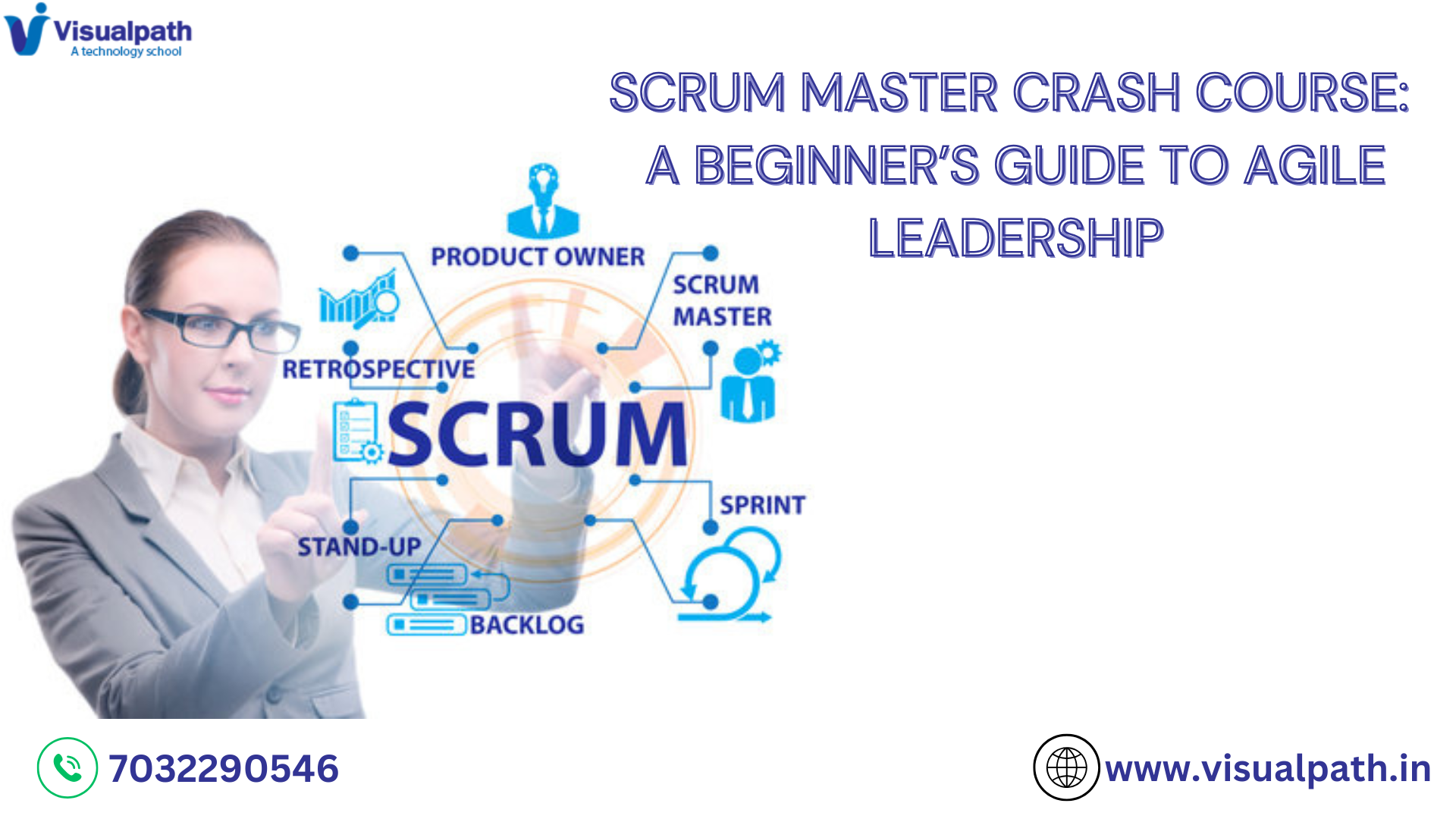
    To be an effective Scrum Master, it’s essential to understand the Scrum framework, which consists of three key elements:

    1. Scrum Roles
      • Scrum Master – Facilitates the Scrum process and removes impediments.
      • Product Owner – Represents the customer and defines the product backlog.
      • Development Team – Cross-functional members who build the product incrementally.
    2. Scrum Events
      • Sprint – A time-boxed iteration (typically 1-4 weeks) where work is completed.
      • Daily Scrum (Stand-up) – A 15-minute meeting where the team discusses progress and roadblocks.
      • Sprint Planning – A meeting where the team decides what work will be completed during the sprint.
      • Sprint Review – A session to showcase completed work to stakeholders.
      • Sprint Retrospective – A reflection meeting to improve processes for the next sprint.
    3. Scrum Artifacts
      • Product Backlog – A prioritized list of tasks and features Scrum Master Course in Hyderabad
      • Sprint Backlog – A subset of the product backlog chosen for the current sprint.
      • Increment – The completed work at the end of each sprint.

    Essential Skills for a Scrum Master

    To be a successful Scrum Master, you need a mix of technical and soft skills, including:

    • Facilitation & Communication – Ensuring smooth collaboration among team members and stakeholders.
    • Problem-Solving – Identifying and addressing obstacles that slow the team down.
    • Servant Leadership – Empowering the team rather than commanding them.
    • Agile Mindset – Adapting to change and fostering continuous improvement.

    Common Challenges and How to Overcome Them

    • Resistance to Change: Some teams struggle with adopting Agile. A Scrum Master can ease the transition by demonstrating small wins and educating stakeholders.
    • Lack of Clarity in Requirements: Encourage regular collaboration with the Product Owner to refine the backlog.
    • Unrealistic Deadlines: Help teams set achievable sprint goals to prevent burnout.

    Getting Started as a Scrum Master

    If you’re looking to become a Scrum Master, here’s how to start:

    • Learn Scrum Fundamentals – Read the Scrum Guide and explore Agile resources.
    • Gain Hands-on Experience – Join an Agile team or take part in simulated Scrum projects.
    • Get Certified – Certifications like Certified Scrum Master (CSM) or Professional Scrum Master (PSM) boost credibility.
    • Keep Learning – Agile is constantly evolving, so stay updated with new trends and practices.

    Conclusion

    A Scrum Master plays a vital role in guiding Agileteams toward success. By mastering the Scrum framework, honing leadership skills, and continuously improving, you can help teams achieve their goals efficiently. Whether you’re transitioning from another role or starting fresh, embracing Agile principles will set you on the path to becoming an effective Scrum Master.

    Visualpath is the Leading and Best Software Online Training Institute in Hyderabad.

    For More Information about Scrum Master Training

    Contact Call/WhatsApp:  +91-7032290546

    Visit: https://www.visualpath.in/online-scrum-master-course.html