Tag: Sailpoint Identity IQ Online Training

  • What are the Advantages and Roles of Management in Sailpoint?

    What are the Advantages and Roles of Management in Sailpoint?

    Introduction:

    SailPoint is a leading identity governance platform that helps organizations manage and secure user access across systems and applications. Effective management within SailPoint plays a crucial role in ensuring that identity governance processes are streamlined, secure, and compliant with regulatory standards. Sailpoint Online Training

    The Role of Management in SailPoint:

    Management within SailPoint is responsible for overseeing the identity governance lifecycle, which includes managing user access, enforcing security policies, and ensuring compliance. The primary roles of management in SailPoint revolve around the following areas:

    Access Control: One of the core responsibilities of SailPoint management is to oversee who has access to what resources. This involves defining roles and privileges for users based on their job functions, ensuring that only authorized personnel can access sensitive data and systems.

    User Lifecycle Management: Another crucial role of management in SailPoint is managing the entire lifecycle of user identities. This includes onboarding new employees, modifying access as users change roles within the organization, and offboarding users when they leave. Effective management ensures that users only have access to the resources they need at any given time, and access is promptly revoked when it is no longer required. Sailpoint Identity IQ Training

    Policy Enforcement and Compliance: SailPoint helps organizations adhere to security policies and comply with regulatory requirements like GDPR, HIPAA, and SOX. Management is responsible for defining and enforcing these policies within the platform, ensuring that users adhere to security protocols, and conducting regular audits to maintain compliance.

    Automation and Workflow Management: Management in SailPoint involves automating workflows to simplify identity governance processes. For example, access requests, approvals, and reviews can be automated, reducing manual intervention and increasing efficiency. This automation ensures that access management is handled consistently and at scale, even as the organization grows.

    Monitoring and Reporting: Continuous monitoring of user activity and generating reports are key responsibilities of management in SailPoint. This enables real-time visibility into access control issues, unusual user behavior, and potential security threats. Monitoring and reporting allow for quick responses to incidents and help maintain a secure identity governance framework. Sailpoint Identity IQ Course

    Advantages of Effective Management in SailPoint:

    Implementing effective management within SailPoint provides organizations with several advantages, enabling them to operate securely and efficiently.

    Enhanced Security: By controlling and monitoring user access, SailPoint management significantly improves organizational security. It prevents unauthorized access to sensitive data, reduces the risk of insider threats, and ensures that users only have the access they need.

    Risk Mitigation: Effective management in SailPoint helps organizations identify and mitigate risks associated with inappropriate access. By continuously monitoring user activity and enforcing security policies, management can detect potential risks early and take corrective action before they escalate into major security incidents. Sailpoint Training in Hyderabad

    Scalability and Flexibility: SailPoint is designed to scale with the organization, and effective management ensures that identity governance processes remain robust even as the organization grows. Whether managing hundreds or thousands of users, SailPoint can adapt to changing business needs, providing flexibility in how identity governance is managed.

    Conclusion:

    Management in SailPoint plays a critical role in ensuring that identity governance processes are secure, efficient, and compliant. By focusing on access control, user lifecycle management, policy enforcement, and automation, SailPoint management helps organizations mitigate risks, improve security, and maintain regulatory compliance.

    Visualpath is the Leading and Best Institute for learning Sailpoint Online Training in Ameerpet, Hyderabad. We provide Sailpoint Online Course, you will get the best course at an affordable cost.

    Visit : https://www.visualpath.in/sailpoint-Identity-IQ-online-training.html

     WhatsApp : https://www.whatsapp.com/catalog/919989971070/

  • What is Provisioning in Sailpoint?

    What is Provisioning in Sailpoint?

    Introduction:

    SailPoint refers to the process of automating the creation, updating, and deactivation of user accounts and access rights across various systems and applications within an organization. SailPoint, a leading identity governance platform, enables organizations to manage user identities effectively while ensuring that employees have the appropriate level of access to perform their roles. Sailpoint Online Training

    What is Provisioning?

    Provisioning is the process of granting, modifying, or revoking access to IT resources based on user roles and responsibilities. In traditional IT environments, provisioning tasks were often manual, time-consuming, and prone to errors. However, as businesses grow and adopt more complex systems, automated provisioning has become essential for streamlining access management and ensuring users have timely access to the resources they need.

    Key Features of Provisioning in SailPoint:

    Automated User Provisioning:

    SailPoint automates the process of creating and managing user accounts across multiple systems and applications. When a new employee joins an organization, SailPoint’s provisioning engine assigns them access rights based on predefined roles, ensuring they can access the necessary resources from day one.

    Role-Based Access Control (RBAC):

    SailPoint’s provisioning system leverages role-based access control (RBAC) to assign permissions based on the user’s role within the organization. This approach ensures that users only have the access they need to perform their job functions, reducing the likelihood of over-provisioned accounts or unnecessary access. Sailpoint Identity IQ Training

    Self-Service Access Requests:

    One of the key features of SailPoint’s provisioning is its self-service access request capability. Employees can request access to specific systems or applications directly through the SailPoint platform. These requests are routed to the appropriate managers or system owners for approval, ensuring that access is granted in a controlled and auditable manner. This feature empowers users while reducing the workload on IT departments.

    Access Reviews and Compliance:

    SailPoint’s provisioning system integrates with access reviews to ensure continuous compliance with security policies and regulations. Regular access certifications help verify that users still require the access they have been granted. If access rights are no longer necessary, SailPoint can automatically trigger deprovisioning actions, further securing the organization’s sensitive data and resources.

    Benefits of Provisioning in SailPoint:

    Enhanced Security:

    By automating the provisioning process, SailPoint ensures that users are granted access only to the systems and data they need, based on their role. This reduces the risk of unauthorized access, data breaches, and over-privileged accounts, which are often exploited by malicious actors.

    Improved Operational Efficiency:

    Manual provisioning can be a time-consuming process that drains IT resources. With SailPoint, organizations can automate repetitive tasks, freeing up IT staff to focus on more strategic initiatives. Automated provisioning speeds up the onboarding process for new employees and ensures that access changes are implemented in real-time. Sailpoint Identity IQ Course

    Compliance with Regulations:

    Regulatory requirements such as GDPR, HIPAA, and SOX often mandate strict controls over user access to sensitive data. SailPoint’s automated provisioning system helps organizations stay compliant by enforcing access policies, maintaining audit trails, and conducting regular access reviews.

    Minimized Risk of Human Error:

    Manual provisioning is prone to human errors, such as assigning the wrong access rights or failing to revoke access when an employee leaves the company. SailPoint eliminates these risks by automating provisioning tasks, ensuring that access is managed accurately and consistently.

    Conclusion:

    Provisioning in SailPoint is a critical component of identity governance that automates the management of user access across systems and applications. By using automated workflows, role-based access control, and self-service access requests, SailPoint improves security, operational efficiency, and regulatory compliance.

    Visualpath is the Leading and Best Institute for learning Sailpoint Online Training in Ameerpet, Hyderabad. We provide Sailpoint Online Course, you will get the best course at an affordable cost.

    Visit : https://www.visualpath.in/sailpoint-Identity-IQ-online-training.html

     WhatsApp : https://www.whatsapp.com/catalog/919989971070/

  • What are the Advantages of SailPoint IIQ?

    What are the Advantages of SailPoint IIQ?

    Introduction:

    SailPoint IdentityIQ (IIQ) is a leading identity governance and administration (IGA) platform that helps organizations manage user access across the enterprise. Whether on-premises or in the cloud, SailPoint IIQ offers a comprehensive solution for managing identities, roles, and entitlements, allowing businesses to maintain a high level of security and compliance.

    Centralized Identity Governance:

    One of the key advantages of SailPoint IIQ is its ability to centralize identity governance across the entire organization. With a single platform, businesses can manage the lifecycle of user identities, including provisioning, de-provisioning, and access certification. By consolidating identity management, SailPoint IIQ simplifies the process of assigning, modifying, and revoking user access, ensuring that only authorized individuals have access to critical resources. Sailpoint Online Training

    Role-Based Access Control (RBAC):

    SailPoint IIQ supports role-based access control (RBAC), allowing organizations to assign permissions based on roles rather than individual users. This method simplifies access management by grouping users with similar job functions into roles, each with predefined access rights. By automating the assignment of access rights based on roles, SailPoint IIQ reduces human error, ensures consistency, and improves operational efficiency.

    Automation of Identity Lifecycle Processes:

    SailPoint IIQ’s automation features are among its greatest strengths. The platform automates key identity lifecycle processes, including user onboarding, access provisioning, and account deactivation. This automation not only reduces the administrative burden on IT teams but also minimizes the potential for security breaches caused by manual errors.

    Enhanced Security and Compliance:

    With increasing regulatory requirements such as GDPR, HIPAA, and SOX, organizations need a robust solution to manage user access and ensure compliance. SailPoint IIQ provides comprehensive auditing and reporting capabilities, allowing businesses to track and document all user access activities. This level of visibility helps ensure compliance with internal policies and external regulations. Sailpoint Identity IQ Training

    Scalability and Flexibility:

    SailPoint IIQ is highly scalable and can be tailored to meet the needs of organizations of all sizes, from small businesses to large enterprises. Its modular architecture allows companies to deploy only the components they need while maintaining the flexibility to scale as their identity management requirements grow.

    Conclusion:

    SailPoint IdentityIQ is a powerful and versatile identity governance platform that offers numerous advantages to organizations seeking to enhance their security, streamline identity management processes, and ensure regulatory compliance.

    Visualpath is the Leading and Best Institute for learning Sailpoint Online Training in Ameerpet, Hyderabad. We provide Sailpoint Online Course, you will get the best course at an affordable cost.

    Visit : https://www.visualpath.in/sailpoint-Identity-IQ-online-training.html

     WhatsApp : https://www.whatsapp.com/catalog/919989971070/

  • What is SailPoint Application Onboarding Process?

    What is SailPoint Application Onboarding Process?

    Introduction:

    Sailpoint identity governance is critical for ensuring that users have the right access to the right resources at the right time. One of the leading solutions in this space is SailPoint, a powerful identity governance platform that provides comprehensive management of users, access privileges, and security policies.

    To maximize the potential of SailPoint, organizations need to efficiently onboard their various applications. Sailpoint Online Training

    SailPoint Application Onboarding:

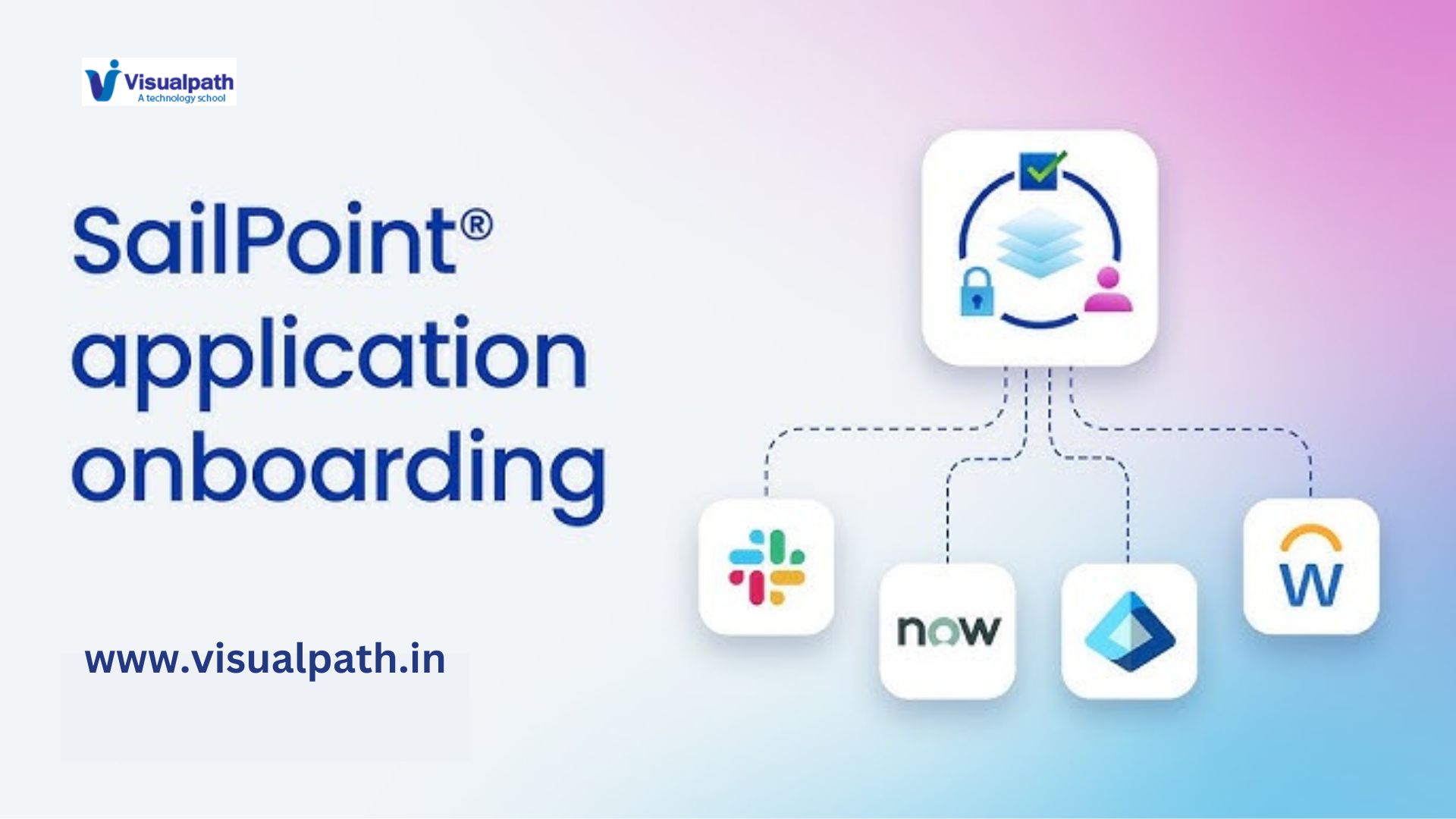
    The application onboarding process in SailPoint involves integrating a new application with the SailPoint platform so that it can monitor, manage, and govern user identities, access controls, and entitlements associated with that application.

    Steps in the SailPoint Application Onboarding Process:

    Preparation and Planning:

    The onboarding process starts with a thorough assessment of the application to be integrated. This includes identifying the application’s data structures, user directories, authentication methods, and entitlements (e.g., roles, permissions, or access levels).

    It is also essential to define the onboarding objectives, such as whether the application will be used for provisioning (automatic account creation), governance (access review and certification), or both. A project plan should be drafted to ensure that stakeholders understand the steps, timelines, and deliverables. Sailpoint Identity IQ Training

    Connector Selection and Configuration:

    SailPoint uses connectors to interface with various types of applications, including cloud-based, on-premises, and custom applications. A key part of onboarding is selecting the correct connector for the application. SailPoint provides out-of-the-box connectors for popular applications such as Salesforce, SAP, and Active Directory.

    User and Access Data Mapping:

    The next step is mapping user accounts and entitlements from the onboarded application into SailPoint. This is crucial for identifying how access rights are structured and assigned within the application.

    For example, an employee in an HR application may have roles such as “Manager” or “Employee,” each with its own set of permissions. These roles and entitlements must be carefully mapped to corresponding SailPoint attributes.

    Provisioning and Governance Setup:

    After user accounts and entitlements are mapped, SailPoint provisioning workflows can be configured. This step automates the creation, modification, or deactivation of user accounts within the onboarded application based on lifecycle events like onboarding, role changes, or termination.

    Testing and Validation:

    Before the application is fully integrated into the SailPoint environment, extensive testing must be conducted. This ensures that user data synchronization, provisioning actions, and governance workflows function as expected. Sailpoint Identity IQ Course Online

    Typical testing steps include creating test user accounts, assigning roles, requesting access, and running certification campaigns. Any issues detected during this phase are addressed before proceeding to full deployment.

    Deployment and Monitoring:

    Once testing is successful, the application is ready for production. However, the onboarding process doesn’t end here. Ongoing monitoring is required to ensure that the integration remains functional, access controls are enforced, and any issues are addressed quickly.

    Conclusion:

    The SailPoint application onboarding process is a critical component of identity governance, enabling organizations to manage user access efficiently and securely across their application landscape. By following a structured process that includes connector selection, data mapping, provisioning, and testing, businesses can ensure that their applications are governed with a high level of control and compliance.

    Visualpath is the Leading and Best Institute for learning Sailpoint Online Training in Ameerpet, Hyderabad. We provide Sailpoint Online Course, you will get the best course at an affordable cost.

    Visit : https://www.visualpath.in/sailpoint-Identity-IQ-online-training.html

     WhatsApp : https://www.whatsapp.com/catalog/919989971070/

  • Managing sources over review? SailPoint Identity IQ

    Managing sources over review? SailPoint Identity IQ

    SailPoint IdentityIQ, “managing sources” typically refers to managing the various applications and systems (often called connectors or sources) that IdentityIQ integrates with for identity management and governance. These sources could include systems like Active Directory, databases, cloud applications, and more. “Review” in this context usually refers to access reviews (or certification campaigns) which are processes designed to ensure that the right people have the right access to systems and data within an organization. Sailpoint Identity IQ Course Online

    Managing Sources in SailPoint IdentityIQ:

    1. Integration with Systems: SailPoint connects to various identity sources to pull and manage identity data. These sources include HR systems, directories, SaaS applications, and on premise systems.
    2. Source Configuration: Admins can configure how SailPoint reads from and writes to these sources. Configuration includes setting up connectors, defining data import schedules, and mapping identities across different systems.
    3. Data Aggregation: SailPoint IdentityIQ periodically pulls data from these sources to maintain a current understanding of user identities, accounts, and entitlements. This allows the system to generate insights and enforce policies across the organization.
    4. Source Monitoring: Continuous monitoring of these sources ensures that changes in identity attributes or access rights are captured, which helps maintain accurate identity data across the organization. Sailpoint Online Training

    Review (Access Certification) in SailPoint IdentityIQ:

    1. Access Review Campaigns: These are periodic reviews to ensure that only authorized users have access to certain systems or data. Managers, role owners, or system owners review user access and determine whether access should be maintained or revoked.
    2. Types of Reviews: There are different types of reviews in IdentityIQ, such as user access reviews, role membership reviews, and entitlement reviews. These ensure that access rights align with organizational policies and compliance requirements.
    3. Automated and Manual Processes: SailPoint can automate portions of the review process based on rules or policies. However, some reviews require manual input from managers or other stakeholders to ensure accuracy and compliance.
    4. Remediation: If a review identifies inappropriate access, SailPoint can trigger remediation actions to revoke or adjust user access. Sailpoint Identity IQ Training

    To summarize, managing sources involves configuring and maintaining the systems that feed identity data into SailPoint, while reviews ensure that access is properly governed and compliant with internal policies and regulations. Both are critical for a secure and compliant identity governance framework.

    Visualpath offers the SailPoint Identity IQ Training Institute in Ameerpet. Conducted by real-time experts. Our SailPoint Online Training available in Hyderabad and is provided to individuals globally in the USA, UK, Canada, Dubai, and Australia. Contact us at+91-

    WhatsApp: https://www.whatsapp.com/catalog/919989971070/

     Visit: https://visualpath.in/sailpoint-Identity-IQ-online-training.html

  • SailPoint IdentityIQ: Comprehensive Identity Security

    SailPoint IdentityIQ: Comprehensive Identity Security

    In the increasingly complex digital world, identity security has become a cornerstone for businesses aiming to safeguard data, maintain compliance, and prevent security breaches. SailPoint Identity IQ is an industry-leading identity governance solution designed to provide comprehensive identity security by offering powerful tools to manage and govern user access across various systems and applications. SailPoint Online Training

    Key Features of SailPoint IdentityIQ

    1. Access Control: At the heart of SailPoint IdentityIQ is its robust access control capabilities. It ensures that only authorized users have access to specific systems or data, based on their roles within the organization. By enforcing least privilege access, IdentityIQ minimizes the risk of insider threats and ensures that users only have access to what they need.

    2. Automated User Lifecycle Management: IdentityIQ automates the user lifecycle processes, such as provisioning, DE provisioning, and role changes. This not only reduces the burden on IT teams but also mitigates risks associated with manual processes by ensuring that user access rights are updated in real-time when there are changes in job roles or employment status.

    3. Policy and Compliance Management: IdentityIQ helps organizations meet regulatory requirements like GDPR, HIPAA, and SOX by providing comprehensive policy and compliance management capabilities. With built-in compliance reporting and certification processes, it simplifies the tracking of user access and ensures that organizations can demonstrate adherence to relevant regulations during audits. SailPoint Identity IQ Training Course in Hyderabad

    4. Risk-Based Analytics: By incorporating AI and machine learning, IdentityIQ offers intelligent analytics that can identify risky behaviours and anomalous access patterns. This enables organizations to proactively address potential threats before they escalate into serious incidents.

    5. Seamless Integration: SailPoint IdentityIQ is known for its ability to integrate with a wide range of systems, both on-premises and in the cloud. Whether managing access to enterprise applications, cloud platforms, or legacy systems, IdentityIQ supports seamless integration, allowing for comprehensive identity security across all environments. SailPoint Identity IQ Online Training

    Why Choose SailPoint IdentityIQ?

    SailPoint IdentityIQ is a comprehensive solution for organizations seeking a balance between strong security, user convenience, and operational efficiency. Its automation capabilities reduce manual workloads while enhancing security, and its compliance tools simplify regulatory adherence. With intelligent analytics and seamless integration, IdentityIQ is the optimal choice for enterprises that need to manage complex identity environments securely.

    Visualpath provides the Best SailPoint Identity IQ Training. Live Instructor-Led Online Classes delivered by experts from Our Industry. Get Real-time exposure of the SailPoint Identity IQ Course Online. All the class recordings, presentations will be shared with you for reference. Call & WhatsApp +-91-9989971070.

    WhatsApp: https://www.whatsapp.com/catalog/919989971070/

    Visit: https://visualpath.in/sailpoint-Identity-IQ-online-training.html

  • What is Role in SailPoint IIQ?

    What is Role in SailPoint IIQ?

    Introduction:

    SailPoint IdentityIQ (IIQ), a leading IAM solution, leverages roles to simplify and automate the process of granting, modifying, and revoking access rights across an organization. Understanding the role of roles in SailPoint IIQ is crucial for organizations aiming to maintain security, ensure compliance, and streamline their identity governance processes. Sailpoint Online Training

    What Is a Role in SailPoint IdentityIQ?

    In SailPoint IIQ, a role is essentially a collection of access entitlements that are grouped together to reflect the responsibilities, tasks, or job functions of a user within an organization. By assigning roles to users, organizations can efficiently manage access permissions and ensure that employees have the appropriate level of access to perform their duties without unnecessary privileges.

    Types of Roles in SailPoint IdentityIQ:

    Business Roles:

    Business roles are high-level, abstract representations of a user’s responsibilities within an organization. These roles are typically defined based on job titles, departments, or functions. For example, an “HR Manager” business role might include access to the human resources management system, payroll processing tools, and employee records.

    IT Roles:

    IT roles, on the other hand, are more granular and technical. They are directly associated with specific system entitlements, such as permissions to access databases, servers, or specific software applications. IT roles can include individual permissions or groups of permissions that are necessary for users to perform specific technical tasks. Sailpoint Identity IQ Training

    Importance of Roles in Identity Governance:

    Streamlined Access Management: Roles simplify the process of granting and managing access rights. Instead of assigning individual permissions to each user, administrators can assign roles that automatically provision the appropriate entitlements based on the user’s responsibilities.

    Enhanced Security: By leveraging roles, organizations can implement the principle of least privilege, ensuring that users only have access to the resources necessary for their job functions. This reduces the risk of unauthorized access and potential security breaches.

    Improved Compliance: Roles in SailPoint IIQ help organizations comply with regulatory requirements by ensuring that access controls are consistently applied and auditable. This is particularly important for industries with strict compliance mandates, such as finance, healthcare, and government.

    Operational Efficiency: Automating role assignments based on predefined criteria, such as job titles or departments, reduces the administrative burden on IT teams. This automation also minimizes the potential for human error in the access provisioning process. Sailpoint Identity IQ Course

    Role Lifecycle Management in SailPoint IdentityIQ:

    Managing roles in SailPoint IIQ involves a continuous lifecycle process, which includes role creation, maintenance, and decommissioning.

    Role Creation: The process begins with defining and creating roles based on the organization’s needs. This involves determining the appropriate entitlements and ensuring that each role aligns with specific business functions or technical requirements.

    Role Maintenance: As the organization evolves, roles may need to be updated to reflect changes in job functions, technologies, or compliance requirements. Regular reviews and updates ensure that roles remain relevant and effective.

    Conclusion:

    Roles in SailPoint IdentityIQ are a foundational element of effective identity management. By organizing access rights into business and IT roles, organizations can streamline their access management processes, enhance security, and ensure compliance with regulatory standards.

    Visualpath is the Leading and Best Institute for learning Sailpoint Online Training in Ameerpet, Hyderabad. We provide Sailpoint Online Course, you will get the best course at an affordable cost.

    Visit : https://www.visualpath.in/sailpoint-Identity-IQ-online-training.html

     WhatsApp : https://www.whatsapp.com/catalog/919989971070/

  • What is Role Mining in SailPoint?

    What is Role Mining in SailPoint?

    Introduction:

    SailPoint, a leading IGA platform, addresses this need through comprehensive identity management solutions. One of its standout features is role mining, a process that plays a crucial role in refining access control mechanisms within organizations. Sailpoint Online Training

    Role Mining:

    Role mining, also known as role discovery or role engineering, is the process of analyzing user access patterns to identify and define roles within an organization. In the context of SailPoint, role mining helps organizations to streamline their role-based access control (RBAC) by identifying optimal roles that align with business functions and user access needs.

    Importance of Role Mining:

    Efficient access control is essential for maintaining security and compliance within an organization. Traditional methods of role assignment can be cumbersome and error-prone, often leading to excessive or inadequate access permissions. Role mining addresses these challenges by providing a data-driven approach to role definition, ensuring that users have the right level of access required for their job functions. Sailpoint Identity IQ Training

    Role Mining Process in SailPoint:

    Data Collection and Analysis: The first step in role mining involves collecting access data from various sources within the organization. SailPoint’s advanced analytics capabilities enable the aggregation of this data, which includes user permissions, entitlements, and activity logs.

    Pattern Identification: Once the data is collected, SailPoint utilizes sophisticated algorithms to identify patterns in user access. These patterns reveal commonalities in the permissions assigned to different users, which can be grouped into potential roles.

    Role Definition and Validation: Based on the identified patterns, SailPoint suggests potential roles. These suggested roles undergo validation to ensure they accurately reflect the access needs of users. Validation involves reviewing the proposed roles with stakeholders and making necessary adjustments to align with business processes and security policies.

    Role Assignment and Optimization: After validation, the defined roles are assigned to users. SailPoint’s automated workflows facilitate the smooth transition from individual permissions to role-based access. Additionally, role mining is an ongoing process, allowing for continuous optimization. As access patterns evolve, SailPoint updates roles to maintain alignment with changing business requirements. Sailpoint Identity IQ Course

    Benefits of Role Mining in SailPoint:

    Improved Security: By defining roles based on actual access needs, role mining minimizes the risk of over-provisioning and reduces the attack surface. This ensures that users have only the permissions necessary for their job functions, enhancing overall security.

    Enhanced Compliance: Role mining simplifies the process of demonstrating compliance with regulatory requirements. With clearly defined roles, organizations can more easily track and audit access permissions, ensuring adherence to standards such as GDPR, HIPAA, and SOX.

    Operational Efficiency: Automating the role definition process streamlines access management, reducing the administrative burden on IT teams. This efficiency allows IT resources to focus on strategic initiatives rather than manual access provisioning and de-provisioning tasks.

    Conclusion:

    In the rapidly evolving landscape of identity governance, role mining in SailPoint emerges as a powerful tool for enhancing access control. By leveraging data-driven insights to define and optimize roles, organizations can achieve improved security, compliance, and operational efficiency.

    Visualpath is the Leading and Best Institute for learning Sailpoint Online Training in Ameerpet, Hyderabad. We provide Sailpoint Online Course, you will get the best course at an affordable cost.

    Visit : https://www.visualpath.in/sailpoint-Identity-IQ-online-training.html

     WhatsApp : https://www.whatsapp.com/catalog/919989971070/

  • What are the 4 Components of IAM?

    What are the 4 Components of IAM?

    Introduction:

    Sailpoint Identity and Access Management (IAM) is a critical framework that helps in safeguarding data by managing and controlling user access. Effective IAM solutions are built upon four essential components: Identity Management, Authentication, Authorization, and Auditing. Sailpoint Online Training

    Identity Management:

    Identity Management forms the foundation of IAM by creating, maintaining, and managing user identities within an organization. It involves the processes and technologies used to identify and authenticate users, ensuring that only authorized individuals have access to specific resources.

    Identity Management encompasses several key activities:

    User Provisioning and De-provisioning: This involves creating user accounts, assigning appropriate access rights, and removing accounts when no longer needed. Automated provisioning tools streamline these processes, reducing the risk of human error and ensuring timely updates to access permissions.

    Identity Synchronization: Ensuring consistency of user identities across multiple systems and applications is crucial. Identity synchronization tools help maintain a unified view of user identities, simplifying management and enhancing security. Sailpoint Identity IQ Course

    Directory Services: Centralized directories store and manage user identity information. These services, such as LDAP (Lightweight Directory Access Protocol) or Active Directory, provide a single source of truth for user identities, enabling efficient authentication and authorization processes.

    Authentication: Authentication is the process of verifying the identity of a user attempting to access a system or resource. It ensures that the person claiming a particular identity is indeed who they say they are. Effective authentication mechanisms are vital for preventing unauthorized access and protecting sensitive data.

    Key aspects of authentication include:

    Password Management: While passwords are the most common form of authentication, they are also vulnerable to breaches. Implementing strong password policies, such as complexity requirements and regular updates, can enhance security. Additionally, multi-factor authentication (MFA) adds an extra layer of protection by requiring additional verification methods, such as biometrics or one-time codes.

    Single Sign-On (SSO): SSO simplifies the user experience by allowing users to authenticate once and gain access to multiple systems and applications without re-entering credentials. This reduces password fatigue and enhances security by minimizing the number of credentials users need to manage.

    Biometric Authentication: Biometric methods, such as fingerprint scanning, facial recognition, and iris scanning, provide highly secure and convenient authentication options. These methods leverage unique physical characteristics, making them difficult to replicate or forge.

    Authorization: Authorization determines the level of access a verified user has to resources within an organization. It involves defining and enforcing policies that specify what actions users are allowed to perform based on their roles and responsibilities. Sailpoint Identity IQ Training

    Key elements of authorization include:

    Role-Based Access Control (RBAC): RBAC simplifies access management by assigning permissions based on predefined roles. Users are granted access rights according to their roles, ensuring that they have only the necessary permissions to perform their duties.

    Attribute-Based Access Control (ABAC): ABAC extends the flexibility of access control by considering various attributes, such as user roles, locations, and device types. Access decisions are made dynamically based on these attributes, enabling fine-grained control over resource access.

    Policy Enforcement: IAM solutions enforce access policies consistently across all systems and applications. This ensures that users adhere to security guidelines and that unauthorized access attempts are promptly detected and blocked.

    Conclusion:

    Identity and Access Management is a multifaceted discipline that plays a crucial role in securing an organization’s digital assets. By understanding and effectively implementing the four core components—Identity Management, Authentication, Authorization, and Auditing—organizations can ensure robust security, efficient access control, and compliance with regulatory standards.

    Visualpath is the Leading and Best Institute for learning Sailpoint Online Training in Ameerpet, Hyderabad. We provide Sailpoint Online Course, you will get the best course at an affordable cost.

    Visit : https://www.visualpath.in/sailpoint-Identity-IQ-online-training.html

     WhatsApp : https://www.whatsapp.com/catalog/919989971070/

  • What is Identity Mapping in SailPoint?

    What is Identity Mapping in SailPoint?

    Introduction:

    SailPoint, a leader in identity management solutions, utilizes identity mapping to streamline and secure this process. This article delves into the concept of identity mapping in SailPoint, highlighting its significance, benefits, and implementation. Sailpoint Online Training

    What is Identity Mapping?

    Identity mapping refers to the process of correlating and synchronizing user identities across various systems, applications, and directories within an organization. It ensures that a single, consistent identity exists for each user, regardless of the number of systems they access. This unified identity representation is vital for effective access control, compliance, and auditability.

    The Importance of Identity Mapping in SailPoint:

    Consistency and Accuracy: Identity mapping ensures that user identities are consistent and accurate across all systems. This consistency is critical for maintaining the integrity of access control policies and preventing unauthorized access.

    Enhanced Security: With identity mapping, organizations can enforce stringent security policies and monitor user activities more effectively. By having a unified view of user identities, security teams can quickly identify and mitigate potential security risks. Sailpoint Identity IQ Training

    Compliance and Auditability: Regulatory compliance is a significant concern for many organizations. Identity mapping helps meet compliance requirements by providing a clear audit trail of user access and activities. This transparency simplifies the process of demonstrating compliance during audits.

    Streamlined User Provisioning and Deprovisioning: Identity mapping automates the process of provisioning and deprovisioning user accounts. When a user joins or leaves the organization, their access rights are automatically updated across all systems, reducing the risk of orphaned accounts and ensuring that access is promptly revoked when necessary.

    How SailPoint Implements Identity Mapping:

    SailPoint’s identity mapping process involves several key steps:

    Discovery and Correlation: SailPoint first discovers and collects identity data from various sources, such as Active Directory, HR systems, and cloud applications. It then correlates this data to create a unique identity for each user.

    Normalization and Reconciliation: Once the identities are correlated, SailPoint normalizes the data to ensure consistency. This involves reconciling discrepancies and resolving conflicts between different identity sources.

    Attribute Mapping: SailPoint maps user attributes from different sources to a centralized identity profile. This mapping includes attributes such as username, email, roles, and access rights. Sailpoint Identity IQ Course

    Identity Lifecycle Management: With the identity mapping in place, SailPoint manages the entire lifecycle of user identities, from creation and modification to deactivation and deletion. This lifecycle management ensures that user identities remain accurate and up-to-date.

    Continuous Monitoring and Auditing: SailPoint continuously monitors user identities and access activities. It provides real-time insights and alerts on any anomalies or policy violations, enabling proactive security measures.

    Conclusion:

    Identity mapping in SailPoint is a fundamental aspect of modern identity governance. By providing a unified and consistent view of user identities across all systems, it enhances security, ensures compliance, and streamlines identity management processes.

    Visualpath is the Leading and Best Institute for learning Sailpoint Online Training in Ameerpet, Hyderabad. We provide Sailpoint Online Course, you will get the best course at an affordable cost.

    Call on – +91-9989971070

    Visit : https://www.visualpath.in/sailpoint-Identity-IQ-online-training.html
     WhatsApp : https://www.whatsapp.com/catalog/919989971070/

  • What is Workflow in SailPoint IIQ?

    What is Workflow in SailPoint IIQ?

    Introduction:

    SailPoint IdentityIQ (IIQ) is a leading identity governance solution that enables organizations to manage user access and ensure compliance with industry regulations. One of the critical features of SailPoint IIQ is its robust workflow engine, which allows organizations to automate and streamline identity management processes. Sailpoint Online Training

    Key Components of SailPoint IIQ Workflows:

    Workflow Stages:

    Start: The initial stage where the workflow is triggered. This can be initiated manually by a user or automatically based on predefined conditions or events.

    Activities: The core actions performed within the workflow. Activities can include tasks like sending notifications, updating user attributes, or making decisions based on conditional logic. Sailpoint Identity IQ Training

    Decision Points: Conditional branches within the workflow that determine the next course of action based on specific criteria. Decision points help create dynamic workflows that can adapt to different scenarios.

    Sub-Workflows: Reusable components that can be nested within larger workflows. Sub-workflows allow for modular design and can be invoked multiple times within the main workflow.

    Workflow Variables:

    Workflow variables are used to store and pass data throughout the workflow execution. These variables can hold information such as user attributes, access rights, and approval statuses.

    Workflow Actions:

    SailPoint IIQ provides a variety of predefined actions that can be incorporated into workflows.

    These actions include:

    Approval: Obtaining approvals from designated users or groups before proceeding to the next stage.

    Provisioning: Creating, modifying, or disabling user accounts and access rights across various systems. Sailpoint Identity IQ Course Online

    Notifications: Sending email notifications or messages to inform stakeholders about workflow progress or required actions.

    Escalation: Automatically escalating tasks to higher authority if predefined conditions (e.g., timeouts) are met.

    Decision: Making decisions based on conditional logic, such as checking user attributes or access rights.

    Common Use Cases for SailPoint IIQ Workflows:

    User Provisioning:

    One of the primary use cases for workflows in SailPoint IIQ is user provisioning. When a new employee joins an organization, a workflow can be triggered to automatically create the necessary user accounts, assign appropriate access rights, and send notifications to relevant stakeholders.

    Access Requests and Approvals:

    Workflows can streamline the process of requesting and approving access to various systems and applications. Users can submit access requests through a self-service portal, and the workflow will route these requests to the appropriate approvers.

    Certification Campaigns:

    Certification campaigns are periodic reviews of user access rights to ensure compliance with security policies and regulatory requirements. Workflows in SailPoint IIQ can automate the entire certification process, from generating certification tasks to collecting reviewer responses and implementing necessary changes based on the review outcomes.

    Conclusion:

    SailPoint IdentityIQ workflows play a vital role in automating and optimizing identity governance processes. By leveraging the powerful workflow engine, organizations can ensure efficient and consistent management of user access, reduce manual effort, and enhance compliance with security policies.

    Visualpath is the Leading and Best Institute for learning Sailpoint Online Training in Ameerpet, Hyderabad. We provide Sailpoint Online Course, you will get the best course at an affordable cost.

    Call on – +91-9989971070

    Visit : https://www.visualpath.in/sailpoint-Identity-IQ-online-training.html
     WhatsApp : https://www.whatsapp.com/catalog/917032290546/

  • How to Onboard Applications in SailPoint?

    How to Onboard Applications in SailPoint?

    Introduction:

    SailPoint is a leading identity governance platform that helps organizations manage user access, ensure compliance, and mitigate security risks. Onboarding applications in SailPoint is a crucial step for managing access and ensuring that the right users have the right access to the right applications.

    Importance of Application Onboarding:

    Onboarding applications in SailPoint allows organizations to:

    Centralize identity management. Sailpoint Identity IQ Training

    Automate access provisioning and de-provisioning.

    Enhance security and compliance.

    Simplify audit processes.

    By integrating applications with SailPoint, organizations can ensure that user access is managed consistently and securely across all systems.

    Steps to Onboard Applications in SailPoint:

    Preparation and Planning:

    Before starting the onboarding process, it is essential to:

    Identify the applications to be onboarded.

    Understand the access requirements and compliance needs of each application.

    Gather necessary information such as API details, user roles, and access policies.

    Create an Application Object:

    In SailPoint, each application is represented as an application object.

    To create an application object:

    Log in to the SailPoint IdentityNow or IdentityIQ portal.

    Navigate to the “Applications” section.

    Click on “Add Application” or a similar option based on the version you are using.

    Choose the application type from the available templates (e.g., Active Directory, Salesforce, etc.). Sailpoint Online Training

    Configure Application Settings:

    After selecting the application type, configure the application settings:

    Provide a name and description for the application.

    Enter connection details such as URLs, hostnames, and ports.

    Specify authentication credentials like usernames, passwords, or certificates.

    Set up synchronization settings to determine how and when data will be synchronized between SailPoint and the application.

    Define Entitlements:

    Entitlements are the access rights or permissions associated with an application.

    To define entitlements:

    Identify the roles and permissions needed for the application.

    Map these roles and permissions to SailPoint entitlements.

    Configure entitlement aggregation to pull entitlement data from the application into SailPoint.

    Configure Identity Attributes:

    Map identity attributes between SailPoint and the application. This involves:

    Identifying user attributes (e.g., username, email, department) in both systems. Sailpoint Identity IQ Course Online

    Conclusion:

    Onboarding applications in SailPoint is a critical process that helps organizations manage access, ensure compliance, and enhance security. By following a structured approach to preparation, configuration, testing, and monitoring, organizations can effectively integrate applications with SailPoint and achieve centralized identity governance.

    Visualpath is the Leading and Best Institute for learning Sailpoint Online Training in Ameerpet, Hyderabad. We provide Sailpoint Online Course, you will get the best course at an affordable cost.

    Call on – +91-9989971070

    Visit : https://www.visualpath.in/sailpoint-Identity-IQ-online-training.html
     WhatsApp : https://www.whatsapp.com/catalog/917032290546/