Tag: Playwright Automation Testing Hyderabad

  • How to Perform API Testing in Playwright: A Beginner’s Guide

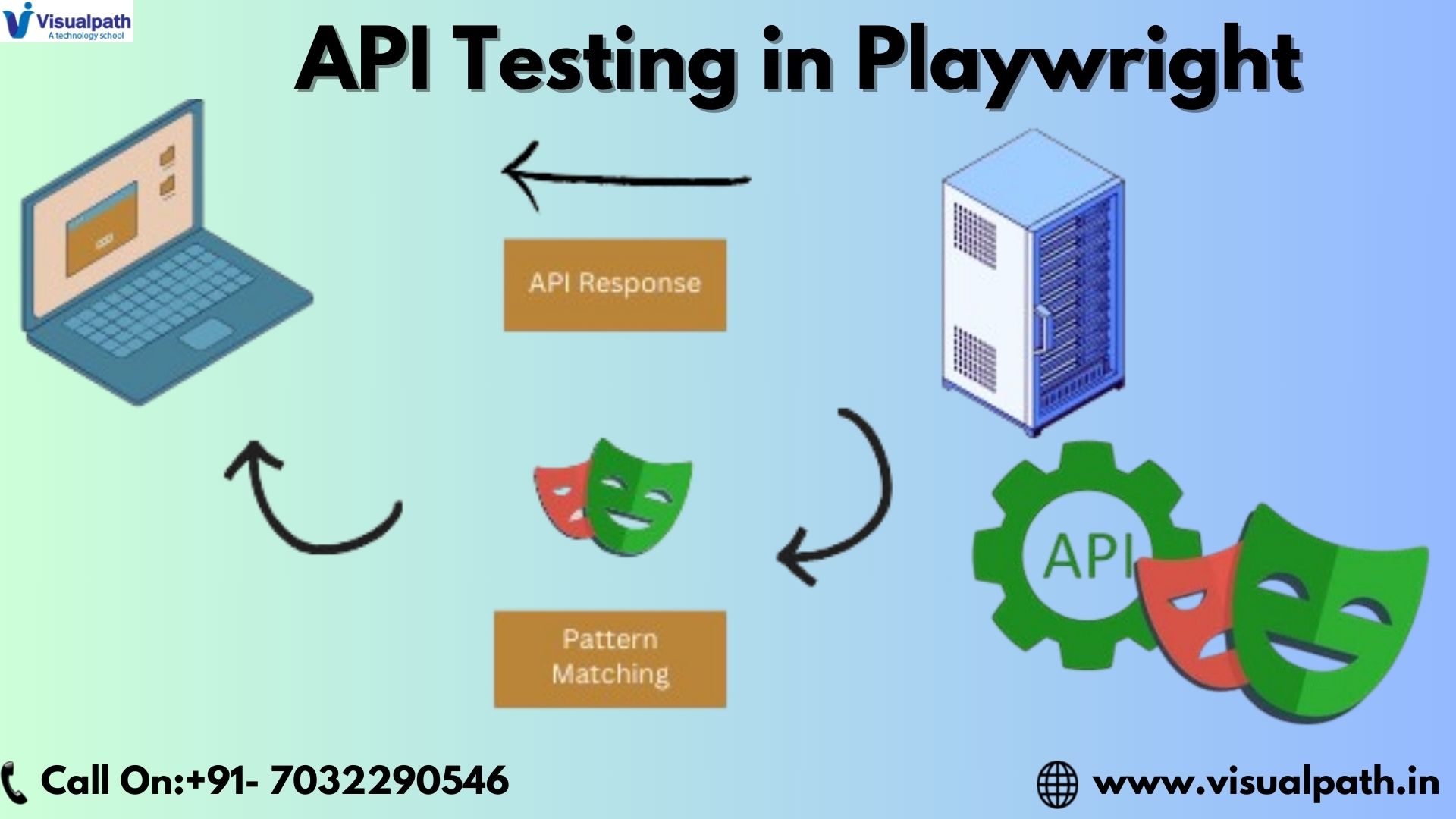
    How to Perform API Testing in Playwright: A Beginner’s Guide

    PlayWright Automation Training, while celebrated for its robust browser automation capabilities, also provides a remarkably efficient and elegant way to conduct API testing. This comprehensive guide caters to beginners, offering a clear and practical introduction to leveraging Playwright for this crucial aspect of software quality assurance. We’ll explore the essential concepts, walk through practical examples, and outline best practices to empower you to begin API testing with confidence. API testing is fundamental to ensuring the reliability, functionality, and performance of backend services, and Playwright’s versatile nature makes it an excellent choice for this task.  

    Why Choose Playwright for API Testing?

    While dedicated API testing tools like Postman are widely used, Playwright offers several compelling advantages:

    • Unified Testing Framework: Playwright allows you to consolidate your testing efforts by using the same framework for both UI and API testing. This streamlines your overall testing process, reduces the learning curve, and simplifies the management of your testing infrastructure. Having a single platform for all testing needs simplifies reporting and analysis as well.  
    • Seamless Integration with Browser Automation: In many cases, APIs interact directly with web applications. Playwright’s ability to seamlessly integrate API tests with browser automation allows you to create comprehensive end-to-end test scenarios. This PlayWright Training ensures that the entire system, from the user interface to the backend API, functions correctly.  
    • Modern and Efficient Architecture: Playwright is built on a modern, event-driven architecture, resulting in exceptional performance, stability, and scalability. This is particularly beneficial when dealing with complex API test suites or high volumes of API requests. Tests execute quickly and reliably.  
    • Support for Multiple Programming Languages: Playwright’s versatility extends to its support for multiple programming languages, including JavaScript/TypeScript, Python, Java, and .NET. This makes it accessible to a wide range of developers, regardless of their preferred language or their team’s existing skill set.  

    Setting Up Playwright for API Testing:

    Before you can begin API testing with Playwright, you’ll need to make sure you have the necessary prerequisites in place. This typically involves having Node.js and npm (or yarn) installed on your system. Once these are set up, installing Playwright is a simple command-line operation. This single installation provides all the necessary components for both API and browser testing.

    Writing Your First API Test (Conceptual Overview):

    Let’s discuss the general process of creating a basic API test using Playwright. The fundamental steps involve defining a test case, using Playwright’s built-in request capability to make the API call, and then verifying the API’s response. Response verification typically includes checking the HTTP status code (e.g., confirming a successful response with a 200 code) and examining the data returned by the API to PlayWright Automation Online Training ensure it matches your expectations.  

    Making Different API Requests:

    Playwright’s request feature is designed to handle a variety of API request types, covering the full range of HTTP methods:

    • GET: Used to retrieve data from the API endpoint. This is the standard method for fetching information.
    • POST: Used to create new resources on the server. This method sends data to the API to be stored or processed.
    • PUT: Used to update existing resources on the server. This method sends data to the API to modify a previously created resource.
    • DELETE: Used to delete resources from the server. This method removes data from the server.

    When making POST or PUT requests, you will usually need to include the data you want to send to the API (often referred to as the “payload”). This payload is typically formatted as JSON.

    Grouping Tests and Running in Parallel:

    PlayWright Online Training provides mechanisms to organize your tests effectively. You can group related tests together, which improves the structure and readability of your test suite. This makes it easier to manage and maintain your tests as your project grows. Furthermore, Playwright allows you to run your tests in parallel, significantly reducing the overall execution time, especially when you have a large number of tests to run. This is crucial for efficient testing in a CI/CD environment.  

    Best Practices for API Testing with Playwright:

    • Use Descriptive Test Names: Choose test names that are clear, concise, and accurately describe the API endpoint being tested and the expected behavior. This greatly improves the readability and maintainability of your test suite, making it easier for team members to understand the purpose of each test.
    • Test All Possible Scenarios: Don’t just test the “happy path” (successful requests). Cover positive, negative, and edge cases to ensure your API is robust and handles unexpected inputs or conditions gracefully. Consider boundary conditions, invalid data, and error handling.
    • Thoroughly Validate the Response Body: Go beyond simply checking the HTTP status code. PlayWright with TypeScript Training thoroughly validate the structure and content of the response body to ensure it contains the expected data in the correct format. Check data types, specific values, and the presence of required fields.
    • Implement Data-Driven Testing: Use test data from external sources (e.g., files or databases) to run the same test with a variety of inputs. This helps to increase test coverage and identify potential issues with different data sets, ensuring your API works correctly with a wide range of data.
    • Keep Your Tests Organized: Group related tests together and use a clear and consistent folder structure to keep your test suite well organized. This makes it easier to navigate and maintain your tests as your project grows.
    • Integrate with CI/CD: Integrate your API tests into your Continuous Integration and Continuous Delivery (CI/CD) pipeline. This ensures that your APIs are tested automatically with every build, helping to catch regressions early and maintain the quality of your backend services throughout the development lifecycle.  

    Conclusion:

    Playwright stands out as a versatile and powerful tool for API testing. Its unified framework, modern architecture, and ease of use make it an excellent choice for developers looking to test their APIs effectively and efficiently. By adhering to the guidelines and best practices outlined in this article, you can leverage Playwright to build robust and reliable API tests, ensuring the quality, performance, and functionality of your backend services. With its seamless integration with UI testing, Playwright can truly become your one-stop solution for all your testing needs.

  • Mastering Playwright: TypeScript Features You Need to Know

    Mastering Playwright: TypeScript Features You Need to Know

    Playwright Automation Training web development, automated testing frameworks have become indispensable tools for ensuring application reliability and performance. Among these frameworks, Playwright has emerged as a powerful solution, offering developers the ability to perform end-to-end testing across multiple browsers. When combined with TypeScript, Playwright’s capabilities are further enhanced, providing robust type safety and advanced features that streamline the testing process. This article delves into the essential TypeScript features that developers should master to harness the full potential of Playwright.

    1. Seamless TypeScript Integration

    Playwright offers out-of-the-box support for TypeScript, allowing developers to write tests with enhanced type safety and autocompletion. By leveraging TypeScript’s static typing, developers can catch potential errors during the development phase, leading to more reliable and maintainable test code. To set up TypeScript with Playwright, ensure that you have a tsconfig.json file in your project. PlayWright Training will automatically detect this configuration and compile TypeScript files as needed. It’s important to note that while Playwright can run tests even with non-critical TypeScript compilation errors, it’s recommended to run the TypeScript compiler alongside Playwright to ensure code correctness.

    2. Configuring tsconfig.json for Optimal Performance

    The tsconfig.json file plays a pivotal role in defining how TypeScript compiles your code. For Playwright projects, it’s advisable to set up a separate tsconfig.json within your tests directory to customize preferences specifically for your tests. Key compiler options to consider include:

    • target: Specifies the JavaScript version to which TypeScript will compile. Setting this to “ESNext” ensures compatibility with the latest JavaScript features.
    • module: Defines the module system used in the compiled code. For Node.js environments, “commonjs” is a standard choice.
    • moduleResolution: Determines how module imports are resolved. The “node” setting is appropriate for Node.js projects.
    • sourceMap: Generates source maps to facilitate debugging. Enabling this option is beneficial during development.
    • outDir: Specifies the output directory for compiled JavaScript files. It’s common practice to direct these files to a separate folder, such as “../tests-out”.

    By meticulously configuring these options, developers can ensure that their TypeScript code is compiled efficiently and is well-suited for Playwright testing scenarios.

    3. Leveraging Path Mapping for Simplified Imports

    Managing complex import paths can be cumbersome, especially in large projects. Playwright Course Online path mapping feature, configured within tsconfig.json, allows developers to define aliases for directories, simplifying module imports. For instance, by setting up a path mapping, you can import modules using concise aliases instead of lengthy relative paths. This not only enhances code readability but also reduces the likelihood of import-related errors.

    4. Manual Compilation for Advanced TypeScript Features

    While Playwright can handle TypeScript compilation internally, there are scenarios where manual compilation becomes advantageous, particularly when utilizing experimental or cutting-edge TypeScript features. In such cases, developers can perform their own TypeScript compilation before executing tests. This involves setting up a dedicated tsconfig.json for the tests directory and adding scripts to the package.json file to handle the build process. By doing so, developers gain finer control over the compilation process, ensuring compatibility with advanced TypeScript functionalities.

    5. Utilizing Playwright’s Library Mode with TypeScript

    Playwright offers a library mode that provides unified APIs for launching and interacting with browsers. When used with TypeScript, developers can benefit from enhanced type definitions and autocompletion, leading to more intuitive and error-free code. For example, by importing the necessary modules from Playwright and defining the appropriate types, developers can write scripts that interact with browsers in a type-safe manner. This approach is particularly useful for scenarios that require direct control over browser instances without the overhead of a test runner.

    6. Best Practices for Type Safety in Playwright Tests

    To maximize the benefits of TypeScript in Playwright tests, consider the following best practices:

    • Explicit Typing: Always define explicit types for variables, function parameters, and return values. This practice enhances code clarity and prevents unintended type coercion.
    • Strict Mode: Enable TypeScript’s strict mode in tsconfig.json to enforce stricter type-checking rules, leading to more robust code.
    • Modularization: Organize your test code into modules with well-defined interfaces. This modular approach promotes reusability and simplifies maintenance.
    • Consistent Naming Conventions: Adopt consistent naming conventions for variables and functions to improve code readability and maintainability.

    By adhering to these best practices, developers can write Playwright tests that are not only effective but also maintainable and scalable.

    Conclusion

    Integrating Playwright with TypeScript empowers developers to write robust, type-safe tests that enhance application quality. By mastering TypeScript features such as seamless integration, meticulous configuration, path mapping, manual compilation, and leveraging library mode, developers can fully harness the capabilities of Playwright. Embracing these practices ensures the development of reliable and maintainable test suites, ultimately contributing to the delivery of high-quality web applications.

  • Is Playwright the Right Automation Tool for Your Team?

    Is Playwright the Right Automation Tool for Your Team?

    PlayWright Automation Training, an open-source framework developed by Microsoft, has garnered attention for its robust capabilities in end-to-end testing. But is it the right fit for your team? Let’s explore its features, advantages, and considerations to help you make an informed decision.

    Understanding Playwright

    Launched in January 2020, Playwright is designed to automate browser interactions, supporting multiple rendering engines, including Chromium, WebKit, and Firefox. It facilitates the simulation of real-world scenarios across different browsers, making it a versatile tool for comprehensive web application testing.

    Key Features of Playwright

    1. Cross-Browser Support: Playwright enables testing across various browsers such as Google Chrome, Microsoft Edge, Safari, and Firefox, ensuring consistent user experiences.
    2. Multi-Language Support: It offers support for languages like JavaScript, TypeScript, Python, C#, and Java, catering to diverse development team preferences.
    3. Parallel Test Execution: Playwright allows for parallel testing through browser contexts, enhancing efficiency by running multiple tests simultaneously.
    4. Robust Debugging Tools: Equipped with debugging options such as Playwright Inspector and integration with Visual Studio Code, it aids developers in identifying and resolving issues effectively.
    5. Automatic Waiting: Playwright automatically waits for elements to PlayWright Course Online be ready before executing actions, reducing the chances of flaky tests.

    Advantages of Using Playwright

    • Comprehensive Testing Capabilities: Beyond functional testing, Playwright supports end-to-end and API testing, providing a holistic approach to quality assurance.
    • Mobile Device Emulation: It allows for the emulation of mobile devices, enabling teams to test responsive designs and mobile-specific functionalities.
    • CI/CD Integration: Playwright integrates seamlessly with Continuous Integration and Continuous Deployment pipelines, facilitating automated testing within development workflows.

    Considerations Before Adoption

    While Playwright offers numerous benefits, it’s essential to assess the following:

    • Learning Curve: Teams unfamiliar with Playwright may require time to adapt, especially if transitioning from other frameworks.
    • Community Support: As a relatively new tool, its community is growing, but may not yet match the extensive support available for more established frameworks.
    • Resource Requirements: Implementing PlayWright Training in existing projects might necessitate additional resources for setup and integration.

    Is Playwright Right for Your Team?

    Determining whether Playwright aligns with your team’s needs involves evaluating your project’s specific requirements:

    • Browser Compatibility Needs: If your application demands rigorous cross-browser testing, Playwright’s extensive support makes it a strong candidate.
    • Programming Language Preferences: Teams working with JavaScript, PlayWright with TypeScript Training, TypeScript, Python, C#, or Java will find Playwright accommodating.
    • Testing Strategy: For those seeking a unified tool for end-to-end, functional, and API testing, Playwright offers a comprehensive solution.

    Conclusion

    Playwright emerges as a powerful and versatile automation tool, equipped with features that cater to modern web application testing needs. Its cross-browser support, multi-language compatibility, and robust debugging tools position it as a compelling choice for development teams. However, it’s crucial to weigh its advantages against your team’s specific requirements and readiness to adopt a new framework. By carefully considering these factors, you can determine if Playwright is the right automation tool to enhance your testing strategy and deliver high-quality web applications.

    Visualpath is the Leading and Best Software Online Training Institute in Hyderabad. Avail complete PlayWright Automation Training Worldwide. You will get the best course at an affordable cost.

  • How Playwright Automation is Revolutionizing End-to-End Testing

    How Playwright Automation is Revolutionizing End-to-End Testing

    PlayWright Automation Training evolving landscape of web development, ensuring the reliability and performance of applications across various browsers and platforms is paramount. Traditional testing frameworks often grapple with challenges like flakiness, slow execution, and limited cross-browser support. Enter Playwright, an open-source automation framework developed by Microsoft, which is transforming end-to-end (E2E) testing by addressing these challenges head-on.

    Understanding Playwright

    Launched in January 2020, Playwright is designed to provide fast and reliable testing for modern web applications. It supports all major rendering engines—Chromium, WebKit, and Firefox—enabling comprehensive cross-browser testing. Developers can write tests in multiple programming languages, PlayWright Course Online, including JavaScript, TypeScript, Python, .NET, and Java, making it accessible to a broad audience.

    Key Features Driving the Revolution

    1. Cross-Browser and Cross-Platform Support

    Playwright’s ability to automate browsers like Google Chrome, Microsoft Edge, Safari, and Firefox ensures that applications perform consistently across different environments. This cross-browser capability is crucial for reaching a diverse user base. Additionally, Playwright operates seamlessly on Windows, Linux, and macOS, both locally and in continuous integration (CI) pipelines, supporting headless and headed modes.

    1. Resilient and Flake-Free Testing

    One of the standout features of Playwright is its auto-wait mechanism. The framework intelligently waits for elements to become actionable before performing interactions, reducing the reliance on arbitrary timeouts—a common source of flaky tests. This approach enhances test reliability and minimizes false negatives.

    1. Comprehensive Mobile Emulation

    Recognizing the importance of mobile users, PlayWright Training offers native emulation of mobile devices, including Google Chrome for Android and Mobile Safari. This feature allows testers to validate the responsiveness and functionality of web applications on various screen sizes and orientations without the need for physical devices.

    1. Advanced Tooling and Debugging Capabilities

    Playwright comes equipped with powerful tools to enhance the testing experience:

    1. Codegen: This utility records user actions and generates corresponding test scripts in the desired programming language, accelerating test creation and reducing manual effort.
    2. Playwright Inspector: Aids in debugging by allowing testers to inspect the page, generate selectors, step through test execution, and explore logs interactively.
    3. Trace Viewer: Captures detailed information during test runs, including execution traces, screenshots, and DOM snapshots, facilitating efficient troubleshooting of test failures.
    4. Isolation and Parallelism
    5. PlayWright With TypeScript Training introduces the concept of browser contexts, which are akin to separate browser profiles. Each test runs in its own isolated context, ensuring no shared state between tests. This isolation enables safe parallel execution, significantly speeding up test suites and improving efficiency.
    6. Network Interception and Monitoring

    For applications that rely heavily on network interactions, Playwright provides capabilities to intercept and modify network requests and responses. This feature is invaluable for testing scenarios like handling network failures, simulating different server responses, and validating client-side behavior under various conditions.

    Real-World Impact and Adoption

    Since its inception, Playwright has seen rapid adoption within the developer community. Its robust feature set and reliability have made it a preferred choice for many organizations aiming to enhance their testing strategies. Companies have reported improved test stability, faster execution times, and increased confidence in their application’s cross-browser compatibility after integrating Playwright into their workflows.

    Conclusion

    Playwright is revolutionizing end-to-end testing by offering a comprehensive, reliable, and developer-friendly framework. Its cross-browser support, resilience against flaky tests, advanced tooling, and robust feature set empower teams to deliver high-quality web applications with confidence. As web development continues to evolve, Playwright stands out as a pivotal tool in ensuring that applications meet the demands of diverse environments and user expectations

    Visualpath is the Leading and Best Software Online Training Institute in Hyderabad. Avail complete PlayWright Automation Training Worldwide. You will get the best course at an affordable cost.

    WhatsApp: https://www.whatsapp.com/catalog/919989971070/

    Visit: https://www.visualpath.in/online-playwright-automation-training.html

    Visit Blog: https://playwrightautomationtraining.blogspot.com/

  • What Are the Key Advantages?

    What Are the Key Advantages?

    PlayWright Automation Training In the dynamic landscape of web development, ensuring consistent user experiences across various browsers is paramount. Cross-browser testing plays a crucial role in this endeavor, and selecting the right automation tool can significantly impact the efficiency and effectiveness of the testing process. PlayWright Course Online, an open-source framework developed by Microsoft, has emerged as a robust solution for cross-browser testing. This article explores the key advantages of using Playwright in this context.

    1. Comprehensive Cross-Browser Support

    PlayWright Training provides a unified API to automate major browser engines, including Chromium (Google Chrome and Microsoft Edge), WebKit (Safari), and Gecko (Firefox). This extensive support enables testers to write a single set of tests that can run seamlessly across different browsers, ensuring broad coverage and consistency in test results.

    2. Cross-Platform and Cross-Language Compatibility

    Beyond browser diversity, Playwright supports multiple operating systems—Windows, macOS, and Linux—and offers APIs in several programming languages, such as JavaScript, Python, C#, and Java. This flexibility allows development and QA teams to integrate Playwright into various environments and workflows, catering to diverse project requirements.

    3. Resilient and Reliable Testing

    One of the standout features of Playwright is its ability to handle dynamic web content effectively. It incorporates automatic waiting mechanisms, pausing test execution until the target elements are actionable. This approach minimizes the reliance on arbitrary timeouts, reducing the occurrence of flaky tests and enhancing the reliability of test outcomes.

    4. Rich Functionality for Complex Scenarios

    Playwright is designed to handle intricate testing scenarios with ease. It supports multiple browser contexts, allowing the simulation of different users or sessions within a single test. Additionally, PlayWright with TypeScript Training can automate tasks across multiple tabs and origins, providing a comprehensive testing environment for complex web applications.

    5. Enhanced Debugging and Tracing Capabilities

    Effective debugging is crucial for maintaining test quality. Playwright offers robust tracing capabilities, enabling testers to capture detailed logs, screenshots, and execution traces. These features facilitate the identification and resolution of issues, streamlining the debugging process and improving overall test efficiency.

    6. Mobile Emulation and Device Testing

    With the increasing prevalence of mobile web usage, testing on mobile devices is essential. PlayWright Automation provides native mobile emulation of Google Chrome for Android and Mobile Safari, allowing testers to validate the responsiveness and functionality of web applications on mobile platforms without the need for physical devices.

    7. Integration with Modern Development Workflows

    Playwright integrates seamlessly with contemporary development and continuous integration/continuous deployment (CI/CD) pipelines. Its compatibility with popular test runners and frameworks enables teams to incorporate automated cross-browser testing into their existing workflows, promoting a cohesive and efficient development process.

    Conclusion

    Playwright stands out as a powerful tool for cross-browser testing, offering comprehensive browser support, cross-platform and cross-language compatibility, and features designed to enhance test reliability and efficiency. Its ability to handle complex testing scenarios, coupled with robust debugging and mobile testing capabilities, makes it a valuable asset for development and QA teams aiming to deliver consistent and high-quality user experiences across diverse browsers and devices.

    Visualpath is the Leading and Best Software Online Training Institute in Hyderabad. Avail complete PlayWright Automation Training Worldwide. You will get the best course at an affordable cost.

    WhatsApp: https://www.whatsapp.com/catalog/919989971070/

    Visit: https://www.visualpath.in/online-playwright-automation-training.html

    Visit Blog: https://playwrightautomationtraining.blogspot.com/

  • Playwright vs Puppeteer – Which Automation Framework Should You Choose?

    Playwright vs Puppeteer – Which Automation Framework Should You Choose?

    What is Playwright?

    Playwright Automation, developed by Microsoft, is an open-source browser automation framework that supports multiple programming languages, including JavaScript, Python, C#, and Java. It provides powerful tools for automating Chromium, Firefox, and WebKit browsers. One of Playwright’s unique strengths is its cross-browser support, enabling seamless PlayWright Training across different browser engines.

    Key Features of Playwright:

    • Cross-Browser Testing: Automates Chromium (Chrome, Edge), Firefox, and WebKit (Safari).
    • Multi-Language Support: Compatible with JavaScript, Python, C#, and Java.
    • Built-In Test Runner: Simplifies test execution with Playwright Test.
    • Emulation and Mobile Testing: Supports device emulation for responsive design testing.
    • Powerful Locators: Allows targeting complex UI elements with robust selectors.

    What is Puppeteer?

    Puppeteer, developed by the Google Chrome team, is an open-source Node.js library focused on automating Chromium-based browsers, primarily Google Chrome. It’s widely used for end-to-end testing, web scraping, and generating PDFs or screenshots from web pages.

    Key Features of Puppeteer:

    • Chromium Automation: Built for Google Chrome and other Chromium-based browsers.
    • Headless Browser Support: Operates in headless mode for faster execution.
    • Rich API: Offers detailed control over browser actions and events.
    • PDF and Screenshot Generation: Ideal for web content rendering tasks.

    Playwright vs Puppeteer: A Comparison

    While both frameworks are powerful, their differences lie in scope, flexibility, and use cases. Here’s a side-by-side comparison:

    1. Cross-Browser Support

    • Playwright: Provides out-of-the-box support for multiple browsers (Chromium, Firefox, and WebKit), making it suitable for cross-browser testing PlayWright With TypeScript Training.
    • Puppeteer: Primarily focused on Chromium-based browsers, limiting its usability for diverse browser environments.

    2. Language Support

    • Playwright: Offers multi-language support (JavaScript, Python, C#, Java), making it accessible to a broader range of developers.
    • Puppeteer: Works exclusively with Node.js, catering primarily to JavaScript developers.

    3. Test Runner

    • Playwright: Comes with a built-in test runner (Playwright Test) that simplifies test execution and reporting.
    • Puppeteer: Requires third-party test runners like Jest or Mocha for managing tests.

    4. Community and Ecosystem

    • Playwright: Growing rapidly with a focus on modern web automation needs.
    • Puppeteer: Backed by Google with a strong presence in Chromium-based automation.

    5. Mobile and Emulation

    • Playwright: Provides robust device emulation and geolocation support for mobile testing.
    • Puppeteer: Supports basic emulation for mobile devices but lacks some advanced features.

    6. Performance and Stability

    • Playwright: Known for handling complex web apps and multi-tab workflows efficiently.
    • Puppeteer: Optimized for speed in headless Chromium environments.

    Choosing the Right Framework

    When to Choose Playwright:

    • You need cross-browser testing for comprehensive coverage.
    • Your team works with multiple programming languages.
    • You require advanced emulation or mobile testing capabilities.

    When to Choose Puppeteer:

    • Your focus is solely on Chrome or other Chromium-based browsers.
    • You prioritize speed and simplicity in a Node.js environment.
    • Your project involves tasks like web scraping or PDF generation.

    Real-World Use Cases

    Playwright:

    • Testing responsive web designs across multiple browsers.
    • Automating complex workflows in multi-tab applications.
    • Cross-browser regression testing.

    Puppeteer:

    • Generating PDFs from web pages for reporting tools.
    • Web scraping data from dynamic web apps.
    • Performance testing for Chrome-based applications.

    Conclusion

    Playwright and Puppeteer are both excellent choices for browser automation, each with its unique strengths. If your goal is robust cross-browser testing and multi-language support, Playwright is the clear winner. However, if your focus is on Chromium-based tasks with a JavaScript-first approach, Puppeteer might be your best bet.

    Ultimately, the right choice depends on your project requirements, team expertise, and testing goals. By understanding their differences, you can select the framework that aligns best with your automation needs.

    Visualpath is the Leading and Best Software Online Training Institute in Hyderabad. Avail complete PlayWright Automation Training Worldwide. You will get the best course at an affordable cost.

    WhatsApp: https://www.whatsapp.com/catalog/919989971070/

    Visit : https://www.visualpath.in/online-playwright-automation-training.html

  • Exploring Advanced Playwright Automation Techniques with TypeScript

    Exploring Advanced Playwright Automation Techniques with TypeScript

    PlayWright Automation Training  In the world of modern software testing, PlayWright Automation Training is a game-changer for automation testers looking to upskill and enhance their expertise. Playwright, an open-source framework by Microsoft, is rapidly gaining popularity for its efficiency and compatibility with multiple browsers. By combining Playwright with TypeScript, testers can unlock advanced techniques that streamline automation and enhance code quality. This article explores advanced Playwright techniques, the benefits of TypeScript, and how structured learning like PlayWright Course Online or PlayWright Training helps professionals master these skills.

    Why Choose Playwright with TypeScript?

    TypeScript, a superset of JavaScript, offers static typing and enhanced code readability, making it an excellent choice for automation testing. When integrated with Playwright, TypeScript allows developers to write robust, maintainable, and scalable tests. Here’s why this combination stands out:

    1. Static Typing: TypeScript’s static typing identifies potential issues at compile-time, reducing runtime errors in Playwright scripts.
    2. Enhanced Code Readability: With strong typing and modern ES6+ features, TypeScript improves test clarity and maintenance.
    3. Cross-Browser Testing: Playwright’s ability to support multiple browsers like Chromium, Firefox, and WebKit enhances test coverage across platforms.
    4. Faster Debugging: TypeScript’s features like intellisense and type-checking expedite debugging, enabling faster issue resolution.

    For automation testers, mastering these features through PlayWright Automation Online Training is crucial to staying ahead in the competitive landscape of software testing.

    Advanced Playwright Automation Techniques

    To fully leverage the power of Playwright with TypeScript, testers must explore advanced automation techniques. Here are some techniques covered in comprehensive PlayWright Training programs:

    1. Parallel Test Execution

    Playwright supports parallel execution, enabling testers to run multiple tests simultaneously, reducing testing time significantly. By using TypeScript’s features, managing asynchronous operations becomes seamless, ensuring efficient resource utilization.

    2. Custom Test Frameworks

    With Playwright’s flexibility, testers can create custom frameworks tailored to specific project needs. TypeScript further simplifies this by providing structure and reusability, ensuring scalable frameworks that meet diverse testing requirements.

    3. End-to-End Testing

    Playwright’s ability to simulate real-world scenarios makes it ideal for end-to-end testing. By incorporating TypeScript, testers can write modular and reusable test components, improving the efficiency of complex test suites.

    4. Network Interception

    Advanced Playwright features like network interception allow testers to monitor and manipulate API requests and responses. TypeScript’s type-checking ensures accurate handling of these operations, minimizing errors during test execution.

    5. Visual Regression Testing

    With Playwright, testers can capture screenshots and compare them to identify UI regressions. TypeScript’s integration facilitates accurate comparison logic, enhancing visual testing reliability.

    6. Data-Driven Testing

    Data-driven testing is essential for validating various input combinations. Playwright and TypeScript together enable seamless integration with external data sources, making tests dynamic and comprehensive.

    These advanced techniques, when learned through structured PlayWright Course Online sessions, empower testers to execute robust automation strategies confidently.

    Benefits of PlayWright Automation Online Training

    Enrolling in PlayWright Automation Online Training offers numerous benefits for professionals aiming to advance their careers in automation testing:

    1. Comprehensive Learning: Gain in-depth knowledge of Playwright’s features and its integration with TypeScript.
    2. Hands-On Practice: Real-world scenarios provide practical exposure to advanced automation techniques.
    3. Expert Guidance: Learn from industry experts who share valuable insights and best practices.
    4. Flexible Learning: Online training ensures learning at your convenience, balancing work and skill development.
    5. Career Growth: Enhance your resume with certifications and skills in high demand in the software testing industry.

    How PlayWright with TypeScript Training Enhances Testing

    Structured PlayWright with TypeScript Training focuses on equipping testers with the necessary tools and skills to automate efficiently. Key aspects covered include:

    • Setting up Playwright and TypeScript projects.
    • Writing modular and reusable test cases.
    • Implementing advanced debugging and reporting mechanisms.
    • Integrating Playwright with CI/CD pipelines for continuous testing.
    • Leveraging TypeScript’s features for error-free and maintainable code.

    The training ensures participants are not only adept at using Playwright but also confident in implementing TypeScript to enhance test quality.

    Conclusion

    Mastering advanced Playwright automation techniques with TypeScript is essential for staying competitive in the ever-evolving field of software testing. Through structured learning like PlayWright Automation Training, testers can explore the full potential of Playwright and TypeScript, mastering parallel execution, custom frameworks, and data-driven testing.

    Whether you are a beginner or an experienced professional, enrolling in a PlayWright Course Online or PlayWright Automation Online Training equips you with the skills needed to tackle real-world challenges effectively. Additionally, specialized PlayWright with TypeScript Training offers a deeper understanding of how to leverage TypeScript’s features for robust test automation.

    Invest in Playwright training today to transform your testing workflow, ensure top-notch application quality, and elevate your career in automation testing.

    Visualpath is the Leading and Best Software Online Training Institute in Hyderabad. Avail complete PlayWright Automation Training Worldwide. You will get the best course at an affordable cost.

    WhatsApp: https://www.whatsapp.com/catalog/919989971070/

    Visit: https://www.visualpath.in/online-playwright-automation-training.html

  • What is the Difference Between ElementHandle and Locator in Playwright?

    What is the Difference Between ElementHandle and Locator in Playwright?

    Playwright, a modern web automation framework, provides robust tools for interacting with web elements during automated testing. Two commonly discussed tools in this context are ElementHandle and Locator. Both are integral to Playwright’s functionality but serve different purposes. Understanding their distinctions is essential for anyone pursuing Playwright Automation Training, a Playwright Course Online, or Playwright Training to effectively utilize these tools for web automation.


    1. What is an ElementHandle?

    An ElementHandle represents a handle to a specific DOM element. It is akin to the traditional concept of a web element in other frameworks, like Selenium. When you interact with an ElementHandle, you are directly interacting with the DOM element it represents.

    • Key Characteristics:
      • Static Representation: Once created, an ElementHandle is bound to the specific DOM element. If the element gets detached from the DOM (e.g., due to a page re-render), the handle becomes stale and can throw errors.
      • Manual Cleanup: Developers need to dispose of unused handles explicitly using the dispose() method to prevent memory leaks.
      • Use Cases: Suitable for scenarios where you need direct access to a specific element or perform operations like element.screenshot().
    • Example Usage:

    javascript

    Copy code

    const elementHandle = await page.$(‘selector’); // Find the element

    await elementHandle.click(); // Interact with the element


    2. What is a Locator?

    A Locator, introduced in Playwright v1.14, is a more modern and robust approach for identifying and interacting with elements. It is declarative and resilient to changes in the DOM.

    • Key Characteristics:
      • Dynamic Representation: Unlike ElementHandle, a Locator always points to the latest state of the DOM. If the element is re-rendered, the locator dynamically re-evaluates to reflect the changes.
      • Simplified Syntax: Locators are easier to use and maintain, especially for scenarios where elements are dynamically loaded or updated.
      • Built-in Retrying: Locators automatically retry interactions until the element is in a state suitable for interaction, reducing the need for explicit wait commands.
      • Use Cases: Ideal for modern applications with frequent DOM updates or re-renders.
    • Example Usage:

    javascript

    Copy code

    const locator = page.locator(‘selector’); // Define the locator

    await locator.click(); // Interact with the element dynamically


    3. Key Differences Between ElementHandle and Locator

    FeatureElementHandleLocator
    RepresentationStatic (bound to the current DOM element).Dynamic (updates to reflect DOM changes).
    Memory ManagementRequires manual disposal.No manual cleanup required.
    Built-in RetryingNone, must be implemented explicitly.Automatically retries until the element is ready.
    Ease of UseMore verbose, less forgiving with dynamic elements.Simpler, declarative syntax designed for modern testing.
    SuitabilityBest for static or rarely-changing elements.Best for dynamic, frequently-changing DOM structures.

    4. Which One Should You Use?

    For most modern web automation tasks, Locators are the preferred choice due to their dynamic nature, resilience, and ease of use. However, ElementHandles can be useful in specific scenarios requiring direct, persistent access to a DOM element, such as taking element-specific screenshots or handling complex custom interactions.


    Conclusion

    Understanding the difference between ElementHandle and Locator is crucial for anyone enrolled in Playwright Automation Training or a Playwright Course Online. Locators simplify interaction with dynamic web applications, making them a more reliable choice in most scenarios. On the other hand, ElementHandles offer a low-level interface for edge cases requiring fine-grained control.

    For those advancing their skills in Playwright, mastering these tools will enhance your automation expertise and help you build robust and scalable test suites in your Playwright Training.

    Visualpath is the Leading and Best Software Online Training Institute in Hyderabad. Avail complete PlayWright Automation institute in Hyderabad PlayWright Automation  Training Worldwide. You will get the best course at an affordable cost.

    WhatsApp:  https://www.whatsapp.com/catalog/919989971070

    Visit:   https://www.visualpath.in/online-playwright-automation-training.html

  • Common Playwright Actions: A Guide for Automation Enthusiasts

    Common Playwright Actions: A Guide for Automation Enthusiasts

    Common Playwright Actions: A Guide for Automation Enthusiasts

    Playwright, a powerful end-to-end testing framework, has quickly gained traction among automation testers and developers due to its speed, reliability, and cross-browser support. Whether you’re a beginner or an experienced professional, mastering common Playwright actions is essential for efficient test script creation. With the right Playwright Automation Training or a Playwright Course Online, you can unlock its full potential. This article explores common actions you’ll frequently use in Playwright scripts.

    1. Launching Browsers

    Playwright supports multiple browsers, including Chromium, Firefox, and WebKit, allowing seamless testing across platforms. To launch a browser:

    javascript

    Copy code

    const { chromium } = require(‘playwright’);

    (async () => {

      const browser = await chromium.launch({ headless: false });

      const page = await browser.newPage();

      await page.goto(‘https://example.com’);

      await browser.close();

    })();

    In Playwright Training, you’ll learn how to configure browsers, enable/disable headless mode, and manage user profiles for advanced testing scenarios.

    2. Interacting with Web Elements

    Playwright provides simple methods to interact with page elements:

    • Clicking:

    javascript

    Copy code

    await page.click(‘button#submit’);

    • Typing:

    javascript

    Copy code

    await page.type(‘input#username’, ‘testuser’);

    • Hovering:

    javascript

    Copy code

    await page.hover(‘button#menu’);

    These actions are vital for simulating real-user interactions and are often emphasized in a Playwright Course Online.

    3. Handling Assertions

    Assertions help validate that the application behaves as expected:

    javascript

    Copy code

    await expect(page.locator(‘h1’)).toHaveText(‘Welcome’);

    You’ll dive deep into Playwright’s robust assertion library during Playwright Training, ensuring your scripts are reliable and accurate.

    4. Dealing with Frames and Pop-ups

    Playwright makes working with iframes and new browser contexts straightforward:

    • Handling iframes:

    javascript

    Copy code

    const frame = page.frame({ name: ‘iframeName’ });

    await frame.click(‘button#insideFrame’);

    • Handling pop-ups:

    javascript

    Copy code

    page.once(‘popup’, popup => popup.close());

    await page.click(‘a#openPopup’);

    Understanding these nuances can be a game-changer, which is why they are a focal point in Playwright Automation Training.

    5. File Uploads and Downloads

    Playwright simplifies file handling:

    • File Uploads:

    javascript

    Copy code

    await page.setInputFiles(‘input#file’, ‘path/to/file.txt’);

    • File Downloads:

    javascript

    Copy code

    const [download] = await Promise.all([

      page.waitForEvent(‘download’),

      page.click(‘a#downloadLink’),

    ]);

    const filePath = await download.path();

    These actions ensure comprehensive test coverage for file-based operations.

    6. Network Interception

    Playwright allows you to intercept and modify network requests for advanced testing scenarios:

    javascript

    Copy code

    await page.route(‘**/api/**’, route => route.fulfill({ body: ‘{“success”:true}’ }));

    This feature, often taught in a Playwright Course Online, is invaluable for testing APIs and handling dynamic data.

    7. Automating Keyboard and Mouse Events

    Playwright enables automation of complex user actions like key presses and mouse movements:

    javascript

    Copy code

    await page.keyboard.press(‘Enter’);

    await page.mouse.move(100, 200);

    8. Taking Screenshots and Videos

    Capturing visual evidence of your tests is a must:

    • Screenshots:

    javascript

    Copy code

    await page.screenshot({ path: ‘screenshot.png’ });

    • Videos:

    javascript

    Copy code

    const browser = await chromium.launch({ headless: false, args: [‘–record-video=videos/’] });

    These techniques are a staple of Playwright Automation Training.

    Conclusion

    Mastering common Playwright actions is the foundation of building robust test automation scripts. By enrolling in a Playwright Course Online or attending comprehensive Playwright Training, you can gain hands-on experience and in-depth knowledge of Playwright’s capabilities. Whether it’s launching browsers, interacting with web elements, or handling complex user interactions, Playwright equips you with all the tools needed for successful automation testing.

    Start your journey today and enhance your automation skills with Playwright!

    Visualpath is the Leading and Best Software Online Training Institute in Hyderabad. Avail complete PlayWright Automation institute in Hyderabad PlayWright Automation  Training Worldwide. You will get the best course at an affordable cost.

    Attend Free Demo   91+9989971070

    Visit Blog: https://visualpathblogs.com/

    WhatsApp:  https://www.whatsapp.com/catalog/919989971070

    Visit:   https://www.visualpath.in/online-playwright-automation-training.html

  • Installing Playwright: Which command is used to install Playwright?

    Installing Playwright: Which command is used to install Playwright?

    Playwright is a cutting-edge automation framework favored for cross-browser testing, supporting Chrome, Firefox, Safari, and Microsoft Edge. Whether you’re a developer or a QA specialist, Playwright makes web automation smooth and efficient. One of the first steps in any Playwright Automation Training program is learning how to install Playwright. This article covers the installation process, including the specific commands you need, and highlights what you can expect to learn in a Playwright Course Online and Playwright Training.

    Getting Started with Playwright Installation

    Before installing Playwright, ensure your system meets the basic requirements. Here’s a quick checklist:

    • Node.js: Playwright relies on Node.js, so ensure it’s installed. If not, download it from Node.js’s official website.
    • NPM or Yarn: Playwright uses Node Package Manager (NPM) or Yarn for installation. NPM comes with Node.js by default, or you can install Yarn as an alternative package manager.

    Basic Command for Installing Playwright

    The simplest way to install Playwright is by using the following command:

    bash

    Copy code

    npm install @playwright/test

    This command installs the Playwright testing framework, along with the test runner and browser binaries for Chromium, WebKit, and Firefox. This setup allows you to test your applications across different browsers and operating systems using a single, versatile tool.

    Once installed, you can verify the Playwright version by running:

    bash

    Copy code

    npx playwright –version

    This command confirms that Playwright has been successfully installed and is ready to use.

    Running Your First Test

    After installing Playwright, you’re ready to create and run your first test script. Here’s how to get started:

    1. Create a Project Directory: Open a terminal and create a new project directory for your tests.

    bash

    Copy code

    mkdir playwright-project

    cd playwright-project

    1. Initialize Playwright: To create a sample configuration and test files, run:

    bash

    Copy code

    npx playwright install

    1. Run Codegen: Use Playwright’s codegen feature to record actions and generate scripts automatically as you interact with a browser.

    bash

    Copy code

    npx playwright codegen

    This command opens a browser where you can perform actions, and Playwright will automatically generate test scripts, making it ideal for beginners in Playwright Course Online sessions.

    Benefits of Installing Playwright for Automation

    In Playwright Training, participants explore Playwright’s advanced functionality, including:

    • Cross-Browser Compatibility: With built-in support for Chrome, Firefox, and Safari, Playwright provides the flexibility to test applications across various browsers.
    • API Testing: Playwright is not limited to web UI testing; it also supports RESTful API testing, making it a single framework for both UI and backend testing.
    • Locators and Selectors: Playwright offers a wide range of element selectors, from CSS and XPath to text and role-based locators, simplifying interactions with different types of elements on a page.
    • Automatic Waiting Mechanisms: Playwright’s built-in waits make it highly reliable for testing dynamic web pages, which load and render content progressively.

    Advanced Topics Covered in Playwright Automation Training

    Advanced Playwright Training programs delve deeper, covering CI/CD integration, test parallelization, custom configurations, and handling multiple tabs and sessions. These skills are essential for building a complete test suite that fits seamlessly into an automated pipeline.

    Conclusion

    Installing Playwright is straightforward with the npm install @playwright/test command, but understanding the framework’s full potential takes practice. By enrolling in a Playwright Course Online or Playwright Training program, you can master the features and techniques that make Playwright a powerful tool in the automation landscape. From basic installation to executing complex test suites, Playwright offers an efficient, all-in-one solution for modern web automation and RESTful API testing.

    Visualpath is the Leading and Best Software Online Training Institute in Hyderabad. Avail complete PlayWright Automation institute in Hyderabad PlayWright Automation  Training Worldwide. You will get the best course at an affordable cost.

    WhatsApp:  https://www.whatsapp.com/catalog/919989971070

    Visit:   https://www.visualpath.in/online-playwright-automation-training.html

  • How to Handle a List of Elements in Playwright Automation Training

    How to Handle a List of Elements in Playwright Automation Training

    In web automation, handling lists of elements is a key skill. Whether you’re scraping data, filling forms, or performing batch actions, the ability to manage lists can save significant time and effort. This article explores methods for handling lists of elements in Playwright, providing practical guidance for those interested in Playwright Automation Training, Playwright Training, and Playwright Online Training.

    Why Handle Lists in Playwright?

    Lists of elements, such as search results, dropdown items, or data rows, are common on webpages. In Playwright, lists are easy to manage through powerful selectors and asynchronous handling capabilities. Understanding how to interact with lists will allow you to build more efficient, reliable, and complex automations. Playwright Training sessions often start with list handling because it lays the foundation for more advanced tasks.

    Setting Up Playwright

    To get started, make sure Playwright is installed. You can set it up by running:

    bash

    Copy code

    npm install @playwright/test

    With Playwright installed, you’re ready to start creating scripts to handle lists of elements. Playwright Automation Training often covers installation and setup in detail, ensuring users are fully equipped to start coding.

    Selecting a List of Elements

    Playwright uses CSS and XPath selectors to locate elements. To select multiple elements, use the $$ method, which returns an array of matching elements. For instance, if you have a list of items in <li> tags within a <ul>, you can select all <li> elements as follows:

    javascript

    Copy code

    const listItems = await page.$$(‘ul > li’);

    The $$ selector makes it easy to gather all matching elements at once. This skill is essential in Playwright Online Training, where real-world scenarios require selecting multiple elements for data extraction or interaction.

    Iterating Over the List

    After selecting a list of elements, you’ll often need to perform actions on each one, such as clicking, typing, or extracting text. Here’s how to iterate over each element to log its text content:

    javascript

    Copy code

    for (const item of listItems) {

        const text = await item.textContent();

        console.log(text);

    }

    Alternatively, you can use Promise.all() to handle each item in parallel, which can improve performance for larger lists:

    javascript

    Copy code

    await Promise.all(

        listItems.map(async (item) => {

            const text = await item.textContent();

            console.log(text);

        })

    );

    In Playwright Automation Training, you’ll learn to choose between sequential and parallel processing depending on the scenario, optimizing speed without compromising accuracy.

    Handling Dynamic Lists

    In many applications, lists are dynamic and update based on user interaction or data changes. To work with dynamic lists, make sure Playwright waits for elements to appear before interacting with them:

    javascript

    Copy code

    await page.waitForSelector(‘ul > li’);

    const dynamicItems = await page.$$(‘ul > li’);

    Handling dynamic content is a vital skill covered in Playwright Training, as it’s necessary for automating modern, reactive web applications.

    Filtering Elements

    Filtering is useful when only certain items in a list are relevant. You can filter based on attributes, text, or any custom criteria. Here’s how to filter for elements containing specific text:

    javascript

    Copy code

    const filteredItems = [];

    for (const item of listItems) {

        const text = await item.textContent();

        if (text.includes(‘specific text’)) {

            filteredItems.push(item);

        }

    }

    Learning to filter elements effectively is covered in Playwright Online Training and is essential for targeted automation tasks like data scraping or form filling.

    Extracting Data from a List

    Data extraction is a common automation task. Here’s how to extract text from each element in a list and store it in an array:

    javascript

    Copy code

    const extractedData = await Promise.all(

        listItems.map(async (item) => {

            return await item.textContent();

        })

    );

    console.log(extractedData);

    This code captures the text from each list item. Playwright Training sessions often include data extraction exercises, as they provide hands-on experience in processing and managing data.

    Interacting with Elements in a List

    You may need to interact with each item, such as clicking on links in a list. Here’s how you can click each item sequentially:

    javascript

    Copy code

    for (const item of listItems) {

        await item.click();

        // Perform additional actions if needed

    }

    Interaction handling is an important topic in Playwright Automation Training, as it allows participants to automate a variety of real-world scenarios, from shopping carts to navigation menus.

    Tips for Efficient List Handling

    1. Use Reliable Selectors: Choose selectors that are less likely to change.
    2. Leverage Waits: Use waitForSelector to ensure elements are loaded.
    3. Optimize Performance: For large lists, parallelize tasks with Promise.all().

    Conclusion

    Handling lists of elements is a foundational skill for Playwright users, enabling automation of complex tasks with ease. For those interested in gaining deeper expertise, Playwright Online Training offers structured lessons, real-world projects, and insights into best practices. Whether you’re scraping data or automating form interactions, mastering list management in Playwright will make your automations faster, more efficient, and more reliable.

    Visualpath is the Leading and Best Software Online Training Institute in Hyderabad. Avail complete PlayWright Automation institute in Hyderabad PlayWright Automation  Training Worldwide. You will get the best course at an affordable cost.

    WhatsApp:  https://www.whatsapp.com/catalog/919989971070

    Visit:   https://www.visualpath.in/online-playwright-automation-training.html

  • Top 10 Challenges in Playwright Automation Training and How to Solve Them

    Top 10 Challenges in Playwright Automation Training and How to Solve Them

    Playwright has become a popular tool for automating web applications due to its powerful features, cross-browser capabilities, and ease of use. However, as with any testing framework, automation with Playwright comes with its own set of challenges. Understanding these issues and their solutions can help developers create more robust, reliable tests and optimize their test suite for faster feedback. For those undergoing Playwright Automation Training or enrolled in a Playwright Course Online, addressing these challenges is a crucial part of mastering the tool. Let’s dive into the top 10 challenges in Playwright automation and explore how to overcome them effectively.

    1. Handling Dynamic Elements

    One of the most common challenges in web automation is managing dynamic elements that load or change after a delay. This can result in “element not found” errors or failures in interaction.

    Solution: The playwright provides built-in support for waiting mechanisms. Using methods like waitForSelector, waitForLoadState, or waitForNavigation, you can ensure that elements are fully loaded before the test continues. Additionally, using locator strategies can help reduce errors related to dynamic elements.

    2. Browser Compatibility Issues

    While Playwright supports multiple browsers, inconsistencies may still appear, especially with custom CSS or JavaScript that renders differently across browsers.

    Solution: To address this, it’s best to run tests in multiple browsers (Chromium, Firefox, and WebKit) and utilize Playwright’s cross-browser testing capabilities. Using browser-specific conditions in your test scripts can help ensure compatibility across all browsers, a critical skill emphasized in Playwright Training.

    3. Managing Authentication

    Automating login processes can be complex, especially for applications with multi-factor authentication (MFA) or single sign-on (SSO) requirements.

    Solution: For simpler authentication, storing login credentials as environment variables can help. Playwright also allows setting up “storage state” files to save authentication tokens. You can then reuse these tokens to avoid logging in each time, which speeds up tests and bypasses MFA challenges.

    4. Handling File Uploads and Downloads

    Automating file upload and download can be tricky since it involves interacting with the system’s file picker or handling directory paths.

    Solution: For file uploads, Playwright provides a setInputFiles method, which can be used to simulate file uploads without needing a file picker. For downloads, using page.on(‘download’) helps manage download actions by specifying the desired download path and verifying file downloads directly through test scripts.

    5. Dealing with Pop-Ups, Alerts, and Modals

    Pop-ups, alerts, and modals can interrupt automated test flows, resulting in errors if not handled properly.

    Solution: Use Playwright’s dialog events to manage pop-ups and alerts gracefully. You can listen for events like page.on(‘dialog’) and specify actions such as accepting or dismissing. For modals, using locators and waitForSelector can help navigate through modal-based workflows efficiently.

    6. Performance Bottlenecks in Testing Large Applications

    Running Playwright tests on complex web applications with large DOMs can be slow and sometimes lead to timeout issues.

    Solution: Optimizing test selectors is crucial. Avoid using overly generic selectors like div or span without specific attributes, as these can increase search time. Additionally, Playwright’s waitForSelector and waitForTimeout methods can be adjusted to better fit the performance characteristics of your application. Incorporating these strategies early in Playwright Automation Training can help prevent common performance bottlenecks.

    7. Managing Test Data and State

    Tests that modify data can create conflicts, particularly in applications where certain actions alter the system state.

    Solution: Use fixtures or mock data to isolate tests, ensuring that each test starts with a clean state. Playwright’s test runner supports fixtures, which can reset the state before each test, reducing dependency between tests and ensuring consistency. This also allows for reusable test setups across different cases, a topic commonly covered in Playwright Course Online modules.

    8. Capturing Screenshots and Logs for Debugging

    Debugging failures in headless browser mode can be difficult without visual feedback or logs.

    Solution: Playwright provides built-in screenshot and logging functionalities. Utilize page.screenshot() and page.video() to capture test execution visuals for review. Enabling logging of browser console outputs and network requests can also provide insights into what’s causing test failures.

    9. Slow Test Execution Times

    As test suites grow in size, execution time can increase significantly, slowing down the feedback loop.

    Solution: Running tests in parallel can reduce the overall execution time. Playwright’s built-in parallelization feature allows for executing multiple tests concurrently, thus optimizing test suite performance. If possible, grouping tests by similar functionalities can also save time, particularly for large applications.

    10. Integrating Playwright with CI/CD Pipelines

    Adding Playwright tests to CI/CD pipelines is essential for continuous testing but can present challenges when dealing with headless environments or cross-browser configurations.

    Solution: Most CI/CD tools, like Jenkins, GitHub Actions, or GitLab CI, support headless testing, which Playwright is optimized for. When configuring CI/CD pipelines, ensure that browsers are properly installed and configured in the pipeline environment. Playwright also offers Docker images specifically for CI environments, which simplify setup and make cross-browser testing easier to integrate.

    Conclusion

    While Playwright is a powerful tool for browser automation, mastering it requires understanding the challenges it presents and their solutions. Enrolling in Playwright Automation Training or a Playwright Course Online can provide valuable hands-on experience in handling dynamic elements, managing state and data, optimizing performance, and integrating tests into CI/CD pipelines. By leveraging Playwright’s built-in functionalities and adhering to best practices, developers can overcome these challenges and build a reliable and scalable testing framework.

    Visualpath is the Leading and Best Software Online Training Institute in Hyderabad. Avail complete PlayWright Automation institute in Hyderabad PlayWright Automation  Training Worldwide. You will get the best course at an affordable cost.

    WhatsApp:  https://www.whatsapp.com/catalog/919989971070

    Visit:   https://www.visualpath.in/online-playwright-automation-training.html

  • Executing JavaScript in VS Code in Playwright Automation Training?

    Executing JavaScript in VS Code in Playwright Automation Training?

    When it comes to automation testing, Playwright has emerged as one of the most versatile and powerful tools available today. It allows developers to test web applications across multiple browsers, platforms, and devices with ease. JavaScript, being a universal language for web development, is frequently used in automation testing with Playwright. In this article, we will explore how to execute JavaScript in Visual Studio Code (VS Code) using Playwright automation, a common scenario in test automation. If you’re considering mastering this tool, Playwright Training is essential, and many developers opt for comprehensive Playwright Automation Training or a Playwright Course Online to get started.

    Setting Up Playwright in VS Code

    Before diving into the specifics of executing JavaScript in Playwright within VS Code, it’s crucial to set up your environment. Playwright can be easily integrated into VS Code, making it a preferred option for developers who want to build, execute, and debug automation scripts in a seamless environment.

    Start by installing Node.js, as Playwright relies on Node.js runtime to function properly. Once that is done, open your VS Code and follow these steps:

    1. Open a new terminal in VS Code.
    2. Run npm init to initialize a new Node.js project.
    3. Install Playwright by running npm install @playwright/test in your terminal.
    4. To ensure Playwright installs its required browser binaries, run the command npx playwright install.

    After this setup, you’re ready to execute JavaScript in Playwright for automation tasks. For developers unfamiliar with these steps, enrolling in a Playwright Course Online can simplify the learning process, offering guided tutorials to cover basic and advanced functionalities of Playwright.

    Executing JavaScript in Playwright Automation

    Now that Playwright is set up in VS Code, let’s move on to executing JavaScript. The beauty of Playwright is that it works seamlessly with JavaScript, allowing testers to write and execute scripts that automate real-world interactions in web applications. Below is an example of how you can use Playwright to automate a simple scenario, such as navigating to a webpage and interacting with a button.

    Here’s a sample script in JavaScript using Playwright:

    javascript

    Copy code

    const { test, expect } = require(‘@playwright/test’);

    test(‘test automation with Playwright’, async ({ page }) => {

      // Go to website

      await page.goto(‘https://example.com’);

      // Interact with button

      await page.click(‘button#submit’);

      // Assert page title

      const title = await page.title();

      expect(title).toBe(‘Example Domain’);

    });

    In this example, we are utilizing Playwright’s built-in API to interact with a web page. The script instructs Playwright to navigate to a web page, click a button, and validate the page title. This is just a simple example, but Playwright offers extensive capabilities for complex user interactions, such as form filling, data extraction, and more.

    For professionals who want to go beyond simple scripting and explore advanced scenarios like handling multiple tabs, cross-browser testing, and parallel execution, Playwright Automation Training provides in-depth knowledge and hands-on experience. You’ll be able to work with JavaScript more effectively and tackle advanced automation challenges.

    Debugging JavaScript in VS Code Using Playwright

    One of the main benefits of using VS Code for Playwright automation is its powerful debugging capabilities. When executing JavaScript in Playwright, debugging becomes easier with the VS Code debugger. Here’s how you can use it:

    1. Add breakpoints by clicking on the left-hand gutter of your JavaScript code in VS Code.
    2. Press F5 to start the debugger.
    3. Use the “Debug Console” to interact with your running Playwright scripts.

    Playwright also offers a handy playwright pause command, which pauses the script mid-execution, allowing you to inspect the current state of the page and interact with the browser manually. This is particularly useful for identifying issues during test execution. With proper Playwright Training, you can master debugging techniques and increase the efficiency of your automation tasks.

    Best Practices for Executing JavaScript in Playwright

    1. Modularize Your Code: It’s always a good practice to keep your JavaScript code modular by breaking down complex automation scenarios into smaller, reusable functions.
    2. Error Handling: JavaScript offers great flexibility, but without proper error handling, your scripts may fail during execution. Use try-catch blocks to handle exceptions.
    3. Cross-Browser Testing: One of Playwright’s strongest features is its ability to run tests across different browsers such as Chromium, Firefox, and WebKit. Ensure your JavaScript code runs smoothly across multiple browsers by configuring the test environment accordingly.
    4. Parallel Execution: Playwright supports parallel test execution, allowing you to speed up your test suite significantly. Leverage this feature for high-performance test automation.

    By following these best practices, you’ll ensure that your Playwright JavaScript scripts are efficient, maintainable, and scalable. If you want to explore advanced techniques, many developers opt for a Playwright Course Online to learn best practices and automation strategies from experts.

    Conclusion

    Executing JavaScript in VS Code using Playwright automation is a powerful method for testing web applications across various browsers and devices. From setting up Playwright in VS Code to writing and debugging JavaScript scripts, this approach offers seamless integration and powerful automation capabilities. Whether you are a beginner or looking to enhance your skills, enrolling in Playwright Automation Training or a Playwright Course Online is a great way to fast-track your learning. With the right training, you can master Playwright, automate complex test scenarios, and optimize your web application testing processes.

    Visualpath is the Leading and Best Software Online Training Institute in Hyderabad. Avail complete PlayWright Automation institute in Hyderabad PlayWright Automation  Training Worldwide. You will get the best course at an affordable cost.

    WhatsApp:  https://www.whatsapp.com/catalog/919989971070

    Visit:   https://www.visualpath.in/online-playwright-automation-training.html

  • Playwright: API Testing Basics

    Playwright: API Testing Basics

    API (Application Programming Interface) testing is a critical aspect of software development that focuses on ensuring that APIs perform as expected. APIs act as the bridge between different software applications, allowing them to communicate and exchange data. Since they are key enablers for most modern software systems, testing them properly is essential to maintaining robust and reliable applications.  Playwright Automation Online Training

    What is API Testing?

    API testing is a type of software testing that focuses on verifying APIs’ functionality, reliability, performance, and security. Unlike UI testing, which involves interacting with the user interface, API testing works directly with the backend. It ensures that the data exchange between various systems is accurate, secure, and efficient.   Playwright Automation Training

    API testing is commonly performed using HTTP requests such as GET (to retrieve data), POST (to send data), PUT (to update data), and DELETE (to remove data). The goal is to verify that the API returns the correct responses and performs the expected actions under various conditions.

    Types of API Tests

    1. Functionality Testing: Ensures that the API works as intended and returns the expected results.   Playwright Training
    2. Load Testing: Evaluates the API’s performance under high traffic or data load.
    3. Security Testing: Checks if the API is secure and protected against unauthorized access or vulnerabilities like SQL injection, XSS, and data leaks.   Playwright Course Online
    4. Negative Testing: Tests the API’s behavior when it receives invalid or unexpected inputs.
    5. Validation Testing: Ensures that the data structure and response meet specified requirements, including headers, status codes, and error messages.  Playwright with TypeScript Training

    Key Tools for API Testing

    Some popular tools for API testing include:

    • Postman: A widely-used tool for creating, sending, and analyzing API requests.
    • SoapUI: Useful for both REST and SOAP APIs, especially in enterprise applications.
    • Swagger: Helps test APIs while also supporting documentation and design.
    • JMeter: Primarily used for load testing APIs to analyze performance under stress.   Playwright With Automation Training

    Best Practices

    • Test early and often: Integrate API testing into your CI/CD pipeline for frequent, automated testing.   Playwright Course Online
    • Validate inputs and outputs: Ensure the API processes requests and responses correctly, even in edge cases.
    • Document your APIs: Well-documented APIs make testing easier by providing clear expectations for inputs, outputs, and error handling.

    API testing is essential for ensuring seamless interactions between software systems. By adhering to best practices and utilizing appropriate tools, developers can deliver reliable, high-performance applications.

    Visualpath is the Leading and Best Software Online Training Institute in Hyderabad. Avail complete Playwright Automation institute in Hyderabad Playwright Automation Online Training Worldwide. You will get the best course at an affordable cost.

    WhatsApp:  https://www.whatsapp.com/catalog/919989971070

    Visit:   Visit: https://visualpath.in/playwright-automation-online-training.html

  • Is Puppeteer Better than Playwright?

    Is Puppeteer Better than Playwright?

    When it comes to browser automation and testing, Puppeteer and Playwright are two popular frameworks that developers frequently compare. Both tools provide robust capabilities for controlling browsers programmatically, but each has its unique strengths, making the “better” choice dependent on the specific needs of the user.  Playwright Automation Online Training

    Puppeteer

    Puppeteer, developed by the Google Chrome team, is a Node.js library that provides a high-level API for controlling Chrome and Chromium. It is widely used for web scraping, automated testing, and generating PDFs or screenshots of web pages.  Playwright Automation Training

    Advantages of Puppeteer:

    • Stability: Puppeteer has been around longer than Playwright, making it more stable and mature for many use cases.
    • Ease of use: Puppeteer is simpler and easier to learn, especially for beginners.  Playwright Course Online
    • Chrome-centric: It’s tailored to Chrome/Chromium, making it highly efficient if your focus is only on these browsers.

    However, Puppeteer’s limitation is its lack of multi-browser support. While it initially focused on Chrome, it has added experimental support for Firefox, but it’s not as robust as in Chrome.  Playwright Online Training

    Playwright

    Playwright, developed by Microsoft, is a more recent competitor that offers similar capabilities but adds multi-browser support. It allows users to automate Chrome, Firefox, WebKit, and even Microsoft Edge with a single API.

    Advantages of Playwright:

    • Cross-browser support: Playwright can automate multiple browsers, making it ideal for testing in various environments.  Playwright Training
    • Advanced features: It offers features like network interception, geolocation, and web assertions out of the box.
    • Better support for modern web apps: Playwright can handle complex scenarios involving multiple contexts, frames, and pages more gracefully than Puppeteer.  Playwright with TypeScript Training

    Conclusion

    If your goal is simple Chrome or Chromium automation, Puppeteer is a stable, straightforward choice. However, if you require cross-browser testing or need advanced functionalities, Playwright is often seen as the superior option due to its broader feature set and support for multiple browser engines. Ultimately, the “better” tool depends on the specific use case and project requirements.

    Visualpath is the Leading and Best Software Online Training Institute in Hyderabad. Avail complete PlayWright Automation institute in Hyderabad Playwright Automation Online Training Worldwide. You will get the best course at an affordable cost.

    Visit:   Visit: https://visualpath.in/playwright-automation-online-training.html

    WhatsApp:  https://www.whatsapp.com/catalog/919989971070