Tag: onlinetrainingcourses

  • Simplifying Infrastructure Automation: Ansible Installation and Setup in Azure DevOps

    Simplifying Infrastructure Automation: Ansible Installation and Setup in Azure DevOps

    Azure DevOps, Microsoft’s integrated suite of development tools, offers seamless integration with Ansible, a leading automation platform, enabling organizations to automate infrastructure provisioning and configuration within their DevOps pipelines. Setting up Ansible in Azure DevOps ensures streamlined deployment and management of infrastructure resources, enhancing efficiency and agility in software delivery. Let’s explore the steps to install and configure Ansible in Azure DevOps for effective infrastructure automation. Azure DevOps Training

    Azure DevOps Project Creation: Begin by creating a new project or selecting an existing project in Azure DevOps where Ansible will be integrated.

    Pipeline Configuration: Navigate to the Pipelines section within your Azure DevOps project and create a new pipeline. Select the appropriate repository containing your Ansible playbooks and configuration files.

    Agent Pool Selection: Choose the appropriate agent pool for running Ansible tasks. Azure DevOps provides hosted agents or self-hosted agents that can be configured on virtual machines or physical servers. Azure DevOps Training Online

    Ansible Installation: Within your Azure DevOps pipeline, add a task to install Ansible on the selected agent. This can be achieved using a script task or a pre-built Ansible installation task available in the Azure DevOps marketplace.

    Credentials Management: Ensure that credentials for accessing target hosts are securely managed within Azure DevOps. Use Azure Key Vault or secure variables to store sensitive information such as SSH keys or passwords. -Azure DevOps Course Online

    Inventory Configuration: Define the inventory of hosts to be managed by Ansible within your Azure DevOps pipeline. This can be achieved by dynamically generating the inventory file or using Azure Resource Manager (ARM) templates to define infrastructure resources.  Microsoft Azure DevOps Online Training

    Pipeline Execution: Run the Azure DevOps pipeline containing Ansible tasks to verify connectivity to target hosts and execute infrastructure automation tasks defined in your Ansible playbooks.

    Integration Testing: Validate the effectiveness of Ansible automation by deploying sample infrastructure configurations and verifying the desired state of the infrastructure resources.  Azure DevOps Training in Hyderabad

    In conclusion, integrating Ansible into Azure DevOps empowers organizations to automate infrastructure provisioning and configuration seamlessly within their DevOps workflows. By following the steps outlined above, organizations can leverage the power of Ansible to enhance operational efficiency, accelerate deployment cycles, and achieve greater agility in managing their infrastructure resources on the Azure cloud platform.Top of Form

    Visualpath is the Best Software Online Training Institute in Hyderabad. Avail complete Azure DevOps Online Training worldwide. You will get the best course at an affordable cost.

    Call on – +91-9989971070

    WhatsApp: https://www.whatsapp.com/catalog/919989971070

    Visit   https://visualpath.in/Microsoft-Azure-DevOps-online-Training.html
  • DevOps: How Developers and Operations Work Together

    DevOps: How Developers and Operations Work Together

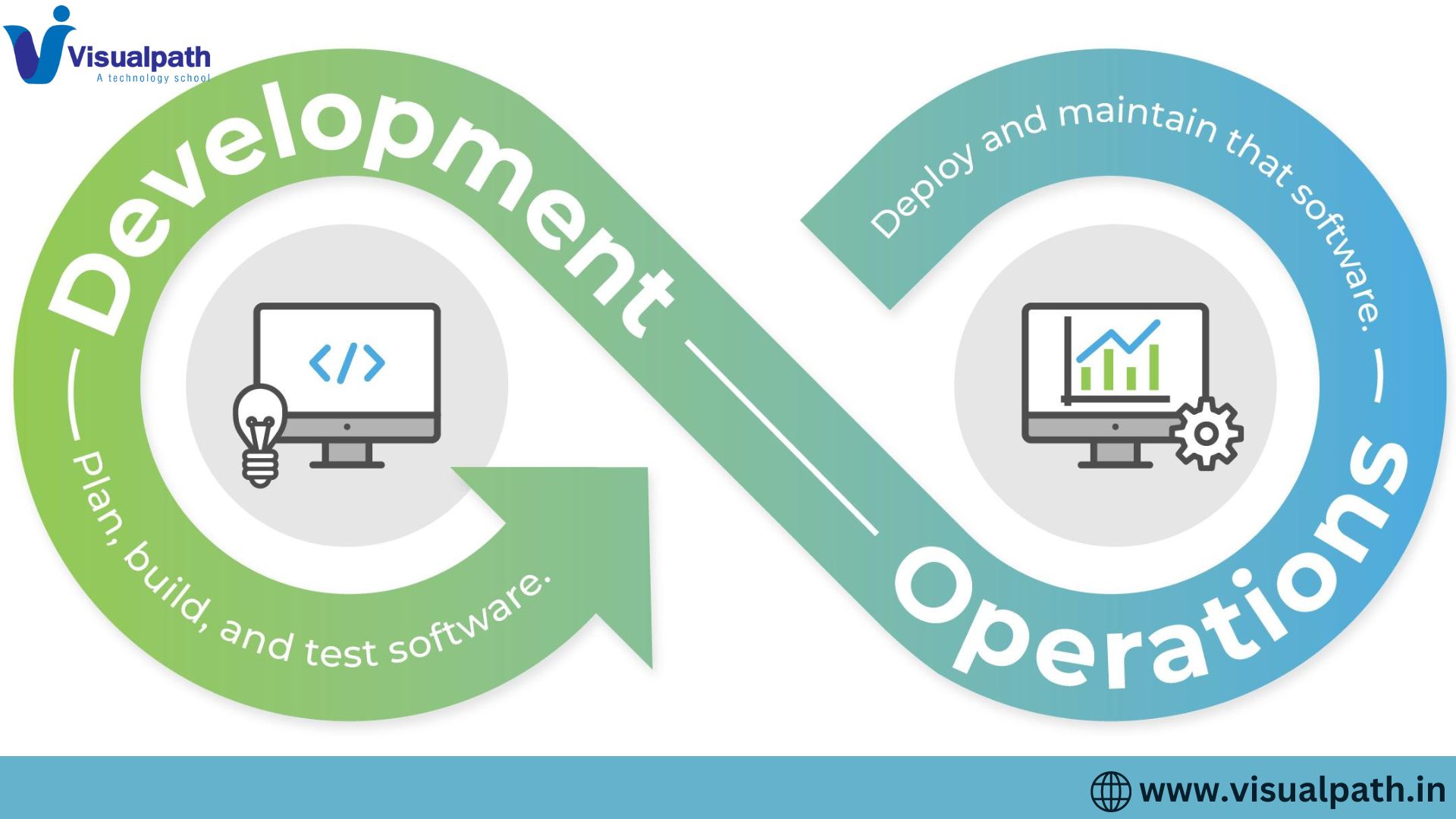
    DevOps is a cutting-edge methodology that unites development and operations It’s not just about tools or processes; it’s a cultural shift that fosters collaboration and shared responsibility. By breaking down silos and promoting communication, DevOps creates a dream team environment where developers and operations work in sync, delivering high-quality software faster and more reliably. This article delves into the core principles of DevOps, explores its benefits, and outlines the tools and strategies that pave the way for a more collaborative future in software development.

    DevOps emerges as a revolutionary mindset that seeks to bridge this gap. It’s not just a set of tools; it’s a cultural shift that fosters collaboration and shared responsibility between developers and operations. By breaking down silos and promoting communication, DevOps creates a dream team environment where both parties work in sync towards a common goal: delivering high-quality software faster and more reliably. DevOps Training

    • Developers: The masterminds behind the code, developers translate ideas into functionality. They write, test, and implement features that bring the software product to life. Their focus lies on innovation, flexibility, and rapid development cycles.
    • Operations: The guardians of the infrastructure, operations teams ensure everything runs smoothly behind the scenes. They manage servers, networks, and deployments, prioritizing stability, security, and performance.

    In a siloed environment, developers and operations can find themselves at odds: DevOps Online Training

    • Delivery Delays: Developers frustrated by slow deployment processes caused by operations’ stringent security checks.
    • Unforeseen Issues: Operations scrambling to fix bugs that weren’t identified during development due to lack of communication.
    • Blame Game: Finger-pointing when issues arise creates a toxic work environment, hindering problem-solving.

    DevOps aims to remove these obstacles by:

    • Shared Responsibility: Both teams become stakeholders in the entire software lifecycle, fostering a sense of ownership and accountability.
    • Open Communication: Regular communication channels are established, allowing teams to share goals, concerns, and updates early and often. DevOps Training Online
    • Automated Workflows: Repetitive tasks like testing and deployment are automated, freeing up valuable time for developers and operations to focus on higher-level projects.

    Several key practices form the foundation of a successful DevOps culture:

    • Continuous Integration (CI): Code changes are automatically integrated and tested frequently throughout the development cycle, catching bugs early on.
    • Continuous Delivery (CD): Deployments are automated and streamlined, allowing for frequent releases of smaller, less risky changes. DevOps Training in Hyderabad
    • Infrastructure as Code (IaC): Infrastructure configurations are managed as code, ensuring consistency and easy provisioning across environments.
    • Monitoring and Alerting: Continuous monitoring tools keep track of system health, enabling proactive identification and resolution of issues.

    By adopting a DevOps philosophy, organizations reap numerous benefits:

    • Faster Delivery: Streamlined workflows and automated processes accelerate feature delivery, allowing businesses to respond quickly to market demands.
    • Improved Quality: Early and frequent testing uncovers bugs before they reach production, leading to higher quality software. DevOps Training in Ameerpet
    • Increased Reliability: Proactive monitoring and automated infrastructure management reduce downtime and system failures.
    • Enhanced Team Morale: Collaboration and shared goals create a more positive and productive work environment for both developers and operations teams.

    A range of tools empower the DevOps methodology:

    • Version Control Systems (VCS): Tools like Git enable developers to track code changes, collaborate effectively, and revert to previous versions if needed.
    • Configuration Management Tools: Tools like Puppet or Ansible automate the provisioning and configuration of servers and infrastructure.
    • Continuous Integration/Continuous Delivery (CI/CD) Pipelines: Tools like Jenkins or CircleCI automate the build, test, and deployment process.
    • Monitoring and Alerting Tools: Tools like Prometheus or Grafana provide real-time insights into system health and performance. DevOps Training in Ameerpet

    Shifting to a DevOps culture requires careful planning and execution:

    • Start with Culture: Fostering a collaborative mindset is key. Invest in communication training and team-building exercises.
    • Identify Bottlenecks: Analyze your current workflows and identify areas for improvement.
    • Embrace Automation: Look to automate repetitive tasks wherever possible.
    • Invest in the Right Tools: Choose tools that fit your specific needs and skillset.
    • Measure and Adapt: Continuously monitor progress, gather feedback, and adapt your approach as needed. DevOps Certification Training in Hyderabad

    Visualpath is the Leading and Best Software Online Training Institute in Hyderabad. Avail complete DevOps Training Worldwide. You will get the best course at an affordable cost.

    Call on – +91-9989971070.

    WhatsApp: https://www.whatsapp.com/catalog/919989971070

    Visit https://www.visualpath.in/devops-online-training.html