
Tag: Microsoft Dynamics 365 Finance Certification Online Training

  • What Are the Benefits of Dynamics 365 Finance and Operations?

    What Are the Benefits of Dynamics 365 Finance and Operations?

    Microsoft Dynamics 365 Finance and Operations is an integrated enterprise resource planning (ERP) solution that helps organizations optimize their financial and operational processes. Designed for large and medium-sized businesses, it combines advanced financial management capabilities with streamlined operations, offering a wide range of features that drive efficiency, scalability, and data-driven decision-making. Here are some key benefits of Dynamics 365 Finance and Operations:  MS Dynamics 365 F&O (Functional-FI Module) Training

    1. Comprehensive Financial Management

    Dynamics 365 Finance and Operations offers robust financial management tools that cover everything from general ledger, accounts payable and receivable, to asset management and cash flow forecasting. This enables businesses to automate day-to-day financial tasks and processes, improving accuracy and reducing the risk of manual errors. It also provides real-time visibility into financial health, allowing finance teams to make data-driven decisions.  D365 Functional(F&O) Online Training

    2. Improved Operational Efficiency

    By integrating core business processes such as procurement, inventory management, production, and supply chain management, Dynamics 365 Finance and Operations enhances operational efficiency. Automation of repetitive tasks, streamlined workflows, and centralized data management enable companies to reduce bottlenecks, optimize resource utilization, and improve time-to-market for products or services.  Microsoft Dynamics 365 Course in Hyderabad

    3. Scalability and Flexibility

    One of the standout benefits of Dynamics 365 Finance and Operations is its scalability. As your business grows, the system can easily scale to accommodate more users, additional modules, and increased transaction volumes without compromising performance. The flexibility of the platform also allows businesses to customize it based on specific needs, whether through custom workflows, industry-specific modules, or integrations with third-party applications.

    4. Enhanced Global Compliance

    For businesses with international operations, Dynamics 365 Finance and Operations offers built-in support for multi-currency, multi-language, and multi-entity functionality. It helps ensure compliance with local accounting standards (such as IFRS and GAAP) and tax regulations, simplifying global financial management. Additionally, the system’s powerful audit trails and role-based security ensure data integrity and compliance with regulations such as GDPR.

    5. Real-Time Data and Analytics

    Dynamics 365 Finance and Operations integrates with Microsoft Power BI, offering businesses advanced reporting and real-time analytics. This integration provides leaders with actionable insights into key performance indicators (KPIs), profitability, costs, and operational efficiency. Real-time data visibility enables companies to react quickly to changing market conditions, manage risks, and capitalize on opportunities.  Microsoft Dynamics 365 Functional Training in Hyderabad

    6. Seamless Integration with Other Microsoft Products

    One of the key benefits of Dynamics 365 Finance and Operations is its seamless integration with other Microsoft solutions, such as Office 365, Power Platform, and Azure. This ecosystem allows businesses to leverage familiar tools and technologies, improving collaboration, productivity, and user adoption.

    Conclusion

    Dynamics 365 Finance and Operations delivers a robust ERP solution that enhances financial management, streamlines operations, ensures compliance, and provides deep insights into business performance. Its scalability, flexibility, and seamless integration with other Microsoft tools make it a powerful solution for businesses seeking to optimize their processes and drive growth.

    Visualpath is the Leading and Best Software Online Training Institute in Hyderabad. Avail complete D365 Functional institute in Hyderabad D365 Functional Online Training Worldwide. You will get the best course at an affordable cost.

    WhatsApp: https://www.whatsapp.com/catalog/919989971070

    Visit:   https://visualpath.in/dynamics-d365-finance-and-operations-course.html
  • General Ledger Adjustments in Microsoft Dynamics 365 Finance and Operations

    General Ledger Adjustments in Microsoft Dynamics 365 Finance and Operations

    Microsoft Dynamics 365 Finance and Operations (D365FO) offers a robust General Ledger Adjustments feature that simplifies financial corrections and adjustments, ensuring the accuracy and compliance of accounting data. This feature allows finance teams to efficiently manage discrepancies and update posted transactions in the General Ledger (GL), without needing to reverse entire journal entries.   Microsoft Dynamics 365 Course in Hyderabad

    Key Capabilities of General Ledger Adjustments

    1. Efficient Corrections: The General Ledger Adjustments feature is designed to correct financial entries quickly and accurately. Instead of reversing entire transactions, users can adjust specific ledger dimensions, amounts, or dates of individual journal lines. This not only reduces manual work but also ensures that the financial records are correct without impacting other unrelated transactions.  D365 Functional Online Training
    2. Adjusting Posted Transactions: A significant advantage of this feature is its ability to adjust posted transactions directly. Once a transaction is posted in the GL, making corrections usually involves reversing the entire journal entry and reposting. However, the adjustment feature allows users to select individual transactions or journal lines and modify them, saving time and reducing complexity.   D365 Functional(F&O) Online Training
    3. Approval Workflow Integration: Organizations can integrate the General Ledger Adjustments feature with their approval workflows. This ensures that any adjustments made to the ledger are properly reviewed and authorized before they are finalized. The process enhances internal controls and minimizes the risk of unauthorized changes, safeguarding the integrity of financial data.  Microsoft Dynamics 365 Functional Training in Hyderabad
    4. Audit Trails and Transparency: D365FO maintains detailed audit trails for all adjustments made to the GL. This ensures transparency and accountability, as users can track who made changes, what was modified, and why. Auditors and finance teams can easily review and validate these adjustments to ensure compliance with regulatory and internal policies.
    5. Flexible Date Handling: Users can adjust the accounting date of specific transactions, making it easier to correct financial entries that were mistakenly posted in the wrong period. This flexibility supports better financial reporting, especially during month-end or year-end closing processes.  MS Dynamics 365 F&O (Functional-FI Module) Training

    Conclusion

    The General Ledger Adjustments feature in Microsoft Dynamics 365 Finance and Operations streamlines the correction of financial data, enhancing efficiency and accuracy. By allowing finance teams to make targeted adjustments while maintaining audit trails and integrating with approval workflows, it improves the overall financial management process. This tool helps businesses ensure their financial records are accurate, timely, and compliant.

    Visualpath is the Leading and Best Software Online Training Institute in Hyderabad. Avail complete D365 Functional institute in Hyderabad D365 Functional Online Training Worldwide. You will get the best course at an affordable cost.

    WhatsApp: https://www.whatsapp.com/catalog/919989971070

    Visit:   https://visualpath.in/dynamics-d365-finance-and-operations-course.html

  • MS Dynamics 365 F&O: Electronic Fund Transfers (EFTs)

    MS Dynamics 365 F&O: Electronic Fund Transfers (EFTs)

    Electronic Fund Transfers (EFTs) in Microsoft Dynamics 365 Finance and Operations facilitate the seamless electronic transfer of funds between bank accounts, enhancing the efficiency and accuracy of payment processes. EFTs are commonly used for direct bank payments, including vendor payments, payroll, and other financial transactions, reducing the need for physical checks and manual processing.  D365 Functional(F&O) Online Training

    1. EFT Setup

    To set up EFT in Dynamics 365, navigate to Cash and Bank Management > Bank Accounts and configure your bank accounts for electronic payments. This setup involves specifying bank details, account numbers, and selecting the appropriate payment formats compatible with your bank’s EFT standards, such as NACHA, ISO20022, or other region-specific formats.  MS Dynamics 365 F&O (Functional-FI Module) Training

    2. Payment Journals for EFTs

    To process an EFT, go to Accounts Payable > Payments > Payment Journal. In the journal, create a new entry, select the bank account, and enter the payment details, such as the vendor, amount, and transaction date. Dynamics 365 allows you to generate electronic payment files directly from the payment journal, which can then be uploaded to your bank for processing.

    3. EFT File Generation and Submission

    After entering payment details, the EFT file is generated using the predefined format set up for your bank. This file can include multiple transactions, such as vendor payments or payroll disbursements. Once generated, the file is submitted to the bank via secure methods, like direct upload to the bank’s portal, ensuring the transfer of funds.   Microsoft Dynamics 365 Course in Hyderabad

    4. Automated Reconciliation

    EFTs streamline bank reconciliation by providing electronic records of transactions that can be automatically matched with bank statements during the reconciliation process. This reduces manual data entry errors and accelerates the reconciliation cycle.  Microsoft Dynamics 365 Functional Training in Hyderabad

    EFTs in Dynamics 365 Finance and Operations offer a secure, efficient, and paperless way to handle financial transactions, improving cash flow management and operational efficiency while reducing processing costs and errors.

    Visualpath is the Leading and Best Software Online Training Institute in Hyderabad. Avail complete D365 Functional institute in Hyderabad D365 Functional Online Training Worldwide. You will get the best course at an affordable cost.

    WhatsApp: https://www.whatsapp.com/catalog/919989971070

    Visit:   https://visualpath.in/dynamics-d365-finance-and-operations-course.html

  • Dynamics 365 F&O: Legal Entity Creation

    Dynamics 365 F&O: Legal Entity Creation

    Creating a legal entity in Microsoft Dynamics 365 Finance & Operations (D365FO) is a foundational step for organizations as they establish their business structure within the system. A legal entity in D365FO represents an independent business unit that has its own financial records, tax identification, and operational data.  Microsoft Dynamics 365 Course in Hyderabad

    Steps to Create a Legal Entity in D365FO

    Access the Organization Administration Module: Begin by navigating to the Organization administration module in D365FO. This module is where you’ll manage all aspects related to organizational structure, including legal entities. D365 Functional Online Training

    Initiate Legal Entity Creation: In the Organization administration module, select “Legal entities” from the setup options. This will open a list of existing legal entities. To create a new one, click on the “New” button.

    Enter Basic Information:

    • Name: Provide a unique name for the legal entity.
      • Company Code: Assign a distinctive code that will represent the legal entity within the system.
      • Country/Region: Specify the country or region where the legal entity is legally registered.

    Configure Address and Contact Details: Enter the primary address and contact information for the legal entity. This includes details such as the street address, city, postal code, and phone numbers, which are critical for regulatory and operational purposesD365 Functional(F&O) Online Training

    Financial and Ledger Setup:

    • Currency: Select the currency in which the legal entity will conduct transactions.
      • Fiscal Calendar: Assign a fiscal calendar that defines the financial periods for the entity.
      • Ledger: Link the legal entity to a specific ledger, which will manage all financial transactions.

    Tax and Regulatory Information: Set up tax registration numbers and other regulatory information relevant to the legal entity’s jurisdiction. This ensures compliance with local tax laws and reporting requirements.

    Save and Validate: After entering all necessary information, save the legal entity. It’s advisable to validate the setup by running a few test transactions to ensure that everything is correctly configured.  MS Dynamics 365 F&O (Functional-FI Module) Training

    Conclusion

    The creation of a legal entity in Dynamics 365 Finance & Operations is a critical step in setting up your business structure within the system. Proper configuration ensures accurate financial reporting, compliance with local regulations, and smooth operational processes.

    Visualpath is the Leading and Best Software Online Training Institute in Hyderabad. Avail complete D365 Functional institute in Hyderabad D365 Functional Online Training Worldwide. You will get the best course at an affordable cost.

    WhatsApp: https://www.whatsapp.com/catalog/919989971070

    Visit:   https://visualpath.in/dynamics-d365-finance-and-operations-course.html
  • Methods of Payment in Dynamics 365 F&O

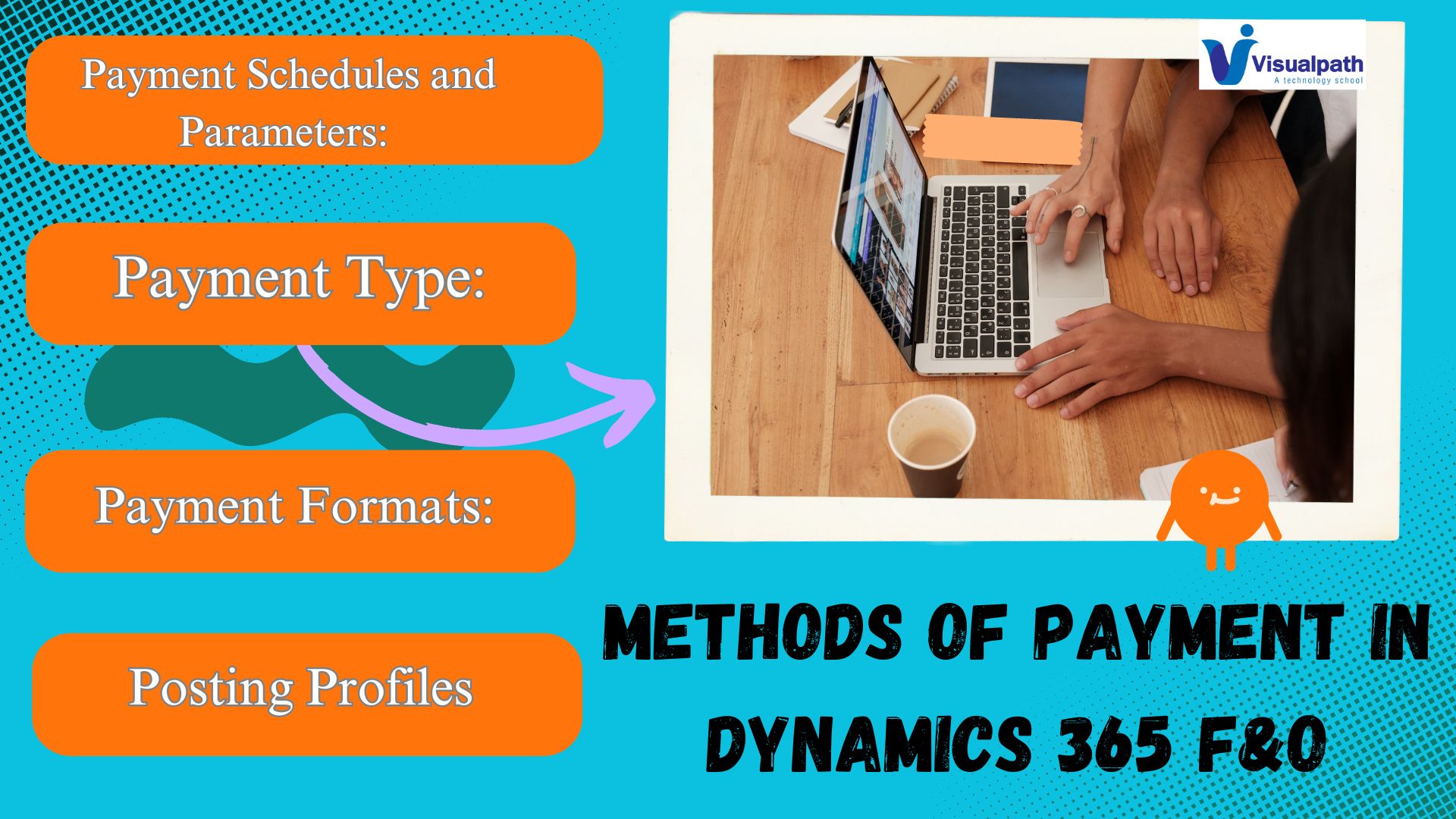
    Methods of Payment in Dynamics 365 F&O

    Dynamics 365 Finance & Operations (D365 F&O), “Methods of Payment” are crucial for managing how payments are made and received within the system. They define the specific mechanisms used to process financial transactions, helping businesses streamline payment workflows and ensure compliance with financial regulations.  MS Dynamics 365 F&O (Functional-FI Module) Training

    Key Elements of Methods of Payment

    1. Payment Type: This is the foundation of any payment method. D365 F&O supports various payment types, including Bank Transfers, Checks, Electronic Payments, Credit Cards, and Cash. Each payment type can be tailored to fit the specific needs of the business, ensuring that transactions are processed accurately and efficiently.  Microsoft Dynamics 365 Course in Hyderabad
    2. Payment Formats: For electronic payments, D365 F&O allows users to link methods of payment to specific payment formats, such as SEPA or NACHA. These formats define the structure of payment files, ensuring that payments are processed correctly by banks and financial institutions.
    3. Posting Profiles: Methods of payment in D365 F&O are associated with specific posting profiles, which determine how payments are recorded in the general ledger. For example, a bank transfer might post directly to a bank account, while a check might be recorded in a checks-issued account until cleared.  Microsoft Dynamics 365 Functional Training in Hyderabad
    4. Payment Schedules and Parameters: D365 F&O enables the configuration of payment schedules, ensuring that payments are processed according to predetermined timelines. Additional parameters, such as payment fees and discounts, can also be set to automate and optimize the payment process.  Microsoft Dynamics 365 Finance & Operations Training

    Configuring Methods of Payment

    To configure a method of payment, users can navigate to the Accounts Payable or Accounts Receivable modules in D365 F&O. Here, they can create or modify payment methods to align with the company’s financial policies and operational needs.  Microsoft Dynamics 365 Finance Certification Online Training

    Conclusion

    Effective use of Methods of Payment in D365 F&O ensures that businesses can manage their financial transactions with precision and compliance. Proper configuration can lead to smoother payment processes, better cash flow management, and enhanced financial control.

    Visualpath is the Leading and Best Software Online Training Institute in Hyderabad. Avail complete D365 Functional institute in Hyderabad D365 Functional Online Training Worldwide. You will get the best course at an affordable cost.

    WhatsApp: https://www.whatsapp.com/catalog/919989971070

    Visit:   https://visualpath.in/dynamics-d365-finance-and-operations-course.html
  • What is Accounts Payable in D365?

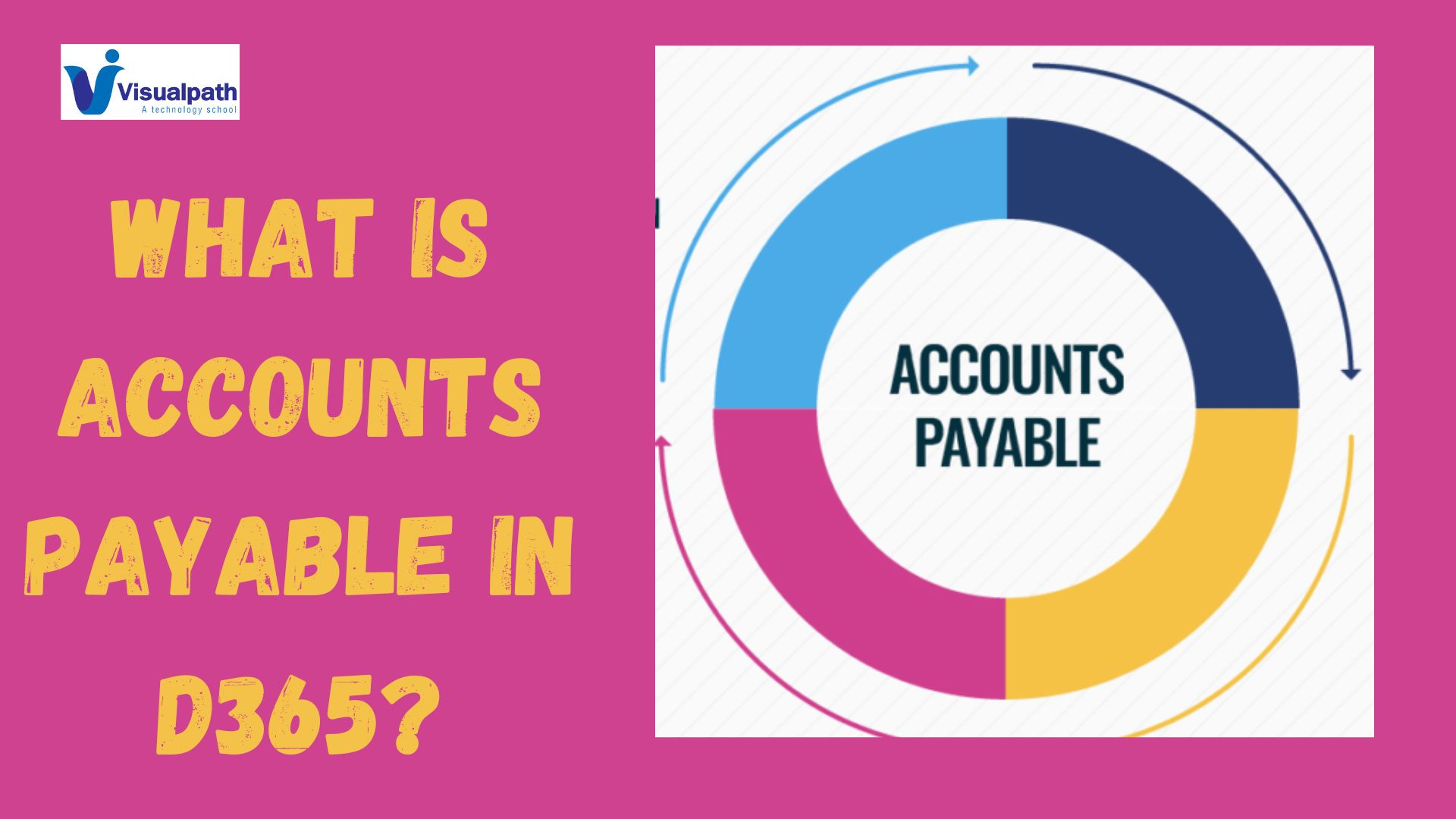
    What is Accounts Payable in D365?

    Accounts Payable (AP) is a crucial function within Microsoft Dynamics 365Finance & Operations (D365), a comprehensive enterprise resource planning (ERP) solution. AP is responsible for managing a company’s short-term liabilities, ensuring that all invoices and financial obligations to suppliers and creditors are processed and paid on time.

    Core Functionalities in D365 Accounts Payable:

    Invoice Management: D365 enables the efficient handling of vendor invoices. It allows for the automation of invoice capture through Optical Character Recognition (OCR) and seamless integration with email systems, reducing manual data entry and the risk of errors.   Microsoft Dynamics 365 Course in Hyderabad 

    Vendor Management: This feature allows businesses to maintain comprehensive records of their vendors, including contact details, payment terms, and transaction histories. It ensures that all vendor-related data is easily accessible and up-to-date.  MS Dynamics 365 F&O (Functional-FI Module) Training 

    Payment Processing: D365 supports multiple payment methods, including electronic funds transfer (EFT), checks, and credit cards. The system can automatically generate payment proposals based on due dates and cash flow requirements, streamlining the payment process.

    Approval Workflows: To maintain financial control and compliance, D365 incorporates customizable approval workflows. These workflows ensure that all invoices and payments are reviewed and approved by the appropriate personnel before processing.  Microsoft Dynamics 365 Finance & Operations Training

    Reporting and Analytics: D365 provides robust reporting and analytics capabilities, offering insights into AP performance. Users can generate reports on outstanding liabilities, aging of payables, and vendor performance, facilitating informed decision-making.

    Integration with General Ledger: AP in D365 is tightly integrated with the General Ledger (GL), ensuring that all transactions are accurately recorded and reflected in financial statements. This integration supports real-time financial visibility and accuracy.  Microsoft Dynamics 365 Finance & Operations Online Training

    Compliance and Audit Trails: The system ensures compliance with regulatory requirements by maintaining detailed audit trails of all transactions, changes, and approvals within the AP process.  Microsoft Dynamics 365 Functional Training in Hyderabad

    By leveraging these functionalities,businesses can enhance their operational efficiency, reduce processing times, and improve vendor relationships. The automation and integration features of D365 Accounts Payablealso contribute to better financial control and strategic planning.

    Visualpath is the Leading and Best Software Online Training Institute in Hyderabad. Avail complete D365 Functional institute in Hyderabad D365 Functional Online Training Worldwide. You will get the best course at an affordable cost.

    WhatsApp: https://www.whatsapp.com/catalog/919989971070

    Visit:   https://visualpath.in/dynamics-d365-finance-and-operations-course.html
  • Vendor Groups & Vendors in Dynamics 365 F&O

    Vendor Groups & Vendors in Dynamics 365 F&O

    Vendor management is a critical aspect of supply chain and financial operations. In Dynamics 365 Finance and Operations, “Vendor Groups” and “Vendors” are essential components for organizing and managing supplier relationships, payment terms, and procurement processes.

    Vendor Groups

    Vendor Groups in Dynamics 365 Finance and Operations are used to categorize vendors based on shared characteristics or business requirements. These groups help streamline vendor management by allowing organizations to apply consistent settings and policies across similar vendors.  Microsoft Dynamics 365 Course in Hyderabad 

    Creating Vendor Groups: To create a Vendor Group, navigate to the Accounts Payable module and select Vendor Groups. Here, you can define new groups by assigning a unique identifier and a descriptive name. You can also configure default settings, such as payment terms, credit limits, and settlement periods, which will automatically apply to all vendors within the group.  D365 Functional(F&O) Online Training Hyderabad 

    Benefits of Vendor Groups: By using Vendor Groups, organizations can efficiently manage a large number of vendors. For example, you can set default payment terms for a group of vendors who provide similar goods or services, ensuring consistency in financial transactions and reducing the need for manual adjustmentsD365 Functional(F&O) Online Training

    Vendors

    Vendors in Dynamics 365 Finance and Operations represent individual suppliers from whom the company procures goods or services. D365 Functional Online Training

    Setting Up Vendors: To set up a new vendor, navigate to the Vendors page under the Accounts Payable module. You can enter key details such as the vendor’s name, address, contact information, and tax registration numbers. Each vendor is assigned to a Vendor Group, which automatically inherits the group’s default settings.

    Vendor Management: The vendor record includes various configurations, such as payment methods, currency preferences, and delivery terms. These settings ensure that transactions with the vendor are processed according to agreed-upon terms and company policies. Additionally, vendor records can include notes, attachments, and other documentation relevant to the vendor relationship.  D365 Functional(F&O) Training in Ameerpet 

    Integration with Procurement and Payments: Vendors are integral to the procurement and payment processes in Dynamics 365. They are linked to purchase orders, invoices, and payments, providing a complete view of transactions and financial obligations.

    Conclusion

    Vendor Groups and Vendors in Dynamics 365 Finance and Operationsprovide a structured and efficient way to manage supplier relationships and financial transactions.

    Visualpath is the Leading and Best Software Online Training Institute in Hyderabad. Avail complete D365 Functional institute in Hyderabad D365 Functional Online Training Worldwide. You will get the best course at an affordable cost.

    Call on – +91-9989971070

    WhatsApp: https://www.whatsapp.com/catalog/917032290546/

    Visit:   https://visualpath.in/dynamics-d365-finance-and-operations-course.html

  • What is Data Modelling and its Types in Dynamics 365?

    What is Data Modelling and its Types in Dynamics 365?

    Introduction:

    Dynamics 365, this process is crucial for organizing data in a way that supports business processes, reporting, and analytics. A well-designed data model helps organizations capture and use data effectively, ensuring it can be leveraged for insights and operational improvements. Microsoft Dynamics CRM Training

    Types of Data Models in Dynamics 365:

    Conceptual Data Model: This high-level model provides a simplified view of the entire data structure, focusing on the business concepts and relationships between them. It abstracts away technical details, making it easier for stakeholders to understand the data requirements and how different entities interact.

    Logical Data Model: The logical data model delves deeper into the specifics of the data structure, defining detailed entities, attributes, and relationships. It specifies the data types, constraints, and keys without considering the physical implementation. Dynamics 365 Online Training

    Physical Data Model: This model translates the logical data model into a physical implementation, detailing how data will be stored in the database. It includes specifications for tables, columns, indexes, and storage details. The physical data model is essential for database performance optimization and ensuring efficient data retrieval and storage.

    Best Practices for Data Modeling in Dynamics 365:

    Understand Business Requirements: Before starting with data modeling, it is essential to thoroughly understand the business requirements. Engage with stakeholders to gather insights into their data needs, processes, and challenges. This understanding will guide the design of a data model that aligns with business goals.

    Use Standard Entities: Dynamics 365 provides a set of standard entities that cover common business scenarios. Whenever possible, use these standard entities to ensure consistency and compatibility with future updates and integrations.

    Normalize Data: Data normalization involves organizing data to reduce redundancy and improve data integrity. By normalizing data, you ensure that each piece of information is stored in only one place, reducing the risk of inconsistencies and making it easier to maintain and update data.

    Plan for Scalability: Design your data model with scalability in mind. As your business grows, the amount of data and the complexity of processes will increase. A scalable data model accommodates this growth without requiring significant redesigns, ensuring that the system can handle increased data volumes and complexity. Dynamics 365 CRM Training Course

    Implement Data Security: Data security is paramount in any data model. Ensure that sensitive data is protected through appropriate access controls, encryption, and other security measures. Dynamics 365 provides robust security features that can be leveraged to protect your data.

    Optimize for Performance: Performance optimization should be a key consideration in data modeling. Ensure that the data model supports efficient data retrieval and processing. Use indexes, partitions, and other database optimization techniques to enhance performance.

    Conclusion:

    Data modeling in Dynamics 365 is a foundational element that underpins effective data management and utilization. By understanding the different types of data models—conceptual, logical, and physical—and following best practices, organizations can create robust and scalable data structures.

    Visualpath is the Leading and Best Institute for learning MS Dynamics CRM Online in Ameerpet, Hyderabad. We provide Microsoft Dynamics CRM Online Training Course, you will get the best course at an affordable cost.

    Call on – +91-9989971070

    Visit : https://www.visualpath.in/microsoft-dynamics-crm-training.html

    WhatsApp : https://www.whatsapp.com/catalog/917032290546/