Tag: Microsoft Dynamics 365 CRM Training

  • Why Choose Power Apps in Dynamics CRM over Other Tools

    Why Choose Power Apps in Dynamics CRM over Other Tools

    Microsoft Dynamics CRM is a market leader in this space, and when combined with Power Apps, it becomes an even more potent tool for businesses. But why should you choose Power Apps over other third-party tools? This article explores the key benefits and reasons why Power Apps in Dynamics CRM stands out from the rest.

    Seamless Integration with Microsoft Ecosystem

    One of the biggest advantages of Power Apps is its seamless integration with Microsoft Dynamics CRM and other Microsoft 365 applications such as SharePoint, Teams, Outlook, and Power BI. Unlike third-party tools that often require complex configurations and additional middleware, Power Apps works natively within the Microsoft environment, reducing compatibility issues and boosting productivity.

    Customization Without Extensive Coding

    Many third-party CRM customization tools require extensive coding knowledge, which can be a barrier for businesses that lack in-house development expertise. Power Apps enables users to create custom applications with a low-code or no-code approach, making it accessible to non-technical users while still providing advanced customization capabilities for developers.

    Cost-Effectiveness

    Licensing costs and maintenance expenses for third-party CRM tools can be substantial. Power Apps is included in many Microsoft licensing plans, allowing businesses to leverage its capabilities without incurring additional expenses. Organizations that already use Microsoft Dynamics CRM can save on third-party software costs while enjoying a robust, built-in customization platform.

    Enhanced Automation with Power Automate

    Power Apps works effortlessly with Power Automate, enabling businesses to automate workflows and processes within Microsoft Dynamics CRM. Users can create automated email responses, lead management processes, customer follow-ups, and more without requiring complex programming skills. This enhances efficiency and reduces manual workload.

    AI-Powered Insights with Power BI

    Unlike third-party CRM tools, Power Apps seamlessly connects with Power BI, allowing businesses to generate AI-driven insights for better decision-making. Companies can create interactive dashboards, track customer behaviors, and gain a competitive edge using real-time data analytics.

    Security and Compliance

    Security is a major concern for businesses handling sensitive customer data. Microsoft offers enterprise-grade security and compliance standards within its ecosystem, ensuring that Power Apps users benefit from robust security protocols such as Azure Active Directory (AAD) authentication and role-based access control (RBAC). Unlike many third-party tools that require additional security measures, Power Apps comes with built-in security features aligned with industry standards.

    Scalability for Growing Businesses

    As businesses grow, their CRM requirements evolve. Many third-party tools have scalability limitations, requiring businesses to migrate to new solutions as they expand. Power Apps is built on the Microsoft Dataverse, allowing businesses to scale seamlessly by adding new features, automating processes, and integrating additional Dynamics CRM Online Training solutions without switching platforms.

    Faster Deployment and Implementation

    Deploying third-party CRM customization tools often involves lengthy setup times, extensive training, and technical configurations. With Power Apps, businesses can quickly build and deploy applications tailored to their needs, reducing implementation time and ensuring faster time-to-market for new solutions.

    Unified User Experience

    Power Apps provides a unified experience across multiple devices, including desktops, tablets, and mobile phones. Users can access Microsoft Dynamics CRM Training and their custom applications through a familiar interface, leading to better adoption rates and enhanced productivity compared to third-party alternatives.

    Conclusion

    Power Apps in Microsoft Dynamics CRM is a game-changer for businesses looking to enhance their CRM capabilities without relying on expensive third-party tools. With seamless integration, cost-effectiveness, advanced automation, security, scalability, and AI-powered insights, Power Apps provides an all-in-one solution tailored for businesses of all sizes. Choosing Power Apps over other tools ensures flexibility, efficiency, and a future-proof CRM strategy.

    Trending Courses are : Prompt EngineeringGenerative AI (GenAI)Microsoft Dynamics AX Retail Management.

    Visualpath is the Leading and Best Software Online Training Institute in Hyderabad. Avail complete Microsoft Dynamics CRM Certification Worldwide. You will get the best course at an affordable cost.

    WhatsApp:  https://wa.me/c/917032290546

    Visit: https://www.visualpath.in/online-microsoft-dynamics-crm.html
  • Why Choose MS Dynamics CRM with Power Apps Over Other Tools?

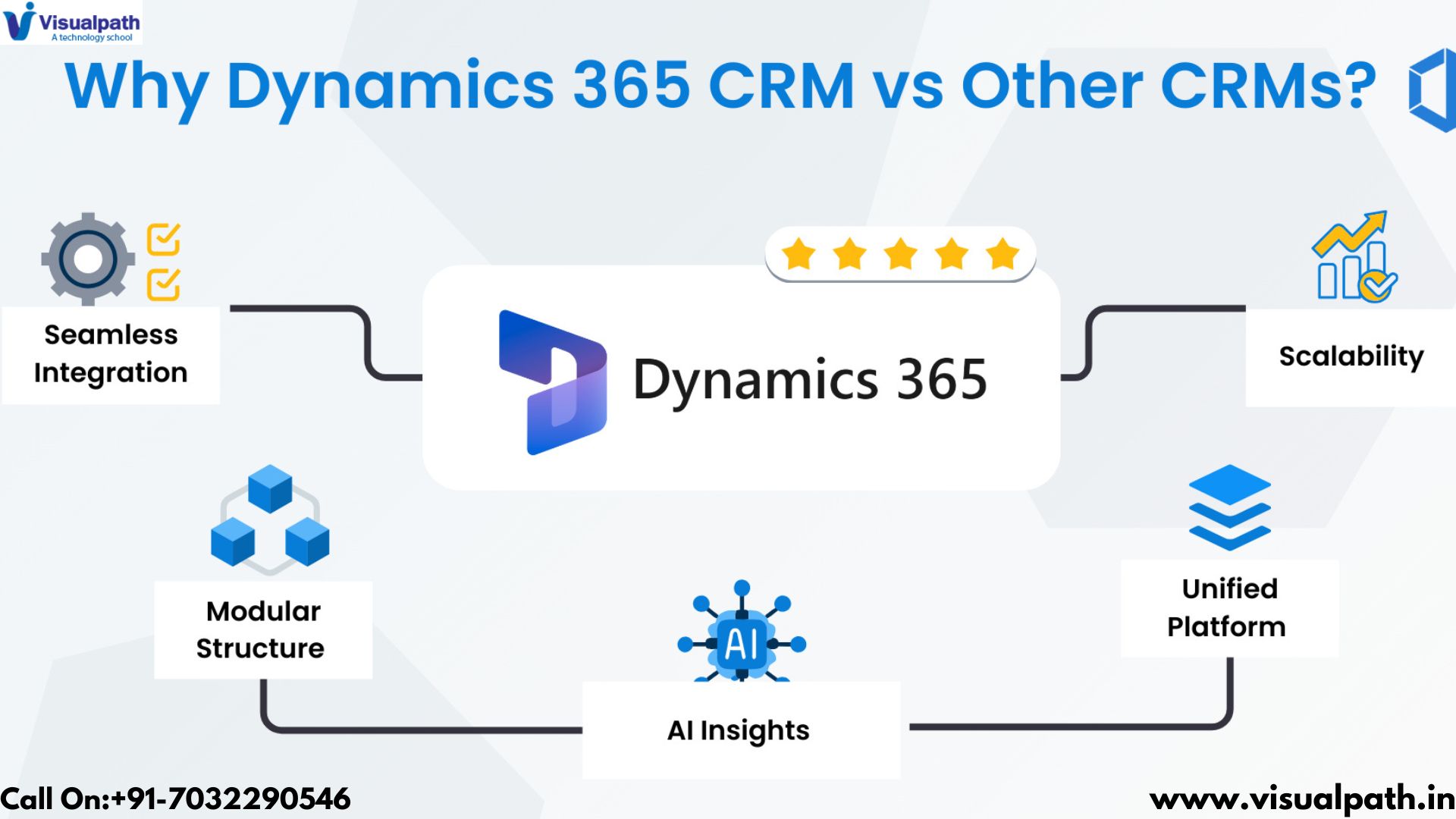
    Why Choose MS Dynamics CRM with Power Apps Over Other Tools?

    Microsoft Dynamics CRM Training organizations are increasingly seeking robust Customer Relationship Management (CRM) solutions that not only enhance customer engagement but also streamline internal processes. Microsoft Dynamics 365 CRM, when combined with Power Apps, offers a powerful alternative to traditional CRM tools. This article explores the reasons why businesses should consider this integrated solution over others.

    Seamless Integration

    One of the most significant advantages of using MS Dynamics CRM with Power Apps is the seamless integration within the Microsoft ecosystem. Dynamics 365 is designed to work effortlessly with other Microsoft products such as Office 365, Power BI, and Power Automate. This integration allows businesses to create a unified platform where data flows smoothly between applications, enhancing collaboration and productivity across teams. For instance, sales teams can access customer data from Dynamics 365 while using Excel for analysis or Outlook for communication, all without switching between different platforms.

    Customization and Flexibility

    Power Apps empowers organizations to develop custom applications tailored to their specific needs without requiring extensive coding knowledge. This low-code approach enables businesses to create bespoke solutions that address unique operational challenges. Unlike many out-of-the-box CRM systems that may not fully align with an organization’s processes, the combination of Dynamics 365 and Power Apps allows for significant customization. Companies can design apps that integrate directly with their CRM data, fostering innovation and agility in responding to market demands.

    Cost-Effectiveness

    Cost is a critical factor when selecting a CRM solution. Licensing for Microsoft Power Apps is generally more affordable compared to Dynamics 365’s full suite. Organizations can opt for Power Apps licenses that cater specifically to their needs, potentially saving thousands annually. This flexibility in licensing allows smaller businesses or those with specific requirements to access powerful Microsoft Dynamics CRM Online Training functionalities without incurring unnecessary costs associated with comprehensive solutions they may not fully utilize.

    Enhanced Data Management

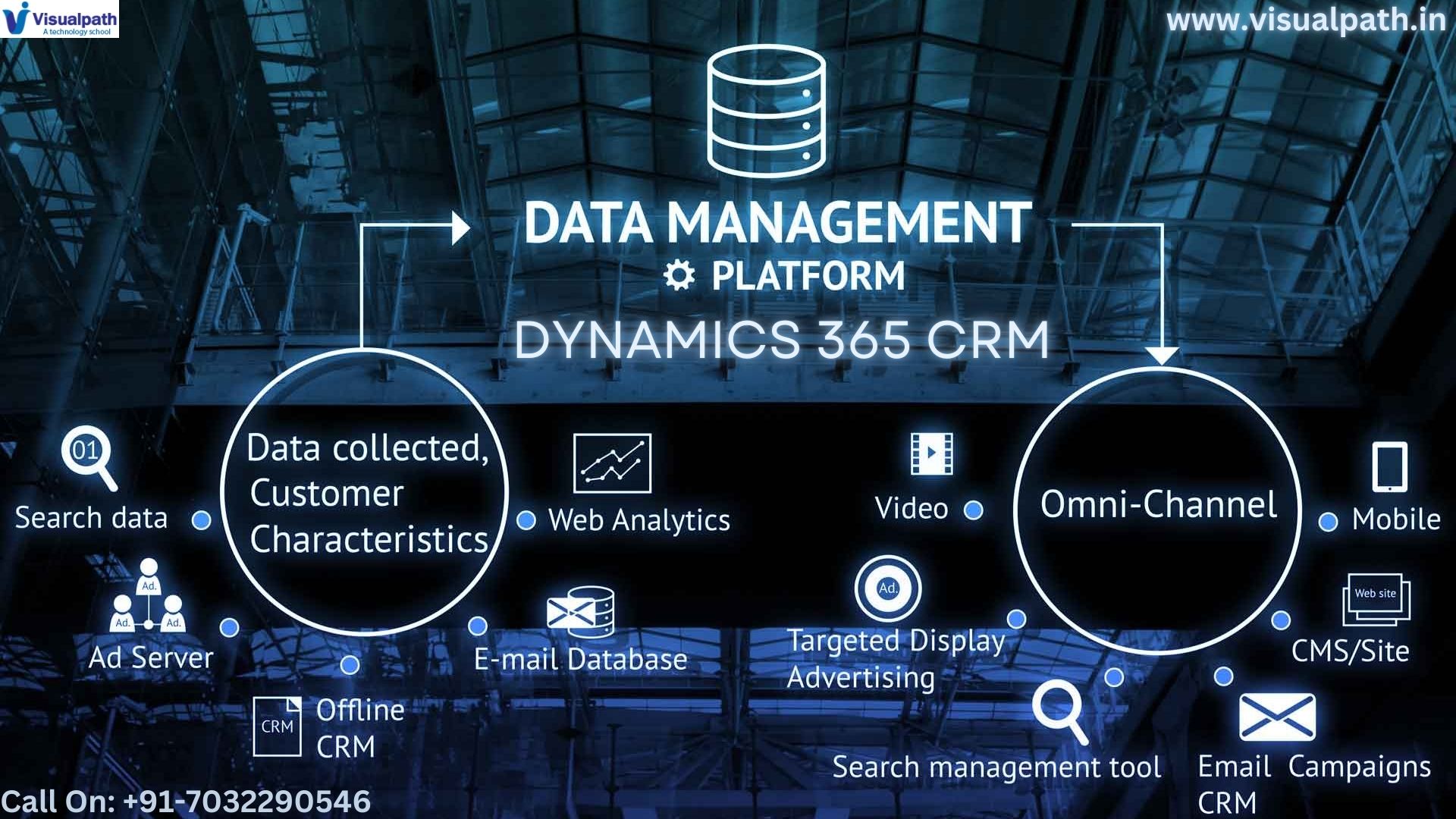
    The integration of Power Apps with Dynamics 365 facilitates improved data management through centralized storage and real-time access. Businesses can consolidate customer information from various sources into a single view, enabling better decision-making and personalized customer interactions. This centralized approach not only enhances data accuracy but also streamlines workflows by reducing manual data entry and minimizing errors.

    Automation of Business Processes

    Automation is a key feature that sets MS Dynamics CRM with Power Apps apart from other CRM tools. By leveraging Power Automate, organizations can automate repetitive tasks such as data entry, approvals, and notifications. This automation not only saves time but also allows employees to focus on more strategic activities that drive business growth. The ability to automate workflows enhances overall productivity and operational efficiency.

    Advanced Analytics and Insights

    With built-in analytics capabilities through Power BI, businesses using Dynamics 365 can gain valuable insights into customer behavior and market trends. The combination of these tools enables organizations to create interactive dashboards and reports that visualize data effectively. Such insights empower teams to make informed decisions quickly, adapting strategies based on real-time information rather than relying on outdated reports.

    Scalability

    As businesses grow and evolve, their Microsoft Dynamics 365 CRM Training needs often change. MS Dynamics CRM with Power Apps offers scalability that allows organizations to expand their capabilities without significant disruptions. Whether adding new users, integrating additional functionalities, or developing new applications, this solution can adapt to meet changing business requirements seamlessly. This scalability ensures that companies are not locked into rigid systems but can evolve alongside their market demands.

    Superior User Experience

    User experience is crucial for ensuring high adoption rates among employees. The familiarity of Microsoft’s interface across its products means that employees who have previously used other Microsoft tools will find Dynamics 365 and Power Apps intuitive and easy to navigate. This reduces the learning curve associated with new software implementations and encourages user engagement from day one

    Conclusion

    Choosing MS Dynamics CRM with Power Apps over other tools presents numerous advantages for businesses looking to enhance their customer relationship management capabilities. From seamless integration within the Microsoft Dynamics CRM Online Training ecosystem and cost-effective licensing options to customization flexibility and advanced analytics, this combination offers a comprehensive solution tailored to modern business needs. By investing in this integrated platform, organizations position themselves for success in an increasingly competitive landscape, driving innovation while optimizing operations.

    Trending Courses are : D365 Functional (F & O),  Prompt Engineering,  Generative AI (GenAI),  Microsoft Dynamics AX Retail Management

    Visualpath is the Leading and Best Software Online Training Institute in Hyderabad. Avail complete Microsoft Dynamics CRM Certification Worldwide. You will get the best course at an affordable cost.

    Attend Free Demo

    Call on – +91-7032290546.

    WhatsApp:  https://wa.me/c/917032290546

    Visit: https://www.visualpath.in/online-microsoft-dynamics-crm.html

    Visit Blog: https://visualpathblogs.com/category/microsoft-dynamics-crm-with-powerapps/

  • How Canvas Apps Simplify Custom App Development in Dynamics 365 CRM

    How Canvas Apps Simplify Custom App Development in Dynamics 365 CRM

    MS Dynamics CRM Training provides a robust platform for managing customer relationships and automating business processes. However, businesses often require custom applications to address unique needs and workflows. This is where Power Apps canvas apps shine, offering a simplified approach to custom app development within the Dynamics 365 ecosystem. This article explores how canvas apps empower users to build tailored solutions, enhancing the functionality and user experience of Dynamics 365 CRM.

    The Power of Canvas Apps in Dynamics 365 CRM:

    Canvas apps, a key component of the Microsoft Power Platform, provide a pixel-perfect design experience, allowing users to create visually appealing and highly customized applications. Unlike model-driven apps, which are built on the Dynamics 365 data model, canvas apps offer complete design flexibility, enabling users to create interfaces that precisely match their requirements. This flexibility is particularly valuable for extending Dynamics 365 CRM functionalities.

    Simplifying Custom App Development:

    • Visual Design Interface: Canvas apps provide a drag-and-drop interface, allowing users to visually design app layouts and add interactive elements without writing extensive code. This simplifies the development process, making it accessible to both developers and business users.
    • Direct Data Connectivity: Canvas apps can seamlessly connect to Dynamics 365 data through connectors, enabling real-time data access and manipulation. This eliminates the need for complex data integration processes.
    • Customizable User Experience: Canvas apps allow for complete control over the user interface, enabling users to create highly customized forms, dashboards, and reports that align with their specific workflows.
    • Rapid Prototyping and Iteration: Canvas apps facilitate rapid prototyping, allowing users to quickly build and test new ideas. This iterative approach enables faster development cycles and ensures that applications meet evolving business needs.
    • Mobile-First Development: Canvas apps are designed to be responsive, ensuring that applications work seamlessly across different devices, including desktops, tablets, and smartphones. This enables mobile-first development and empowers users to access Dynamics 365 data on the go.
    • Integration with Other Services: Microsoft Dynamics CRM Online Training Canvas apps can integrate with a wide range of other Microsoft services and external systems, including SharePoint, Excel, and third-party APIs. This allows users to build applications that bring together data from various sources.
    • Low-Code Development: Canvas apps minimize the need for manual coding, empowering “citizen developers” – business users with domain expertise – to create their own applications.
    • Contextual Integration: Canvas apps can be embedded directly within Dynamics 365 forms, providing contextual information and extending the functionality of existing CRM records.
    • Custom Functionality: Canvas apps allow users to implement custom business logic and workflows, extending the capabilities of Dynamics 365 beyond its standard features.
    • Simplified Deployment: Canvas apps are easily deployed and managed through the Power Platform, simplifying the deployment process and ensuring that applications are readily available to users.

    Practical Applications in Dynamics 365 CRM:

    • Custom Sales Opportunity Tracking: Dynamics CRM Online Training Create a canvas app that provides a streamlined interface for tracking sales opportunities, tailored to specific sales processes.
    • Field Service Data Collection: Develop a mobile canvas app that allows field technicians to collect data on site, capturing information such as equipment readings and customer feedback.
    • Event Management App: Build a canvas app that streamlines event registration, check-in, and post-event follow-up, integrating with Dynamics 365 event data.
    • Customer Feedback App: Create a canvas app that allows customers to provide feedback on products or services, integrating with Dynamics 365 customer records.
    • Custom Dashboards and Reports: Develop interactive dashboards and reports that provide real-time insights into Dynamics 365 data.

    How to Build a Canvas App for Dynamics 365 CRM:

    1. Identify Business Requirements: Determine the specific needs and workflows that the canvas app will address.
    2. Plan the User Interface: Design the app layout and user experience, considering the target users and their workflows.
    3. Connect to Dynamics 365 Data: Use the Microsoft Dynamics 365 CRM Training connector to establish a connection to your CRM data.
    4. Build the App: Use the Power Apps studio to create the app, adding controls, data connections, and business logic.
    5. Test and Deploy: Thoroughly test the app and deploy it to your users.

    Conclusion:

    Canvas apps simplify custom app development within Dynamics 365 CRM by providing a visual design interface, seamless data connectivity, and complete control over the user experience. By empowering users to build tailored solutions, canvas apps enhance the functionality and usability of Microsoft Dynamics 365 CRM Training, enabling businesses to streamline operations, improve productivity, and drive better business outcomes. The flexibility and ease of use that canvas apps provide makes them a valuable tool for any organization using Dynamics 365.

  • How Dynamics 365 CRM and Power Apps Transform Marketing Campaigns

    How Dynamics 365 CRM and Power Apps Transform Marketing Campaigns

    Microsoft Dynamics CRM Training Dynamics 365 CRM provides a robust foundation for managing customer data and marketing activities. However, by integrating Power Apps, businesses can unlock a new level of flexibility and efficiency, transforming their marketing campaigns from static initiatives to dynamic, data-driven experiences. This article explores how Dynamics 365 CRM and Power Apps work together to revolutionize marketing campaigns.

    Enhancing Marketing Campaigns with Dynamics 365 and Power Apps:

    Dynamics 365 CRM provides valuable tools for managing leads, contacts, and marketing lists. Power Apps extends these capabilities by enabling businesses to create custom applications that enhance campaign management, personalize customer interactions, and improve campaign effectiveness.

    Key Transformations Brought by Power Apps:

    • Personalized Campaign Experiences: Power Apps allows marketers to create personalized campaign experiences by leveraging Dynamics 365 data. Custom apps can dynamically display content, offers, and messaging based on customer demographics, behaviors, and preferences.
    • Real-Time Data Collection and Analysis: Power Apps enables the creation of mobile apps for real-time data collection at events, trade shows, and other marketing activities. This data can be instantly integrated into Dynamics 365, providing valuable insights for campaign optimization.
    • Interactive Campaign Dashboards: Power Apps facilitates the creation of interactive dashboards that provide real-time visibility into campaign performance. Marketers can track key metrics, analyze campaign effectiveness, and make data-driven adjustments.
    • Automated Campaign Workflows: Power Apps, in conjunction with Power Automate, enables the automation of campaign workflows, such as lead nurturing, email follow-ups, and social media engagement. This reduces manual effort and ensures consistent campaign execution.
    • Enhanced Event Management: Power Apps can be used to create custom event management apps that streamline registration, check-in, and post-event follow-up. This improves the attendee experience and provides valuable data for future events.
    • Customized Lead Qualification Processes: Power Apps allows marketers to create customized lead qualification processes that align with their specific business requirements. This ensures that leads are properly qualified and prioritized.
    • Improved Segmentation and Targeting: Microsoft Dynamics CRM Online Training Power Apps can be used to create custom segmentation and targeting tools that enable marketers to identify and reach specific customer segments with tailored messaging.
    • Seamless Integration with Marketing Automation Tools: Power Apps can seamlessly integrate with marketing automation tools, such as Mailchimp and Adobe Marketing Cloud, to enhance campaign execution and tracking.
    • Mobile-First Campaign Management: Power Apps enables marketers to manage campaigns on the go with mobile applications that provide access to Dynamics 365 data and functionalities.
    • Feedback Collection and Analysis: Power Apps can be used to create customer feedback forms and surveys that provide valuable insights for campaign improvement.

    Practical Applications of Power Apps in Marketing Campaigns:

    • Event Registration App: Create a mobile app that allows attendees to register for events, check in, and access event information.
    • Lead Capture App: Develop a mobile app for field sales and marketing teams to capture leads at events and trade shows.
    • Customer Feedback Survey App: MS Dynamics CRM Training Build a customer feedback survey app that integrates with Dynamics 365 to collect and analyze customer feedback.
    • Campaign Performance Dashboard: Create an interactive dashboard that provides real-time insights into campaign performance.
    • Personalized Email Campaign App: Develop an app that dynamically generates personalized emails based on customer data.

    How to Implement Power Apps for Marketing Campaigns:

    1. Identify Campaign Goals: Define the specific goals of your marketing campaigns and how Power Apps can help achieve them.
    2. Choose the Right Power App Type: Select the appropriate type of Power App (canvas, model-driven) based on your requirements.
    3. Connect to Dynamics 365 Data: Use the Dynamics 365 connector to connect your Power App to your CRM data.
    4. Design and Build Your App: Use the Power Apps studio to design and build your application.
    5. Test and Deploy Your App: Thoroughly test your application and deploy it to your marketing team.

    Conclusion:

    The integration of Dynamics 365 CRM and Power Apps provides a powerful platform for transforming marketing campaigns. Dynamics CRM Online Training By leveraging the flexibility and customization capabilities of Power Apps, marketers can create personalized experiences, automate workflows, and gain real-time insights into campaign performance. This combination empowers businesses to deliver more effective and data-driven marketing campaigns, ultimately driving customer engagement and business growth.

    Visualpath is the Leading and Best Software Online Training Institute in Hyderabad. Avail complete Microsoft Dynamics CRM Certification Worldwide. You will get the best course at an affordable cost.

    Attend Free Demo

    Call on – +91-7032290546.

    WhatsApp:  https://wa.me/c/917032290546

    Visit: https://www.visualpath.in/online-microsoft-dynamics-crm.html

    Visit Blog: https://visualpathblogs.com/category/microsoft-dynamics-crm-with-powerapps/

  • Efficient Data Management in Dynamics 365 CRM with Power Apps

    Efficient Data Management in Dynamics 365 CRM with Power Apps

    Microsoft Dynamics CRM Training (CRM) serves as the backbone for many organizations, housing critical customer data and driving key business processes. However, the inherent flexibility of the Power Platform, specifically Power Apps, can significantly elevate the efficiency of data management within this environment. By leveraging Power Apps, businesses can transcend the limitations of standard CRM functionalities, creating tailored solutions that optimize data handling and empower users.

    Power Apps: A Catalyst for Data Management Excellence:        

    Power Apps, a cornerstone of the Microsoft Power Platform, offers a low-code approach to application development, enabling users to create custom solutions that seamlessly integrate with Dynamics 365. This integration facilitates the creation of bespoke applications that address specific data management needs, leading to increased efficiency and improved data accuracy.

    Key Advantages of Power Apps for Efficient Data Management:

    • Customized Data Entry and User Interfaces: Power Apps allows for the creation of highly tailored data entry forms, catering to specific roles and workflows. This customization minimizes data entry errors and enhances user experience, resulting in improved data quality.
    • Robust Data Validation and Business Logic: Implementing complex data validation rules and business logic within Power Apps ensures data consistency and accuracy. This proactive approach prevents data entry errors and enforces compliance with organizational standards.
    • Dynamic Data Visualization and Reporting: Power Apps facilitates the creation of interactive dashboards and reports, providing real-time insights into Dynamics 365 data. This enables data-driven decision-making and empowers users to monitor key performance indicators (KPIs) effectively.
    • Seamless Data Integration with External Systems: Power Apps seamlessly integrates with diverse data sources, including other Microsoft services and external systems. This consolidation of data from various sources provides a unified view of business operations.
    • Automated Data Workflows for Enhanced Efficiency: Power Apps automates data workflows, such as data entry, validation, and synchronization, reducing manual effort and improving operational efficiency. This automation frees up valuable time for strategic tasks.
    • Mobile Data Accessibility for On-the-Go Productivity: Power Apps enables the development of mobile applications that provide access to Dynamics 365 data, empowering field teams and sales representatives with real-time information.
    • Strengthened Data Governance and Compliance: Microsoft Dynamics CRM Online Training Implementing data governance policies through Power Apps ensures data security, compliance, and consistency, mitigating risks and maintaining data integrity.

    Power Apps Types for Tailored Data Management:

    • Canvas Apps: These apps offer pixel-perfect design capabilities, enabling the creation of highly customized data entry forms, dashboards, and reports.
    • Model-driven Apps: Built on the Dynamics 365 data model, these apps Microsoft Dynamics 365 Training Courses provide a consistent user experience and automate data management tasks efficiently.
    • Portal Apps: These apps facilitate the creation of external-facing websites that provide access to Dynamics 365 data, enabling self-service and partner collaboration.

    Practical Applications of Power Apps in Dynamics 365 Data Management:

    • Custom Lead Management Application: Develop a canvas app that streamlines lead capture and management, tailored to specific sales processes.
    • Mobile Field Data Collection Tool: Create a mobile app that allows field technicians to collect data on-site, capturing real-time information such as equipment readings and customer feedback.
    • Real-time Customer Service Dashboard: Build a model-driven app that provides a comprehensive view of customer service metrics, enabling proactive issue resolution.
    • Automated Data Migration and Validation Flows: Develop Power Automate flows that automate data migration and validation processes, ensuring data integrity.

    Implementing Power Apps for Data Management Success:

    1. Identify Data Management Requirements: Conduct a thorough analysis of data management challenges and opportunities.
    2. Select the Appropriate Power App Type: Choose the most suitable Power App type based on specific requirements and use cases.
    3. Establish Seamless Connectivity to Dynamics 365 Data: Utilize the Dynamics 365 connector to ensure seamless data integration.
    4. Develop and Design the Application: Use the Power Apps studio to create and customize the application.
    5. Conduct Rigorous Testing and Deployment: Perform thorough testing and deploy the application to users.

    Conclusion:

    Power Apps provides a transformative platform for enhancing data management within Microsoft Dynamics CRM Certification. By creating tailored applications that address specific needs, organizations can streamline operations, improve data quality, and gain valuable insights. The ability to customize and automate through the low-code platform makes Power Apps an indispensable tool for maximizing the value of Dynamics 365 investments. Embrace the power of customization and unlock the full potential of your Dynamics 365 data with Power Apps to achieve data management excellence.

    Visualpath is the Leading and Best Software Online Training Institute in Hyderabad. Avail complete Dynamics CRM Online Training Worldwide. You will get the best course at an affordable cost.

    Attend Free Demo

    Call on – +91-7032290546.

    WhatsApp:  https://wa.me/c/917032290546

    Visit: https://www.visualpath.in/online-microsoft-dynamics-crm.html
    Visit Blog: https://visualpathblogs.com/category/microsoft-dynamics-crm-with-powerapps/