Tag: microsoft Azure fabric Online training

  • Microsoft Fabric: Transforming Data Analytics with AI Integration

    Microsoft Fabric: Transforming Data Analytics with AI Integration

    Microsoft Fabric is at the forefront of revolutionizing how organizations manage, analyze, and leverage their data in the age of artificial intelligence. As a unified analytics platform, it combines powerful tools like Azure Data Factory, Azure Synapse Analytics, and Power BI into a cohesive solution. This integration enables businesses to unlock deeper insights, streamline workflows, and accelerate their journey toward becoming data-driven enterprises.

    What is Microsoft Fabric?

    Microsoft Fabric is an end-to-end analytics platform designed to address the complex challenges of modern data management. It provides a unified ecosystem where data ingestion, transformation, storage, and visualization are seamlessly integrated. By leveraging Fabric, organizations can eliminate silos between teams and tools, fostering collaboration and efficiency across data and analytics workflows. Microsoft Fabric Training

    The platform is built to handle the entire data lifecycle, from raw data ingestion to advanced analytics and real-time insights. It offers scalability, security, and flexibility, making it suitable for enterprises of all sizes.

    Key Features of Microsoft Fabric

    1. Unified Analytics Platform
      Microsoft Fabric simplifies data management by integrating multiple services under one roof. This enables teams to focus on deriving value from data rather than managing disparate systems.
    2. AI-Driven Insights
      The platform incorporates AI capabilities to enhance analytics. By automating data analysis and generating actionable insights, Fabric empowers businesses to make smarter, faster decisions.
    3. Real-Time Analytics
      Fabric supports real-time data streaming and event-driven scenarios, allowing businesses to monitor and respond to changes as they happen. This is especially valuable for industries like retail, healthcare, and finance.
    4. Seamless Collaboration
      With tools like Power BI, teams can collaborate effectively by sharing dashboards, reports, and data models. This fosters a culture of data transparency and informed decision-making.
    5. Scalable and Secure
      Built on Azure, Microsoft Fabric offers enterprise-grade security and scalability. Whether handling terabytes or petabytes of data, the platform ensures performance remains consistent.

    Benefits of Microsoft Fabric

    • Enhanced Efficiency: By integrating tools into a single platform, Fabric reduces redundancy and streamlines processes. Microsoft Fabric Course
    • Actionable Insights: The AI-powered features help organizations uncover hidden patterns and trends in their data.
    • Cost-Effectiveness: Consolidating multiple services into one platform reduces costs associated with managing separate tools.
    • Future-Ready: With built-in support for AI and machine learning, Microsoft Fabric prepares businesses for the evolving demands of the digital era.

    Use Cases of Microsoft Fabric

    1. Retail: Track customer behavior in real-time and optimize inventory using predictive analytics.
    2. Healthcare: Streamline patient data management and improve diagnosis accuracy with AI-driven tools.
    3. Finance: Enhance fraud detection and automate compliance reporting with real-time analytics.
    4. Manufacturing: Monitor equipment performance and predict maintenance needs to reduce downtime.

    Conclusion

    Microsoft Fabric is more than just a data analytics tool; it is a transformative platform that empowers businesses to harness the full potential of their data. By integrating advanced AI capabilities with a robust analytics framework, Fabric helps organizations navigate the complexities of modern data ecosystems with ease.

    For businesses looking to stay competitive in a data-driven world, Microsoft Fabric is the ideal solution to drive innovation, improve decision-making, and achieve sustainable growth.

    Visualpath is the leading software online training institute in Hyderabad. Avail complete Microsoft Fabric Training Worldwide. You will get the best course at an affordable cost.

    Attend Free Demo

    Call on – +91-9989971070.

    WhatsApp: https://www.whatsapp.com/catalog/919989971070/

    Visit https://www.visualpath.in/online-microsoft-fabric-training.html

    Visit Blog: https://microsoftfabrictraining.blogspot.com/
  • Microsoft Azure Fabric: A New Era of Unified Data Management

    Microsoft Azure Fabric: A New Era of Unified Data Management

    Microsoft Azure Fabric is a groundbreaking platform that is revolutionizing the way organizations manage and analyze data. Designed as an all-in-one solution, it simplifies the complex processes of data integration, analytics, and visualization, making it an essential tool for modern enterprises. With businesses increasingly relying on data-driven decisions, Microsoft Fabric bridges the gap between raw data and actionable insights, ensuring efficiency and accuracy.

    What is Microsoft Fabric?

    At its core, Microsoft Fabric is a unified platform that integrates various data-related functionalities into a single ecosystem. It combines data ingestion, preparation, analysis, and sharing into one seamless workflow. Built on the robust Azure platform, it offers scalability, security, and performance tailored for businesses of all sizes.

    Key Features of Microsoft Fabric

    1. Unified Data Management
      Microsoft Fabric enables enterprises to handle data from several sources easily. Whether structured or unstructured data, the platform provides tools to organize, clean, and prepare it for analysis. Microsoft Fabric Training
    2. Advanced Analytics
      With built-in AI and machine learning capabilities, Microsoft Fabric enables businesses to uncover trends, patterns, and insights that would otherwise go unnoticed.
    3. Seamless Integration
      The platform integrates with popular tools like Power BI, Excel, and Azure Synapse, ensuring that users can continue working with familiar software while leveraging the power of Microsoft Fabric.
    4. Real-Time Insights
      Microsoft Fabric offers real-time data streaming, ensuring businesses have up-to-the-minute information to make quick and informed decisions.
    5. Collaboration-Friendly
      Teams can collaborate effectively using shared workspaces and dashboards, improving transparency and decision-making across departments.

    Benefits of Using Microsoft Fabric

    1. Simplifies Complex Workflows
      Managing multiple tools and platforms for data tasks can be overwhelming. Microsoft Fabric consolidates these into one platform, reducing complexity and saving time.
    2. Cost-Efficiency
      By offering an all-in-one solution, businesses can reduce costs associated with using and maintaining multiple data tools.
    3. Enhanced Security
      Built on Microsoft Azure, Fabric benefits from enterprise-grade security features, ensuring data privacy and compliance with global standards.
    4. Scalability
      Whether a small business or a large enterprise, Microsoft Fabric can scale to meet your needs, ensuring you only pay for what you use.
    5. Improved Decision-Making
      The platform’s advanced analytics and visualization tools enable enterprises to make confident data-driven decisions. Microsoft Fabric Course

    Use Cases for Microsoft Fabric

    1. Retail
      Retailers can use Microsoft Fabric to analyze customer behavior, optimize inventory, and personalize marketing strategies.
    2. Healthcare
      In healthcare, the platform aids in patient data analysis, improving diagnostics and treatment plans.
    3. Finance
      Financial institutions can leverage Microsoft Fabric for fraud detection, risk management, and predictive analytics. Microsoft Azure Fabric Training
    4. Manufacturing
      Manufacturers can optimize production processes, reduce downtime, and improve supply chain efficiency using real-time data insights.

    Why Choose Microsoft Fabric?

    Microsoft Fabric stands out as a versatile and powerful solution for businesses looking to streamline their data operations. Its ability to unify data management and analytics, coupled with Microsoft’s trusted ecosystem, makes it a reliable choice for organizations across industries.

    Conclusion

    In a world where data is the cornerstone of success, Microsoft Fabric provides the tools needed to harness its full potential. By simplifying workflows, enhancing security, and offering powerful analytics, it paves the way for a new era of unified data management. Businesses adopting Microsoft Fabric can expect improved efficiency, reduced costs, and smarter decision-making capabilities.

    Whether you’re just starting your data journey or looking to optimize your existing processes, Microsoft Fabric is the key to unlocking the true value of your data.

    Visualpath is the leading software online training institute in Hyderabad. Avail complete Microsoft Fabric Training Worldwide. You will get the best course at an affordable cost.

    Attend Free Demo

    Call on – +91-9989971070.

    WhatsApp: https://www.whatsapp.com/catalog/919989971070/

    Visit https://www.visualpath.in/online-microsoft-fabric-training.html

    Visit Blog: https://microsoftfabrictraining.blogspot.com/  
  • Microsoft Azure Fabric: Key Features and Benefits for Enterprises

    Microsoft Azure Fabric: Key Features and Benefits for Enterprises

    Microsoft Azure Fabric is a cutting-edge platform that empowers enterprises to build and manage distributed systems with ease. In today’s rapidly evolving technological landscape, enterprises seek scalable, reliable, and efficient solutions to manage and deploy applications. Azure Fabric stands out as a strong platform built to withstand these demands. This blog explores the key features of Azure Fabric and its benefits, making it a vital tool for businesses aiming to stay ahead in the digital age.


    What is Microsoft Azure Fabric?

    Microsoft Azure Fabric is a distributed systems platform that streamlines the creation, deployment, and management of scalable and dependable microservices and containers. It provides the foundation for building cloud-native applications, offering a range of features that make it ideal for modern enterprise needs. Azure Fabric supports diverse environments, including Windows, Linux, and multi-cloud platforms, ensuring flexibility for organizations of all sizes. Microsoft Fabric Training


    Key Features of Microsoft Azure Fabric

    1. Microservices and Container Support
      Azure Fabric is designed to support microservices architecture, allowing developers to create modular, loosely coupled services that can be deployed and scaled independently. It also supports containerization, providing seamless integration with Docker and Kubernetes for enhanced flexibility.
    2. Scalability and Performance
      One of Azure Fabric’s standout features is its ability to scale horizontally and vertically based on application demands. It can handle large-scale workloads efficiently, ensuring high performance even during peak usage.
    3. Stateful and Stateless Services
      Azure Fabric supports both stateful and stateless services. Stateful services store data locally, ensuring fast access and high availability, while stateless services focus on computational tasks without maintaining persistent state. Microsoft Fabric Course
    4. Service Fabric Clusters
      Service Fabric clusters provide the infrastructure for deploying and managing applications across multiple nodes. These clusters ensure reliability and high availability through automatic failover and load balancing.
    5. High Availability and Resilience
      Azure Fabric is built for resilience. Its self-healing capabilities automatically detect and recover from failures, ensuring minimal downtime for critical applications.
    6. Security and Compliance
      Security is a top priority for enterprises, and Azure Fabric delivers robust security features, including encryption, role-based access control (RBAC), and compliance with industry standards like GDPR, HIPAA, and ISO certifications.
    7. Integrated Monitoring and Diagnostics
      Azure Fabric offers built-in tools for monitoring application health, performance, and logs. These diagnostics help identify and resolve issues quickly, ensuring smooth operations.

    Benefits of Microsoft Azure Fabric for Enterprises

    1. Accelerated Application Development
      Azure Fabric simplifies the process of developing and deploying applications by providing pre-built templates, tools, and frameworks. This reduces time-to-market, allowing enterprises to focus on innovation.
    2. Cost Efficiency
      By enabling on-demand scaling and efficient resource utilization, Azure Fabric helps enterprises optimize operational costs. Its pay-as-you-go model ensures businesses only pay for the resources they use.
    3. Enhanced Customer Experiences
      With its high availability and reliability, Azure Fabric ensures uninterrupted services, leading to improved customer satisfaction. Applications running on Azure Fabric deliver consistent performance even under high loads. Microsoft Azure Fabric Online Training
    4. Support for Hybrid and Multi-Cloud Environments
      Azure Fabric’s compatibility with hybrid and multi-cloud setups allows enterprises to leverage their existing infrastructure while adopting cloud-native technologies. This flexibility ensures a smoother transition to the cloud.
    5. Future-Proofing Enterprise Applications
      Azure Fabric’s support for microservices and containers ensures that applications are ready to adapt to future technological advancements. Enterprises can integrate emerging technologies like AI and IoT seamlessly into their ecosystems.
    6. Global Reach with Azure Integration
      Being part of the Azure ecosystem, Azure Fabric benefits from Microsoft’s global network of data centers. Enterprises can deploy applications closer to their users, reducing latency and improving user experiences.

    Conclusion

    Microsoft Azure Fabric empowers enterprises with the tools needed to build scalable, reliable, and high-performance applications. Its comprehensive feature set, coupled with its integration into the Azure ecosystem, makes it a game-changer for businesses aiming to embrace modern application development.

    By leveraging Azure Fabric, enterprises can ensure that their applications are ready to meet the demands of today’s digital-first world while remaining agile enough to adapt to future challenges. Whether you’re an enterprise looking to optimize your application lifecycle or a developer seeking a robust platform, Azure Fabric is a solution worth exploring.

    Visualpath is the leading software online training institute in Hyderabad. Avail complete Microsoft Fabric Training Worldwide. You will get the best course at an affordable cost.

    WhatsApp: https://www.whatsapp.com/catalog/919989971070/

    Visit https://www.visualpath.in/online-microsoft-fabric-training.html

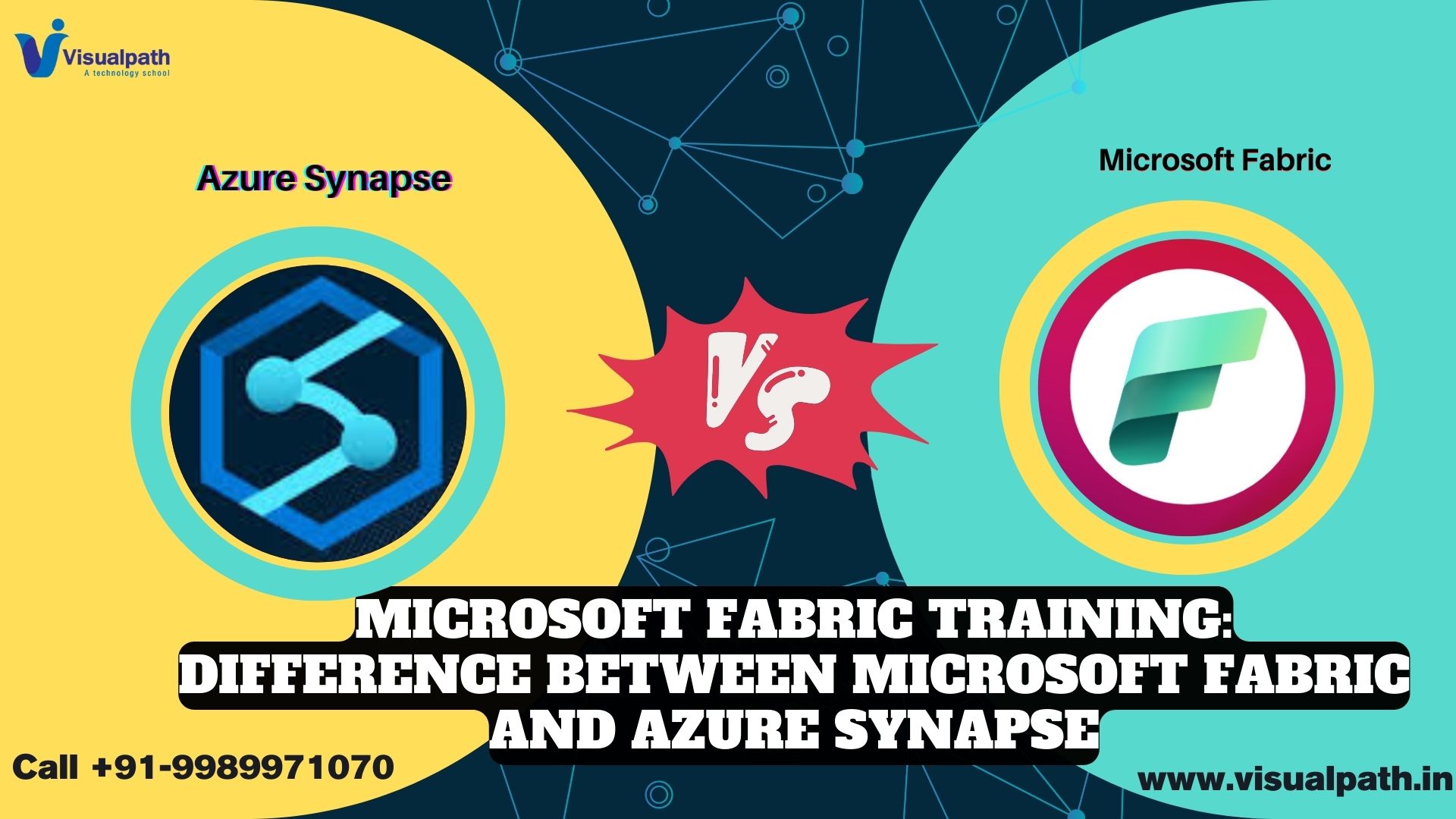
  • Microsoft Fabric Training: Understanding the Difference between Microsoft Fabric and Azure Synapse

    Microsoft Fabric Training: Understanding the Difference between Microsoft Fabric and Azure Synapse

    Microsoft Fabric Training: Understanding the Difference between Microsoft Fabric and Azure Synapse

    In the rapidly evolving landscape of data platforms, Microsoft has consistently led the way with innovative solutions tailored to modern business needs. Two of its most prominent offerings—Microsoft Fabric and Azure Synapse Analytics—are pivotal tools for managing, integrating, and analyzing data. Both platforms provide robust capabilities, yet they cater to distinct requirements and use cases. If you’re looking to harness their potential effectively, enrolling in a Microsoft Fabric Course or specialized Microsoft Fabric Training can equip you with the necessary skills to stay ahead.

    Overview of Microsoft Fabric

    Microsoft Fabric is an all-encompassing data platform designed to unify and simplify data workflows. Built to streamline data engineering, integration, and analytics, Microsoft Fabric serves as a one-stop solution for managing end-to-end data pipelines. It integrates seamlessly with tools like Power BI, Synapse Data Engineering, and Azure Data Factory, enabling businesses to work with a single, unified interface for their data needs.

    One of the standout features of Microsoft Fabric is its emphasis on collaboration. By providing a shared workspace, teams can work together on data preparation, analysis, and visualization. Microsoft Fabric is well-suited for organizations seeking to eliminate silos and establish a unified data strategy. For professionals in Hyderabad, Microsoft Fabric Training In Hyderabad offers hands-on guidance in mastering these tools, making them industry-ready in this evolving domain.

    Overview of Azure Synapse Analytics

    Azure Synapse Analytics, on the other hand, is a data integration and analytics platform that focuses on big data and data warehousing. It enables businesses to analyze vast amounts of structured and unstructured data, integrating seamlessly with Azure services and third-party tools. With its robust querying capabilities, Synapse is particularly suitable for enterprises that require high-performance analytics over massive datasets.

    Azure Synapse excels in managing complex queries and supporting real-time data processing. It is best suited for businesses that rely on deep analytical workloads and need to derive insights from data warehouses and data lakes. Unlike Microsoft Fabric, which is more collaborative and user-friendly, Synapse offers advanced capabilities for data scientists and engineers who require precise control over their analytics pipelines.

    Key Differences Between Microsoft Fabric and Azure Synapse

    1. Scope and Usability
      Microsoft Fabric is designed to be an all-in-one solution, covering data integration, transformation, and visualization. Its user-friendly interface and collaborative features make it accessible to a broader audience, including business analysts and non-technical users.

    Azure Synapse, however, is more specialized, focusing on data warehousing and big data analytics. It is better suited for technical users who need advanced querying and processing capabilities.

    • Collaboration and Accessibility
      Microsoft Fabric’s collaborative environment stands out, allowing multiple users to work together seamlessly on the same datasets. Azure Synapse, while powerful, lacks the same level of collaboration tools, making it more suitable for individual or technical teams working on isolated data projects.
    • Integration Capabilities
      Both platforms offer excellent integration with Azure services. However, Microsoft Fabric provides a unified experience, integrating tools like Power BI and Azure Data Factory into a single platform. Azure Synapse focuses more on connecting with external data sources and managing complex analytical workloads.
    • Target Audience
      Microsoft Fabric is geared towards organizations looking for simplicity and collaboration in their data processes. Azure Synapse, in contrast, is tailored for enterprises requiring high-performance analytics and in-depth data processing.

    Why Microsoft Fabric Training Matters

    Understanding these differences is crucial for professionals aiming to advance their careers in data management. Enrolling in a Microsoft Fabric Training program can help you master the platform’s unique features, such as its unified data environment and collaboration tools. For those in Hyderabad, Microsoft Fabric Training In Hyderabad offers an added advantage, combining industry expertise with practical, hands-on experience tailored to the local tech ecosystem.

    Conclusion

    Both Microsoft Fabric and Azure Synapse are exceptional platforms, each with its strengths and ideal use cases. While Microsoft Fabric excels in unifying workflows and fostering collaboration, Azure Synapse shines in handling large-scale analytics and complex data queries. Choosing between the two depends on your organization’s specific needs, technical expertise, and data strategy.

    To maximize the benefits of these platforms, professionals should consider formal learning options like a Microsoft Fabric Course. Comprehensive training ensures you’re equipped to leverage Microsoft’s cutting-edge tools, whether for collaborative data workflows with Microsoft Fabric or deep analytical insights with Azure Synapse. As businesses continue to prioritize data-driven decision-making, mastering these platforms will keep you ahead in the competitive landscape.

    Visualpath is the Leading and Best Software Online Training Institute in Hyderabad. Avail complete Microsoft Fabric Training Worldwide. You will get the best course at an affordable cost.

    Attend Free Demo

    Call on – +91-9989971070.

    Visit:  https://visualpathblogs.com/

    WhatsApp: https://www.whatsapp.com/catalog/919989971070

    Visit   https://www.visualpath.in/online-microsoft-fabric-training.html

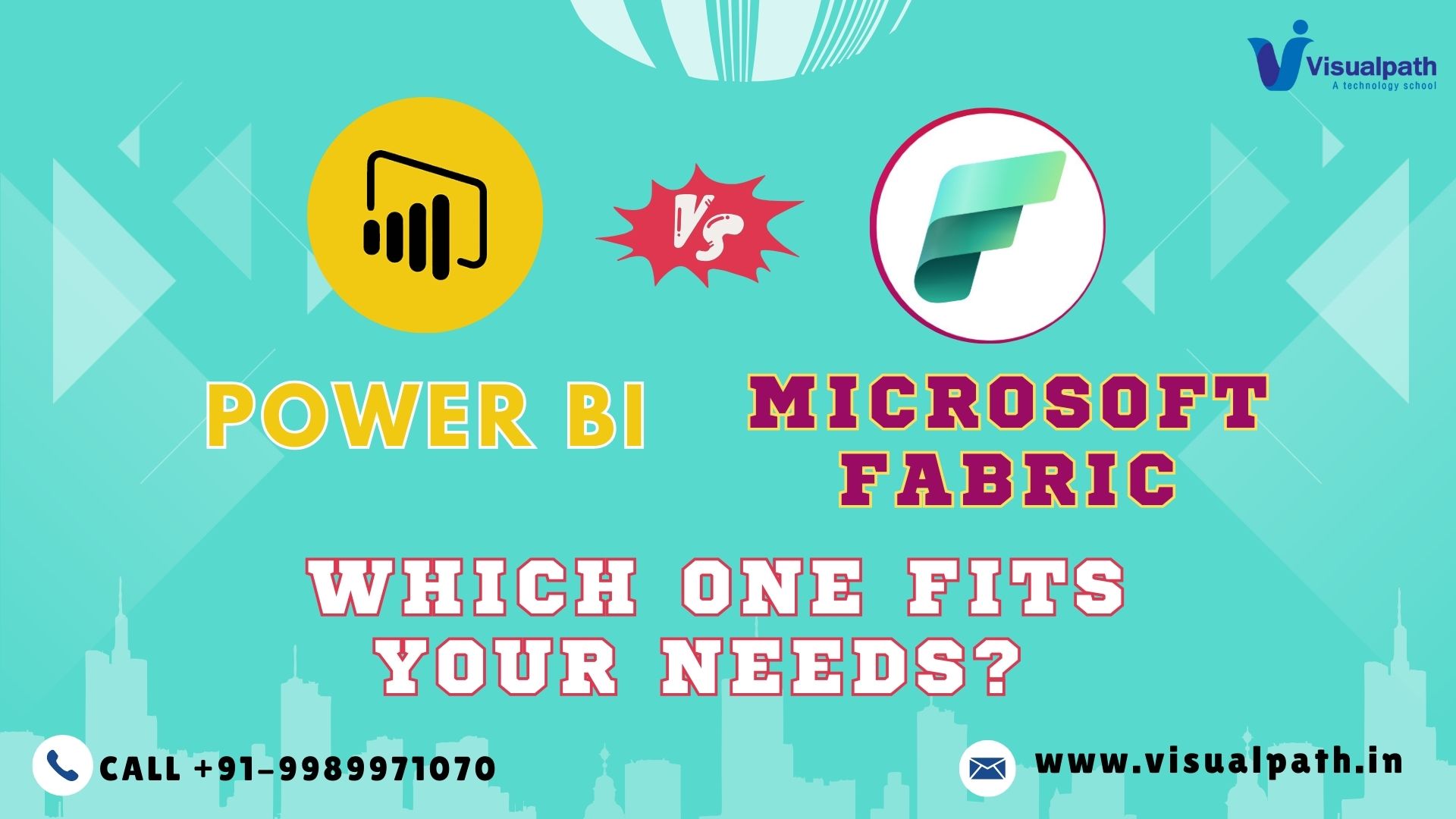
  • Microsoft Fabric vs. Power BI: Which One Fits Your Needs?

    Microsoft Fabric vs. Power BI: Which One Fits Your Needs?

    Microsoft Fabric– As the demand for data-driven decision-making grows, organizations increasingly turn to tools like Microsoft Fabric and Power BI for insights and data management. Both are powerful solutions but serve different purposes. This article will delve into the key features of each, helping you identify which best suits your organizational needs. If you’re exploring options for business intelligence or data management, considering a Microsoft Fabric Course can provide an in-depth understanding of Fabric’s capabilities.

    Understanding Power BI: The Essentials

    Power BI has become synonymous with business intelligence and is well-regarded for its user-friendly interface and robust analytics features. Known for transforming raw data into visual insights, Power BI enables users to create comprehensive dashboards, interactive reports, and share insights across an organization. It’s well-suited for companies that need quick access to data insights and visualizations without in-depth technical knowledge. This is especially beneficial for those in management roles who need straightforward, high-level reporting.

    Power BI is a valuable choice for small to medium-sized organizations or teams within larger enterprises that require data visualization tools without complex infrastructure. The ease of use, coupled with extensive integration capabilities, makes Power BI accessible and scalable for various business needs.

    An Overview of Microsoft Fabric

    Microsoft Fabric is a comprehensive solution that goes beyond data visualization to offer end-to-end data integration, management, and governance capabilities. Fabric is aimed at enterprises seeking to streamline data handling and analysis, from data ingestion to insights. Integrating Microsoft Fabric allows companies to store, manage, and secure their data in a centralized platform, providing a unified experience for data engineers, analysts, and administrators.

    In a Microsoft Fabric Training course, you can explore its advanced features, including data lake integration, data lineage tracking, and support for complex workflows. Microsoft Fabric is especially suited to organizations dealing with large volumes of data, requiring granular control, and prioritizing data security and compliance. Enterprises focused on data governance, advanced analytics, and real-time collaboration may find that Microsoft Fabric better meets their needs.

    Key Differences: Microsoft Fabric vs. Power BI

    Although both tools aim to provide insights and improve data usage, they differ in functionality and targeted users. Here’s a breakdown of their major differences:

    1. Data Integration and Management: Microsoft Fabric offers robust data integration tools, allowing users to integrate data from various sources, perform ETL (Extract, Transform, Load) processes, and manage datasets more comprehensively. Power BI primarily focuses on data visualization and lacks extensive data management capabilities, making it suitable for businesses without complex data needs.
    2. User Experience and Accessibility: Power BI’s user-friendly interface enables non-technical users to build reports and visualize data easily. In contrast, Microsoft Fabric is more technical, suited for data engineers and administrators who need extensive data manipulation and governance capabilities. Microsoft Fabric Training in Hyderabad or other tech hubs offers hands-on experience with these more advanced features.
    3. Data Governance and Security: Microsoft Fabric has built-in tools for data governance and security, helping organizations comply with data regulations. It includes features like data lineage and role-based access control, making it ideal for companies handling sensitive information. Power BI, while secure, lacks the in-depth data governance features Fabric provides.
    4. Scalability and Advanced Analytics: Microsoft Fabric is designed for large-scale operations, with support for big data and machine learning. Power BI also scales but is more focused on generating insights rather than handling massive datasets or supporting machine learning models.

    Choosing the Right Tool: Considerations and Use Cases

    The choice between Power BI and Microsoft Fabric largely depends on your organization’s data needs. For companies focusing on data analysis and visualization without complex integration requirements, Power BI is an excellent, cost-effective option. On the other hand, enterprises with complex data environments requiring end-to-end management and governance should consider Microsoft Fabric Training to fully utilize Fabric’s capabilities.

    Use Cases for Power BI:

    • Small to medium-sized businesses needing business intelligence and data visualization.
    • Teams within larger organizations requiring accessible and interactive reports.
    • Users seeking easy-to-use tools for creating data dashboards without extensive technical skills.

    Use Cases for Microsoft Fabric:

    • Large enterprises needing data management, governance, and compliance features.
    • Companies dealing with big data or requiring integrated workflows across data functions.
    • Teams where data security and lineage tracking are critical to operations.

    The Role of Training: Building Expertise in Microsoft Fabric and Power BI

    Understanding the capabilities and limitations of each tool requires hands-on experience, and for professionals new to data integration, formal training is essential. Engaging in a Microsoft Fabric Course or Microsoft Fabric Training in Hyderabad provides practical skills and insights that can enhance your expertise, enabling you to implement these solutions effectively.

    Training also helps in understanding the best practices for each tool. Microsoft Fabric, being a more technical and complex tool, benefits significantly from in-depth study. A well-rounded course can provide insights into its features, such as real-time data ingestion, automation, and collaboration tools, all of which are valuable for large-scale enterprises.

    Conclusion

    Choosing between Microsoft Fabric and Power BI depends on the scale and specifics of your data needs. Power BI is ideal for organizations seeking accessible, powerful business intelligence tools, while Microsoft Fabric suits enterprises needing comprehensive data management and governance. Both tools have their unique advantages, and understanding their applications can help in making the right choice.

    By investing in Microsoft Fabric Training or Microsoft Fabric Training in Hyderabad, professionals can gain expertise in these tools, empowering them to drive data-centric strategies that align with organizational goals. Whether you’re a data analyst, engineer, or IT administrator, understanding the nuances between these tools will ensure that you’re equipped to make the most of Microsoft’s data solutions.

    Visualpath is the Leading and Best Software Online Training Institute in Hyderabad. Avail complete Microsoft Fabric Training Worldwide. You will get the best course at an affordable cost.

    WhatsApp: https://www.whatsapp.com/catalog/919989971070

    Visit   https://www.visualpath.in/online-microsoft-fabric-training.html

  • How to Get Certified in Microsoft Fabric Course: Steps and Resources

    How to Get Certified in Microsoft Fabric Course: Steps and Resources

    Microsoft Fabric data integration and analytics becoming essential in today’s businesses, getting certified in Microsoft Fabric is a smart step for data professionals and those working in cloud environments. The Microsoft Fabric Course introduces essential skills and tools that help you harness data to drive insights and decisions effectively. This article will guide you through the steps to certification, available resources, and how Microsoft Fabric Training can elevate your career. By following these steps, you can not only understand Microsoft Fabric but also gain credentials that set you apart in the data-driven industry.

    Why Get Certified in Microsoft Fabric?

    Microsoft Fabric integrates data storage, analytics, machine learning, and real-time processing capabilities into a single platform. This integration allows businesses to access, analyze, and use data in ways that improve decision-making and optimize operations. With organizations increasingly investing in data-centric technology, there is a demand for professionals skilled in using tools like Microsoft Fabric. Obtaining a certification demonstrates your knowledge, hands-on experience, and commitment to mastering this in-demand platform. Microsoft Fabric Training in Hyderabad offers localized and in-depth learning, enabling you to develop these skills with an understanding of region-specific industry requirements.

    Steps to Getting Certified in Microsoft Fabric

    1. Begin with the Basics: Understand the Fundamentals of Microsoft Fabric

    To succeed in certification, it’s important to first establish a foundational understanding of Microsoft Fabric. Familiarize yourself with the platform’s main components—data integration, analytics, and machine learning. Many online resources cover these topics, but opting for a structured Microsoft Fabric Course ensures that you have a thorough and systematic learning experience. Courses specifically designed around Microsoft Fabric are available from Microsoft’s learning platform and other online educational sites, guiding you through its capabilities, from data preparation to model deployment.

    2. Complete Microsoft Fabric Training

    Structured training programs provide the hands-on skills necessary for using Microsoft Fabric proficiently. Microsoft Fabric Training in Hyderabad is an excellent option for individuals who prefer in-person training or local experts. These courses dive into real-world applications of the platform and allow you to understand the tool’s application in specific industries, such as finance, healthcare, and retail. In addition to foundational knowledge, training programs often cover advanced concepts, including real-time data analysis, machine learning integration, and data governance.

    3. Practice with Microsoft Fabric’s Online Labs and Sandbox Environment

    To gain confidence in using Microsoft Fabric, take advantage of Microsoft’s online labs and sandbox environment, where you can experiment with data sets, perform analytics, and build machine learning models. Practicing in a hands-on environment is essential for mastering the platform and preparing for certification exams. Microsoft’s sandbox lets you simulate real-life data scenarios, providing a clear picture of how different components of Fabric work together. Moreover, practice strengthens your understanding of data security, compliance, and performance optimization, which are crucial topics in the certification exams.

    4. Study Certification-Specific Resources

    To enhance your knowledge, refer to certification-specific resources such as official Microsoft documentation, whitepapers, and study guides. Microsoft often publishes whitepapers and online modules that help candidates understand key certification topics. These resources provide in-depth explanations of topics like data integration, data lakes, real-time analysis, and machine learning.

    Microsoft Fabric documentation, in particular, contains insights into specific platform features, common issues, and best practices. Learning from these resources, combined with structured Microsoft Fabric Training in Hyderabad or other training programs, will help solidify your expertise.

    5. Take Practice Exams

    Practice exams simulate the certification test experience and highlight areas where you need to improve. Microsoft provides practice exams that are designed to test your understanding and application of Fabric principles. By taking these mock exams, you can gauge your progress, familiarize yourself with the test format, and better manage your time during the actual exam.

    6. Register for the Microsoft Fabric Certification Exam

    Once you’ve completed the recommended training, reviewed the documentation, and taken practice exams, you can register for the Microsoft Fabric certification exam. Microsoft’s certification site allows you to choose a date and time that fits your schedule. Remember to review exam requirements, prerequisites, and policies to ensure a smooth testing experience.

    Benefits of Microsoft Fabric Certification

    Completing a certification program in Microsoft Fabric offers several career benefits. Firstly, certification validates your expertise in data integration, analytics, and machine learning, showcasing your ability to use Microsoft Fabric efficiently. This is especially valuable for professionals looking to advance their careers in data-driven fields. Additionally, certified individuals often have a competitive edge in job markets where organizations rely on data to make strategic decisions.

    Employers view certification as proof that you have the technical knowledge and practical skills to contribute effectively to their data projects. Microsoft Fabric Training in Hyderabad provides the added advantage of local industry insights, which can further improve your employability and salary prospects. Certified professionals are also better equipped to solve complex data challenges, manage large datasets, and deploy machine learning models effectively.

    Conclusion

    The journey to certification in Microsoft Fabric involves a combination of structured learning, practical application, and continuous study. Whether you enroll in a Microsoft Fabric Course or attend Microsoft Fabric Training in Hyderabad, building your knowledge in this field is an investment that pays dividends in the form of career advancement and job opportunities. By following the outlined steps and taking advantage of available resources, you can effectively prepare for the Microsoft Fabric certification exam and embark on a rewarding career path in data management and analytics.

    Visualpath is the Leading and Best Software Online Training Institute in Hyderabad. Avail complete Microsoft Fabric Training Worldwide. You will get the best course at an affordable cost.

    Attend Free Demo

    Call on – +91-9989971070

    WhatsApp: https://www.whatsapp.com/catalog/919989971070

    Visit   https://www.visualpath.in/online-microsoft-fabric-training.html