Tag: devopsonlinetraining

  • DevOps Roles and Responsibilities

    DevOps Roles and Responsibilities

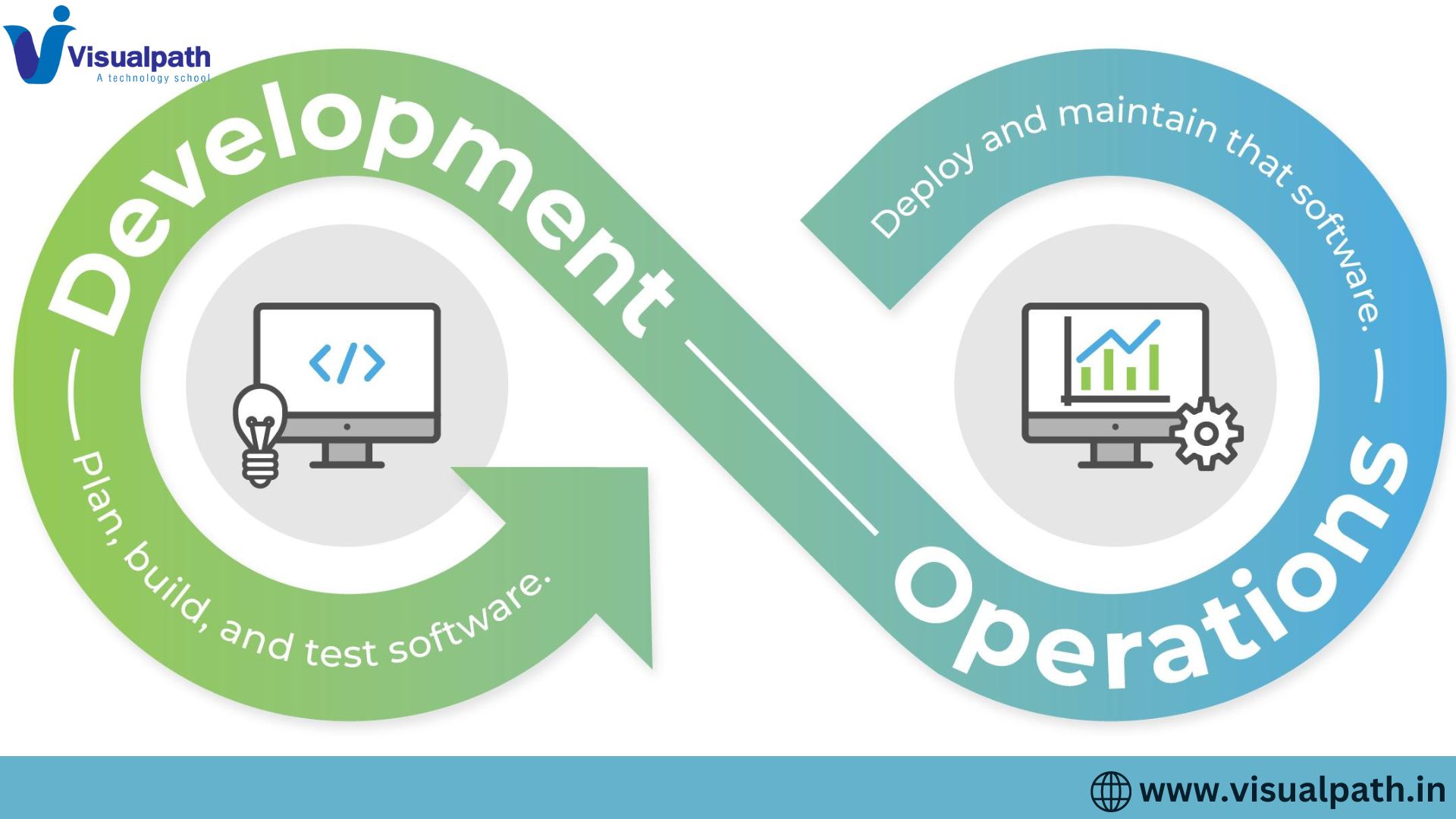
    DevOps, a philosophy that transcends mere tools and processes, has revolutionized software development. It fosters a culture of shared responsibility and streamlined workflows, bringing development (Dev) and operations (Ops) teams together in perfect harmony. This fusion creates a well-oiled machine capable of delivering reliable software at an impressive pace.

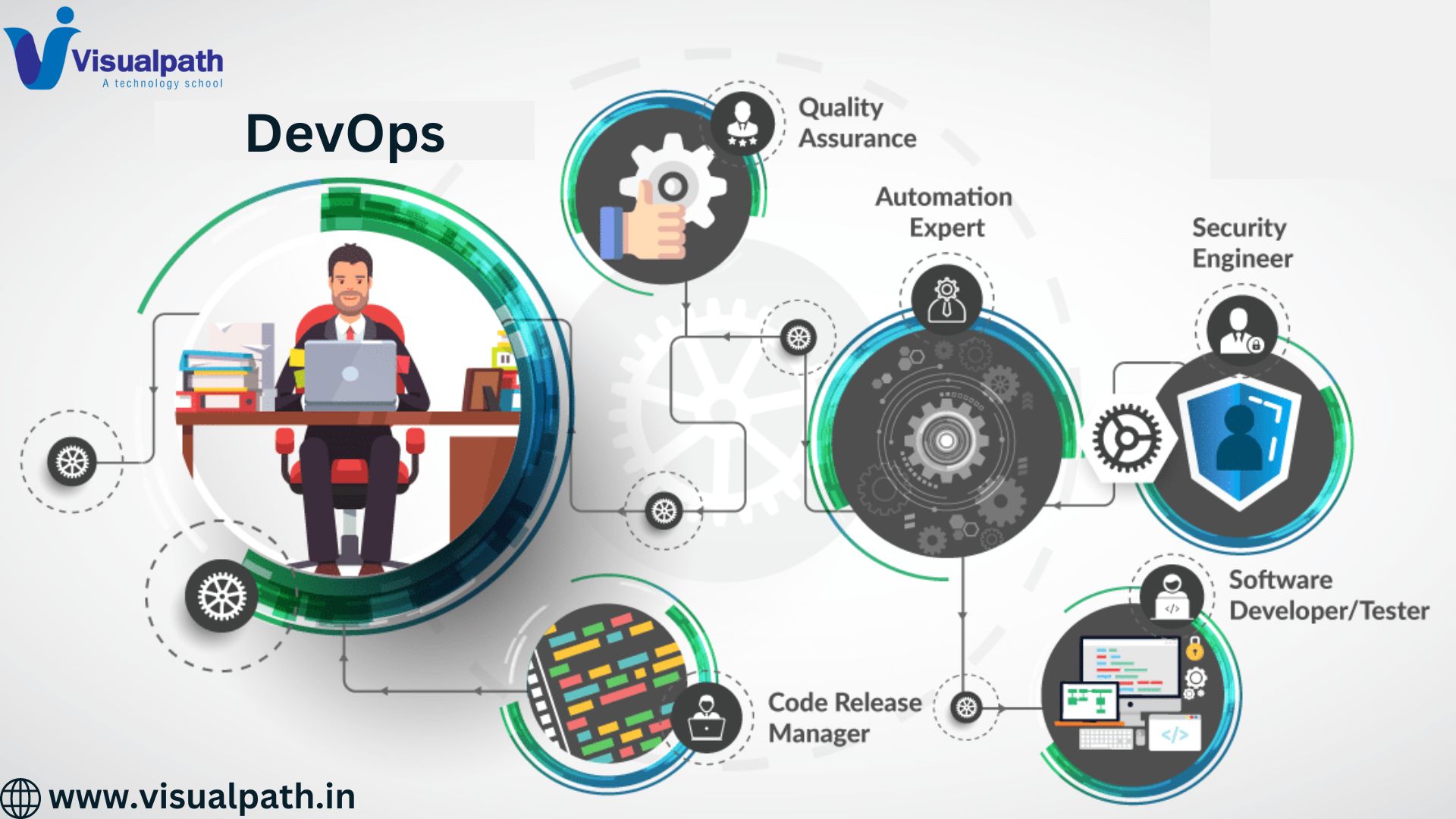
    But a successful DevOps team isn’t just about a cultural shift. It requires a well-defined set of roles, each with specific expertise that contributes to the overall efficiency. Let’s delve into the key players in a DevOps team and explore the responsibilities that keep the machine running smoothly.

    The DevOps engineer is the maestro of the DevOps orchestra. They possess a unique blend of development and operations skills, allowing them to bridge the gap between the two worlds. Their primary responsibility is to automate and optimize the software delivery pipeline, ensuring a smooth flow from code commit to production deployment.

    • Infrastructure Management: DevOps engineers design, build, and manage the infrastructure that supports applications. This could involve setting up cloud environments, provisioning servers, and configuring network devices. DevOps Training
    • CI/CD Pipeline Orchestration: Continuous Integration (CI) and Continuous Delivery/Deployment (CD) are the cornerstones of DevOps. The DevOps engineer takes the lead in creating and maintaining these pipelines, which automate the building, testing, and deployment of code.
    • Automation Champion: Repetitive tasks are the bane of efficiency. DevOps engineers are champions of automation, using scripting languages and tools to automate tasks across the development lifecycle. This frees up time for developers to focus on innovation and allows for faster deployments.
    • Configuration Management: Maintaining consistent configurations across development, testing, and production environments is crucial. DevOps engineers leverage tools like Infrastructure as Code (IaC) to ensure configurations are defined in code, promoting consistency and repeatability. DevOps Online Training
    • Monitoring and Alerting: Keeping a watchful eye on application performance and infrastructure health is paramount. DevOps engineers implement monitoring tools and configure alerts to proactively identify and address potential issues.

    In a traditional development environment, developers might hand off their code to a separate operations team for deployment and maintenance. However, the DevOps approach fosters a more collaborative spirit. Developers take on a shared responsibility for the entire software lifecycle, including:

    • Writing Maintainable Code: Clean, well-documented code is essential for smooth deployments and easier troubleshooting. DevOps principles encourage developers to write code with maintainability and operability in mind. DevOps Training Online
    • Unit Testing: Shifting left, a core DevOps tenet, emphasizes testing earlier in the development cycle. Developers actively participate in unit testing, ensuring their code functions as intended before integration.
    • Collaboration with Operations: DevOps fosters open communication between developers and operations teams. Developers actively participate in discussions about infrastructure requirements and deployment strategies.

    Security and rigorous testing are woven into the fabric of a DevOps approach. Here’s how these functions contribute to a successful DevOps team:

    • Security Engineer: Security is no longer an afterthought. Security engineers work closely with developers and operations teams to integrate security best practices throughout the development lifecycle. This includes code reviews for vulnerabilities, secure coding practices, and penetration testing. DevOps Training in Hyderabad
    • QA Engineer: Quality Assurance (QA) engineers play a crucial role in ensuring the quality and functionality of applications. They collaborate with developers throughout the development cycle, designing and executing automated and manual tests to identify and fix bugs early in the process.

    The DevOps lead provides direction and guidance to the entire team. Their responsibilities include:

    • Team Leadership: The DevOps lead fosters a collaborative and high-performing team environment. They encourage open communication, knowledge sharing, and continuous improvement.
    • Tool Selection and Implementation: DevOps relies heavily on various tools to automate tasks and streamline workflows. The DevOps lead plays a key role in selecting the right tools and ensuring their effective implementation. DevOps Training in Ameerpet
    • Metric Tracking and Optimization: Measuring performance is essential for continuous improvement. The DevOps lead defines key performance indicators (KPIs) to track the efficiency and effectiveness of the DevOps pipeline. They analyze these metrics and identify opportunities for optimization.

    The roles outlined above are just a few of the key players in a DevOps team. The specific structure and responsibilities may vary depending on the size and needs of the organization. However, the core principle remains: effective DevOps is about fostering collaboration and shared responsibility across development, operations, and all supporting functions. This collaborative spirit, akin to a well-oiled machine, ensures DevOps Online Training Institute Hyderabad  

    Visualpath is the Leading and Best Software Online Training Institute in Hyderabad. Avail complete DevOps Training Worldwide. You will get the best course at an affordable cost.

    Call on – +91-9989971070

    WhatsApp: https://www.whatsapp.com/catalog/919989971070

  • DevOps – The Future of Software Development

    DevOps – The Future of Software Development

    DevOps is a powerful approach that is transforming the way software is developed and delivered. It’s more than just a set of tools; it’s a cultural shift that emphasizes collaboration, automation, and a shared responsibility for quality between development (Dev) and IT operations (Ops) teams.

    Traditional software development often suffers from silos between Dev and Ops teams. Developers write code, but Ops is responsible for deploying and maintaining it in production. This can lead to bottlenecks, delays, and finger-pointing when issues arise.

    DevOps aims to bridge this gap by fostering closer collaboration and communication. By working together, Dev and Ops can:

    • Deliver software faster and more reliably: Automation and streamlined processes reduce manual work and errors.
    • Improve software quality: Early identification and fixing of bugs leads to more stable and secure applications. DevOps Training
    • Increase innovation: Faster feedback loops allow teams to experiment and iterate more quickly.

    DevOps is not just about using the right tools. It’s about adopting a new mindset that emphasizes:

    • Shared responsibility: Both Dev and Ops are accountable for the entire software lifecycle.
    • Continuous improvement: DevOps is an ongoing process of learning, adapting, and improving. DevOps Online Training
    • Automation: Repetitive tasks are automated to free up time for innovation.
    • Measurement: Data is used to track progress and identify areas for improvement.

    Several tools support the DevOps philosophy, including:

    • Version control systems: Tools like Git track changes to code, enabling collaboration and easy rollbacks.
    • Continuous integration (CI): Code changes are automatically merged and tested frequently.
    • Continuous delivery (CD): Builds are automatically deployed to production or staging environments. DevOps Training Online
    • Infrastructure as code (IaC): Infrastructure is defined as code, allowing for provisioning and configuration automation.
    • Configuration management tools: Tools like Puppet or Chef ensure consistent system configuration.
    • Monitoring and logging tools: These tools provide real-time insights into application health and performance.

    By adopting DevOps principles, organizations can achieve significant benefits, including:

    • Faster time to market: Deliver new features and fixes to customers more quickly. DevOps Training in Hyderabad
    • Improved software quality: Fewer bugs and more stable applications.
    • Reduced costs: Automation and streamlined processes save time and money.
    • Increased developer productivity: Developers can focus on innovation instead of manual tasks.
    • Increased client satisfaction: Happy clients are the result of quicker delivery of superior software.

    Conclusion

    DevOps is not a silver bullet, but it’s a powerful approach that can help organizations deliver software faster, more reliably, and at a lower cost. By embracing collaboration, automation, and a shared responsibility for quality, DevOps can help organizations achieve a competitive advantage in today’s fast-paced market. DevOps Training in Ameerpet

    Visualpath is the Leading and Best Software Online Training Institute in Hyderabad. Avail complete DevOps Training Worldwide. You will get the best course at an affordable cost.

    Call on – +91-9989971070.

    WhatsApp: https://www.whatsapp.com/catalog/919989971070

    Visit   https://www.visualpath.in/devops-online-training.html

  • DevOps: How Developers and Operations Work Together

    DevOps: How Developers and Operations Work Together

    DevOps is a cutting-edge methodology that unites development and operations It’s not just about tools or processes; it’s a cultural shift that fosters collaboration and shared responsibility. By breaking down silos and promoting communication, DevOps creates a dream team environment where developers and operations work in sync, delivering high-quality software faster and more reliably. This article delves into the core principles of DevOps, explores its benefits, and outlines the tools and strategies that pave the way for a more collaborative future in software development.

    DevOps emerges as a revolutionary mindset that seeks to bridge this gap. It’s not just a set of tools; it’s a cultural shift that fosters collaboration and shared responsibility between developers and operations. By breaking down silos and promoting communication, DevOps creates a dream team environment where both parties work in sync towards a common goal: delivering high-quality software faster and more reliably. DevOps Training

    • Developers: The masterminds behind the code, developers translate ideas into functionality. They write, test, and implement features that bring the software product to life. Their focus lies on innovation, flexibility, and rapid development cycles.
    • Operations: The guardians of the infrastructure, operations teams ensure everything runs smoothly behind the scenes. They manage servers, networks, and deployments, prioritizing stability, security, and performance.

    In a siloed environment, developers and operations can find themselves at odds: DevOps Online Training

    • Delivery Delays: Developers frustrated by slow deployment processes caused by operations’ stringent security checks.
    • Unforeseen Issues: Operations scrambling to fix bugs that weren’t identified during development due to lack of communication.
    • Blame Game: Finger-pointing when issues arise creates a toxic work environment, hindering problem-solving.

    DevOps aims to remove these obstacles by:

    • Shared Responsibility: Both teams become stakeholders in the entire software lifecycle, fostering a sense of ownership and accountability.
    • Open Communication: Regular communication channels are established, allowing teams to share goals, concerns, and updates early and often. DevOps Training Online
    • Automated Workflows: Repetitive tasks like testing and deployment are automated, freeing up valuable time for developers and operations to focus on higher-level projects.

    Several key practices form the foundation of a successful DevOps culture:

    • Continuous Integration (CI): Code changes are automatically integrated and tested frequently throughout the development cycle, catching bugs early on.
    • Continuous Delivery (CD): Deployments are automated and streamlined, allowing for frequent releases of smaller, less risky changes. DevOps Training in Hyderabad
    • Infrastructure as Code (IaC): Infrastructure configurations are managed as code, ensuring consistency and easy provisioning across environments.
    • Monitoring and Alerting: Continuous monitoring tools keep track of system health, enabling proactive identification and resolution of issues.

    By adopting a DevOps philosophy, organizations reap numerous benefits:

    • Faster Delivery: Streamlined workflows and automated processes accelerate feature delivery, allowing businesses to respond quickly to market demands.
    • Improved Quality: Early and frequent testing uncovers bugs before they reach production, leading to higher quality software. DevOps Training in Ameerpet
    • Increased Reliability: Proactive monitoring and automated infrastructure management reduce downtime and system failures.
    • Enhanced Team Morale: Collaboration and shared goals create a more positive and productive work environment for both developers and operations teams.

    A range of tools empower the DevOps methodology:

    • Version Control Systems (VCS): Tools like Git enable developers to track code changes, collaborate effectively, and revert to previous versions if needed.
    • Configuration Management Tools: Tools like Puppet or Ansible automate the provisioning and configuration of servers and infrastructure.
    • Continuous Integration/Continuous Delivery (CI/CD) Pipelines: Tools like Jenkins or CircleCI automate the build, test, and deployment process.
    • Monitoring and Alerting Tools: Tools like Prometheus or Grafana provide real-time insights into system health and performance. DevOps Training in Ameerpet

    Shifting to a DevOps culture requires careful planning and execution:

    • Start with Culture: Fostering a collaborative mindset is key. Invest in communication training and team-building exercises.
    • Identify Bottlenecks: Analyze your current workflows and identify areas for improvement.
    • Embrace Automation: Look to automate repetitive tasks wherever possible.
    • Invest in the Right Tools: Choose tools that fit your specific needs and skillset.
    • Measure and Adapt: Continuously monitor progress, gather feedback, and adapt your approach as needed. DevOps Certification Training in Hyderabad

    Visualpath is the Leading and Best Software Online Training Institute in Hyderabad. Avail complete DevOps Training Worldwide. You will get the best course at an affordable cost.

    Call on – +91-9989971070.

    WhatsApp: https://www.whatsapp.com/catalog/919989971070

    Visit https://www.visualpath.in/devops-online-training.html