
Tag: BusinessAnalystTraininginHyderabad

  • Business Analyst: Introduction to Agile Project Life Cycle

    Business Analyst: Introduction to Agile Project Life Cycle

    Business Analyst environment, the agile project life cycle has emerged as a cornerstone of successful software development and project management. Unlike traditional methodologies that follow a linear approach, Agile embraces flexibility, collaboration, and iterative progress. This article explores the fundamental aspects of agile project life cycles, including its introduction, key techniques, and crucial stages. Business Analyst Training in Ameerpet

    Introduction:

    The Agile methodology was conceived as a response to the rigidity of traditional project management approaches. It emphasizes adaptability to change, customer collaboration, and rapid delivery of working software. By breaking down complex projects into manageable iterations, Agile enables teams to respond to feedback and evolving requirements promptly. Business Analyst Analysis Course in Hyderabad

    Key Techniques:

    Agile project management employs several key techniques to maximize efficiency and deliver value:

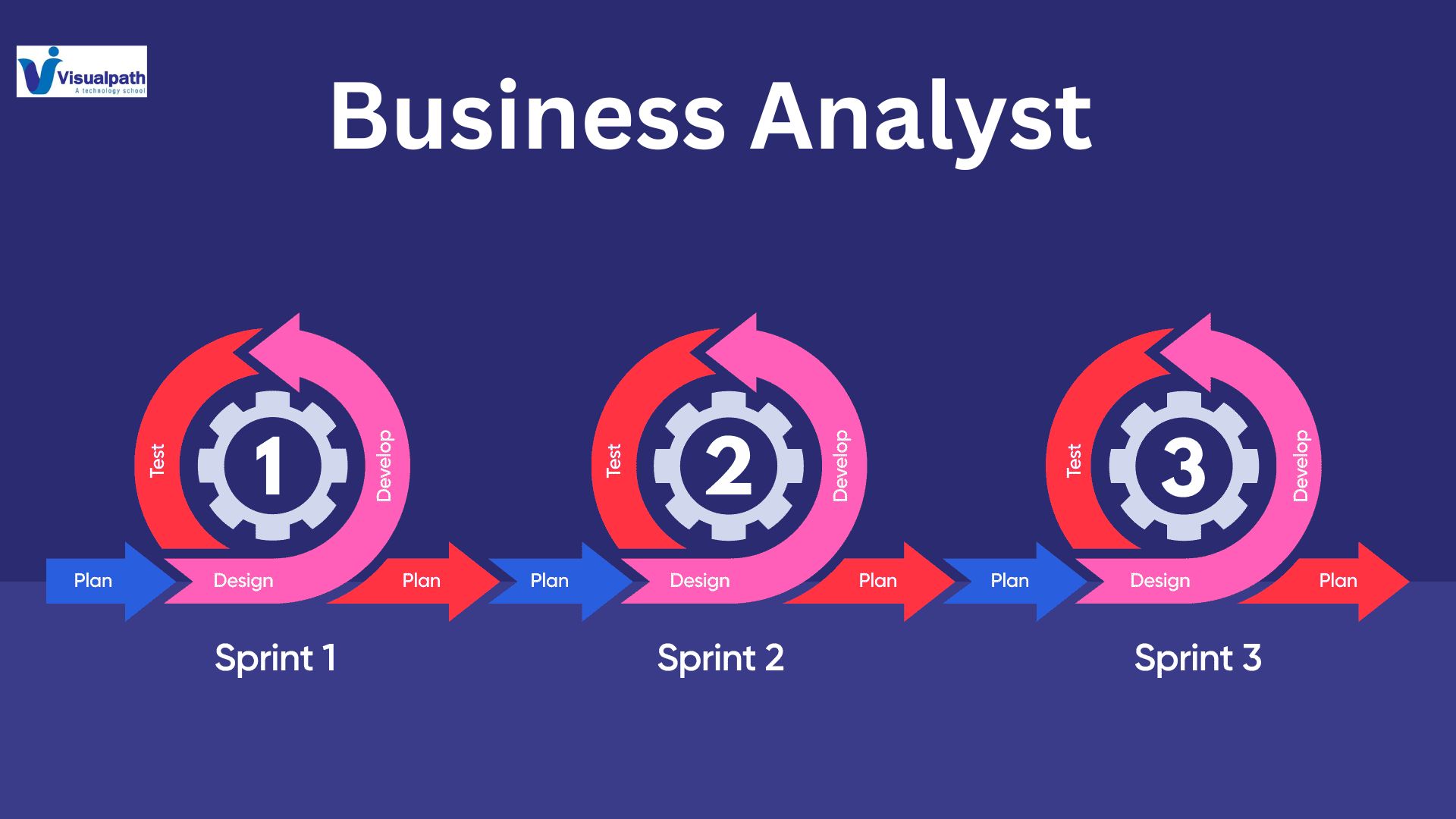
    1. Scrum Framework: A popular agile framework that divides work into short, time-boxed iterations called sprints. It includes daily stand-up meetings, sprint planning, sprint reviews, and retrospectives. 

    2. Kanban: Focuses on continuous delivery and encourages teams to visualize their workflow. It uses a Kanban board to manage tasks through various stages.

    3. User Stories: Descriptions of features from an end-user perspective, guiding development and ensuring alignment with customer needs.

    4. Cross-functional Teams: Empower teams with diverse skills (developers, testers, designers) to collaborate closely and deliver integrated solutions.

    The Agile project life cycle typically includes the following stages:

    1. Project Initiation: Defining project scope, objectives, and identifying stakeholders.  

    2. Planning: Breaking down requirements into user stories, estimating tasks, and creating a prioritized backlog. Business Online Training

    3. Execution: Iteratively developing and testing software in short cycles (sprints), with continuous integration and frequent feedback from stakeholders.

    4. Review and Iteration: Conducting regular sprint reviews and retrospectives to evaluate progress, gather feedback, and make necessary adjustments.

    5. Closure: Finalizing the project, assessing its success against initial goals, and capturing lessons learned for future improvements. Business Analyst Course Online

    Conclusion:

    In conclusion, agile project life cycles offer a dynamic approach to managing projects, particularly in environments where change is constant and customer satisfaction is paramount. By embracing collaboration, iterative development, and adaptive planning, Agile enables teams to deliver high-quality solutions efficiently. Understanding and implementing agile methodologies can significantly enhance project outcomes and foster innovation in today’s competitive business landscape. Business Analyst Training in Hyderabad

    Visualpath provides the Best Business Analyst Training in Ameerpet. Live Instructor-Led Online Classes delivered by experts from Our Industry. Get Real-time exposure of the technology. All the class recordings, presentations will be shared with you for reference. Call & WhatsApp +91-9989971070.

    Contact us +91-9989971070

    Visit Blog: https://visualpathblogs.com/

    whatsApp:https://www.whatsapp.com/catalog/917032290546/

    Visit: https://www.visualpath.in/business-analyst-online-training-in-hyderabad.html
  • Navigating Agile Environments and Tools as a Business Analyst

    Navigating Agile Environments and Tools as a Business Analyst

    Introduction to Agile Environments:

    Agile methodologies prioritize adaptability and responsiveness to change, contrasting with traditional linear approaches. BAs in Agile teams play a pivotal role in bridging communication gaps, ensuring requirements are clear, and aligning business objectives with development outcomes. Business Analyst Training in Hyderabad

    Key Techniques for Business Analysts in Agile:

    1. User Stories and Epics: BAs translate complex requirements into manageable user stories that guide development cycles.

    2. Backlog Refinement:

    Collaboratively refining and prioritizing the product backlog ensures that development efforts align with business priorities. Business Analyst Course in Hyderabad

    3. Sprint Planning and Review:

    Active participation in sprint planning and reviews facilitates continuous improvement and ensures deliverables meet stakeholder expectations.

    4. Facilitation of Communication:

     BAs act as mediators between stakeholders, developers, and product owners, fostering a shared understanding of project goals and requirements.

    Essential Tools for Agile Business Analysis:

    • Jira: A popular tool for managing agile projects, facilitating backlog management, sprint planning, and tracking progress.
    •  Confluence: Enhances collaboration by providing a centralized platform for documentation, knowledge sharing, and team communication. Business Analyst Training in Ameer pet
    • Trello: Ideal for visual project management, enabling teams to organize tasks using boards, lists, and cards.
    •  Miro: Facilitates virtual collaboration through white boarding, mind mapping, and diagramming, promoting brainstorming and idea sharing.

    Conclusion:

    Mastering agile methodologies and leveraging appropriate tools empower BAs to navigate complexity effectively. By embracing iterative development, fostering collaboration, and employing Business Analyst Training in India Robust tools, BAs contribute significantly to project success in agile environments. As businesses continue to evolve, the role of BAs remains pivotal in driving innovation and delivering value. This Approach ensures that BAs are not just participants but key enablers of agile success, enhancing project outcomes and stakeholder satisfaction in an increasingly competitive marketplace. Business Analyst Course Online

    Visualpath Teaching the Business Analyst Training in Hyderabad. It is the NO.1 Institute in Hyderabad Providing Online Training Classes. Our faculty has experienced in real time and provides Business Real time projects and placement assistance. Contact us +91-9989971070.Visit

     Contact us +91-9989971070

    WhatsApp   :https://www.whatsapp.com/catalog/917032290546/

    Visit: https://www.visualpath.in/business-analyst-online-training-in-hyderabad.html
  • Business Analysis Life Cycle: Everything You Need To Know

    Business Analysis Life Cycle: Everything You Need To Know

    Introduction

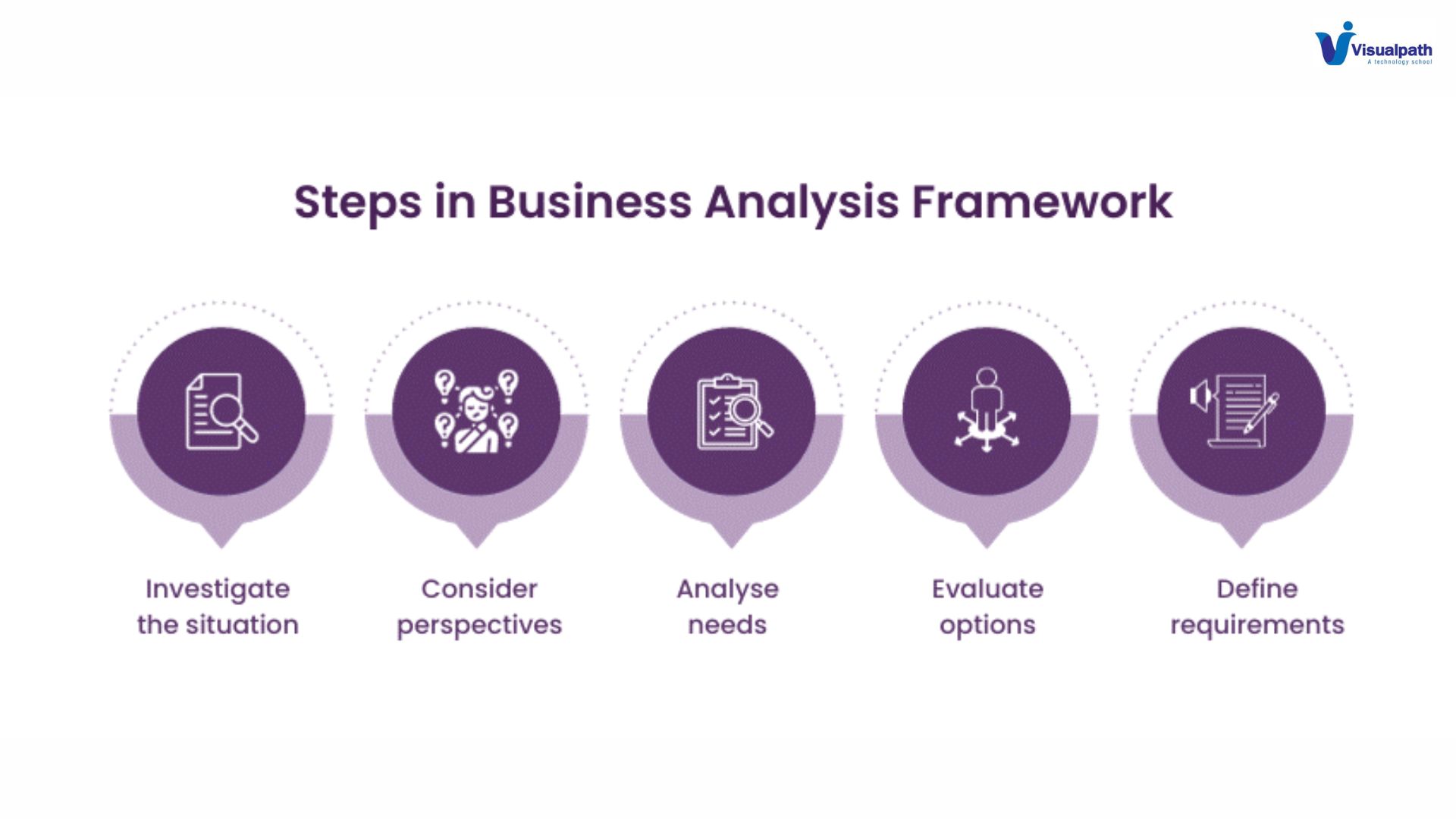
    Business analysis serves as the backbone of strategic decision-making within organizations, enabling them to identify opportunities, streamline processes, and maximize efficiency. Through a systematic approach encompassing various stages and techniques, business analysts navigate complex landscapes to deliver actionable insights. Let’s delve into the stages of business analysis along with key techniques that drive success. Business Analyst Training Institute

    1. Understanding Business Needs:

    This initial stage involves thorough comprehension of organizational goals, challenges, and stakeholders’ expectations. Techniques such as stakeholder interviews, surveys, and workshops aid in gathering comprehensive requirements. Business Analyst Course Online

    2. Defining Scope and Objectives:

    Clear definition of project scope and objectives sets the foundation for focused analysis. Techniques like scope modelling and requirement prioritization ensure alignment with business goals and constraints.

    3. Gathering Requirements:

    Through elicitation techniques such as brainstorming, document analysis, and prototyping, business analysts gather, document, and validate requirements from stakeholders. This stage ensures a holistic understanding of system functionalities and user needs.

    4. Analysing and Documenting Requirements:

    Analytical techniques like SWOT analysis, PESTLE analysis, and data modelling facilitate the assessment of gathered requirements. Documentation tools such as use cases, user stories, and requirement traceability matrices ensure clarity and traceability of requirements throughout the project lifecycle.

    5. Solution Assessment and Validation:

    Validation techniques like prototyping, user acceptance testing, and feasibility studies validate proposed solutions against business requirements. This stage ensures that the proposed solution aligns with organizational objectives and addresses identified needs. Business Analyst Training

    6. Implementing Solutions:

    During implementation, techniques such as change management, stakeholder communication, and training programs facilitate smooth transition and adoption of the proposed solution within the organization.

    7. Continuous Improvement:

     Business analysis doesn’t end with implementation; it involves continuous monitoring and improvement. Techniques like performance metrics, feedback mechanisms, and post-

    Implementation reviews enable organizations to adapt to changing business environments and optimize processes for sustained success. Business Analyst Training in Hyderabad

     Conclusion

    Effective business analysis involves a structured approach encompassing various stages and techniques tailored to the unique needs of each organization. By understanding business needs, defining clear objectives, and employing appropriate techniques throughout the analysis process, business analysts play a pivotal role in driving organizational growth and innovation.

    Visualpath is one of the best Business Analyst Training in Hyderabad. We are providing Live Instructor-Led Online Classes delivered by experts from Our Industry. We will provide live project training after course completion. Enroll Now!! Contact us +91-9989971070.

    WhatsApp  :https://www.whatsapp.com/catalog/917032290546/

    Visit: https://www.visualpath.in/business-analyst-online-training-in-hyderabad.html
  • Business Analyst? Roles and Responsibilities of BA

    Business Analyst? Roles and Responsibilities of BA

    Introduction:

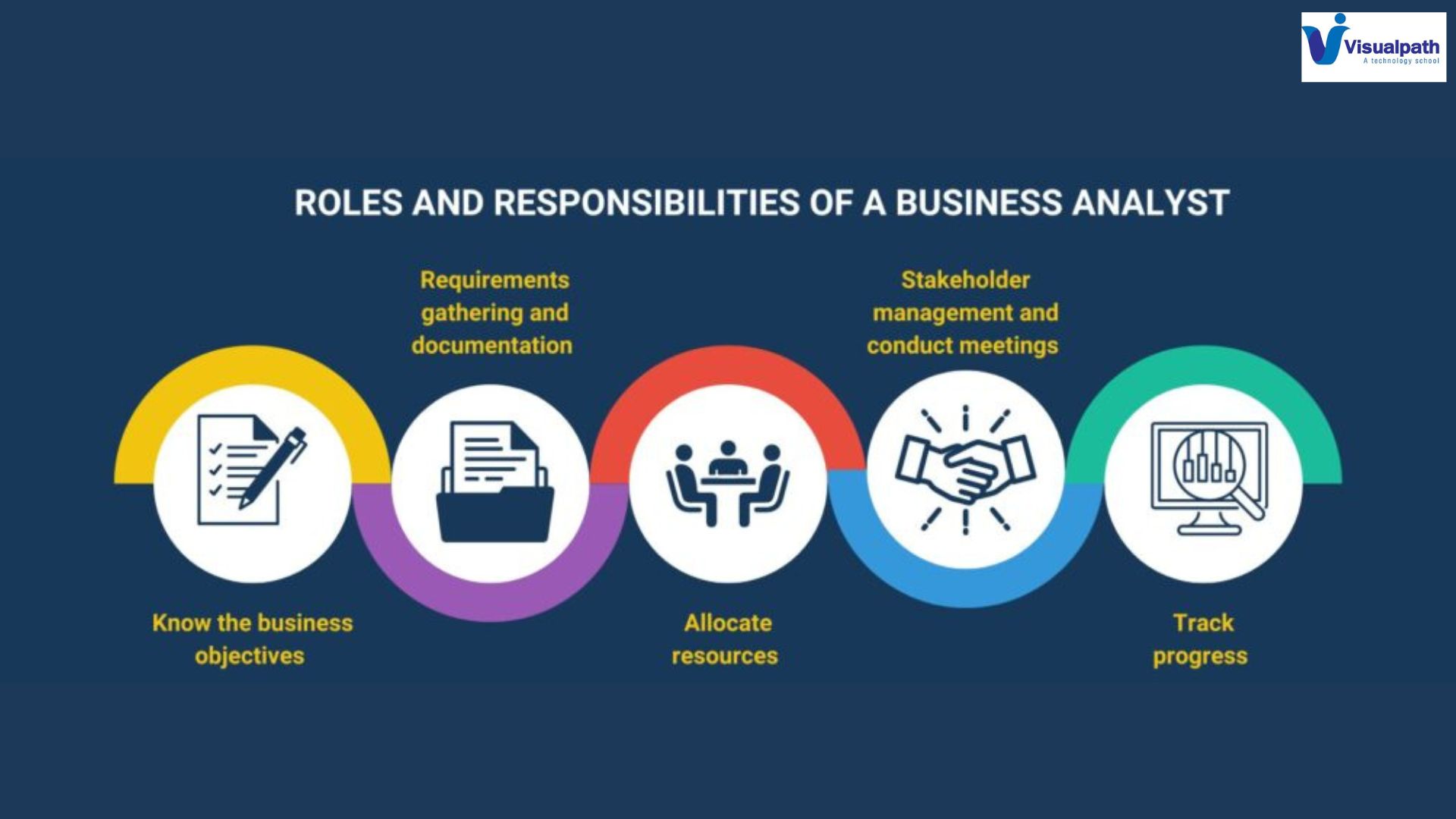
     Business Analysts (BAs) play a crucial role in bridging the gap between business objectives and technical solutions within organizations. Their responsibilities encompass a wide array of tasks, from gathering and analysing requirements to facilitating communication between stakeholders and IT teams. In this article, we will explore the key roles and responsibilities of a Business Analyst, along with the essential techniques they employ to fulfil their duties effectively. Business Analyst Training Institute

    Roles and Responsibilities:

    Requirement Elicitation and Analysis: BAs are responsible for understanding and documenting the needs of various stakeholders, including clients, users, and business units. They conduct interviews, workshops, and surveys to gather requirements comprehensively.

    Documentation:

     BAs translate business requirements into detailed documentation, such as business requirements documents (BRDs) and functional specifications. These documents serve as guidelines for development teams and ensure alignment with business objectives. Business Analyst Course Online

    Communication Facilitation:

    BAs act as intermediaries between business stakeholders and technical teams, ensuring clear communication and understanding between both parties. They facilitate meetings, presentations, and discussions to resolve conflicts and ensure project success.

    Process Improvement:

    BAs analyse existing business processes to identify inefficiencies and areas for improvement. They propose solutions and implement changes to streamline operations and enhance productivity. Business Analyst Training

    Quality Assurance:

    BAs collaborate with QA teams to define test cases and validate software against business requirements. They participate in testing activities to ensure that deliverables meet quality standards and user expectations.

    Key Techniques:

    SWOT Analysis: BAs use SWOT (Strengths, Weaknesses, Opportunities, Threats) analysis to assess the internal and external factors affecting a project or business initiative. This technique helps in identifying risks and opportunities for strategic planning.

    User Stories:

    BAs employ user stories to capture functional requirements from the perspective of end-users. These concise narratives describe specific features or functionalities desired by users, guiding development efforts effectively. Business Analyst Course in Hyderabad

    Prototyping:

    BAs create prototypes or mock-up to visualize and validate proposed solutions with stakeholders. Prototyping enables early feedback and reduces the risk of misinterpretation during development.

    Data Modelling:

     BAs use data modelling techniques, such as Entity-Relationship Diagrams (ERDs) or Data Flow Diagrams (DFDs), to analyse and represent the relationships between data entities and processes within a system. Business Analyst Training in India

    Conclusion:

    In conclusion, Business Analysts play a pivotal role in ensuring the successful delivery of projects by aligning business objectives with technical solutions. Through effective requirement elicitation, communication facilitation, and the application of key techniques, BAs contribute significantly to the achievement of organizational goals and objectives.

    Visualpath offers the Business Analyst Training in Ameer pet conducted by real-time experts. Business Analyst Training Institute is available in Hyderabad and is provided to individuals globally in the USA, UK, Canada, Dubai, and Australia. Contact us at+91-9989971070.

    WhatsApp https://www.whatsapp.com/catalog/917032290546/

    Visit: https://www.visualpath.in/business-analyst-online-training-in-hyderabad.html