Tag: AdvancedWarehouseManagementTrainingCourse

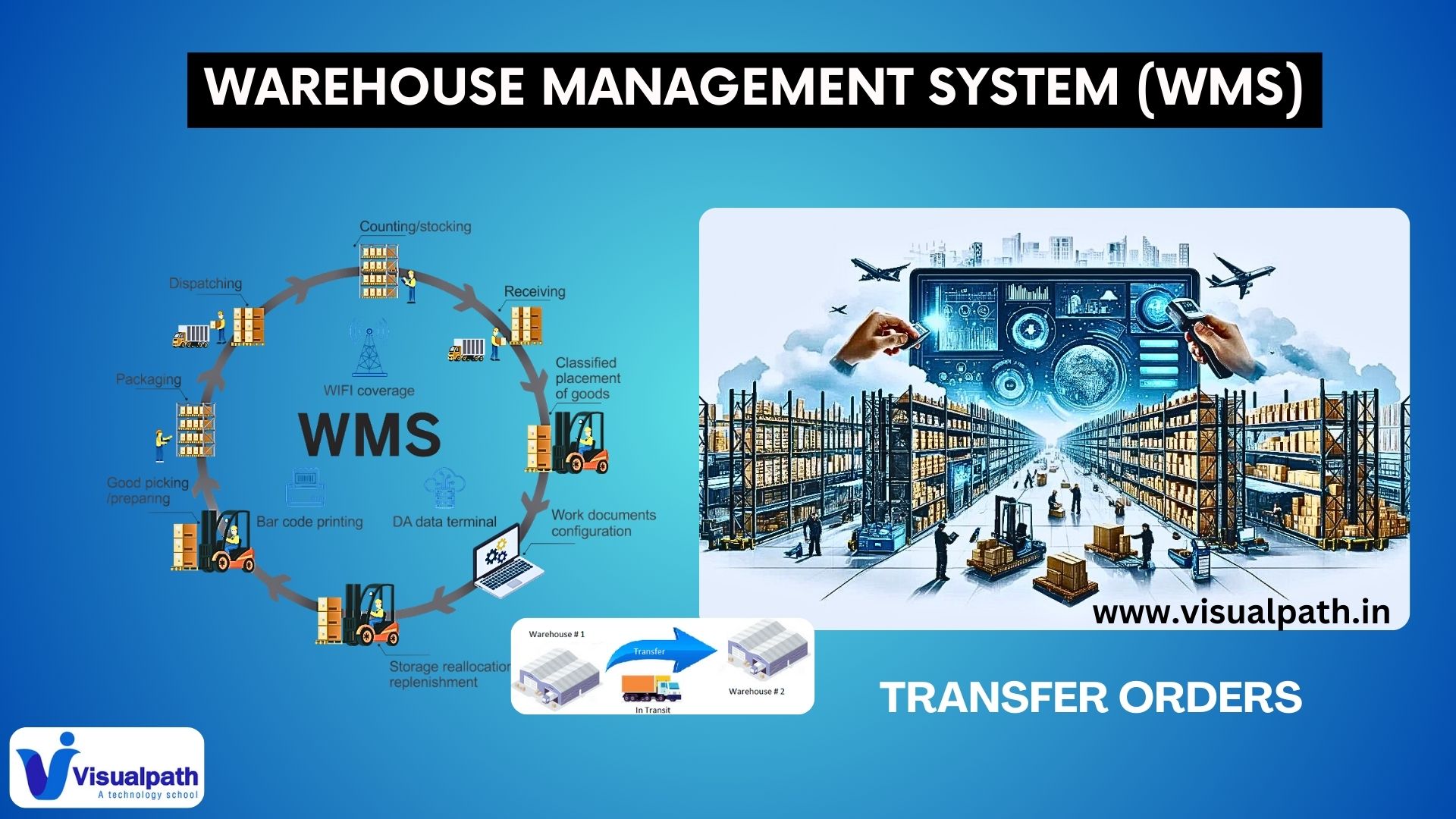
  • What is a Transfer Order in The Warehouse Management System (WMS)?

    What is a Transfer Order in The Warehouse Management System (WMS)?

    A transfer order in a Warehouse Management System (WMS) is a crucial document used to manage and track the movement of inventory within a warehouse or between different warehouse locations. It provides a structured way to handle the internal logistics of transferring goods, ensuring accurate and efficient inventory management. Advanced Warehouse Management Training

    Here’s an in-depth look at the concept:

    Definition and Purpose

    A transfer order is an instruction or authorisation issued within the WMS to move products from one location to another. This movement can be within the same warehouse (from one storage bin to another) or between different warehouses or storage facilities. The primary purposes of transfer orders include:

    1. Inventory Replenishment: Moving items to replenish picking areas or forward picking locations from bulk storage.
    2. Inventory Balancing: Redistributing stock to balance inventory levels across various locations. Warehousing Training Course in Hyderabad
    3. Order Fulfillment: Relocating products to staging areas for packing and shipping as part of the order fulfilment process.
    4. Space Optimization: Consolidating or rearranging products to optimize space usage within the warehouse.

    Key Components of a Transfer Order

    A transfer order typically includes the following information:

    1. Transfer Order Number: A unique identifier for tracking and reference purposes.
    2. Source Location: The current location of the inventory items (e.g., bin, aisle, zone, warehouse).
    3. Destination Location: The target location where the items need to be moved.
    4. Item Details: Information about the products being transferred, including SKU (Stock Keeping Unit), quantity, and description.
    5. Reason for Transfer: A description or code indicating why the transfer is necessary (e.g., replenishment, order fulfilment).
    6. Date and Time: The scheduled date and time for the transfer to occur.
    7. Responsible Personnel: Information about the employees or teams responsible for executing the transfer.

    Process of Creating and Executing a Transfer Order

    1. Initiation: The transfer order is generated based on triggers such as low inventory levels, order requirements, or warehouse optimization strategies.  Warehousing Training
    2. Approval: Depending on the organization’s policies, the transfer order may need to be approved by a supervisor or manager.
    3. Execution: Warehouse staff receives the transfer order and moves the specified items from the source location to the destination location.
    4. Verification: The items are checked at the destination location to ensure accuracy in terms of quantity and item details.
    5. Confirmation and Update: Once the transfer is completed, the WMS is updated to reflect the new inventory positions, ensuring that the system maintains accurate and real-time inventory records.

    Benefits of Using Transfer Orders

    1. Accuracy: Helps in maintaining precise inventory records and reduces discrepancies.
    2. Efficiency: Streamlines the internal logistics of inventory movement, saving time and labour.
    3. Visibility: Provides clear visibility into the movement of goods, aiding in better inventory tracking and management.
    4. Optimization: Facilitates the efficient use of warehouse space and resources.

    Conclusion

    In a Warehouse Management System, a transfer order is an essential tool for managing the internal movement of goods. It ensures that inventory is accurately tracked and efficiently moved to where it is needed most, supporting optimal warehouse operations and effective inventory management. By leveraging transfer orders, warehouses can maintain high levels of accuracy and efficiency, ultimately contributing to improved operational performance and customer satisfaction. Advanced Warehouse Management in Dynamics 365

    Visualpath is the Best Software Online Training Institute in Hyderabad. Avail complete Dynamics Advanced Warehouse Management Online Training worldwide. You will get the best course at an affordable cost.

    Call on – +91-9989971070

    WhatsApp: https://www.whatsapp.com/catalog/919989971070

    Visit  https://www.visualpath.in/advanced-warehouse-management-course.html

  • What is Advanced Warehouse in Dynamics 365? & Key Features

    What is Advanced Warehouse in Dynamics 365? & Key Features

    Advanced Warehouse in Dynamics 365: A Comprehensive Overview

    Introduction

    Microsoft Dynamics 365 offers a sophisticated suite of tools designed to enhance various business operations, and among these is the Advanced Warehouse Management module. This module provides comprehensive capabilities for managing the complex logistics of modern warehousing, ensuring efficient and accurate operations. This article delves into the key features, benefits, and functionalities of Advanced Warehouse in Dynamics 365, offering insights into how it can optimise warehouse operations. Advanced Warehouse Management Training

    Key Features of Advanced Warehouse in Dynamics 365

    1. Real-Time Inventory Management:

    Advanced Warehouse allows for real-time tracking of inventory levels, ensuring that stock data is always up-to-date. This capability is crucial for maintaining accurate records, reducing stock discrepancies, and ensuring that inventory levels are sufficient to meet customer demands.

    • Automated Workflows:

    The module supports the automation of various warehouse processes, including receiving, picking, packing, shipping, and cycle counting. Automated workflows minimise manual intervention, reducing errors and increasing efficiency. Warehousing Training Course in Hyderabad

    • Advanced Location Management:

    It offers sophisticated location management features, allowing warehouses to optimise the placement of goods. This includes the use of zones, aisles, racks, and bins, which can be configured to enhance picking efficiency and storage utilization.

    • Mobile Device Support:

    Dynamics 365 Advanced Warehouse supports mobile devices, enabling warehouse workers to perform tasks such as scanning barcodes, updating inventory records, and confirming shipments directly from handheld devices. This mobility improves accuracy and speeds up operations.

    • Integration with Other Modules:

    The Advanced Warehouse module seamlessly integrates with other Dynamics 365 modules, such as Finance, Sales, and Supply Chain Management. This integration ensures a unified flow of information across different business functions, enhancing overall operational efficiency.

    Benefits of Using Advanced Warehouse

    1. Increased Efficiency and Productivity:

    By automating routine tasks and optimizing workflows, the Advanced Warehouse module significantly boosts the efficiency of warehouse operations. Employees can focus on more strategic tasks, leading to higher productivity. Advanced Warehouse Management Online Training

    • Enhanced Accuracy:

    The use of real-time data and mobile devices ensures that inventory records are accurate. This reduces the risk of errors in order fulfilment, improving customer satisfaction and reducing costs associated with returns and corrections.

    • Improved Inventory Visibility:

    With real-time tracking and advanced reporting capabilities, businesses gain better visibility into their inventory. This enables more accurate demand forecasting, better stock management, and reduced risk of overstocking or stockouts.

    • Scalability:

    Advanced Warehouse in Dynamics 365 is highly scalable, making it suitable for businesses of all sizes. As a business grows, the module can be easily configured and scaled to meet increasing operational demands.

    • Better Resource Utilization:

    By optimizing storage space and streamlining workflows, the module ensures that warehouse resources are used more effectively. This leads to cost savings and a more efficient operation overall.

    Functionalities of Advanced Warehouse

    1. Inbound and Outbound Operations:

    The module manages all aspects of inbound and outbound logistics, from receiving goods to shipping them out. This includes quality checks, put-away processes, picking strategies (e.g., wave picking, batch picking), packing, and dispatching. Warehousing Training

    • Cycle Counting:

    Advanced Warehouse supports cycle counting, a method of perpetual inventory counting that helps maintain inventory accuracy without the need for full stock takes. This ensures ongoing inventory accuracy with minimal disruption to operations.

    • Warehouse Layout Configuration:

    Businesses can define and configure the warehouse layout within the system. This includes setting up storage locations, defining the types of goods stored in different areas, and configuring routing paths for the optimal flow of goods.

    Conclusion

    The Advanced Warehouse module in Dynamics 365 is a powerful tool designed to streamline warehouse operations, improve accuracy, and boost overall efficiency. Its comprehensive features and benefits make it an invaluable asset for businesses looking to optimize their logistics and supply chain management. By leveraging real-time data, automation, and seamless integration with other business processes, Dynamics 365 Advanced Warehouse ensures that businesses can meet the demands of today’s fast-paced market with agility and precision. Advanced Warehouse Management in Dynamics 365

    Visualpath is the Best Software Online Training Institute in Hyderabad. Avail complete Dynamics Advanced Warehouse Management Online Training worldwide. You will get the best course at an affordable cost.

    Call on – +91-9989971070

    WhatsApp: https://www.whatsapp.com/catalog/919989971070

    Visit  https://www.visualpath.in/advanced-warehouse-management-course.html
  • What is an Advanced Warehouse Management System? | 2024

    What is an Advanced Warehouse Management System? | 2024

    A complex software program created to maximize warehouse operations and logistics are called an advanced warehouse management system (WMS). It integrates various functions and technologies to improve efficiency, accuracy, and productivity within a warehouse environment. Here’s a comprehensive overview of what an advanced WMS entails, including its features, benefits, and significance in modern supply chain management. Advanced Warehouse Management Training

    Key Features of an Advanced Warehouse Management System

    1. Inventory Management:
      1. Real-time Tracking: An advanced WMS provides real-time visibility into inventory levels, locations, and status. This helps in maintaining accurate inventory records and reduces the risk of stockouts or overstock situations.
      1. Automated Replenishment: It can automatically generate orders to replenish stock when inventory levels fall below a predefined threshold, ensuring optimal stock levels at all times. Warehousing Training Course in Hyderabad
    2. Order Fulfillment:
      1. Efficient Picking and Packing: The system optimizes picking routes and packing processes, reducing the time and effort required to fulfil orders. It supports various picking methods like wave picking, batch picking, and zone picking.
      1. Barcode and RFID Integration: These technologies help in accurate and quick identification, tracking, and verification of products throughout the warehouse.
    3. Labor Management:
      1. Task Allocation: An advanced WMS can assign tasks to warehouse staff based on their roles, skill levels, and availability. This ensures that the right resources are utilized efficiently.
      1. Performance Tracking: It monitors the performance of warehouse employees, helping to identify areas for improvement and providing data for performance evaluations.
    4. Space Utilization:
      1. Optimized Layouts: The system analyzes warehouse layouts to maximize space utilization and streamline the flow of goods.
      1. Dynamic Slotting: It adjusts storage locations based on the velocity and volume of items, ensuring that frequently picked items are easily accessible.
    5. Advanced Reporting and Analytics:
      1. Data-Driven Insights: An advanced WMS provides detailed reports and analytics on various aspects of warehouse operations, helping managers make informed decisions. Advanced Warehouse Management Online Training
      1. Forecasting: It can predict future inventory needs and warehouse capacity requirements based on historical data and trends.
    6. Integration with Other Systems:
      1. ERP and TMS Integration: The WMS can seamlessly integrate with Enterprise Resource Planning (ERP) systems and Transportation Management Systems (TMS), facilitating end-to-end supply chain visibility and coordination.
      1. E-commerce Integration: It supports integration with e-commerce platforms, ensuring smooth handling of online orders and returns.

    Benefits of an Advanced Warehouse Management System

    1. Increased Efficiency: By automating and optimizing various warehouse processes, an advanced WMS significantly reduces the time and labour required for tasks such as picking, packing, and inventory management.
    2. Improved Accuracy: The use of barcode scanning and RFID technology minimizes human errors in inventory tracking and order fulfilment, leading to higher accuracy and customer satisfaction.
    3. Cost Savings: Optimized labour management, space utilization, and inventory control result in cost savings through reduced labour costs, minimized storage costs, and lower inventory holding costs.
    4. Enhanced Customer Service: Faster and more accurate order fulfilment leads to quicker delivery times and improved customer satisfaction. The ability to track orders in real time also enhances transparency and trust.
    5. Scalability: An advanced WMS is scalable and can adapt to the growing needs of a business. It supports the expansion of warehouse operations and the addition of new functionalities as required. Warehousing Training

    Significance in Modern Supply Chain Management

    In today’s highly competitive and dynamic market environment, efficient warehouse management is crucial for maintaining a competitive edge. An advanced WMS plays a vital role in the broader supply chain by ensuring that goods are stored, managed, and moved efficiently. It enhances the agility and responsiveness of the supply chain, enabling businesses to adapt quickly to changes in demand and supply conditions.

    Moreover, with the rise of e-commerce and the increasing complexity of logistics networks, the need for advanced warehouse management systems has become more pronounced. Companies are leveraging these systems to meet the high expectations of modern consumers for fast and accurate deliveries, while also managing costs and improving operational efficiency.

    Conclusion

    An advanced warehouse management system is an essential tool for modern warehouses, providing comprehensive features that optimize inventory management, order fulfilment, labour utilization, and space management. Its integration capabilities, coupled with advanced reporting and analytics, make it a cornerstone of efficient and effective supply chain management. By adopting an advanced WMS, businesses can achieve significant improvements in operational efficiency, accuracy, cost savings, and customer satisfaction, positioning themselves for long-term success in a competitive market. Advanced Warehouse Management in Dynamics 365

    Visualpath is the Best Software Online Training Institute in Hyderabad. Avail complete Dynamics Advanced Warehouse Management Online Training worldwide. You will get the best course at an affordable cost.

    Attend Free Demo

    Call on – +91-9989971070

    WhatsApp: https://www.whatsapp.com/catalog/919989971070

    Visit  https://www.visualpath.in/advanced-warehouse-management-course.html