Introduction
GCP Data Engineers play a critical role in managing, processing, and transforming massive volumes of data into actionable insights. To excel in this profession, engineers must master a wide set of tools available within Google Cloud. These tools not only help in designing and maintaining reliable data pipelines but also empower businesses with the speed, scalability, and efficiency needed for modern data-driven decision-making. If you are planning to build a career in this field, enrolling in a GCP Data Engineer Course can be the first step toward mastering these powerful tools.
Understanding the Role of GCP Data Engineers
1. Understanding the Role of GCP Data Engineers
GCP Data Engineers act as the bridge between raw data and business intelligence. They design and maintain pipelines, handle real-time data processing, and ensure smooth integration with analytics tools. Their work impacts areas such as predictive modelling, reporting, and AI-driven solutions.
2. Core Tools for GCP Data Engineering
BigQuery
BigQuery is Google’s fully managed, serverless data warehouse. It allows engineers to analyze terabytes of data in seconds using SQL queries. With built-in machine learning capabilities and seamless integration with visualisation tools, it’s a must-learn for all data engineers.
Cloud Dataflow
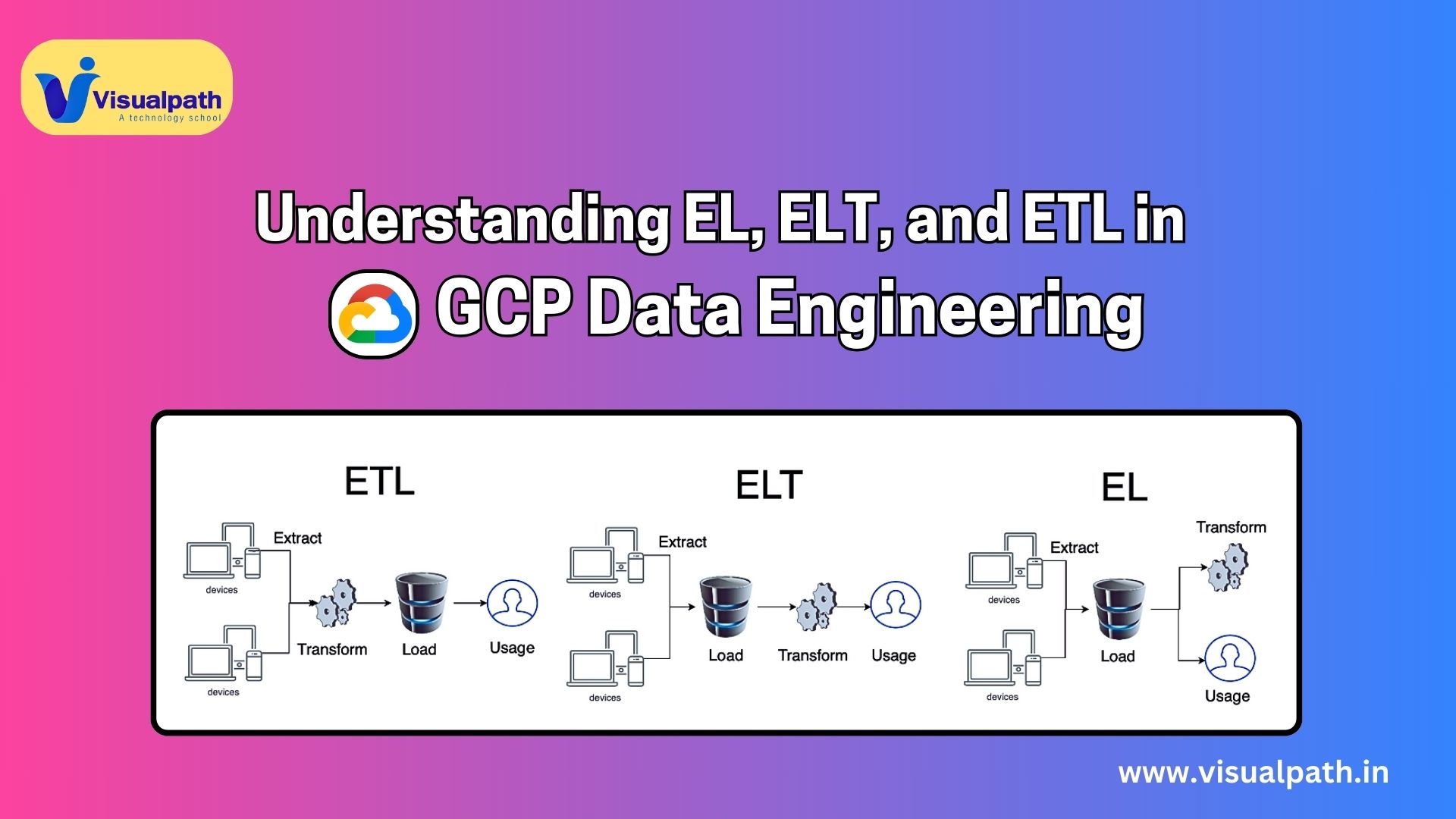
Cloud Dataflow supports real-time and batch data processing. It is based on Apache Beam, making it extremely flexible for creating pipelines that handle complex transformations. Data engineers often rely on this tool for ETL (Extract, Transform, Load) processes.
Cloud Dataproc
Dataproc enables you to run Apache Spark, Hadoop, and other big data frameworks on GCP. It is cost-effective and scalable, perfect for organisations that already use open-source data tools and want to integrate with GCP’s ecosystem.
Pub/Sub
Google Pub/Sub is a messaging service designed for event-driven systems. It allows real-time data streaming and communication between applications. For engineers working with IoT or financial systems, mastering Pub/Sub is crucial.
Cloud Composer
Cloud Composer is built on Apache Airflow and is used to orchestrate complex workflows. Engineers can schedule, monitor, and manage data pipelines across various GCP services using this tool.
Looker
Looker is Google’s business intelligence and visualisation tool. It helps turn processed data into dashboards and reports, making it easier for stakeholders to interpret insights.
3. Supporting Tools Every Engineer Should Know
Cloud Storage
Cloud Storage is the backbone for storing structured and unstructured data. Its integration with other GCP services makes it the most used storage solution for engineers.
Cloud SQL and Bigtable
Cloud SQL handles relational data while Bigtable manages high-throughput, low-latency NoSQL workloads. Knowing both gives data engineers the ability to design robust data architectures.
Data Catalog
Data Catalogue helps with metadata management. It allows engineers to classify, search, and manage datasets effectively, improving collaboration and governance.
By the time learners reach this stage, many prefer hands-on experience through GCP Cloud Data Engineer Training, where practical exposure to these tools makes the concepts far clearer.
4. Advanced Skills with GCP Data Engineering
Beyond the basics, a strong GCP Data Engineer must explore advanced areas:
Machine Learning on BigQuery ML – building models directly within the warehouse.
Data Security Tools – Identity and Access Management (IAM) and encryption methods.
Integration with AI/ML APIs – leveraging Google’s AI services for smarter pipelines.
Monitoring Tools – Operations Suite (formerly Stackdriver) for performance monitoring.
In regions with growing demand for cloud professionals, specialized programs such as a GCP Data Engineering Course in Ameerpet provide structured training to develop these advanced skills.
tech startups are among the top industries hiring GCP Data Engineers.
FAQs?
Conclusion
Mastering the right tools is the foundation of a successful career in data engineering. From BigQuery for analytics to Dataflow for processing, and Pub/Sub for streaming, each tool equips engineers with the ability to handle modern data challenges. Supporting tools like Cloud Storage and Data Catalog further enhance efficiency, while advanced skills in machine learning and security set professionals apart. For aspiring GCP Data Engineers, learning these tools not only unlocks career opportunities but also ensures they remain relevant in a fast-evolving cloud-driven world. By investing time and effort into hands-on practice and structured